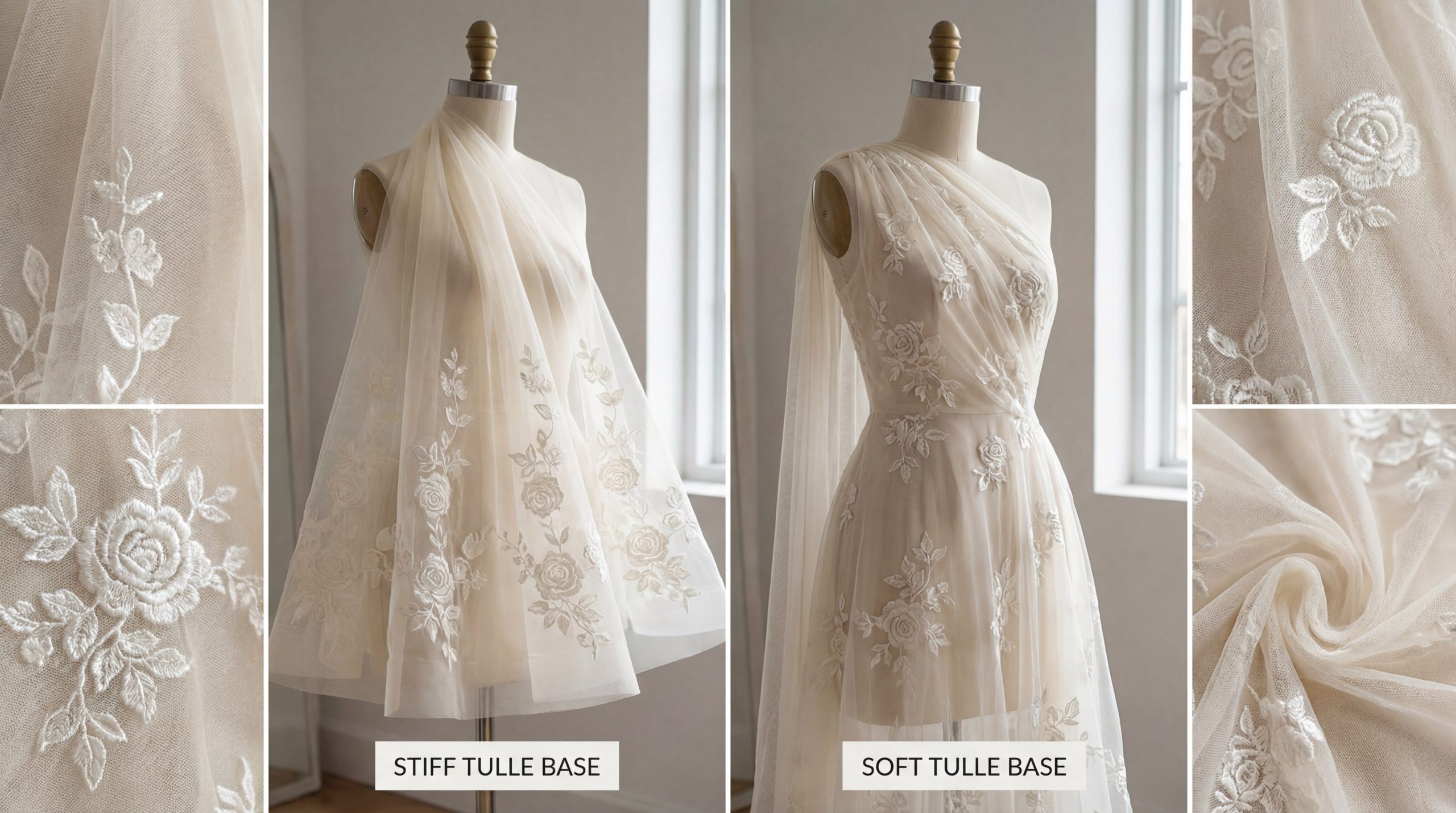
Floral embroidered tulle fabric is a high-end decorative textile that combines a lightweight, sheer mesh base with intricate needlework patterns. Many designers struggle with plain fabrics that lack depth or heavy materials that compromise the airy silhouette of a gown. This lack of texture can make a luxury collection feel flat and uninspired, failing to capture the romantic essence required for couture. High-quality embroidered tulle fabric provides the perfect solution by offering three-dimensional floral artistry without adding significant weight or bulk to your designs.
What exactly is floral embroidered tulle fabric?
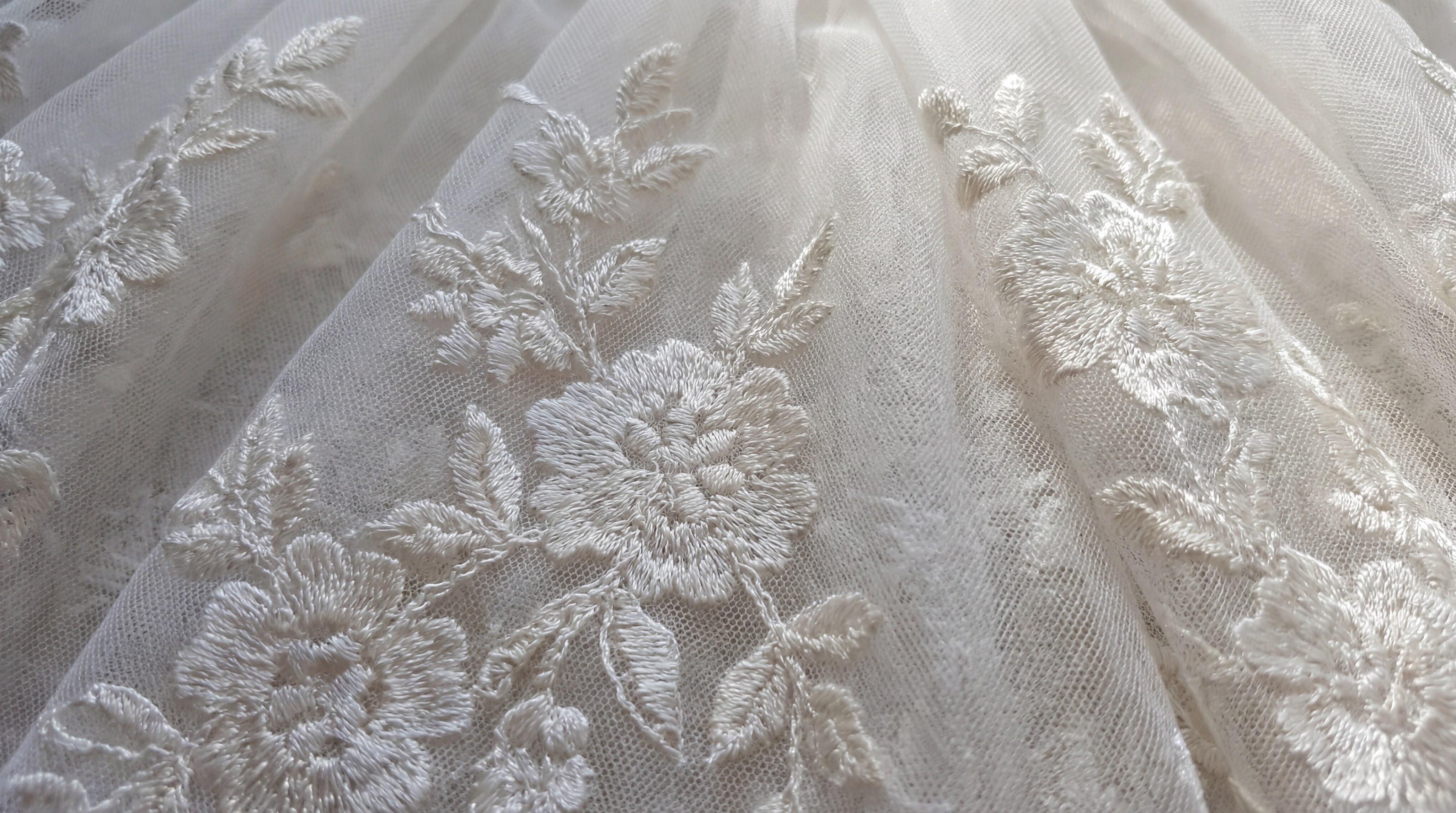
This material consists of a delicate nylon or polyester mesh base that has been embellished with decorative floral stitching using various thread types. Utilizing embroidered tulle fabric allows you to create garments that appear to have flowers floating against the wearer’s skin. The manufacturing process involves precision machinery that ensures the embroidery remains securely attached to the fine mesh pores.
How is the embroidery applied?
Modern manufacturing uses advanced computerized warp knitting and embroidery machines to create consistent patterns. You can choose from various styles ranging from subtle vines to dense, multi-colored bouquets.
- Flat embroidery for a sleek finish.
- 3D applique flowers for maximum volume.
- Metallic thread accents for evening wear.
- Cotton thread stitching for a matte, rustic look.
Is it durable for long-term use?
Let’s dive in. While the base material is extremely fine, the lock-stitch technique used in professional production prevents the threads from unravelling. You should always check the tension of the embroidery to ensure the mesh doesn’t distort under the weight of the design.
Key Takeaway: Professional-grade embroidery ensures the floral patterns remain intact even after the fabric is cut into complex patterns.
| Feature | Specification | |
|---|---|---|
| Base Fiber | 100% Nylon or Polyester | |
| Embroidery Thread | Rayon, Cotton, or Metallic | |
| Common Width | 50 to 60 inches |
High-quality manufacturing ensures a stable bond between the sheer base and the decorative threads for lasting garment integrity.
Why choose floral embroidered tulle fabric for fashion?
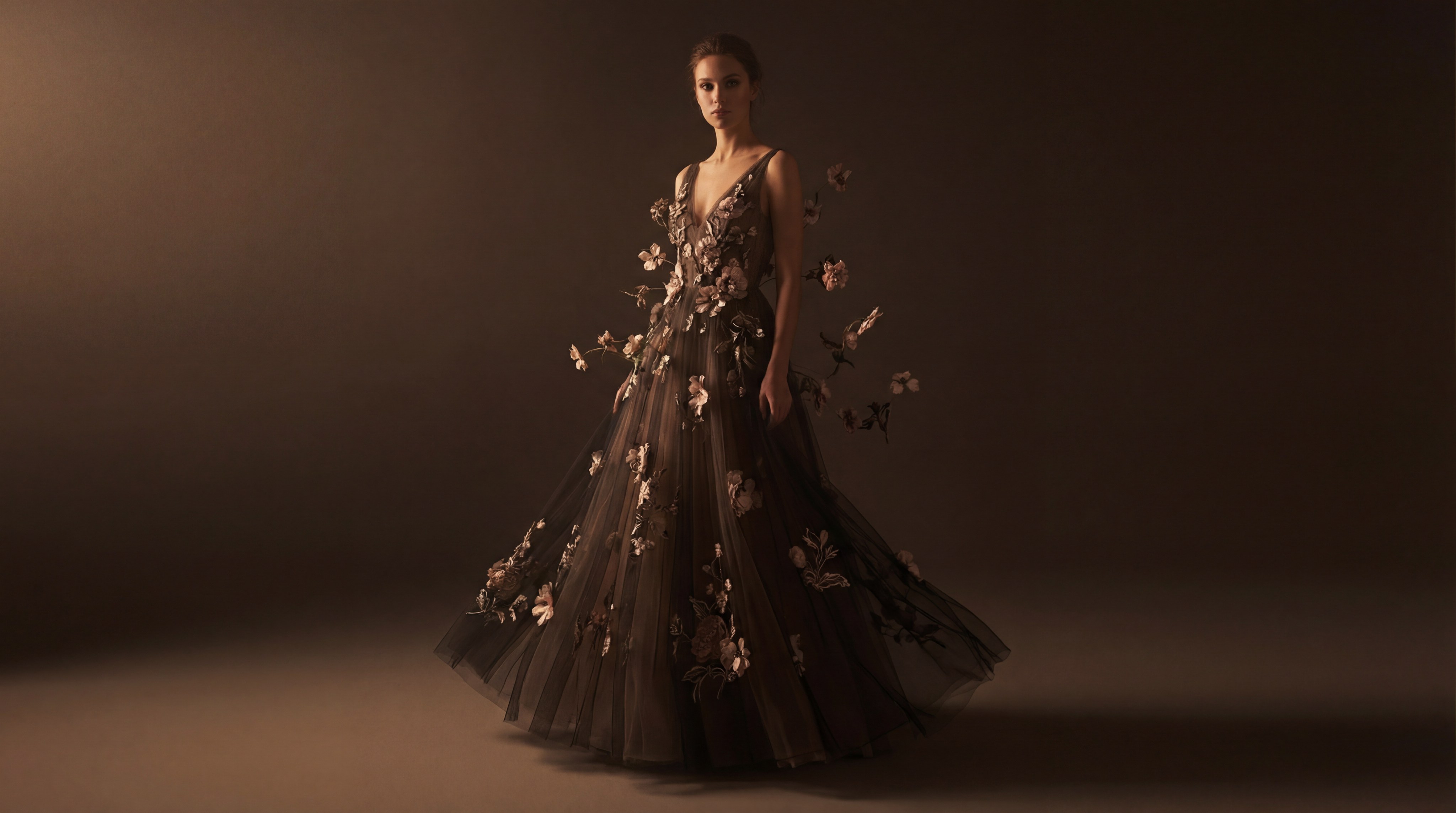
Designers favor this material because it provides a romantic, ethereal aesthetic that plain mesh cannot replicate. Incorporating embroidered tulle fabric into your collection adds a layer of sophistication that immediately increases the perceived value of the garment. It works exceptionally well for overlays, sleeves, and tiered skirts where transparency is desired alongside visual interest.
Does it offer a unique silhouette?
This fabric allows for the creation of soft, voluminous shapes that maintain their structure without feeling stiff. You can layer multiple shades of mesh to create a gradient effect beneath the floral motifs.
- Creates soft, romantic “cloud” effects.
- Allows for strategic transparency in bodices.
- Provides a high-contrast look when layered over solids.
- Facilitates intricate “illusion” necklines.
How does it impact garment weight?
But here is the kicker. Despite its detailed appearance, the fabric remains incredibly light, allowing for full-length gowns that are comfortable for all-day wear. This makes it a superior choice compared to heavy brocades or beaded silks which can fatigue the wearer.
Key Takeaway: Embroidered tulle provides the visual impact of lace with significantly less physical weight and bulk.
| Benefit | Impact on Design | |
|---|---|---|
| Lightweight | Increases wearer comfort and mobility | |
| Translucent | Enables beautiful layering and depth | |
| Detailed | Reduces the need for additional accessories |
The lightweight nature of these floral patterns makes them ideal for high-volume skirts that require movement and breathability.
How does embroidered tulle fabric feel on the skin?
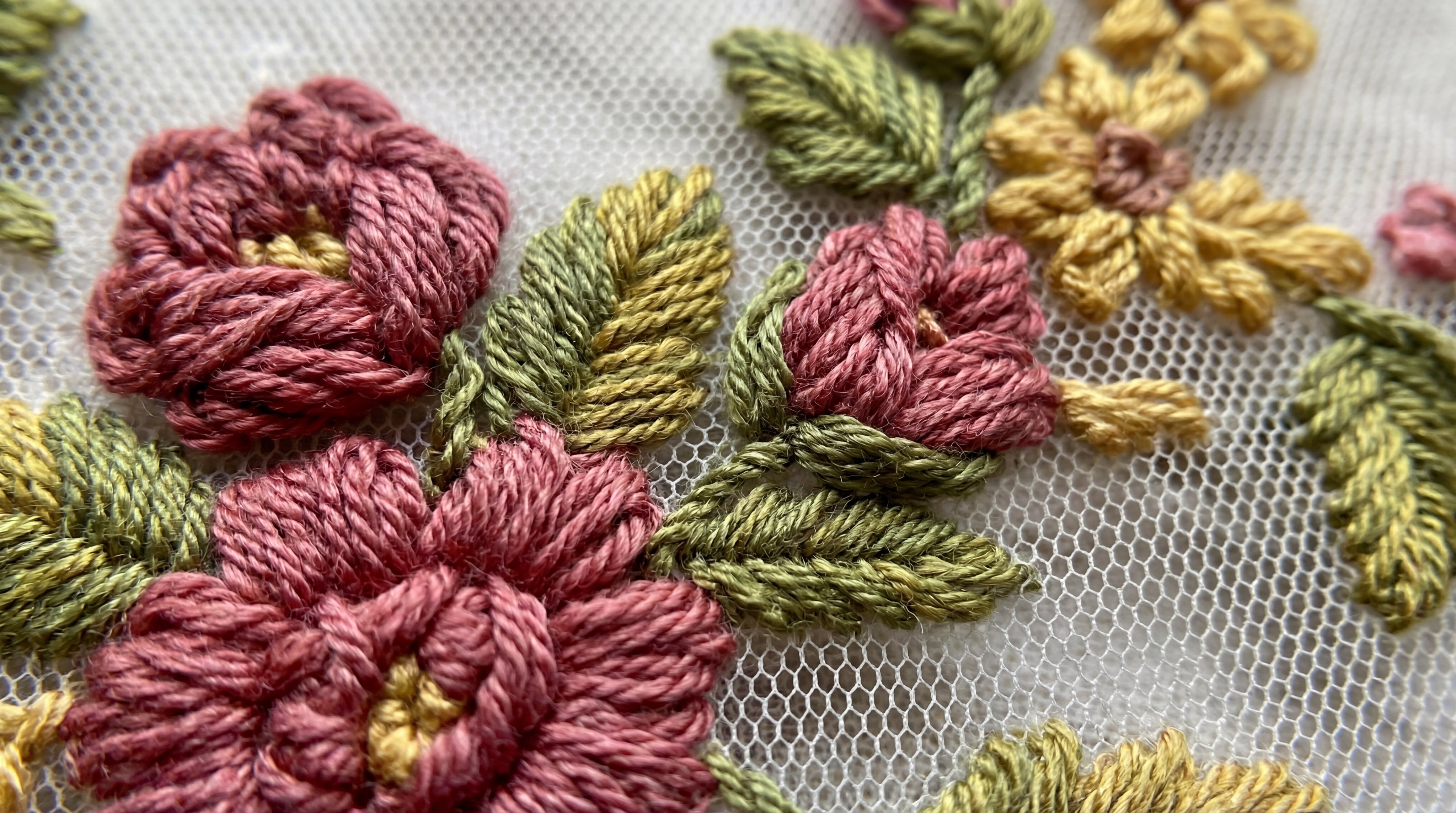
The sensation of embroidered tulle fabric largely depends on the quality of the base mesh and the softness of the embroidery yarns used. Premium versions use soft-handle nylon that mimics the feel of silk mesh, ensuring a comfortable experience for the wearer. Lower-quality options may feel slightly abrasive, so sourcing from reputable manufacturers is essential for intimate apparel or bridal wear.
Are the threads scratchy or soft?
High-end rayon or silk-blend threads are typically used to ensure the floral patterns feel smooth against the skin. You should look for embroidery that has been finished with a soft wash to remove any residual manufacturing stiffeners.
- Soft-touch nylon bases for comfort.
- Polished threads to prevent itching.
- Flexible stitching that moves with the body.
- High pore density for better air circulation.
Can it be worn without a lining?
Think about this. While the mesh is sheer, dense floral patterns can provide enough coverage for sleeves or back panels without needing a separate liner. However, for full bodices, most designers prefer a skin-tone lining to maintain the “floating flower” illusion while ensuring modesty.
Key Takeaway: Soft-base tulle with high-quality threads is essential for garments that come into direct contact with the skin.
| Comfort Factor | High-Quality Performance | |
|---|---|---|
| Mesh Texture | Silky and non-abrasive | |
| Thread Finish | Smooth and burr-free | |
| Flexibility | High stretch recovery |
Choosing the right thread and base combination ensures that the beauty of the embroidery does not come at the cost of the wearer’s comfort.
Which bridal styles use embroidered tulle fabric?
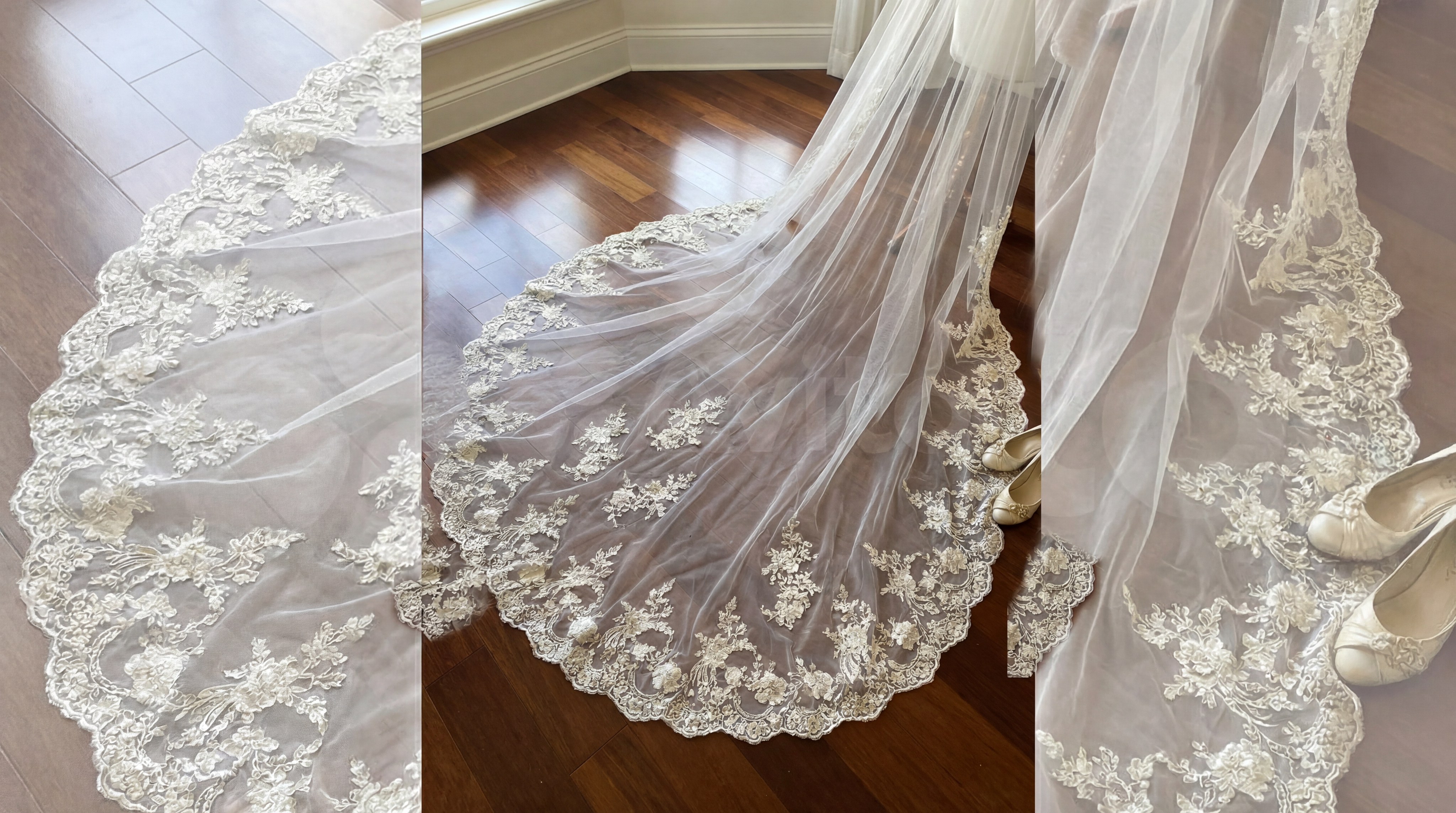
This fabric is most frequently seen in romantic A-line gowns, bohemian wedding dresses, and decorative cathedral-length veils. Utilizing embroidered tulle fabric allows bridal designers to incorporate traditional lace aesthetics into modern, lightweight silhouettes. It is particularly popular for “secret garden” themed weddings where nature-inspired motifs are a central part of the bridal look.
Is it perfect for cathedral veils?
The sheer nature of the mesh allows the bride’s dress to remain visible while the embroidery adds a stunning frame to the ensemble. You can choose veils with scattered blossoms or dense borders depending on the dress’s complexity.
- Scalloped floral edges for a classic look.
- Trailing vine patterns for a modern feel.
- Scattered “petals” for a whimsical touch.
- Applique details at the comb or train.
How does it enhance wedding gowns?
The best part? It creates a 3D effect that looks incredible in wedding photography, capturing light and shadow within the folds of the skirt. Many designers use these fabrics to create illusion sleeves that appear as if flowers are growing directly on the bride’s arms.
Key Takeaway: Floral embroidery is the gold standard for creating a romantic and timeless bridal aesthetic that looks premium from every angle.
| Bridal Application | Recommended Style | |
|---|---|---|
| Bodice | Dense, structured floral layouts | |
| Skirt Overlay | Large, flowing botanical motifs | |
| Veil | Border embroidery or scattered buds |
Strategic placement of floral motifs can highlight the bride’s features while maintaining the ethereal lightness of the tulle.
Can embroidered tulle fabric be used in home decor?
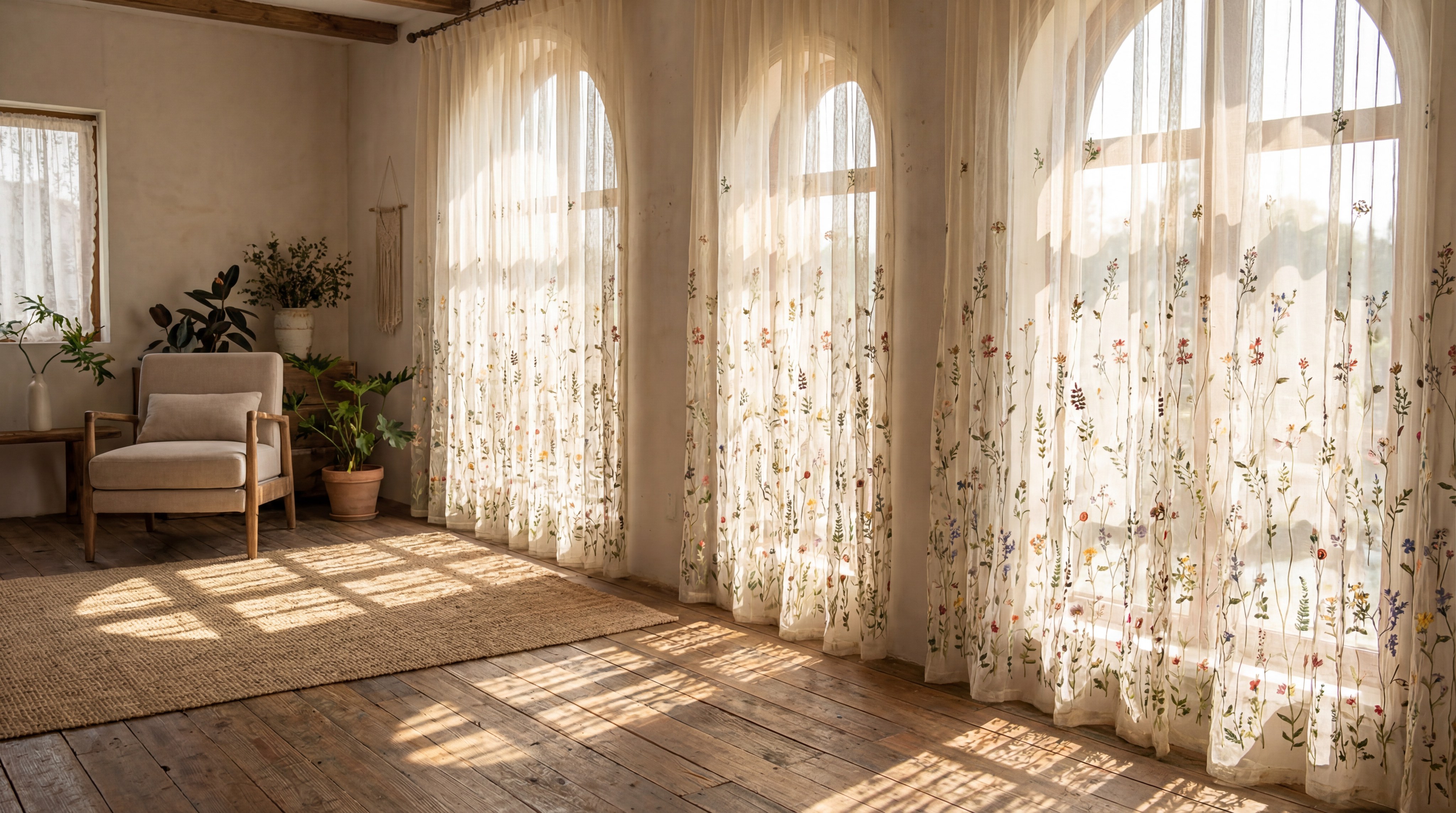
Yes, this material is an excellent choice for creating delicate window treatments, decorative table settings, and romantic bedroom accents. By using embroidered tulle fabric , you can soften the light in a room while adding a touch of classic elegance. Its breathability makes it ideal for summer interiors where you want to maintain airflow without sacrificing privacy or style.
Does it make for elegant curtains?
Embroidered sheers filter harsh sunlight into a soft glow while displaying beautiful floral silhouettes against the window. You can hang them alone for a minimalist look or layer them under heavier drapes for a multi-textured appearance.
- Filters UV rays to protect furniture.
- Provides daytime privacy without blocking light.
- Adds a tactile element to flat wall spaces.
- Easy to drape and swag over rods.
Can you use it for table runners?
Wait, there’s more. The fabric’s edges can be finished with delicate lace or left raw for a more modern, organic look on a dining table. It provides a stunning backdrop for centerpieces, especially during spring or summer events and weddings.
Key Takeaway: Tulle embroidery is a versatile decor tool that adds texture and romance to both permanent interiors and temporary event setups.
| Decor Item | Functional Advantage | |
|---|---|---|
| Sheer Curtains | Maximizes natural light and airflow | |
| Table Runners | Adds sophisticated texture to events | |
| Canopies | Creates a soft, private atmosphere |
Using embroidered mesh in home settings allows for a sophisticated interplay of light and shadow that enhances the room’s ambiance.
What are the tech specs of embroidered tulle fabric?
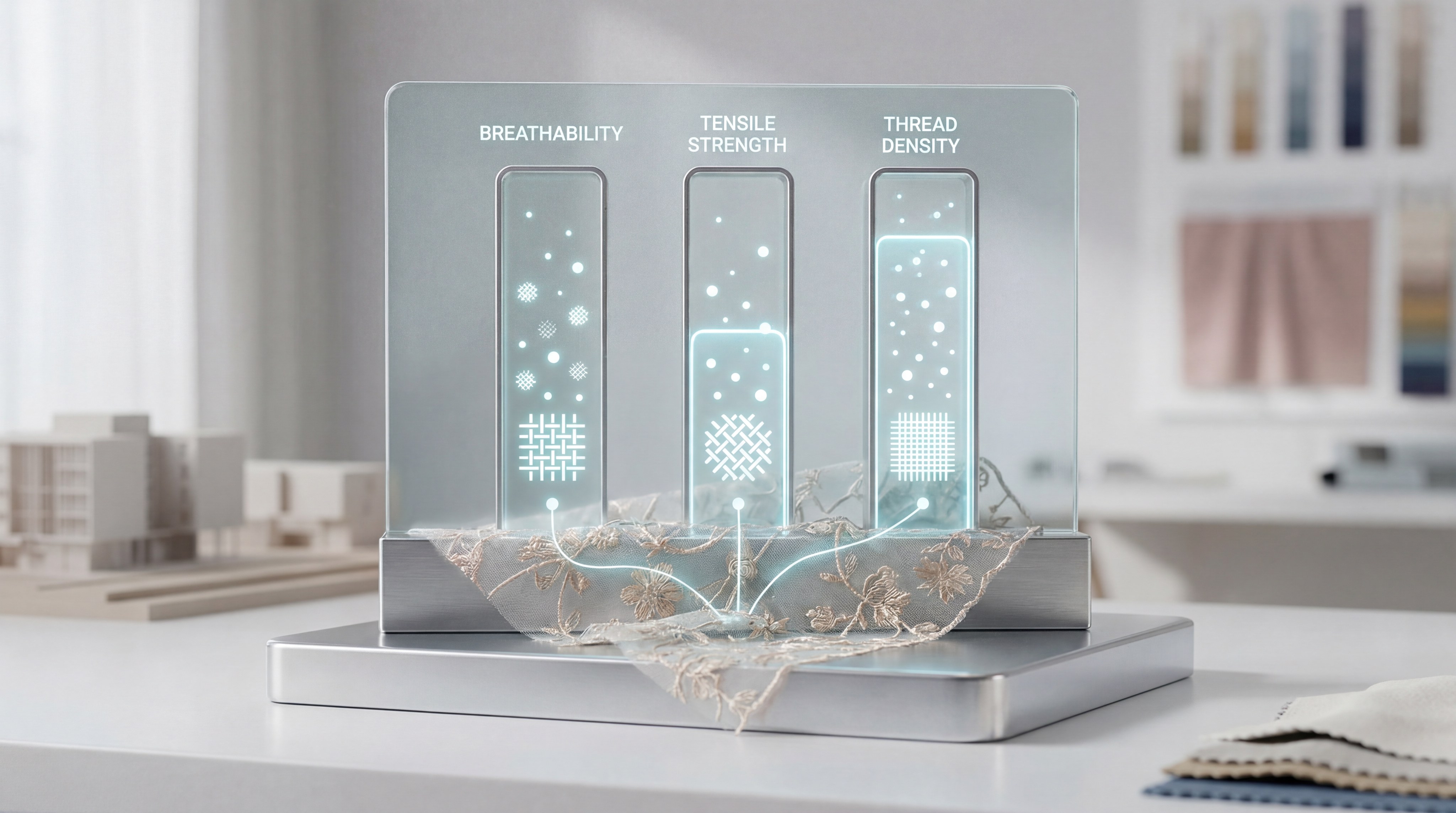
The technical performance of this fabric is defined by its thread count, mesh pore size, and the GSM (grams per square meter) of the finished product. High-performance embroidered tulle fabric must balance the weight of the decorative stitching with the tensile strength of the sheer base. Understanding these metrics helps you select the right grade for industrial sewing or high-end bespoke tailoring.
How is the breathability measured?
The open-cell structure of the mesh allows for maximum air permeability, which is measured by the rate of airflow through the fabric. You will find that even with dense embroidery, the fabric remains significantly cooler than solid woven textiles.
- Air permeability ratings for summer comfort.
- Moisture-wicking properties of synthetic fibers.
- Resistance to heat buildup during wear.
- Lightweight GSM for effortless movement.
What is the typical tensile strength?
You might be wondering. Despite looking fragile, modern warp-knit tulle is engineered to resist tearing and snagging during the embroidery process. This strength ensures that the fabric can support heavy stitch counts without the mesh holes enlarging or “running.”
Key Takeaway: Technical excellence in the base mesh is what allows for the complex, high-density floral designs found in luxury textiles.
| Technical Property | Industry Standard | |
|---|---|---|
| Weight | 15 – 45 GSM (varies by embroidery) | |
| Fabric Type | Warp-knit Hexagonal or Diamond Mesh | |
| Shrinkage | Less than 2% with proper care |
Precision engineering ensures the fabric maintains its shape and pattern alignment even under the stress of garment construction.
How to pick a base for embroidered tulle fabric?
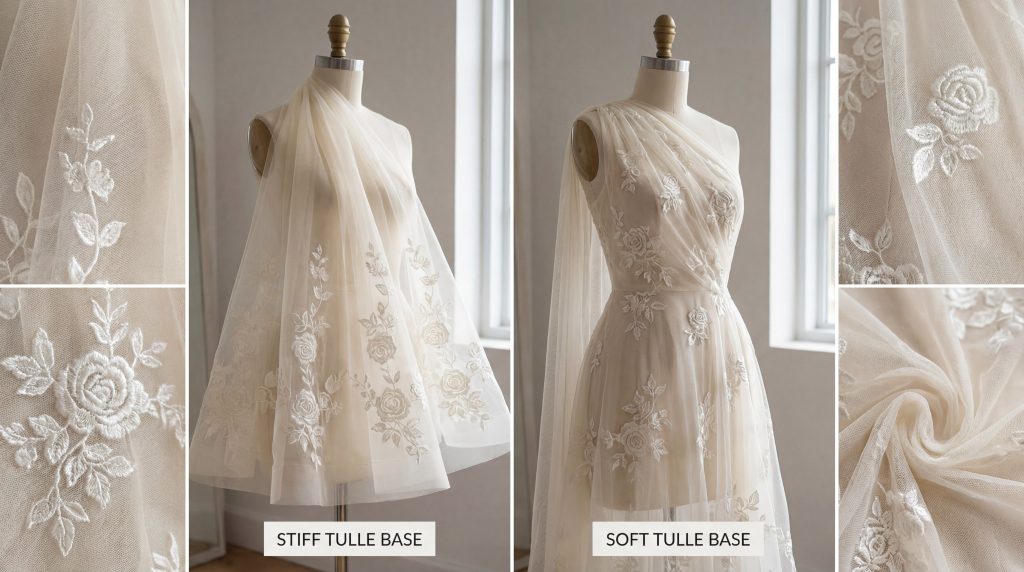
Selecting the right foundation involves deciding between a stiff, structured base or a soft, flowing mesh depending on your project’s needs. When you source embroidered tulle fabric , you must consider how the base fabric will influence the drape and volume of the final garment. Stiff bases are better for structural floral details, while soft bases are preferred for intimate apparel and bridal veils.
When is a stiff base necessary?
A stiff base is essential when you want the embroidery to stand away from the body or create a voluminous “ballgown” effect. This type of mesh holds the weight of heavy floral patterns without sagging or losing its crisp silhouette.
- Best for structural tutu-style skirts.
- Ideal for 3D floral architectural designs.
- Maintains its shape in high-humidity environments.
- Provides a stable surface for heavy beading.
Is a soft mesh base more versatile?
Look at it this way. Soft bases offer a “liquid” drape that follows the contours of the body, making them the top choice for luxury evening wear and lingerie. Most high-end designers prefer this versatility as it can be layered to create volume while remaining gentle to the touch.
Key Takeaway: The choice of base mesh determines whether your floral design will be a structured statement or a soft, flowing accent.
| Base Type | Best Application | Silhouette | |
|---|---|---|---|
| Stiff Tulle | Ballgowns, costumes | Structured & Voluminous | |
| Soft Mesh | Veils, Lingerie, Slips | Flowing & Contoured | |
| Power Mesh | Activewear, Shapewear | Form-fitting & Stretchy |
The interaction between the embroidery and the base stiffness is the most critical factor in achieving your desired fashion silhouette.
How to properly wash embroidered tulle fabric?
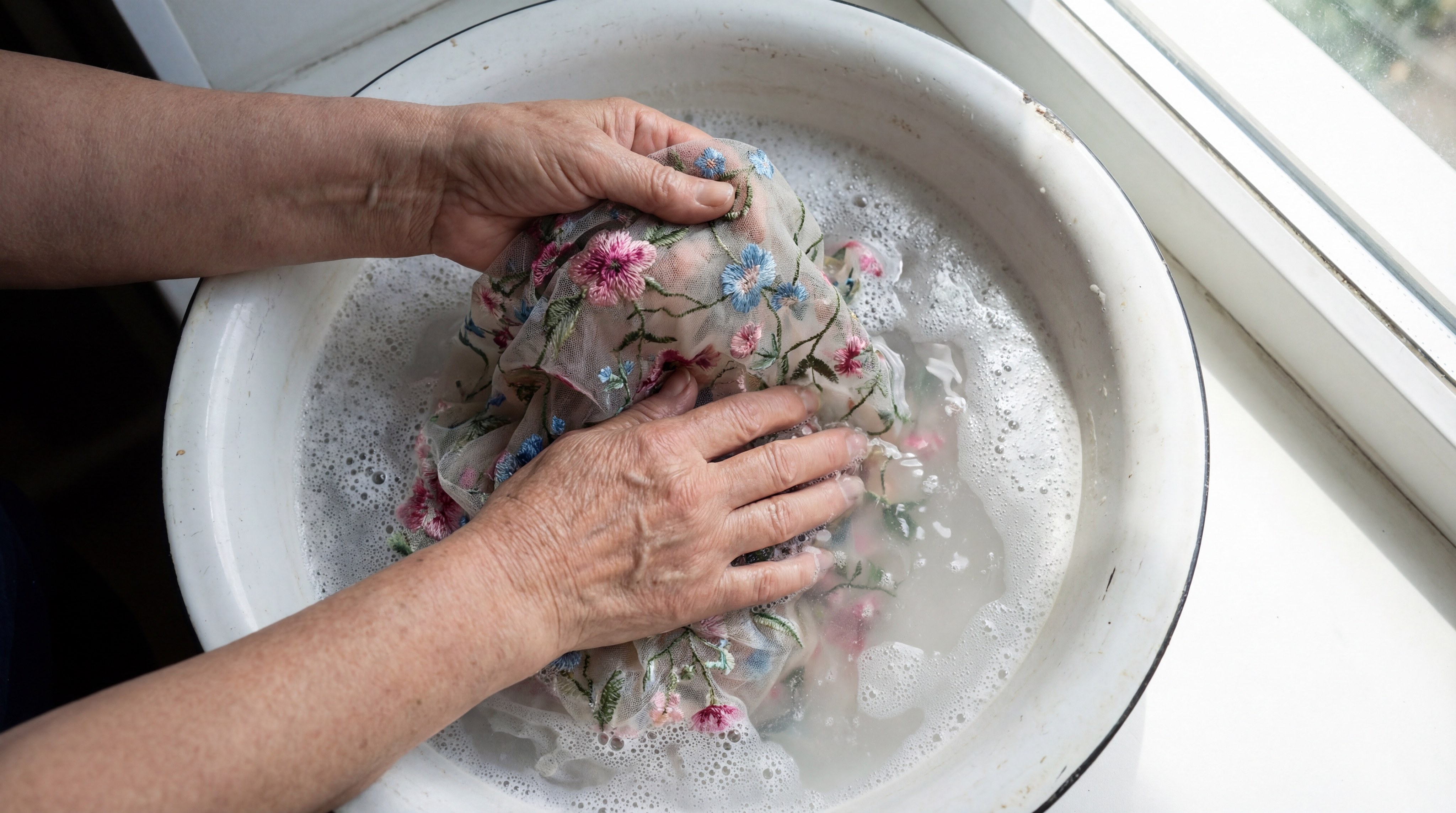
The safest method for cleaning this delicate material is hand washing in cold water with a very mild, pH-neutral detergent. You must handle embroidered tulle fabric with extreme care to prevent the fine threads from snagging or the mesh from losing its shape. Avoiding heat and mechanical agitation is the only way to preserve the intricate floral patterns for years to come.
Is hand washing always required?
While time-consuming, hand washing allows you to target specific stains without stressing the entire garment’s structure. You should soak the item briefly and gently swirl it rather than scrubbing the embroidered areas.
- Use cold water to prevent fiber shrinkage.
- Avoid harsh bleaches that weaken nylon.
- Rinse thoroughly to remove soap residue.
- Never wring or twist the wet fabric.
Can you use a delicate machine cycle?
In short. It is generally discouraged because even the “delicate” cycle can cause embroidery threads to catch on the machine drum. If you must use a machine, always place the garment inside a high-quality mesh laundry bag to provide a layer of protection.
Key Takeaway: Gentle hand washing and air drying are the only guaranteed ways to prevent damage to expensive embroidered mesh.
| Cleaning Factor | Recommended Action | |
|---|---|---|
| Temperature | Cold (below 30°C) | |
| Detergent | Liquid silk/delicate wash | |
| Drying | Lay flat on a clean towel |
Proper maintenance ensures that the delicate floral motifs remain vibrant and securely attached to the mesh foundation.
Where should you store embroidered tulle fabric?
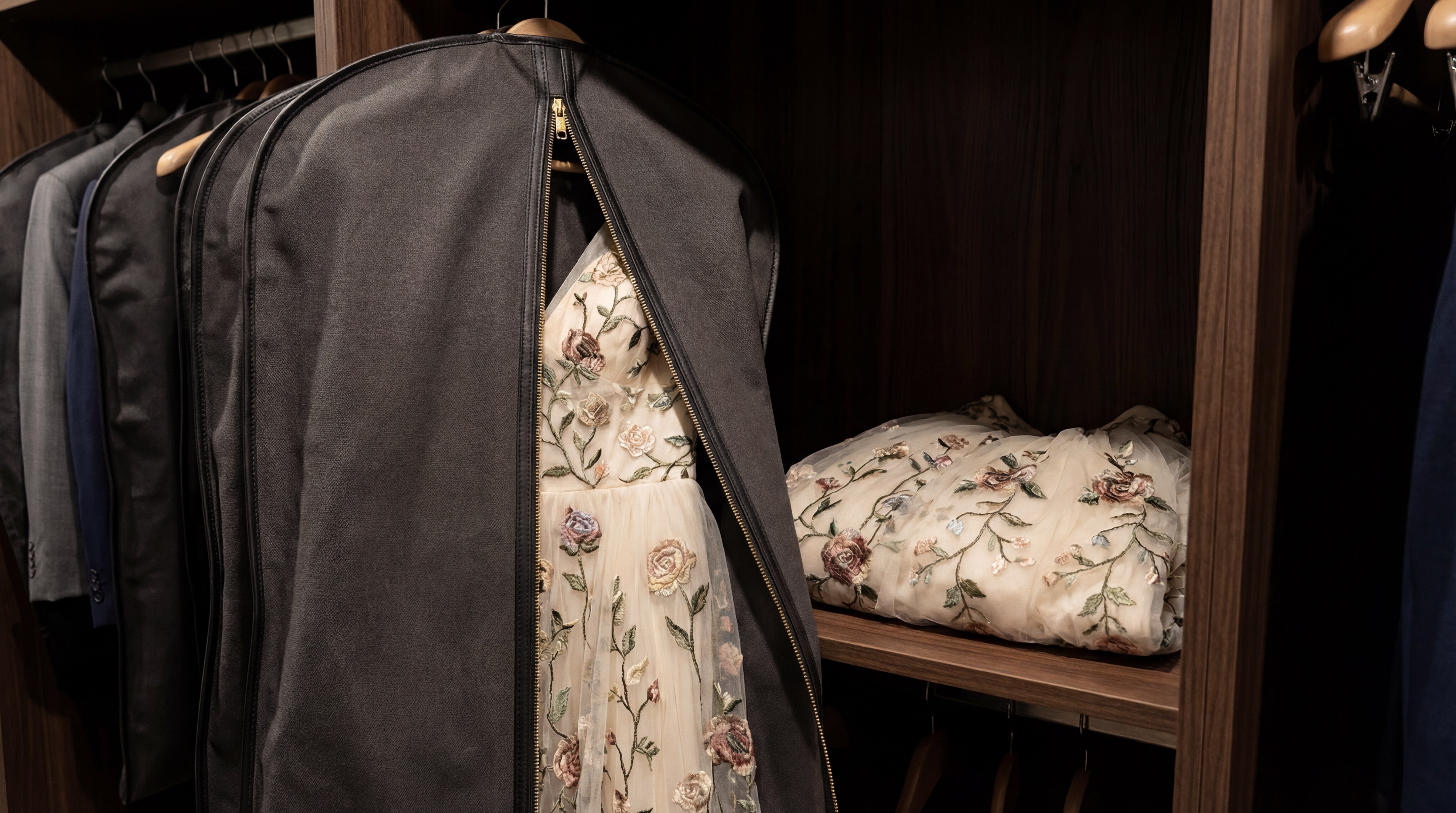
You should store these garments in a cool, dry place inside a breathable fabric garment bag to protect them from dust and snagging. When dealing with premium embroidered tulle fabric , long-term exposure to sunlight or improper hanging can lead to permanent damage. Taking the time to store your pieces correctly will prevent the mesh from yellowing and the embroidery from losing its luster.
Should garments be hung or folded?
For long gowns with heavy embroidery, laying them flat in a large box is often better than hanging, as gravity can stretch the mesh over time. If you do hang them, use padded hangers and ensure the weight is supported by internal ribbons rather than the sheer shoulders.
- Padded hangers to prevent shoulder dimples.
- Acid-free tissue paper for folded storage.
- Breathable cotton bags instead of plastic.
- Climate-controlled environments to prevent rot.
Does sunlight damage the embroidery?
Believe it or not. UV rays are the primary enemy of synthetic mesh, causing the fibers to become brittle and the colors to fade prematurely. You should always keep your luxury pieces away from windows or bright, direct lighting in your closet.
Key Takeaway: Protective, breathable storage is the best investment you can make to preserve the structural integrity of floral embroidery.
| Storage Issue | Preventive Measure | |
|---|---|---|
| Snagging | Use smooth garment bags | |
| Stretching | Store heavy items flat | |
| Yellowing | Avoid plastic covers and UV light |
Consistent storage habits protect the delicate fibers from environmental stressors, ensuring the fabric looks new for every occasion.
Why invest in premium embroidered tulle fabric?
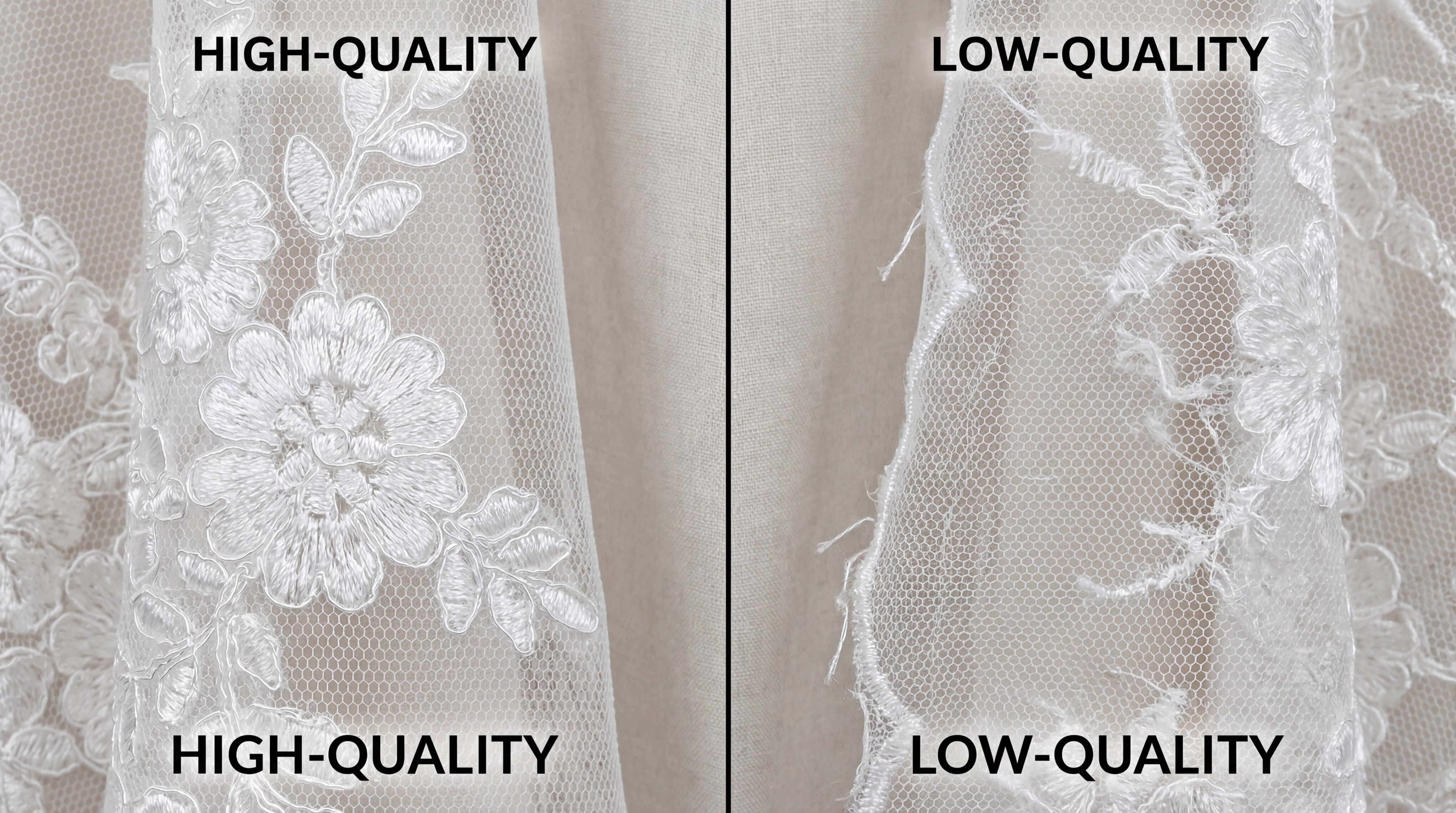
Investing in high-grade materials ensures that the embroidery is precise, the mesh is durable, and the overall finish is professional. Sourcing your embroidered tulle fabric from manufacturers who use advanced machinery like KARL MAYER warp knitters guarantees a level of consistency that cheaper alternatives cannot match. This attention to detail results in a product that is easier to sew and much more impressive to your final customers.
How does KARL MAYER precision help?
Advanced machinery ensures that every pore in the mesh is uniform, providing a stable and flawless canvas for the floral designs. You will notice fewer thread breaks and more vibrant color definition in fabrics produced on these industrial-grade machines.
- Uniform mesh structure for easy cutting.
- Consistent thread tension across the bolt.
- Higher stitch density for detailed florals.
- Reduced risk of manufacturing defects.
What defines high-tier manufacturing?
The bottom line? High-tier manufacturing involves rigorous quality control where every yard is inspected for missing stitches or mesh irregularities. This process ensures that when you receive your fabric, it is ready for immediate use in high-stakes projects like bridal wear.
Key Takeaway: Premium manufacturing eliminates the frustration of working with “runny” mesh or frayed embroidery, saving you time and money.
| Quality Indicator | Premium Grade | Budget Grade | |
|---|---|---|---|
| Stitch Definition | Sharp and clear | Frayed or blurry | |
| Mesh Strength | Tear-resistant | Prone to ladders | |
| Color Fastness | High resistance to fading | Fades quickly |
Choosing a manufacturer-direct source allows you to access industrial-quality textiles that elevate your creative output to the professional level.
Frequently Asked Questions (FAQ)
Can I use a steam cleaner on floral embroidered tulle?Yes, steaming is actually the best way to remove wrinkles because it doesn’t involve direct contact with a hot metal plate. You should keep the steamer head a few inches away from the fabric to avoid moisture buildup or heat damage to the embroidery.
What’s the best way to stop the mesh from snagging while sewing?You should use a brand new, fine-gauge needle (size 60/8 or 70/10) and consider using tissue paper underneath the fabric while stitching. This prevents the delicate mesh from being pulled down into the needle plate of your sewing machine.
Can I dye white embroidered tulle to match a custom color?Yes, but only if the base and threads are made of dyeable materials like nylon or cotton. You should perform a patch test first, as synthetic polyester threads may not take the dye at the same rate as the nylon mesh base.
What’s the best way to finish the raw edges of this fabric?You can leave the edges raw as high-quality warp-knit tulle does not fray, or you can carefully cut around the floral motifs to create a “lace edge” effect. For a more formal look, binding the edges with silk bias tape or a narrow rolled hem is recommended.
Can I use floral embroidered tulle for outdoor upholstery?No, this fabric is too delicate for the high-friction environment of seating or heavy outdoor use. It is strictly intended for apparel, decorative sheers, and event accents where it will not be subjected to heavy wear.
Conclusion
Floral embroidered tulle fabric represents the pinnacle of romantic textile design, offering a unique blend of structural mesh technology and classical artistry. Whether you are crafting a one-of-a-kind bridal masterpiece or enhancing your home’s interior with elegant sheers, this material provides the versatility and visual impact needed to stand out. By selecting high-quality bases and following expert care guidelines, you can ensure your creations maintain their ethereal beauty for a lifetime. To explore our full range of professional-grade mesh and decorative textiles, feel free to contact us today for a custom consultation.
The precision of modern manufacturing has made these complex designs more accessible than ever, allowing you to bring a touch of couture to every project. Don’t settle for flat, uninspired fabrics when you can add the three-dimensional elegance of floral embroidery to your next collection. Reach out to our team to see how we can support your manufacturing needs with the world’s finest tulle solutions.