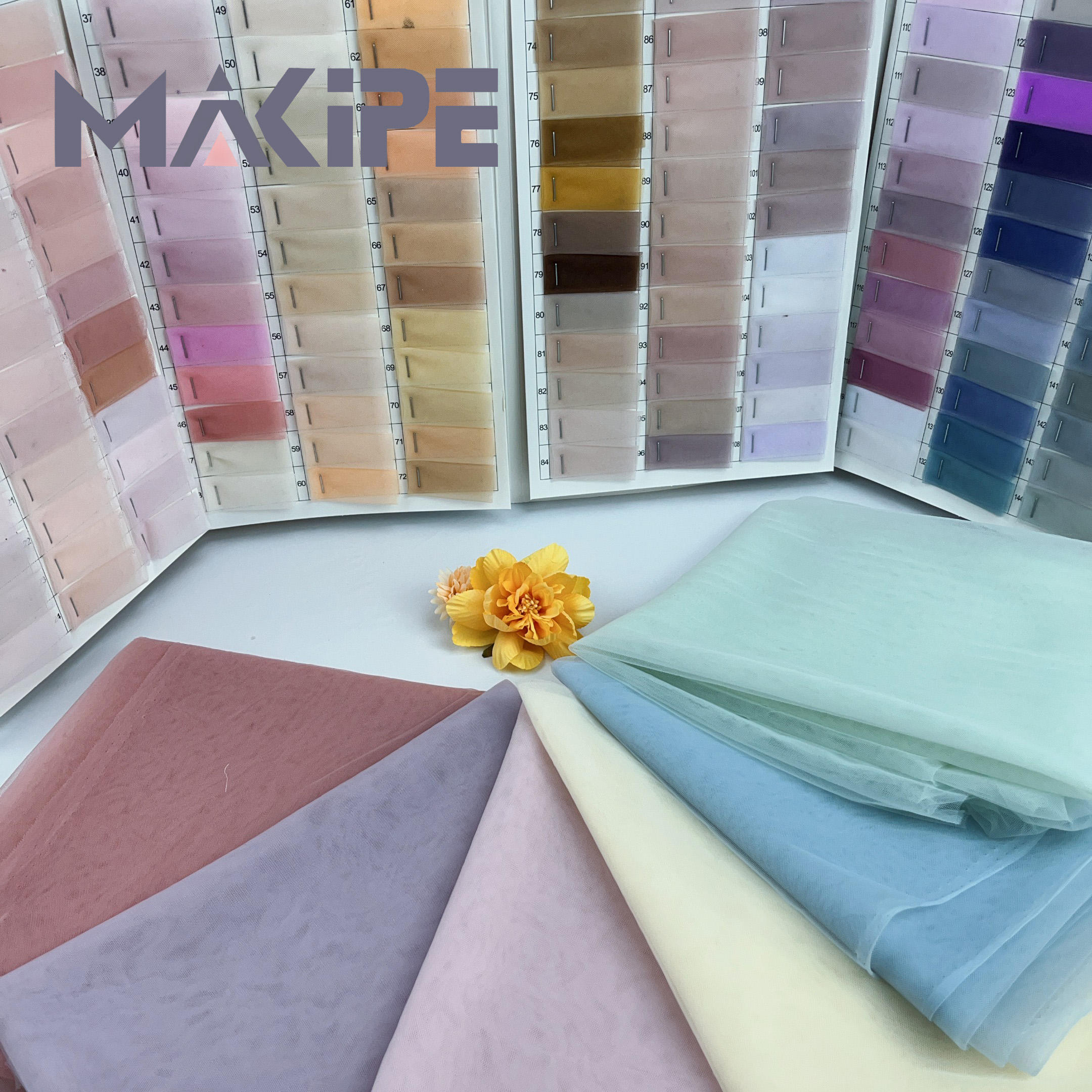
Selecting the right tulle depends on whether you prioritize structural volume for tutus, a luxurious drape for couture, or stretch for athletic performance. Choosing the wrong mesh often leads to ruined bulk garment orders and significant financial loss for your production line. You risk receiving rolls that lose shape or irritate skin, which ultimately damages your professional reputation. This technical analysis clarifies specific properties of various types of tulle fabric so you can secure perfect textile solutions with absolute confidence.
Why is nylon a leader among types of tulle fabric?
Is nylon the most durable option?
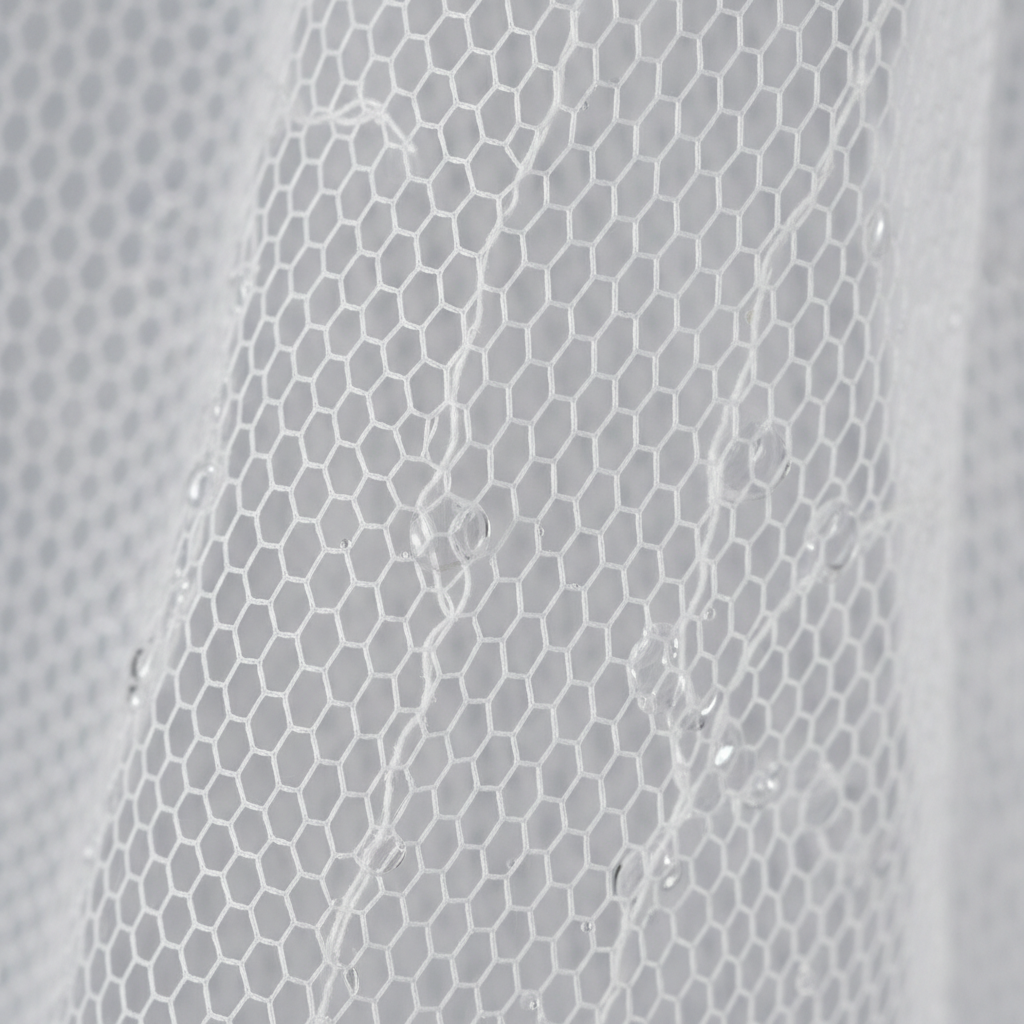
Nylon netting remains the gold standard for professional apparel because it retains its shape during rigorous movement. The bottom line, its resilience makes it ideal for professional tutus that must endure heavy use.
- Superior bounce and memory retention.
- Excellent color saturation for deep dyes.
- Resistance to moisture in performance environments.
[Key Takeaway]
| Attribute | Industrial Performance | |
|---|---|---|
| Durability | Exceptionally High | |
| Softness | Premium Grade | |
| Dye Affinity | Outstanding | |
| Best Application | Professional Dancewear |
Nylon remains the most versatile choice for manufacturers requiring a balance between a soft hand-feel and high-performance resilience.
How do polyester types of tulle fabric reduce costs?
Does polyester save on bulk production?
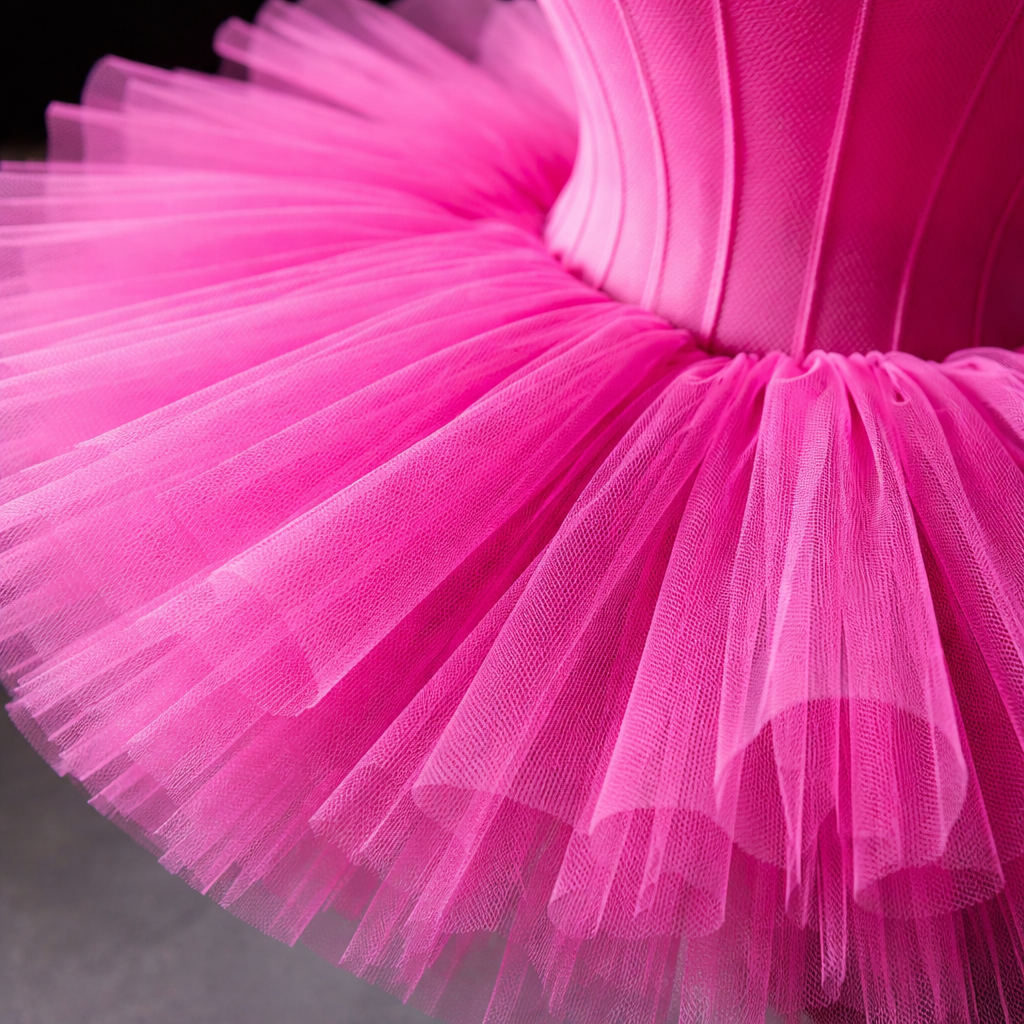
Polyester types of tulle fabric offer a cost-effective alternative for high-volume decorative projects and budget-friendly linings. Wait, there’s more, its stiff nature provides excellent structural support for event installations without breaking the budget.
- Economical pricing for bulk event planning.
- High resistance to wrinkles during shipping.
- Flame-retardant properties for safety compliance.
[Key Takeaway]
| Feature | Metric Value | |
|---|---|---|
| Cost Efficiency | Maximum | |
| Stiffness | Very High | |
| Wrinkle Resistance | Superior | |
| Recommended Use | Event Decor |
Procuring polyester mesh ensures consistent color matching across large-scale production runs while maintaining strict budgetary constraints.
Is silk the most luxurious of types of tulle fabric?
Does silk provide a superior drape?
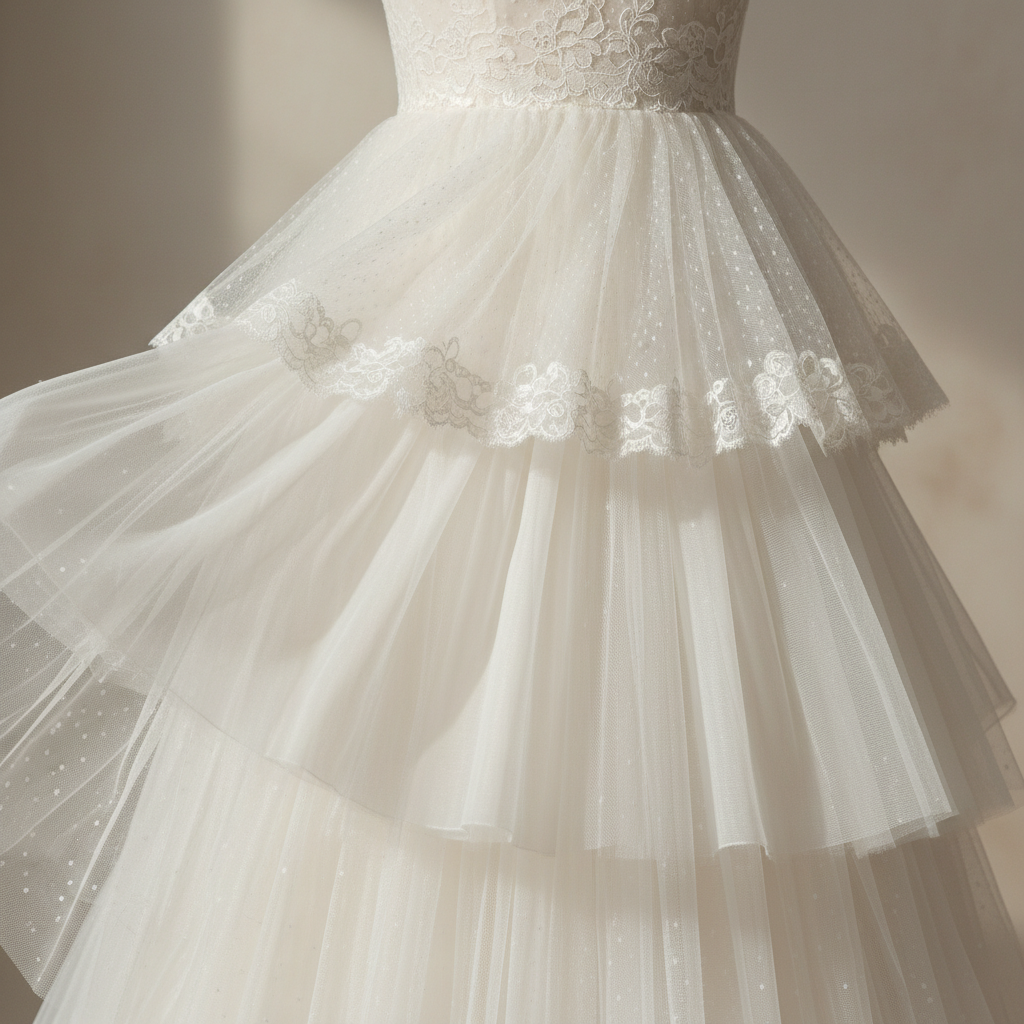
Silk netting represents the pinnacle of luxury textiles due to its natural protein fibers and sophisticated matte finish. Ready for the good part? Using silk immediately upgrades your brand position among high-end clientele who value organic luxury.
- Unmatched elegance and matte finish.
- Natural breathability for superior comfort.
- Liquid-like motion for runway designs.
[Key Takeaway]
| Attribute | Performance Level | |
|---|---|---|
| Hand Feel | Ultra Soft | |
| Visual Shine | Subtle Matte | |
| Breathability | High | |
| Price Point | Luxury Tier |
Choosing silk mesh is an investment in authentic premium craftsmanship that synthetic alternatives cannot fully replicate.
Why choose sparkle types of tulle fabric for events?
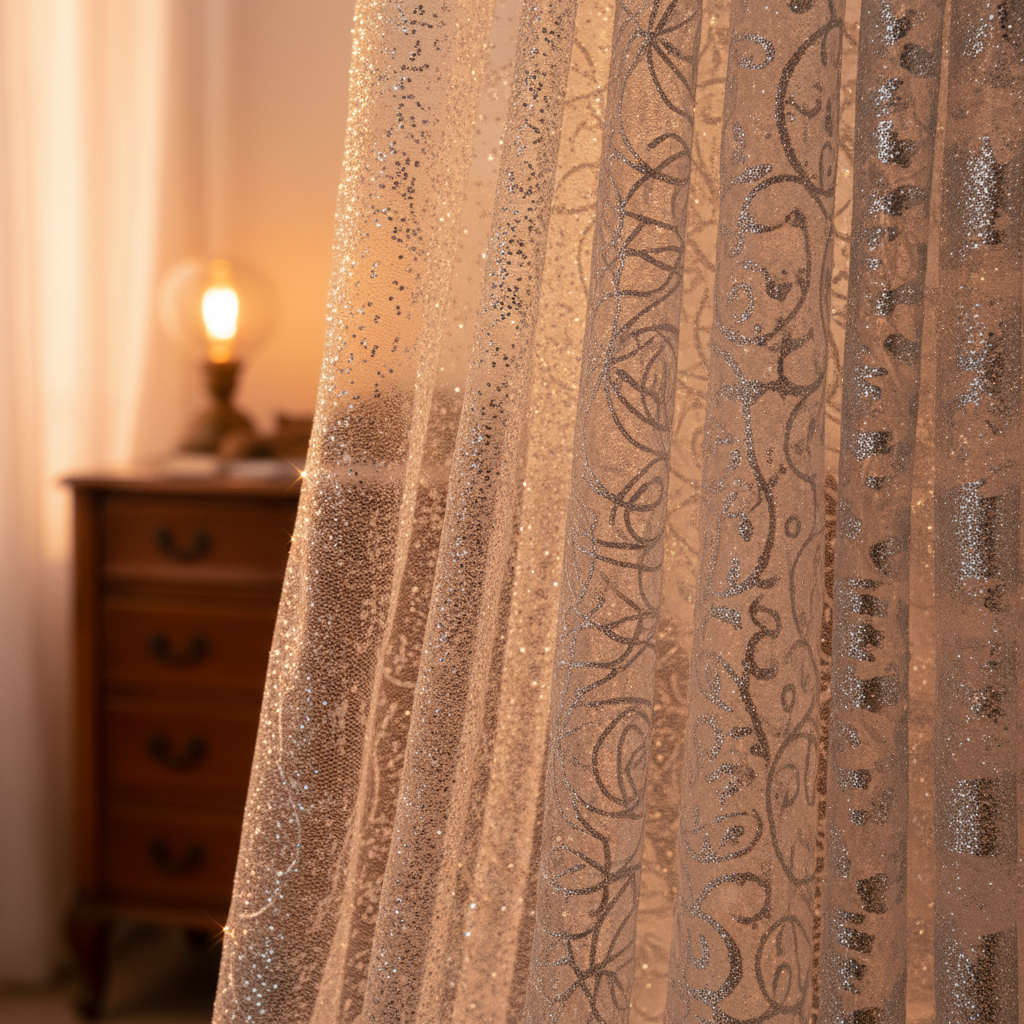
Does sparkle mesh shed glitter?
Professional sparkle types of tulle fabric are engineered to minimize light-reflecting particle loss during the manufacturing process. Believe it or not, this material provides the shimmer needed for stage lighting without leaving a mess on the studio floor.
- Enhanced light reflection for stage presence.
- Bonded technology for improved cleanliness.
- Dramatic support for evening silhouettes.
[Key Takeaway]
| Property | Specification | |
|---|---|---|
| Shimmer Factor | Maximum | |
| Texture | Slightly Crisp | |
| Shedding Rate | Minimal | |
| Ideal Task | Evening Gowns |
Sparkle mesh adds a dynamic visual dimension to gala wear while maintaining the structural integrity required for voluminous skirts.
When is illusion best among types of tulle fabric?
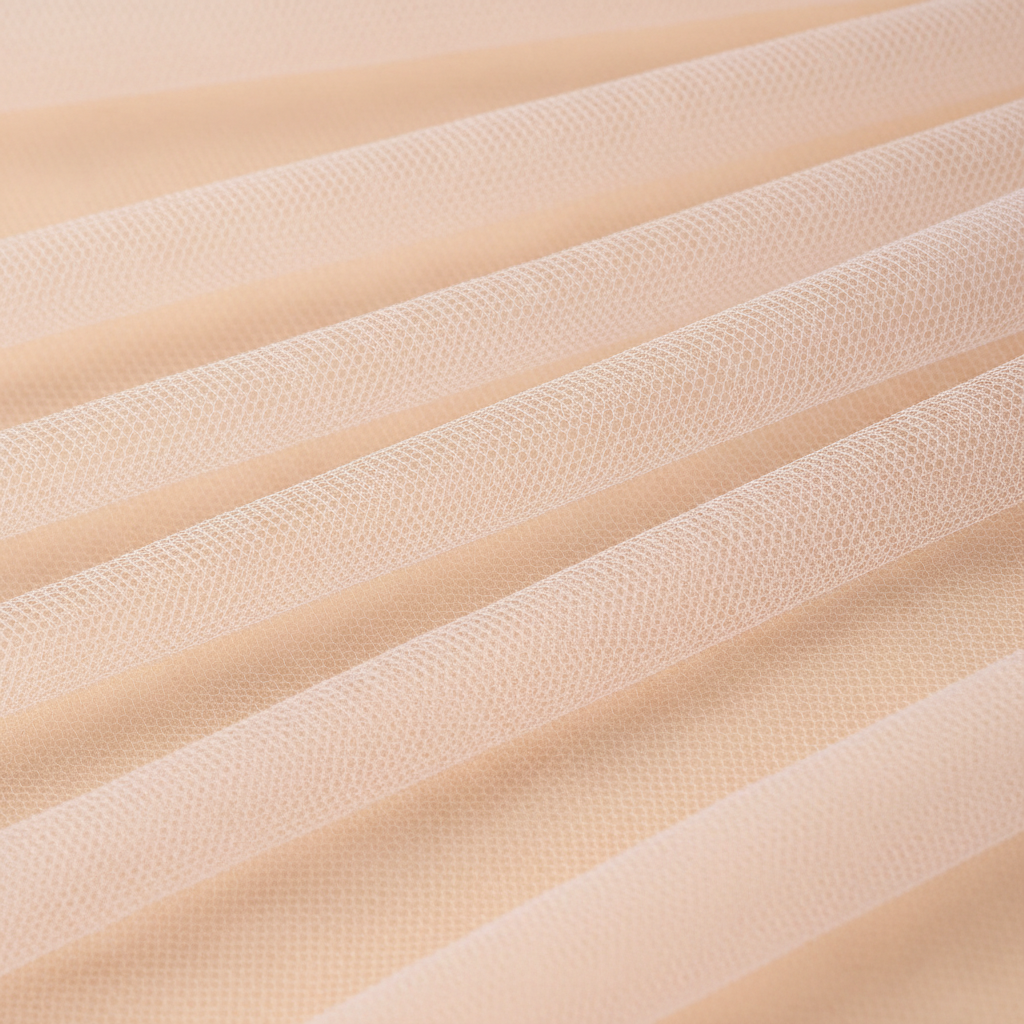
Is illusion mesh truly invisible?
Illusion netting serves best when your design requires near-total transparency for creating floating necklines or invisible sleeves. What’s the real story? This ultra-fine material allows designers to modernize traditional bridal silhouettes with daring transparent panels.
- Invisible transparency for nude effects.
- Strong enough for heavy embroidery support.
- Smooth texture that resists skin snagging.
[Key Takeaway]
| Feature | Performance | |
|---|---|---|
| Visibility | Near Invisible | |
| Strength | Moderate | |
| Gauge | Ultra Fine | |
| Primary Use | Bridal Bodices |
Illusion mesh behaves like a second skin and is the preferred choice for couture bridal gowns featuring floating appliqués.
How does English net compare to types of tulle fabric?
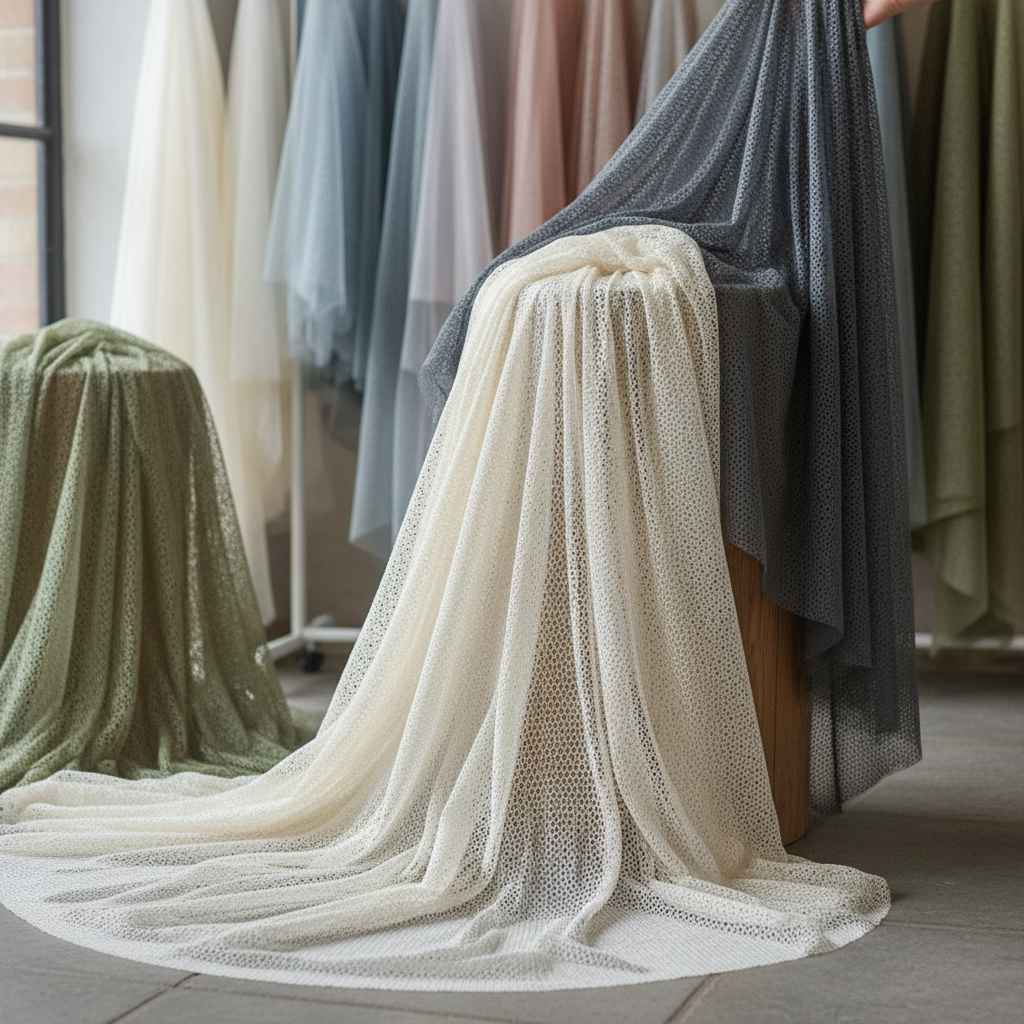
Is English net heavier than nylon?
English net is heavier than standard types of tulle fabric due to its unique cotton-based hexagonal weave. Here’s the kicker, this weight creates a sophisticated, vintage drape that feels more organic than purely synthetic varieties.
- Heavier weight for better structural support.
- Cotton-blend options for a natural feel.
- Excellent base for dense industrial stitching.
[Key Takeaway]
| Attribute | Result | |
|---|---|---|
| Weight | Heavy | |
| Fiber | Cotton/Poly Blend | |
| Surface | Textured | |
| Style | Vintage |
Designers seeking a rustic or heirloom aesthetic choose English net for its tactile quality and superior embroidery stability.
Can stretch types of tulle fabric enhance dancewear?
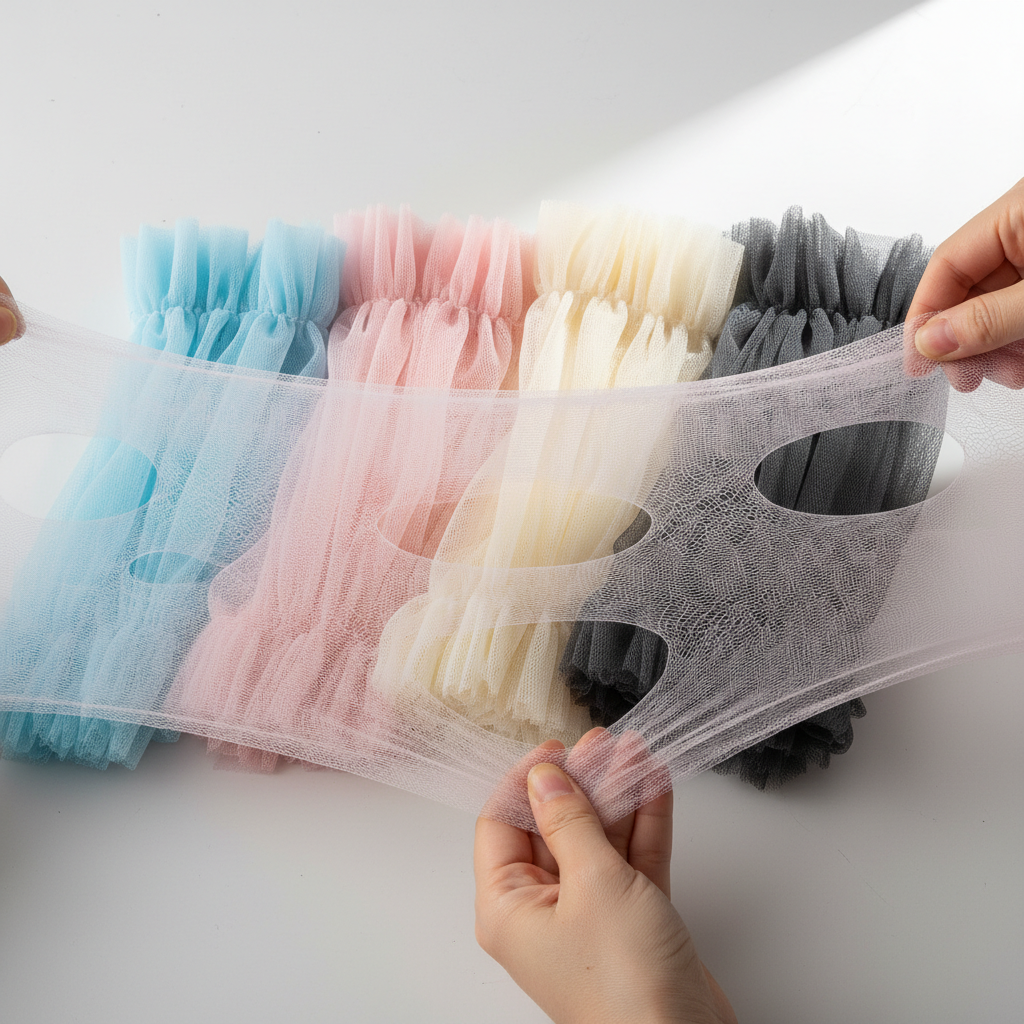
Does stretch mesh prevent tearing?
Stretch netting significantly improves activewear by integrating elastane to allow for the full range of motion required by athletes. Here is the deal, professional dance companies prioritize this fabric because it combines high ventilation with sleek body-hugging aesthetics.
- Instant shape recovery for professional fits.
- Breathable mesh essential for high intensity.
- Resists sagging after repeated washing cycles.
[Key Takeaway]
| Property | Value | |
|---|---|---|
| Stretch Ratio | 4-Way | |
| Recovery | Instant | |
| Breathability | Maximum | |
| Application | Activewear |
Utilizing stretch mesh ensures that high-performance garments maintain their silhouette while providing the flexibility necessary for professional movement.
Why use point d’esprit types of tulle fabric now?
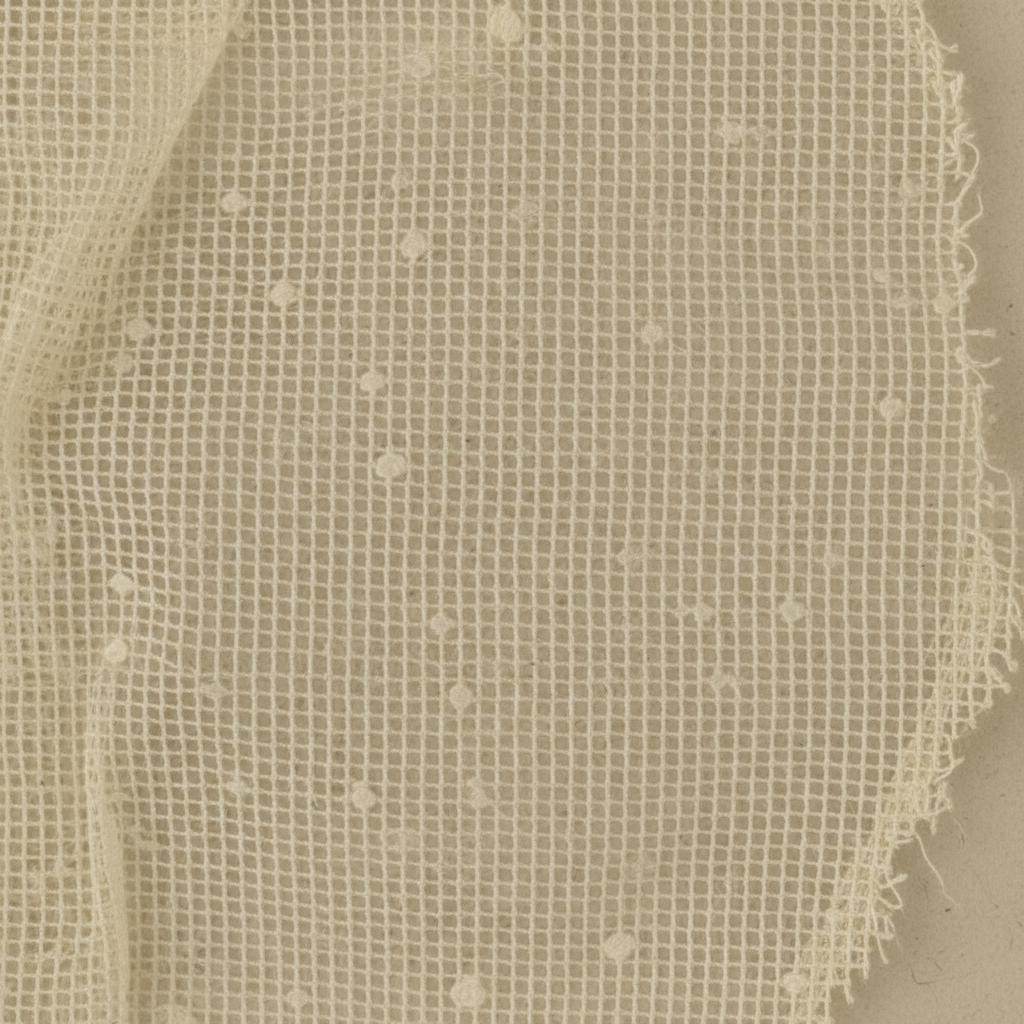
Is point d’esprit still in style?
Point d’esprit remains a classic choice because its pattern of small woven dots adds immediate visual interest to any garment. You might be wondering, this material fits modern styles perfectly by creating beautiful depth when layered over solid contrast fabrics.
- Timeless European dot aesthetic for romance.
- Cost-effective alternative to manual embellishment.
- Ideal for lingerie and delicate veils.
[Key Takeaway]
| Element | Description | |
|---|---|---|
| Pattern | Woven Oval Dots | |
| Vibe | Romantic Vintage | |
| Weight | Light | |
| Best Use | Bridal Veils |
The woven dot pattern offers a romantic texture that eliminates the need for expensive secondary treatments or labor-intensive beadwork.
Which types of tulle fabric offer maximum structure?
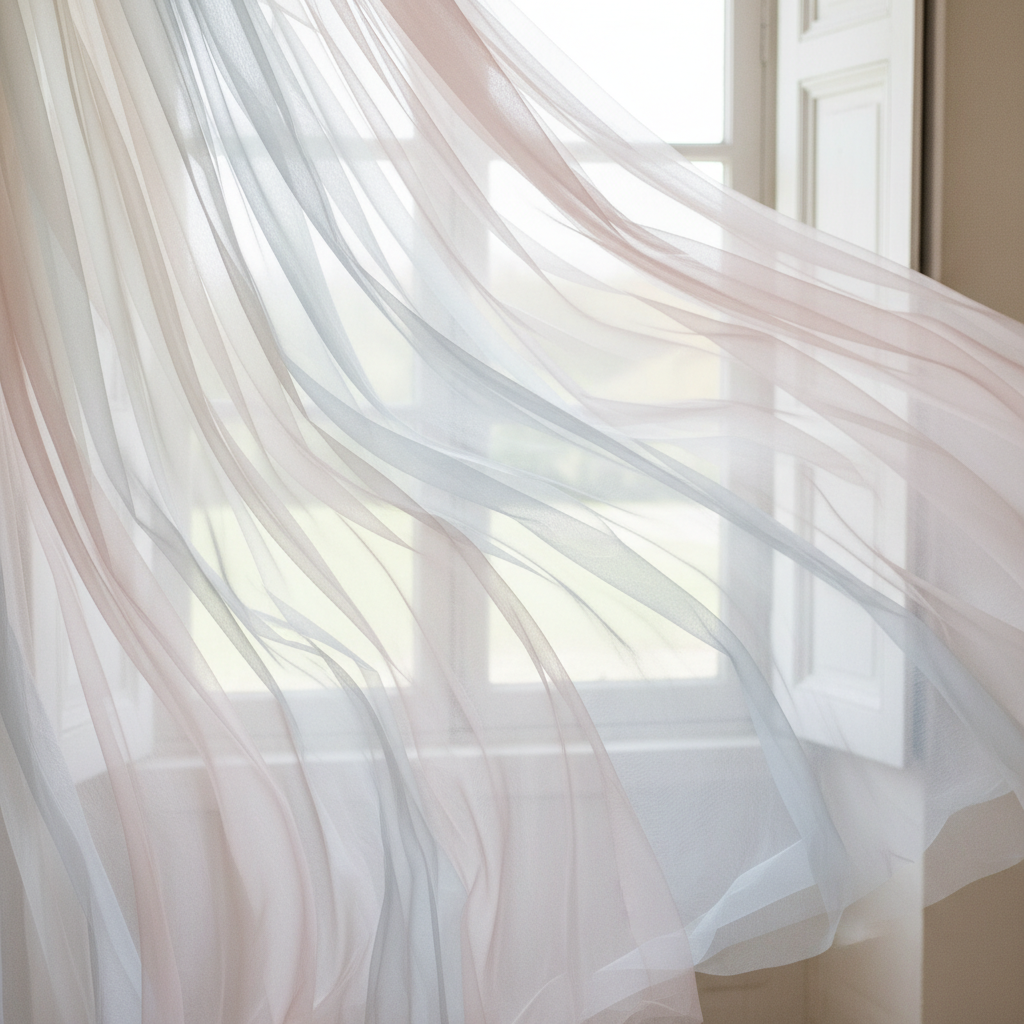
How do I achieve maximum volume?
Stiff hexagonal netting provides the architectural support required for voluminous tutus and gowns that must stand away from the body. Ready for the good part? High-stiffness mesh allows you to achieve massive volume with fewer layers, making the final garment lighter.
- Rigid support for exaggerated high-fashion shapes.
- Resin-coated for permanent loft in humidity.
- Reduces overall garment weight through efficiency.
[Key Takeaway]
| Factor | Rating | |
|---|---|---|
| Rigidity | Maximum | |
| Volume | Extreme | |
| Skin Comfort | Low (Foundation Only) | |
| Utility | Ballgown Support |
Stiffened mesh is the essential foundation for structural garments where maintaining a specific, exaggerated silhouette is the primary design goal.
How to source quality types of tulle fabric online?
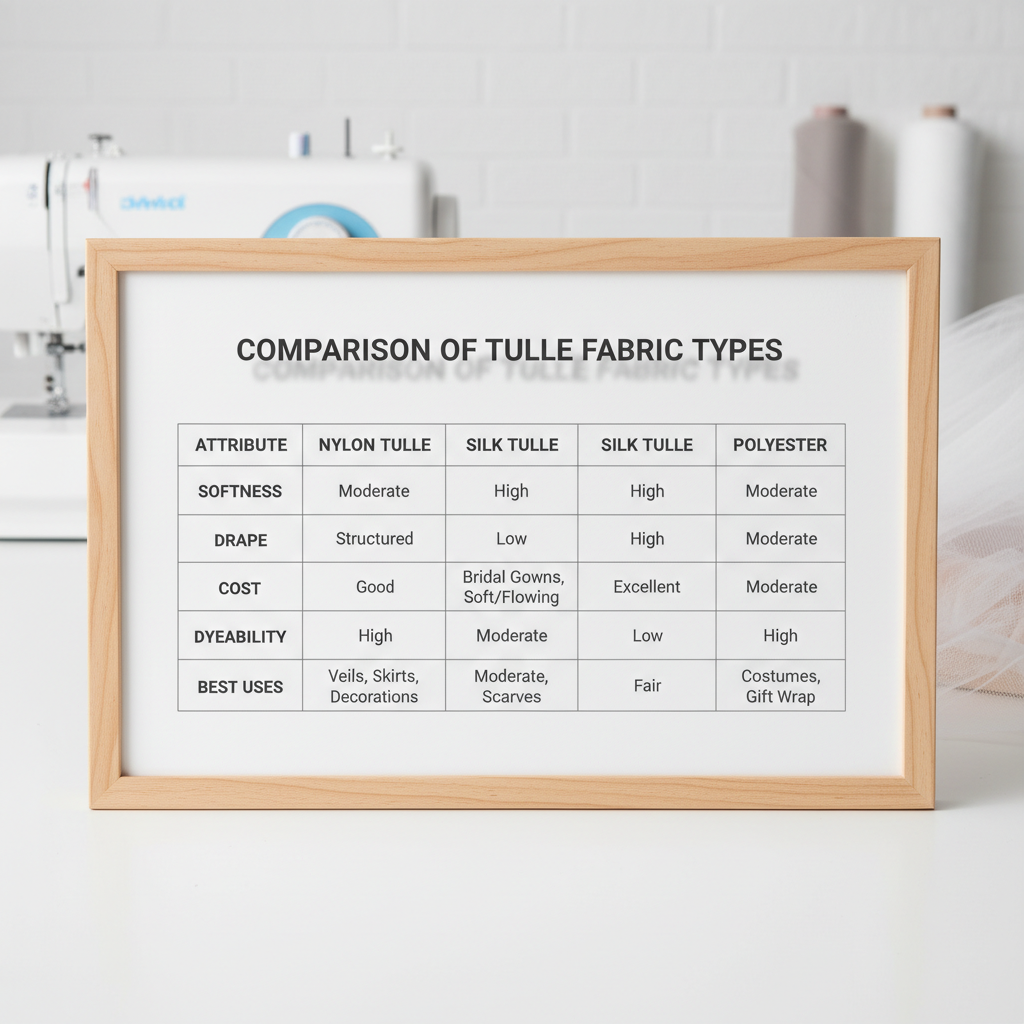
What specifications should I check?
Sourcing quality netting online requires a deep understanding of denier and GSM specifications to ensure the fabric meets your design goals. But here’s the kicker, consistent communication with your supplier prevents costly misunderstandings that lead to production delays and rejected shipments.
- Verify GSM for weight consistency across rolls.
- Check for flame retardancy certificates for safety.
- Audit colorfastness through wash tests before production.
[Key Takeaway]
| Step | Action | |
|---|---|---|
| Sampling | Request Swatch Book | |
| Testing | Tensile and Dye Tests | |
| Certification | Flame Retardant Docs | |
| Logistics | Check Lead Times |
Detailed technical data sheets are vital for verifying that every batch of fabric matches your required professional standards.
Selecting the correct material today secures a more durable and aesthetically stunning product tomorrow for your customers. We recommend evaluating your project’s technical needs against the insights provided in this guide to optimize your production. For expert guidance or exploring our industrial-grade inventory, please contact us today for discussing your bulk requirements with our global sales team.
Frequently Asked Questions
Q1: Can I wash all these materials in a standard machine?Absolutely not, as synthetic varieties like nylon withstand delicate cycles while luxury silk or sparkle mesh require dry cleaning for maintaining integrity.
Q2: How do I cut these fabrics without fraying?Precisely because netting naturally resists fraying due to its stable weave, using sharp rotary cutters or professional shears is the most effective method.
Q3: How do I know if the stiffness will last after shipping?Quality mesh stays treated with resin, which allows it to be compressed for shipping while returning to its rigid state quickly once unpacked.
Q4: What is the best material for a very long wedding veil?Soft Italian or silk mesh is generally preferred because their light weight and fluid drape prevent the veil from feeling excessively heavy.
Q5: Can I dye these fabrics to match custom brand colors?Nylon and polyester appear highly receptive to industrial dyes, though you should always perform a sample test to ensure the color meets standards.