Stiff Tulle That Holds Shape — Not Just on Day One
Your petticoats lose volume after the first wear. Your tutu skirts collapse in storage. Your fabric arrives with an unpleasant smell. These aren't quality issues you should accept — they're engineering problems we've solved.
KARL MAYER Equipment
German Precision Manufacturing
What Is Stiff Tulle?
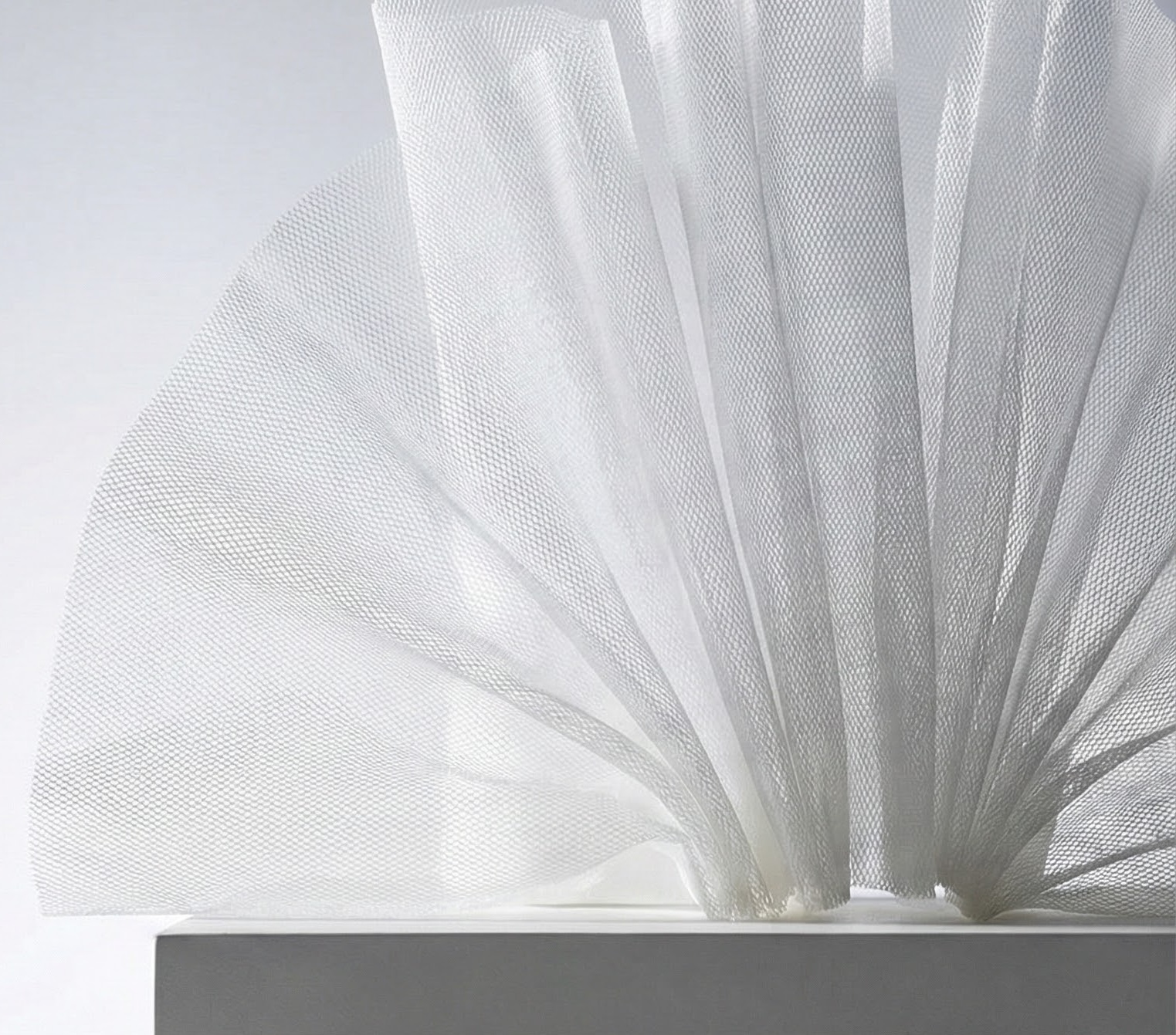
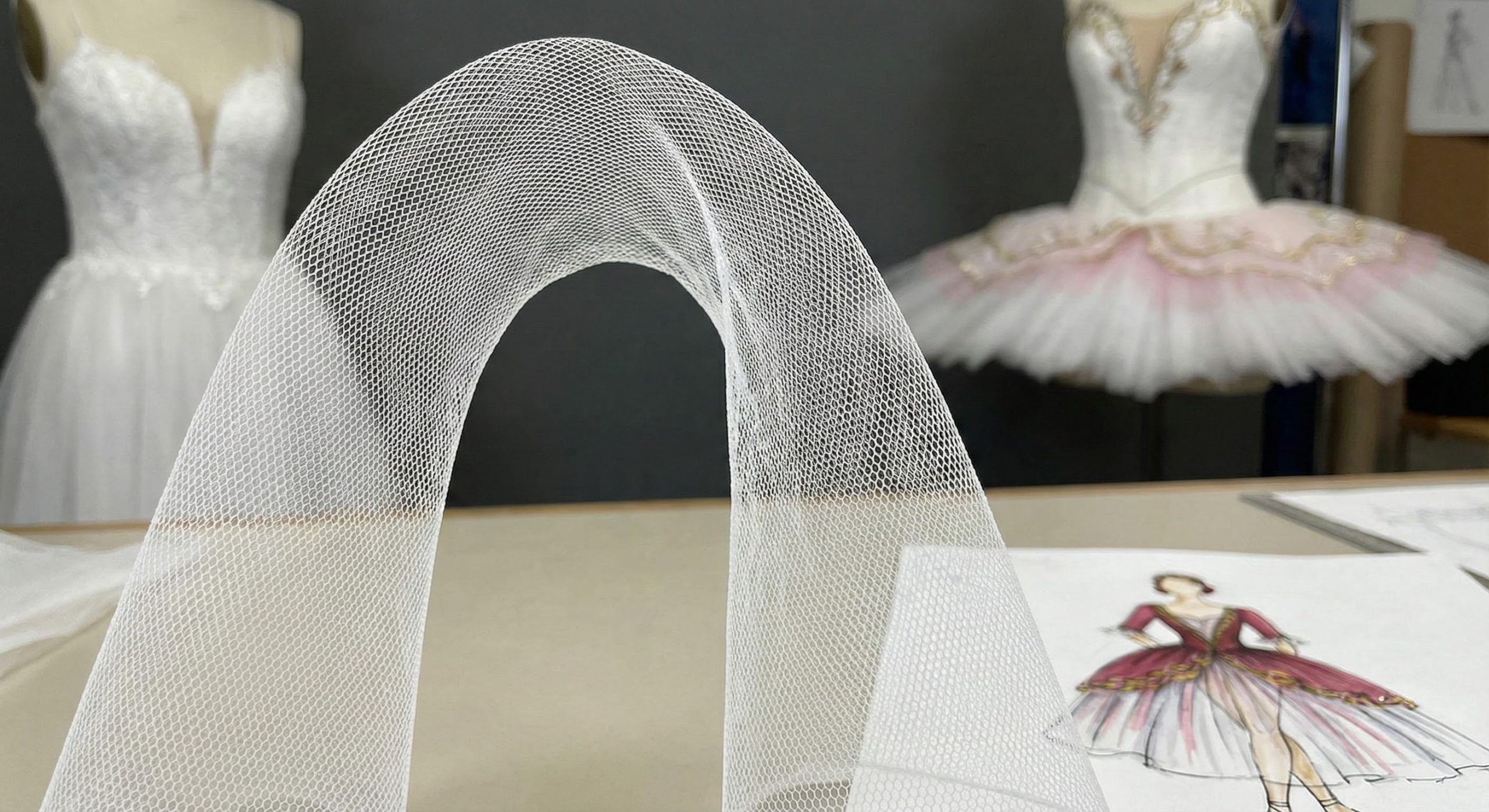
Stiff tulle is a structural fabric engineered to provide lasting support and shape retention. Unlike decorative tulle, it's designed to bear weight and maintain form across repeated use.
Structural Fabric for Professional Applications
Stiff tulle features a precisely engineered hexagonal mesh that creates three-dimensional stability. This construction allows garment makers to achieve dramatic silhouettes in bridal wear, ballet tutus, and theatrical costumes without adding excessive weight.
Multi-Layer Support System
Creates volume through strategic layering while minimizing bulk and weight
Long-Term Shape Memory
Maintains structural integrity through storage, transport, and extended wear
Lightweight Construction
Delivers maximum support with minimal fabric weight for wearer comfort
Understanding the Difference
Soft Tulle
Decorative fabric designed for draping and aesthetic layering. Provides visual effect without structural support.
Stiff Tulle
Structural fabric engineered for support layers. Creates volume and maintains shape under stress.
Crinoline
Heavy-weight netting with maximum stiffness. Often too rigid and bulky for refined applications.
Common Misconceptions Clarified
"Stiff means thick and heavy"
Stiffness comes from structure, not weight
"All stiff tulle scratches skin"
Proper finishing creates smooth edges
"Stiffness fades over time"
Quality tulle maintains shape for years
Need help selecting the right stiffness level for your application?
Consult Our Technical TeamThe Real Problems With Stiff Tulle Today
Most manufacturers face the same four challenges when sourcing stiff tulle. These issues stem from production shortcuts and inconsistent quality standards — problems we've systematically eliminated.
Structure Won't Hold
Petticoats that impress on delivery but flatten within weeks. This structural failure happens when mesh geometry is inconsistent or drying processes leave moisture trapped in the fiber matrix.
Uncomfortable & Odorous
Fabric that scratches skin or carries chemical odors cannot be used in close-body applications. These problems trace back to low-quality finishing processes and inadequate post-treatment.
Batch Inconsistency
Every shipment feels different from the last. Production teams waste time adjusting patterns, and final products lack uniformity. This happens when suppliers lack standardized processes.
Cost Out of Control
Quality stiff tulle seems prohibitively expensive, especially for smaller production runs. High MOQs lock out growing brands, and pricing lacks transparency across the supply chain.
These Four Challenges Share a Common Root
Inconsistent manufacturing processes and outdated equipment create a cycle of quality problems that cost you time, money, and customer trust.
Which of these challenges is impacting your production most?
Tell Us Your SituationHow Structural Support Gets Compromised
When stiff tulle fails to hold its shape, the root cause isn't the material itself — it's how it was manufactured. Understanding these failure points helps you identify quality suppliers and avoid costly production delays.
Three Manufacturing Shortcuts That Destroy Structure
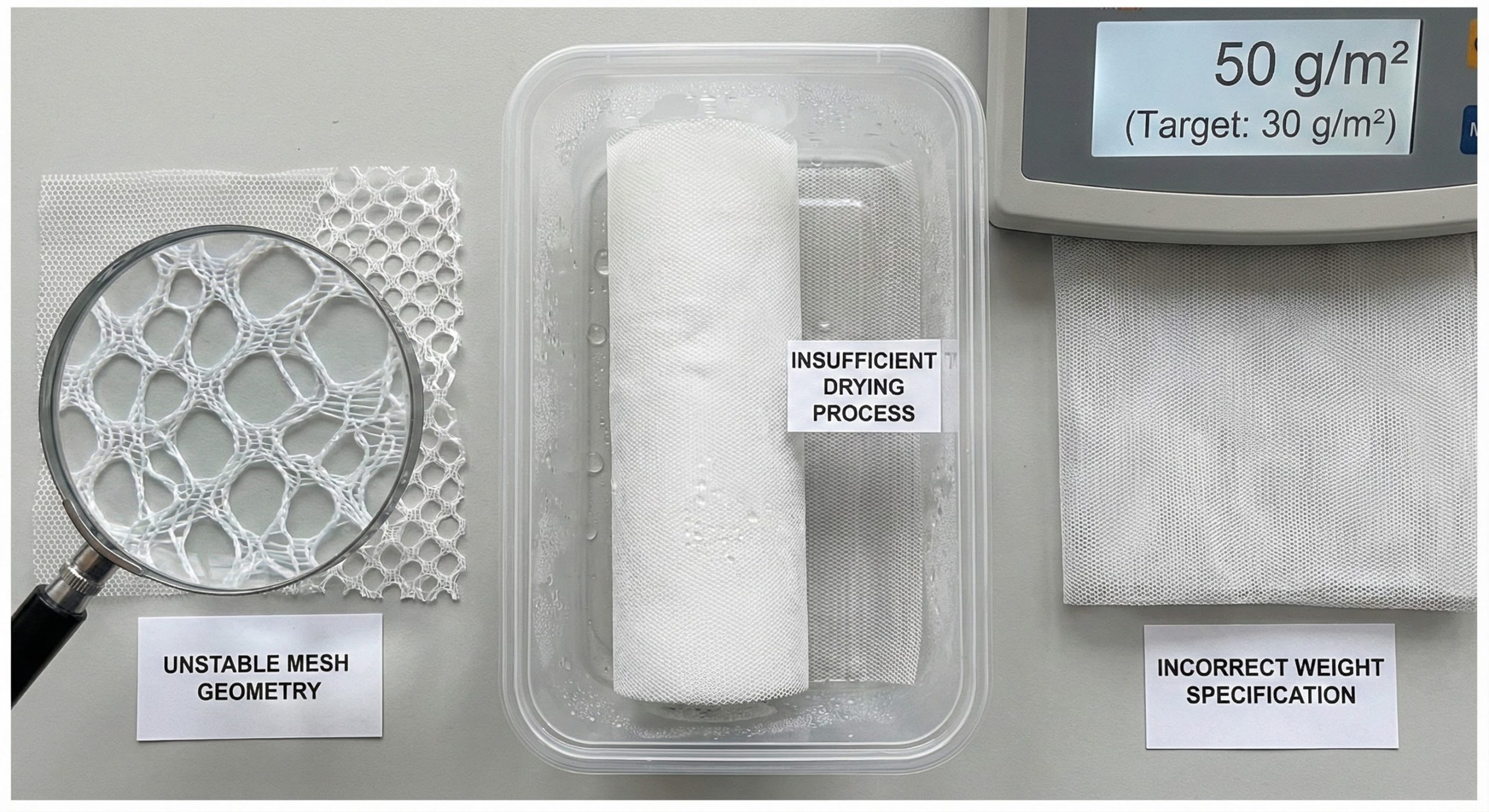
Volume loss and structural collapse trace back to specific production decisions. Factories under cost pressure often cut corners in these three critical areas, delivering fabric that performs well initially but degrades within weeks.
Unstable Mesh Geometry
Inconsistent tension during weaving creates irregular hexagonal openings. These weak points collapse under stress, causing uneven volume distribution and premature sagging.
Insufficient Drying Process
Single-pass drying leaves moisture trapped in fiber cores. This residual moisture softens the stiffening agents over time, especially in humid storage conditions.
Incorrect Weight Specification
Using lighter GSM fabric than the application requires saves material costs but guarantees structural failure. Each use case demands a specific weight range.
The Real Cost of Structural Failure
These manufacturing shortcuts create cascading problems across your operation
Rework & Returns
Finished garments returned for structural reinforcement, doubling labor costs per piece
Production Delays
Waiting for replacement fabric shipments while orders back up and deadlines slip
Customer Loss
End buyers receive products that fail within months, damaging your brand reputation
Experiencing structural issues with your current supplier? Let's diagnose the problem together.
Schedule Technical ConsultationOur Structural Engineering Approach
We've engineered a complete system for lasting structural integrity — from mesh design to weight selection to application-specific recommendations. Every variable is controlled to deliver predictable, reliable support.
Three Mesh Structures, Engineered for Purpose
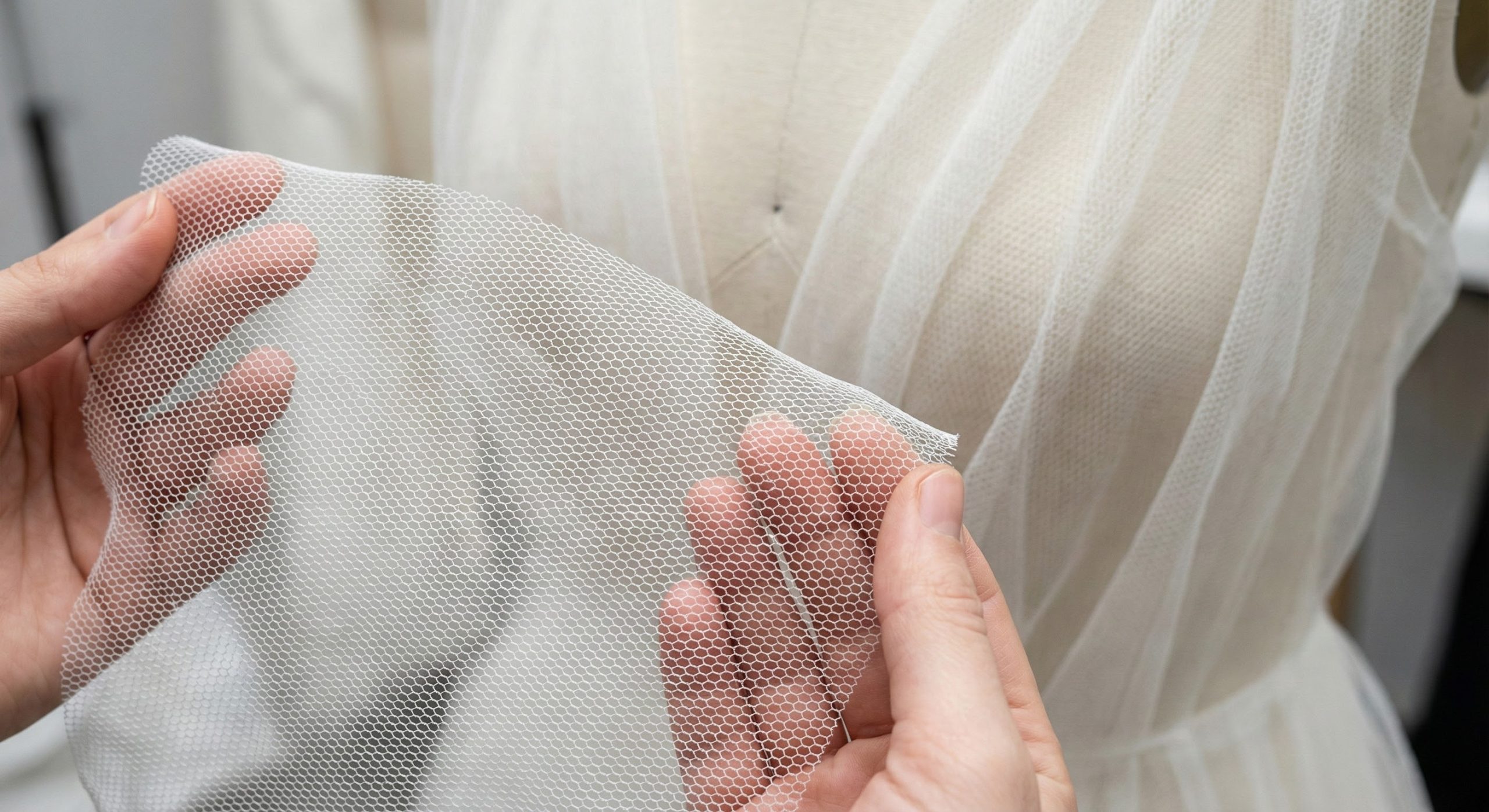
Each mesh pattern delivers specific structural characteristics. Choose based on your support requirements and visual preferences.
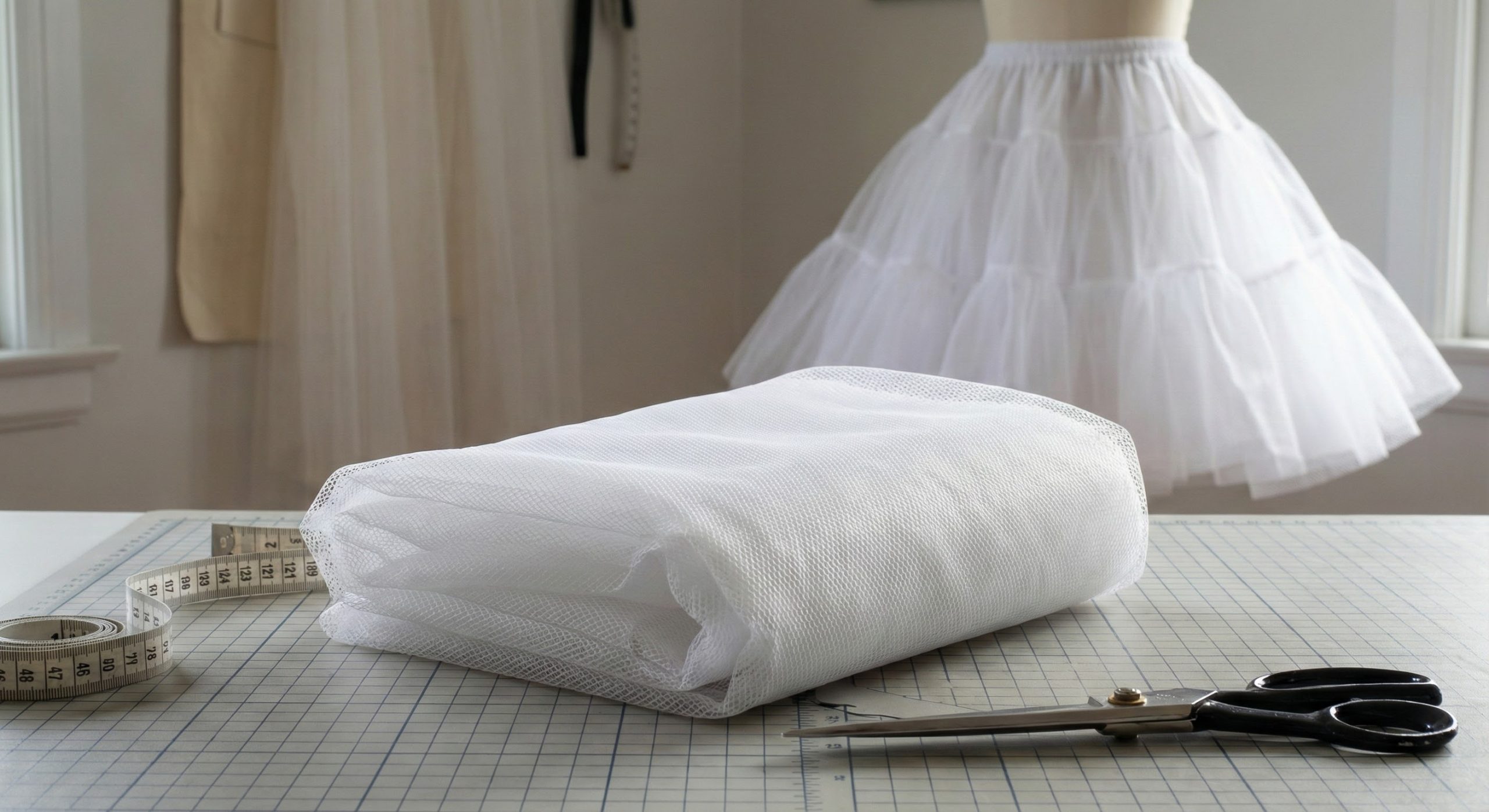
Precision Support
Tighter hexagonal pattern creates smoother surface texture with enhanced stability. Ideal when the tulle layer may be visible or semi-visible in the final product.
Balanced Performance
Our most versatile option balances structural support with weight efficiency. The standard choice for most petticoat and underskirt applications.
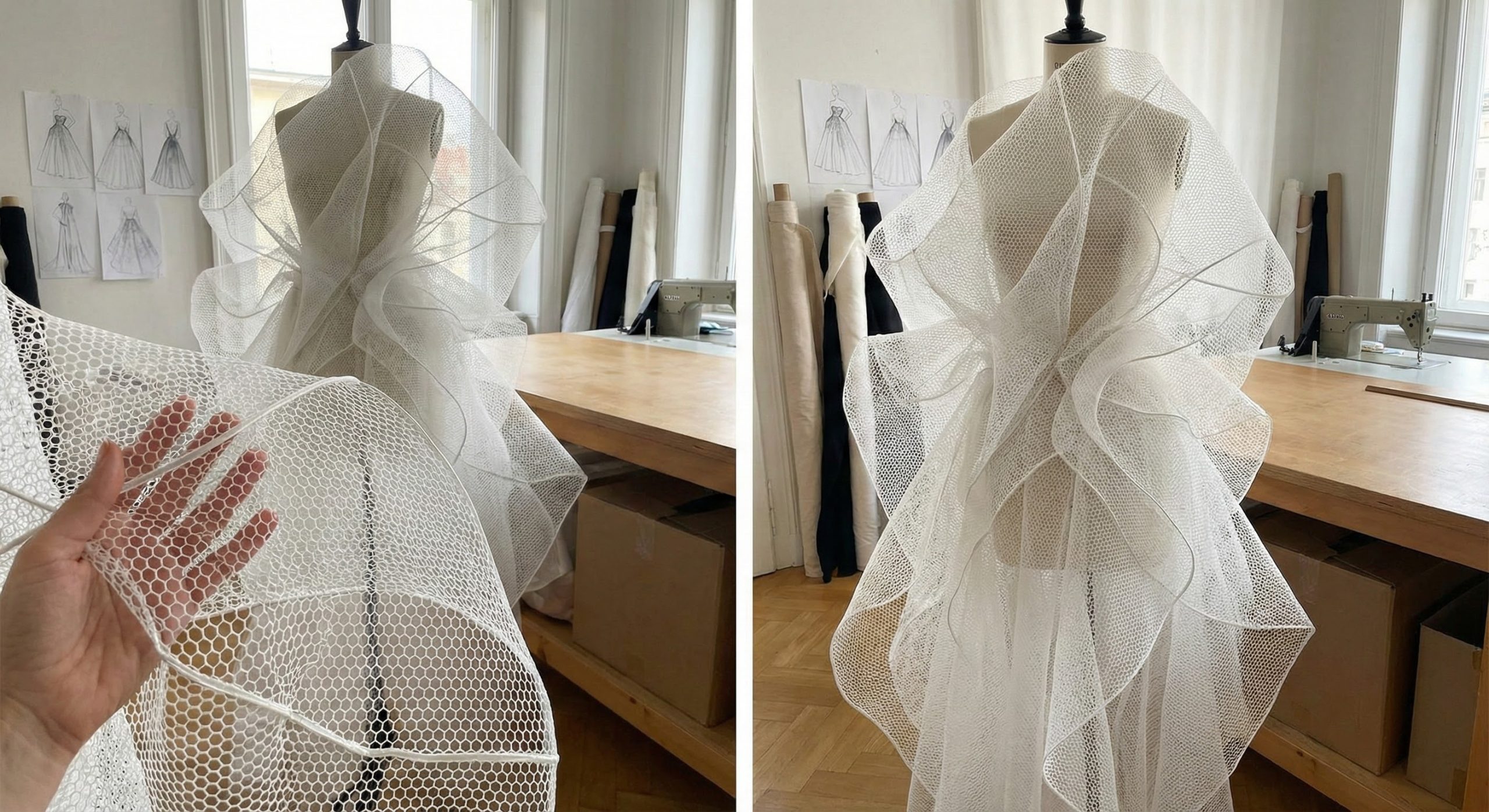
Maximum Volume
Wider openings reduce weight while maintaining strong structural lines. Best for dramatic silhouettes where multiple layers build extreme volume.
Weight Selection Guide
Different applications demand different GSM levels. Use this reference to match weight specifications to your structural requirements.
Engineered for Specific Structural Demands
Petticoat & Underskirt
Multi-layer construction maintains A-line or ball gown silhouettes through extended wear and storage
Tutu & Dance Costume
Horizontal support layers that spring back after movement, maintaining form throughout performance
Stage & Installation
Architectural-grade stiffness for three-dimensional structures that hold shape without armature
Not sure which mesh and weight combination fits your project?
Request Sample SetWhy "Stiff" Often Means Uncomfortable
The stiff tulle industry has normalized problems that should never reach your production floor. Unpleasant odors, scratchy textures, and skin irritation aren't inherent to the material — they're symptoms of inadequate processing.
Three Processing Failures Behind Uncomfortable Fabric
When fabric arrives with chemical odors or rough edges, the manufacturer prioritized speed over finish quality. These shortcuts create immediate problems for close-body applications.
Low-Grade Stiffening Agents
Cheap chemical treatments create the infamous "fishy" smell. These compounds off-gas for weeks, making fabric unsuitable for enclosed retail environments or immediate use.
Single-Pass Drying
One-time drying fails to fully cure the stiffening treatment. Residual chemicals remain active, producing odors and causing skin sensitivity in some wearers.
Unfinished Edge Treatment
Cut edges without heat-sealing create sharp filament ends that scratch skin. This becomes a critical issue in petticoats and any fabric layer touching the body.
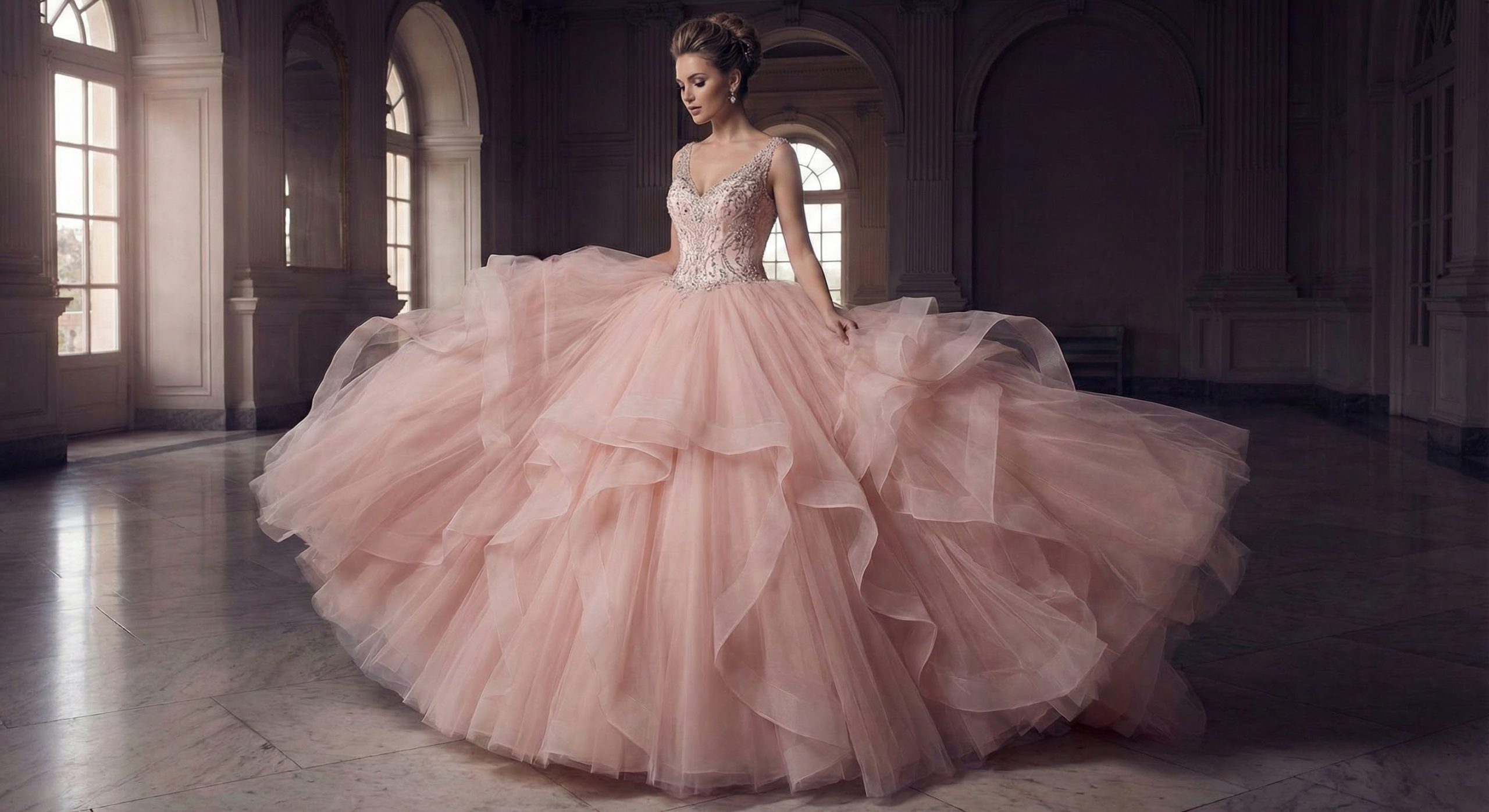
Where These Problems Hurt Most
Certain applications have zero tolerance for odor and texture issues. If you serve these markets, material quality is non-negotiable.
Bridal & Formal Wear
Brides notice every detail. Chemical odors on the wedding day create lasting negative memories associated with your product.
Children's Garments
Parents prioritize safety above all. Scratchy fabric or chemical smells trigger immediate product rejection and returns.
Performance Costumes
Dancers wear costumes for hours under hot stage lights. Any skin irritation affects performance and creates fitting complaints.
Tired of explaining fabric odors to frustrated customers?
See Our SolutionOdor-Free, Skin-Safe Stiff Tulle
We've eliminated the compromise between structural performance and wearer comfort. Our triple-process finishing system delivers stiff tulle that passes the strictest sensory standards for close-body applications.
Dual-Pass Drying
Our two-stage drying process fully cures stiffening agents and eliminates trapped moisture. No chemical residue means no off-gassing and no odor surprises when you open the shipment.
Odor-Controlled Formula
Premium stiffening agents replace the low-grade chemicals that cause fishy smells. Our formula achieves the same structural performance without the sensory problems that plague cheaper alternatives.
Soft-Edge Finishing
Heat-sealed cut edges eliminate sharp filament ends that scratch skin. This finishing step adds processing time but transforms usability for any application where fabric contacts the body.
The Bridal & Children's Wear Conversion Point
In high-sensitivity markets, fabric comfort isn't a feature — it's a requirement. Brides remember every detail of their wedding day. Parents reject any product that might irritate their child's skin. Our odor-free, soft-edge tulle converts these demanding buyers into repeat customers.
Perfect For Sensitivity-Critical Markets
When your end customers have zero tolerance for comfort issues, our processing standards protect your reputation.
Bridal Wear
All-day comfort for the most important dress
Children's Formal
Parent-approved safety for young wearers
Dance Costumes
Performs under stage lights without irritation
Retail Display
No off-gassing in enclosed showroom spaces
Want to test the difference for yourself? Request a sensory sample kit.
Order Sample KitWhere Batch Inconsistency Comes From
Every reorder feels like gambling. Stiffness levels shift, weights vary, colors don't match. These inconsistencies force your production team to constantly readjust — wasting time and creating quality variance in your finished products.
Typical Supplier: Batch-to-Batch Variation
Up to 50% weight variance on same SKU
Three Root Causes of Inconsistency
Multi-Factory Sourcing
Small suppliers subcontract to different factories per order. Each facility has different equipment, different calibration, different results.
Ad-Hoc Process Adjustments
Operators adjust machine settings based on intuition rather than documented standards. Yesterday's settings don't match today's.
No Structural Standards
Without documented specifications for mesh tension, GSM targets, and finishing parameters, "same product" means nothing.
The Hidden Costs of Batch Variance
Tired of re-testing every shipment? See how we guarantee consistency.
View Our SolutionOur Batch Control System
Consistency isn't luck — it's engineering. Our production system combines precision equipment with documented standards and pre-shipment verification to deliver identical results order after order.
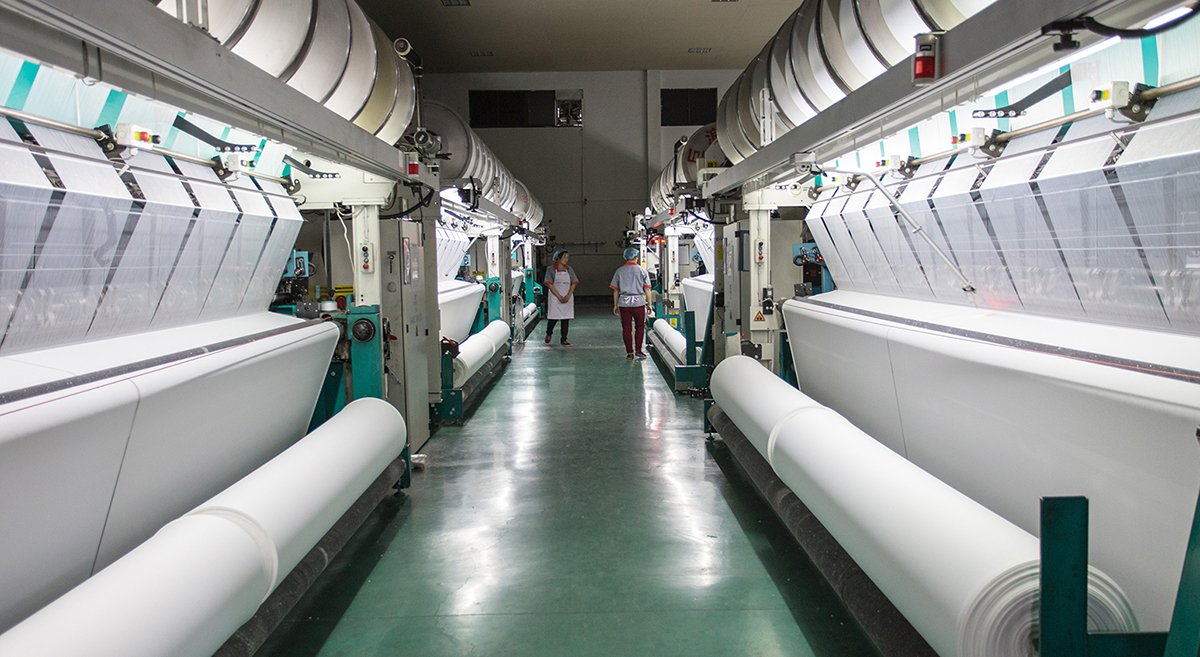
KARL MAYER
German Precision
German KARL MAYER Warp Knitting
Our production runs exclusively on KARL MAYER warp knitting machines — the global standard for precision textile manufacturing. Computer-controlled tension systems maintain exact mesh geometry across millions of meters, eliminating the human error that causes batch variance.
Four-Step Consistency Protocol
Every order follows the same verification pathway to ensure batch-to-batch uniformity.
Recipe Lock
Machine parameters saved digitally for each SKU — tension, speed, temperature, timing
In-Line Testing
Automated GSM and tension checks during production catch variance before it compounds
Bulk Verification
Full batch sampling against reference standards before packaging begins
Pre-Ship QC
Final comparison to your approved sample with documented test results
Same Specs, Every Shipment — Guaranteed
We maintain reference samples for every SKU you order. Each bulk shipment is tested against your approved standard before release. If a batch doesn't match specification, we reproduce it at no additional cost. Your production team can rely on consistent inputs without re-testing every delivery.
Ready for predictable quality on every order?
Start With a Test OrderWhy Quality Stiff Tulle Seems Too Expensive
You've found suppliers with great samples, but the pricing doesn't work. MOQs force you to over-order. Unit costs eat your margins. This isn't because quality is inherently expensive — it's because most suppliers operate inefficiently.
Three Factors Inflating Your Costs
Traditional stiff tulle pricing reflects outdated production methods and fragmented supply chains. Understanding these cost drivers reveals opportunities for significant savings.
Inefficient Production Lines
Older equipment runs slower, wastes more material, and requires more manual intervention — costs passed directly to you.
Non-Replicable Processes
Without documented standards, every production run requires setup from scratch. This hidden time cost inflates your per-unit price.
Artificially High MOQs
Suppliers set high minimums to offset their inefficiency. You're forced to order more than needed, tying up capital in inventory.
Typical Cost Breakdown: Where Your Money Goes
25% of your cost is pure waste from inefficiency
How High Costs Limit Your Business
Can't Test New Products
High MOQs prevent small trial runs for new designs. You're stuck with proven sellers, missing market opportunities.
Margin Pressure
Material costs eat into profits, forcing price increases that make you less competitive in your market.
Capital Tied in Inventory
Over-ordering to meet MOQs locks cash in fabric sitting on shelves instead of growing your business.
Believe quality should be accessible at fair prices? So do we.
See Our Pricing ApproachLow Cost ≠ Low Standard
Quality stiff tulle doesn't have to break your budget. Our specialized production system eliminates the inefficiencies that inflate traditional pricing, delivering premium performance at accessible price points.
Our Philosophy: Efficiency Funds Quality
We don't cut corners on materials or processing to lower prices. Instead, we've invested in modern equipment, documented processes, and dedicated production lines that eliminate waste and rework. These efficiency gains translate directly to better pricing for you — without compromising the structural performance your products require.
Dedicated Production Lines
Our structural tulle runs on specialized equipment optimized for this product category. No changeover time, no calibration drift, no learning curve waste.
Structural Tulle at Scale
We've built volume in this specific category, achieving economies of scale that boutique suppliers can't match. Volume efficiency benefits every order size.
Flexible MOQ Structure
Our efficiency allows us to accept smaller orders profitably. You can test new products, serve niche markets, and manage inventory without forced over-ordering.
Cost Structure Comparison
Flexible MOQ Options
Order sizes that match your actual needs
Ready to see real pricing for your specific requirements?
Request Custom QuoteWhere Stiff Tulle Performs
Our structural tulle serves industries far beyond traditional bridal. Wherever three-dimensional shape and lasting support matter, our fabric delivers predictable, professional results.
Core Applications
These categories represent the majority of our production volume, with proven specifications for each use case.
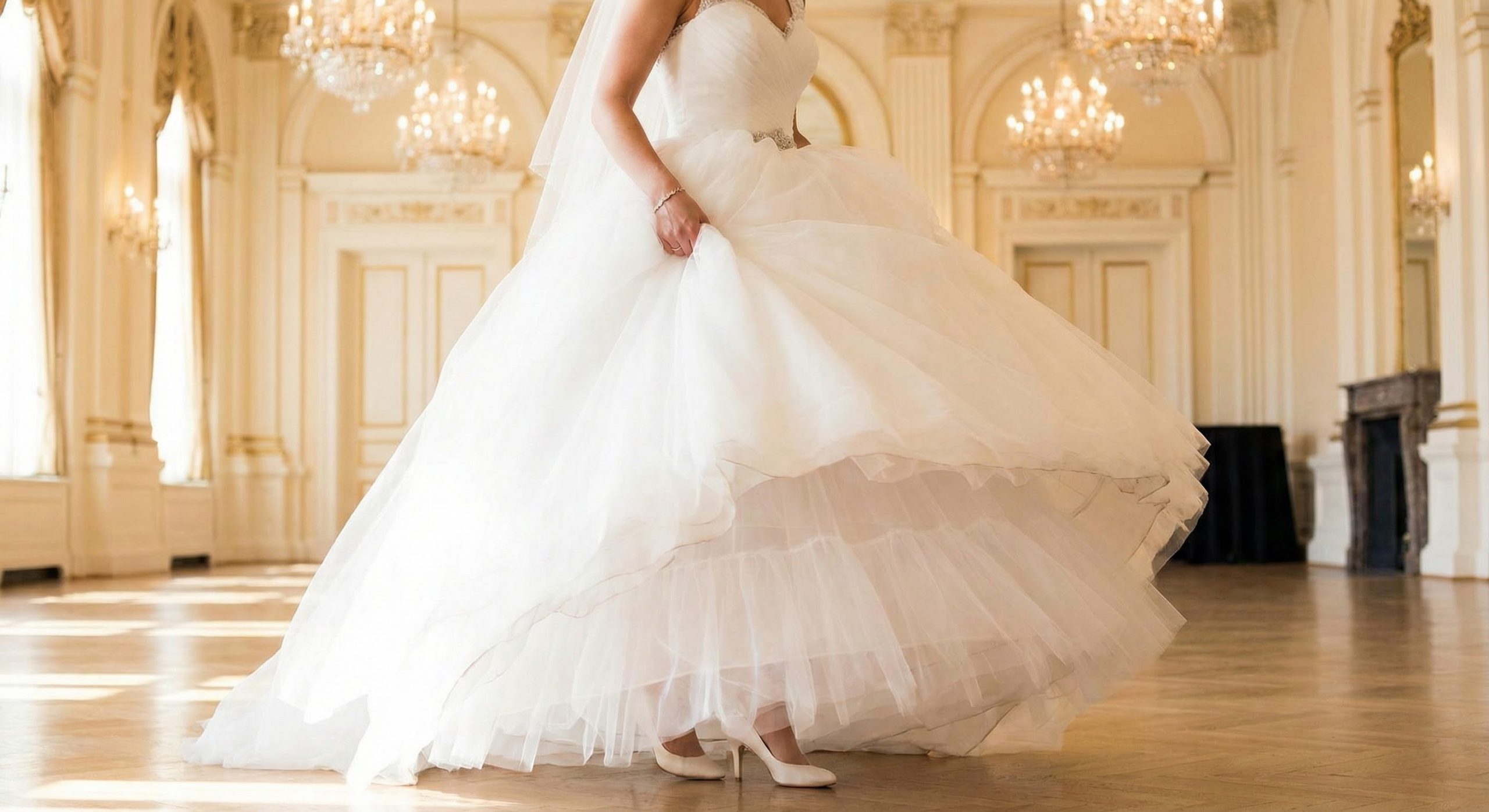
Bridal & Formal Petticoats
Multi-layer underskirts that maintain ball gown silhouettes through ceremonies, receptions, and beyond. Our tulle holds volume without adding uncomfortable bulk.
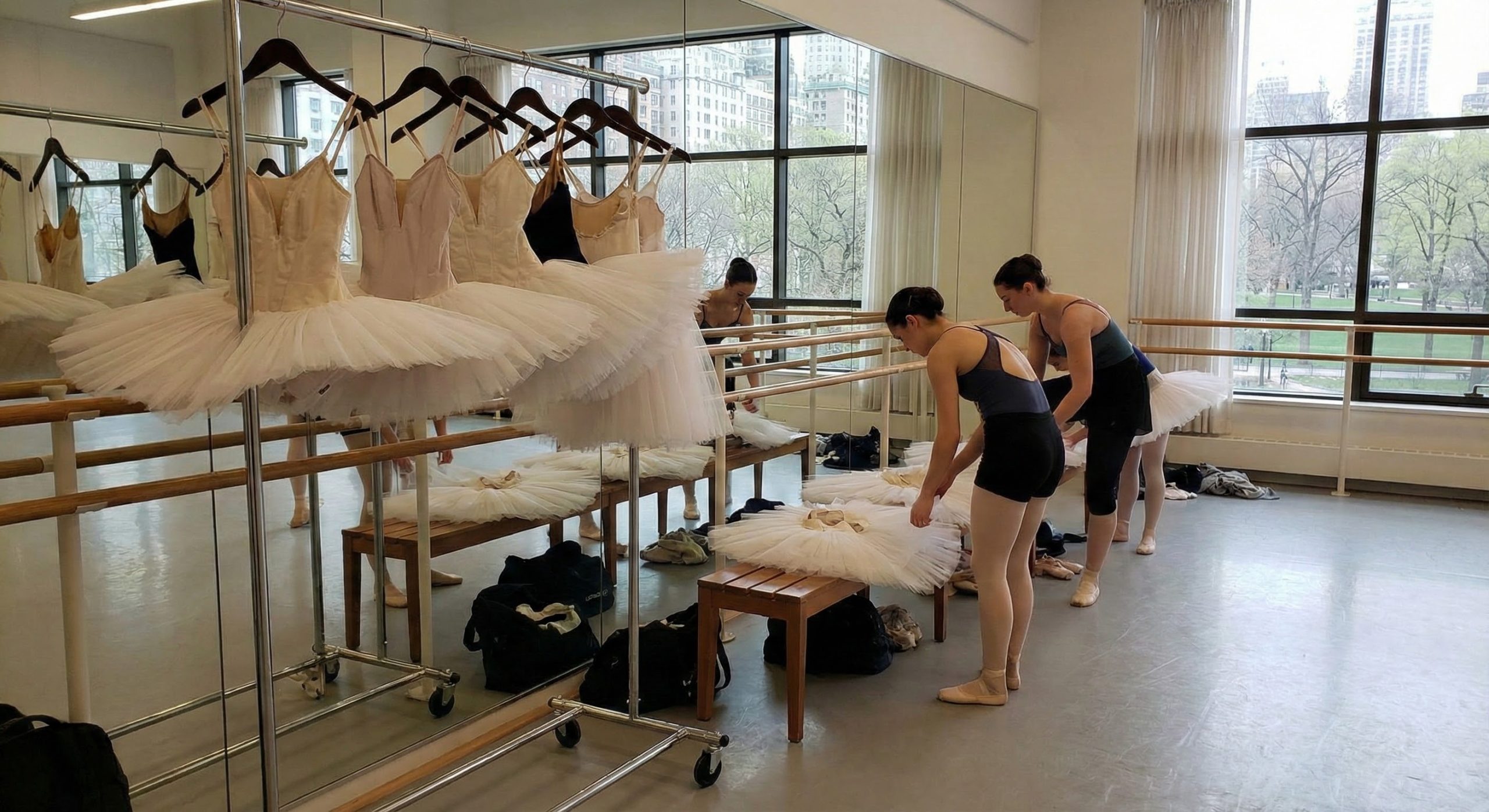
Ballet Tutus & Dance Costumes
Horizontal support layers that spring back after every movement. Performance-grade stiffness for professional companies and dance academies worldwide.
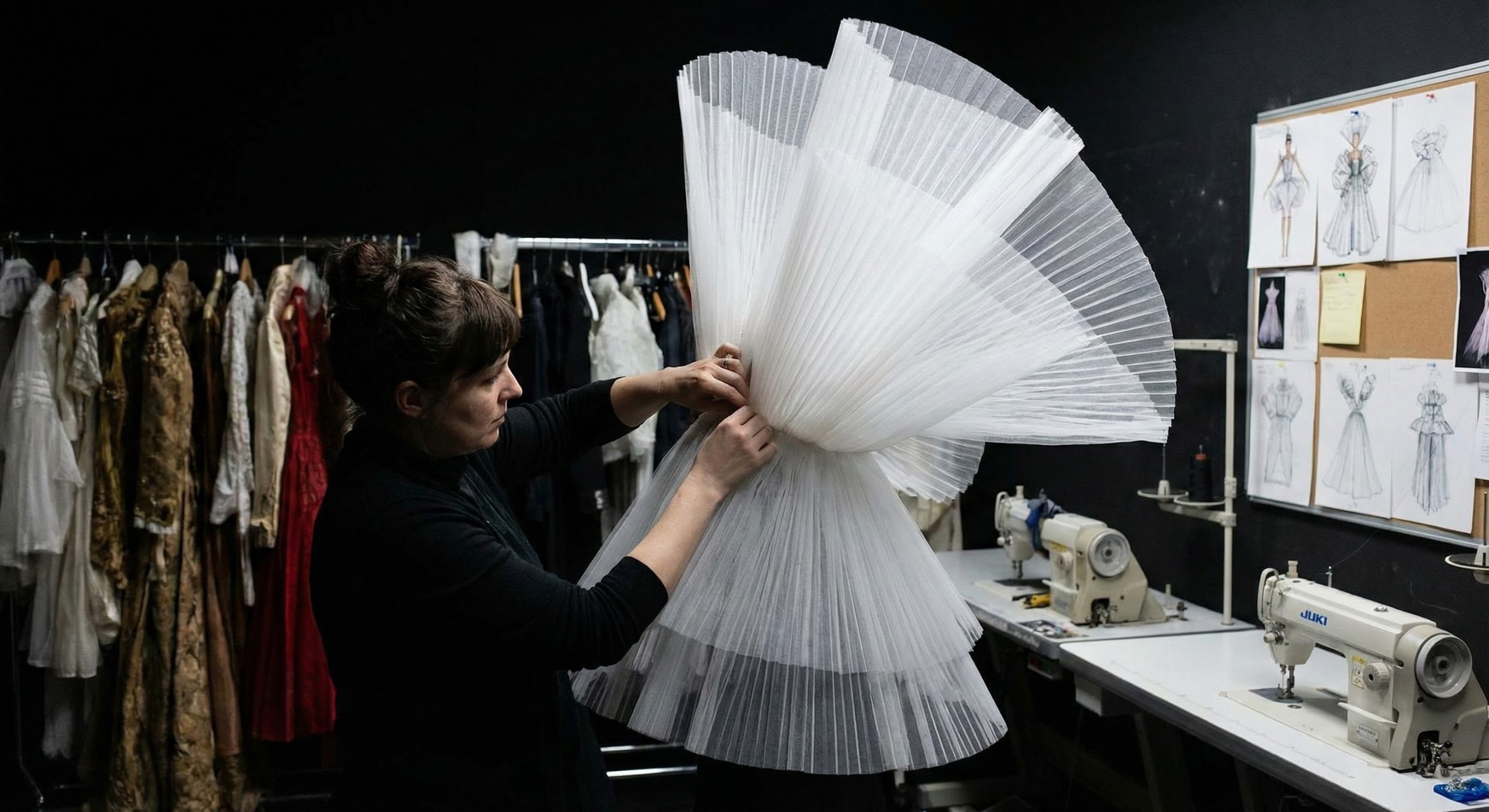
Theatrical & Stage Productions
Dramatic costume structures that read from the back row. Heavy-duty construction for touring shows where durability matches visual impact.
Expanded Applications
Beyond fashion and performance, structural tulle solves three-dimensional challenges across diverse industries.
Window Display
Retail installations & visual merchandising
Exhibition Structures
Trade show booths & event architecture
Photography Props
Studio backgrounds & styled shoots
Bag & Hat Shaping
Internal structure for accessories
Home Décor
Decorative structures & lampshades
Children's Costumes
Recital & party dress support
Have a unique application? We'll help you find the right specification.
Discuss Your ProjectWho We Work Best With
Our products and processes are optimized for specific buyer profiles. We want to be transparent about where we add the most value — and where other suppliers might serve you better.
Ideal Customers
Structure-Critical Applications
You need fabric that maintains shape over time, not just on day one. Structural performance is non-negotiable.
Predictable Quality Requirements
You value consistency across orders. Your production relies on stable inputs to maintain product standards.
Professional Manufacturing Operations
You're a factory, workshop, or brand with ongoing production needs — not one-time craft projects.
Long-Term Partnership Mindset
You're looking for a reliable supplier relationship, not just the lowest spot-market price.
Not The Best Fit
Soft Drape Priority
If you need flowing, delicate fabric with minimal body, soft tulle or illusion is a better choice.
Extreme Budget Constraints
If absolute lowest cost matters more than performance, we're probably not the cheapest option available.
Retail/Consumer Purchases
We're set up for B2B wholesale, not small retail quantities for individual consumers.
One-Time Craft Projects
For single DIY projects, local craft stores offer more convenient small-quantity access.
Looking for soft tulle instead?
View Soft Tulle OptionsSound like a match? Let's start the conversation.
Check If We're Right For YouRelated Resources
Dive deeper into specific topics with our case studies and industry analysis. All content is organized around the same four core challenges you've seen on this page.
Case Studies
Real-world examples of how manufacturers solved specific challenges with our stiff tulle. Filterable by the problem they addressed.
Industry Analysis
Deep dives into why these problems exist across the stiff tulle industry, and the systemic factors that perpetuate them.
Product Category Navigation
Explore our complete structural fabric range
Can't find what you need? Our team can guide you.
Ask Our Product ExpertsWhich Challenge Are You Facing?
Tell us about your structural tulle requirements. Our technical team will analyze your needs and recommend the right specification within 24 hours.
What's Your Primary Concern?
Select all that apply — we'll address each one
Structure collapses or loses volume over time
Fabric has odor or uncomfortable hand feel
Batch-to-batch quality varies too much
Cost too high or MOQ doesn't fit my needs
Pro tip: The more detail you provide about your challenges, the more precisely we can match you with the right fabric specification.
Request Consultation
Get expert recommendations within 24 hours
Prefer to reach us directly?