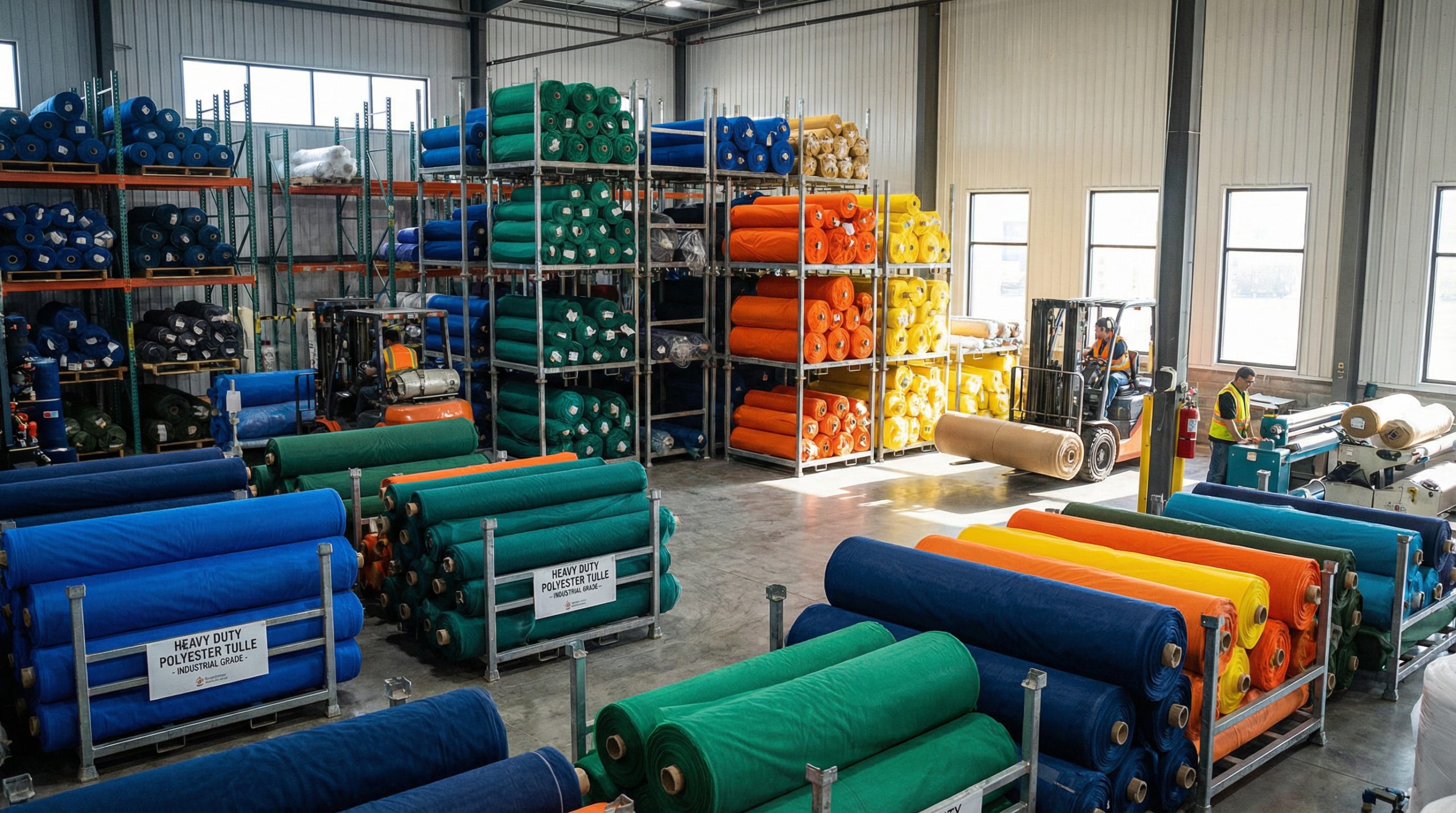
Tulle is a fine, lightweight netting often used for garments that require volume, transparency, or delicate structural support. Choosing the wrong grade of netting leads to garments that sag, irritate the skin, or look inexpensive under professional studio lighting. For B2B buyers and designers, these mistakes don’t just compromise aesthetics—they lead to wasted material costs and delayed production timelines. By mastering the technical nuances of professional-grade materials, you can ensure that every yard purchased aligns perfectly with your brand’s quality standards. You may find yourself asking what is tutu material called when sourcing these specific fabrics for your next high-end collection.
Why are ethereal layers popular in modern design?
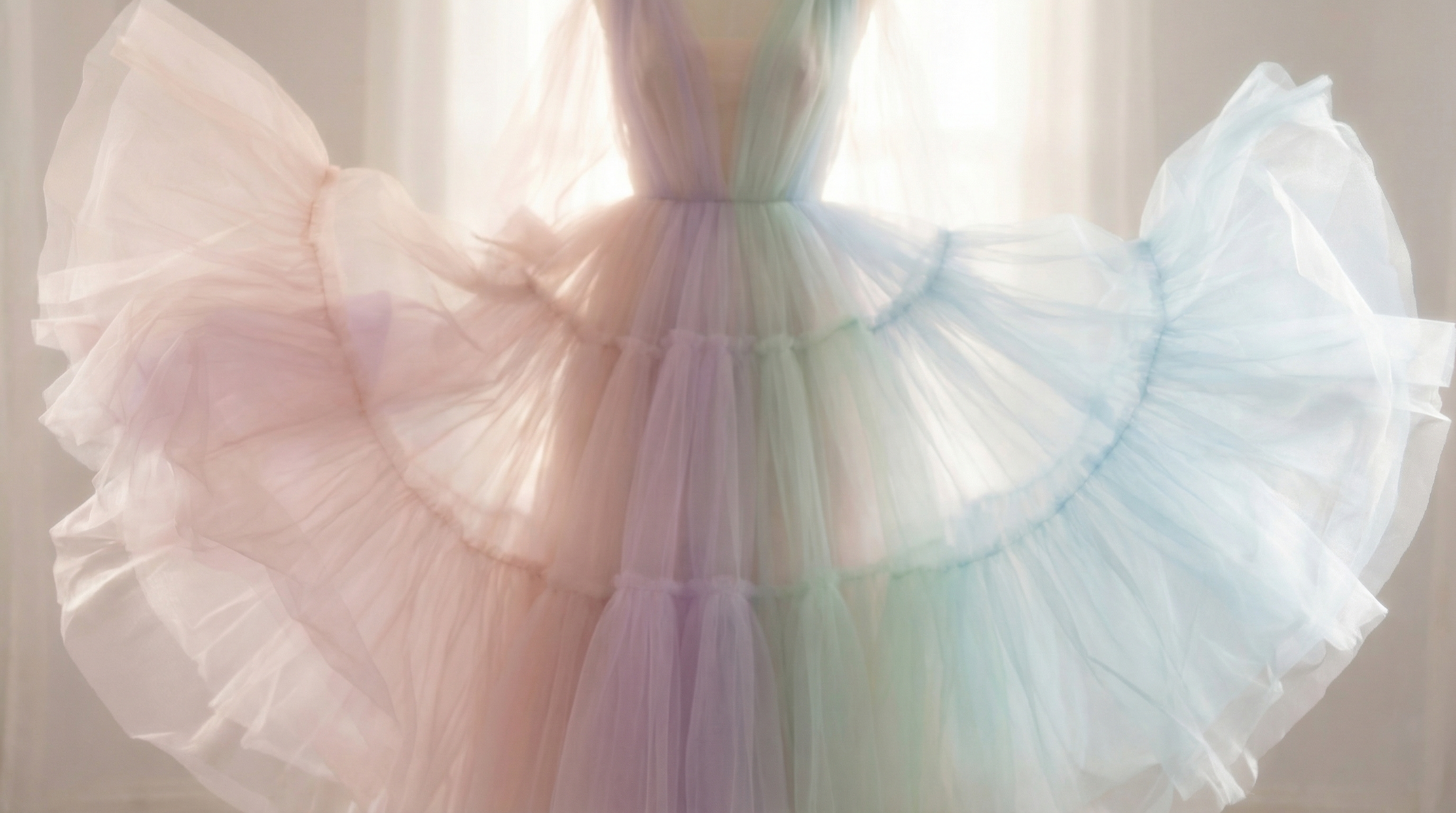
Ethereal layers are popular because they provide a “cloud-like” volume without adding significant weight to a garment. When designers inquire about what is tutu material called , they are often looking for soft, multi-layered solutions for evening wear. These layers allow for high-impact silhouettes that remain comfortable for the wearer throughout the day.
Do pastel shades enhance garment depth?
Pastel shades enhance depth by allowing light to filter through multiple layers of varying tones. This creates a multidimensional effect that is highly sought after in modern bridal and prom collections.
Here is the truth:
- Pastel layers hide structural seams.
- They soften the overall silhouette.
- Multiple tones create a “watercolor” aesthetic.
Is layering more efficient than using heavy fabrics?
Layering is more efficient because it creates volume through air trapped between the mesh rather than material weight. This allows you to build architectural shapes that stay upright without the need for heavy boning or wire.
Key Takeaway: Soft tulle layering is the primary choice for creating volume in modern evening wear without compromising the fluidity of the garment.
| Metric | Soft Tulle | Standard Net | |
|---|---|---|---|
| Drape | Fluid | Stiff | |
| Weight | Ultra-light | Light | |
| Comfort | High | Medium |
The following data explores how layering techniques impact the final drape and visual weight of luxury gowns.
Is silk tulle worth the investment for couture?
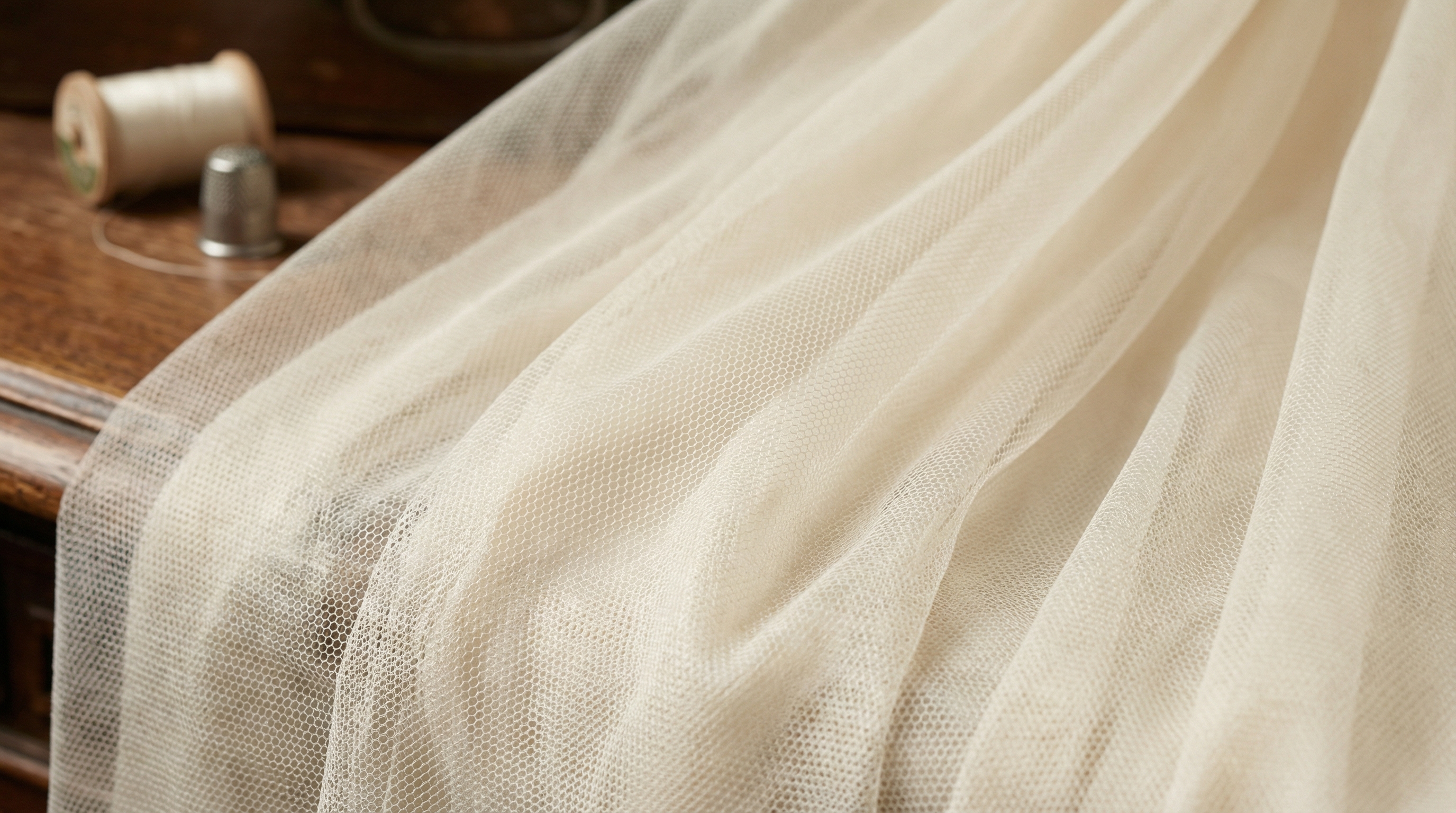
Silk tulle is worth the investment for couture because it offers a liquid-like drape and breathability that synthetic fibers cannot replicate. While you may wonder what is tutu material called in the context of high-performance ballet, silk remains the gold standard for luxury veils. This fabric is prized by high-end clients who demand the most prestigious materials for their bespoke orders.
Does silk tulle improve breathability?
Silk tulle improves breathability because it is a natural protein fiber that allows for superior air circulation against the skin. Unlike nylon, silk helps regulate body temperature, making it ideal for summer bridal events.
The fact is:
- It feels cooler in warm climates.
- It reduces skin irritation for sensitive clients.
- The fabric moves naturally with the body.
Why is French silk weave different from others?
French silk weave is different because it typically features a much finer and smoother structure than standard industrial netting. This minute weave ensures that the fabric is almost invisible when draped over other luxury textiles.
Key Takeaway: Silk tulle provides a level of prestige and comfort that makes it essential for high-end couture and luxury bridal veils.
| Feature | French Silk | English Net | |
|---|---|---|---|
| Texture | Ultra-smooth | Slightly textured | |
| Elasticity | Low | Low | |
| Sheerness | Very High | High |
This comparison highlights why elite designers prioritize specific silk weaves for their most exclusive runway pieces.
How does polyester tulle handle industrial usage?
Polyester tulle handles industrial usage exceptionally well due to its inherent strength and resistance to moisture. When procurement teams ask what is tutu material called for large-scale event decor, polyester is usually the answer because of its cost-effectiveness. It is significantly more robust than silk and resists snagging during installation.
Is polyester best for large-scale events?
Polyester is the best choice for large events because it can be produced in massive quantities while maintaining color consistency. It is ideal for ceiling swags, table runners, and outdoor installations that require durability.
Consider this:
- It resists mildew and rot.
- It holds vibrant dyes better than natural fibers.
- The material is difficult to tear under tension.
Can industrial tulle meet safety standards?
Industrial polyester tulle can meet safety standards through specialized flame-retardant coatings applied during the manufacturing process. These treatments are mandatory for fabrics used in public commercial spaces and trade shows.
Key Takeaway: Polyester is the most economical and durable option for commercial applications that require both safety compliance and structural resilience.
| Application | Polyester Tulle | Nylon Tulle | |
|---|---|---|---|
| Event Decor | Excellent | Good | |
| Safety Certs | High | Medium | |
| Bulk Cost | Low | Medium |
Industrial standards require a rigorous assessment of material performance under various environmental stressors and safety protocols.
Why is illusion tulle the choice for bridal veils?
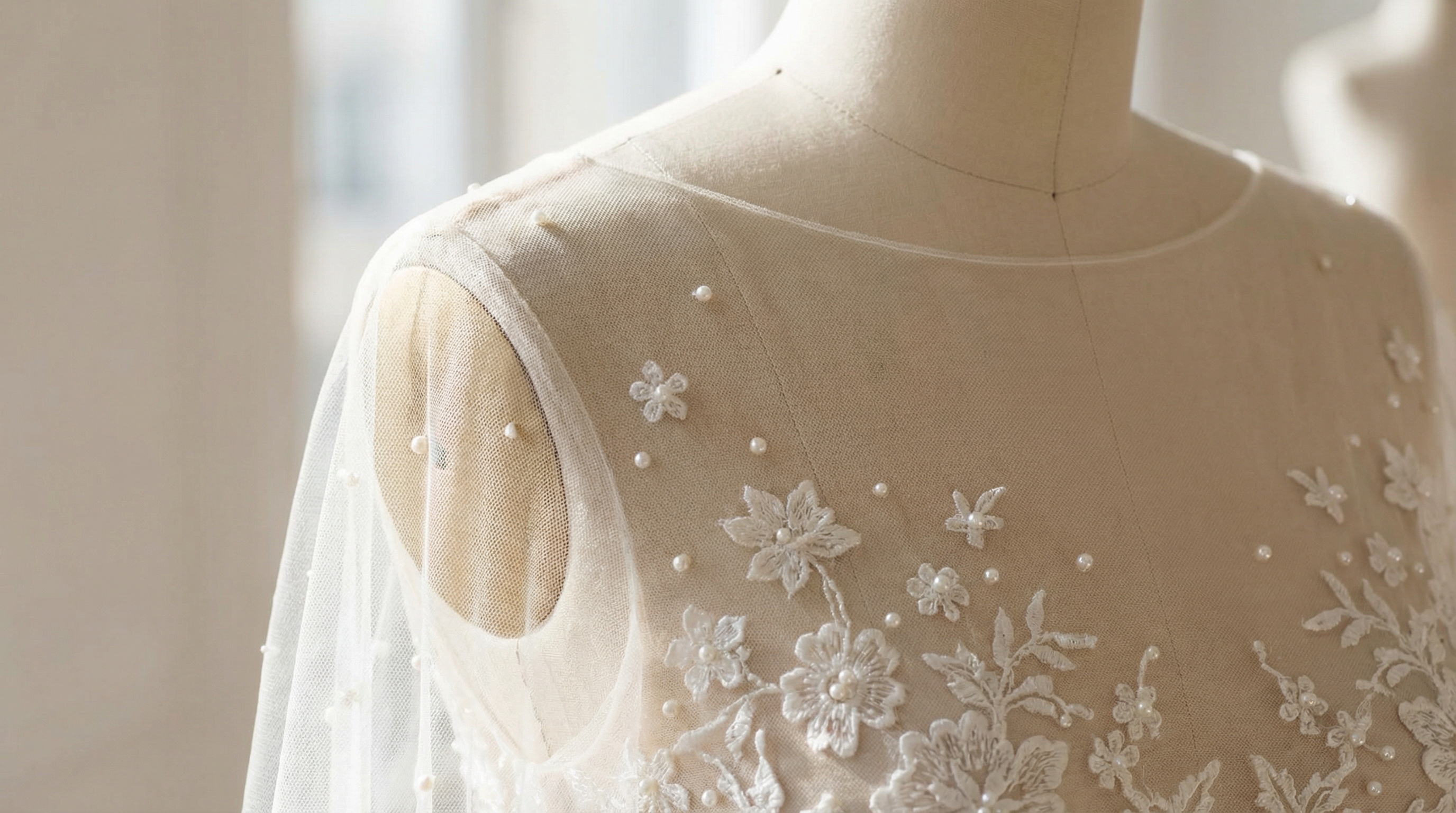
Illusion tulle is the preferred choice for bridal veils because it is engineered with an ultra-fine denier yarn that becomes virtually invisible against the skin. Professionals often ask what is tutu material called when they need structure, but for “naked” necklines and veils, illusion mesh is the standard. It provides the support needed for heavy embroidery without adding visible bulk.
What creates the invisible aesthetic?
The invisible aesthetic is created by a minute hexagonal weave that prevents the eye from focusing on the fabric itself. This allows lace motifs to appear as though they are floating on the bride’s skin.
Here is the truth:
- It eliminates the “mesh line” on photos.
- It matches a wide range of skin tones.
- The fabric is incredibly lightweight.
How does illusion tulle support heavy lace?
Illusion tulle supports heavy lace by distributing the weight of the embroidery across its high-density fine mesh structure. This prevents the garment from sagging or distorting under the weight of pearls and sequins.
Key Takeaway: Illusion tulle is indispensable for bridal designers who require maximum transparency combined with enough strength to support intricate embellishments.
| Property | Illusion Tulle | Standard Mesh | |
|---|---|---|---|
| Transparency | Maximum | Moderate | |
| Yarn Denier | Ultra-fine | Fine | |
| Support | High | Medium |
Technical advancements in weaving allow for a fabric that balances extreme sheerness with the tensile strength required for luxury apparel.
Can cotton tulle be a sustainable alternative?
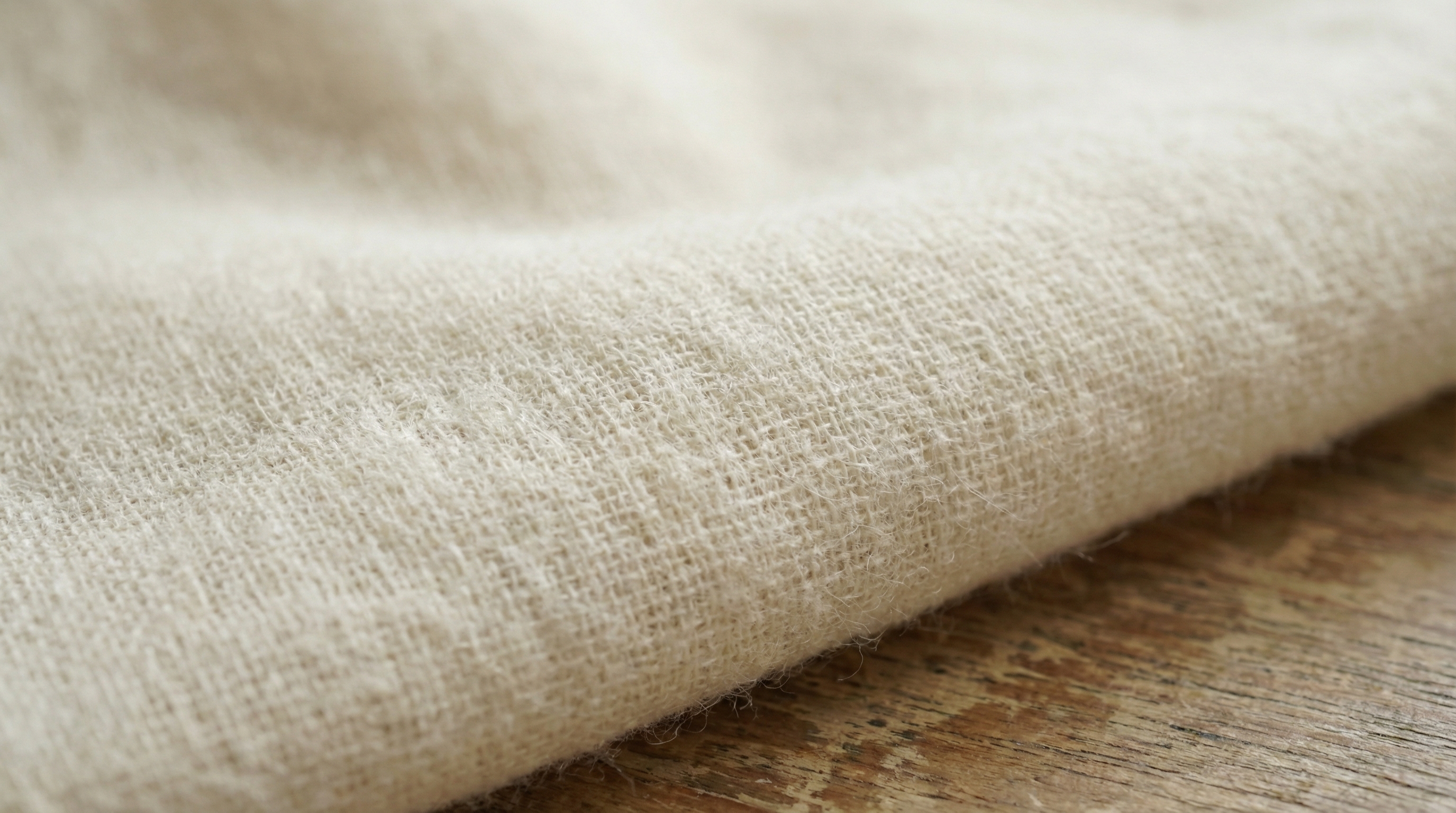
Cotton tulle serves as an excellent sustainable alternative for brands focusing on natural fibers and a soft, matte aesthetic. While what is tutu material called in performance circles usually refers to nylon, cotton is the preferred choice for eco-conscious lingerie and children’s wear. It lacks the “scratchiness” often associated with synthetic netting.
How does the texture differ from synthetics?
The texture differs because cotton fibers are naturally softer and lack the plastic-like sheen of polyester or nylon. This matte finish provides a heritage look that is perfect for vintage-inspired designs.
The facts are:
- It is hypoallergenic for sensitive skin.
- The fabric is biodegradable.
- It offers a unique, non-reflective surface.
Why is cotton rarely used for volume?
Cotton is rarely used for high-volume designs because the fibers lack the “memory” and rigidity needed to hold a shape over time. It tends to soften after washing, which can cause structured silhouettes to collapse.
Key Takeaway: Cotton tulle is the ideal choice for comfort-first applications and sustainable fashion but should be avoided for high-structure designs.
| Feature | Cotton Tulle | Nylon Tulle | |
|---|---|---|---|
| Hand-feel | Very Soft | Crisp | |
| Luster | Matte | Shiny/Sheen | |
| Eco-status | Natural | Synthetic |
Choosing between natural and synthetic fibers requires an analysis of the final garment’s functional needs and the brand’s sustainability goals.
What makes European bridal tulle superior?
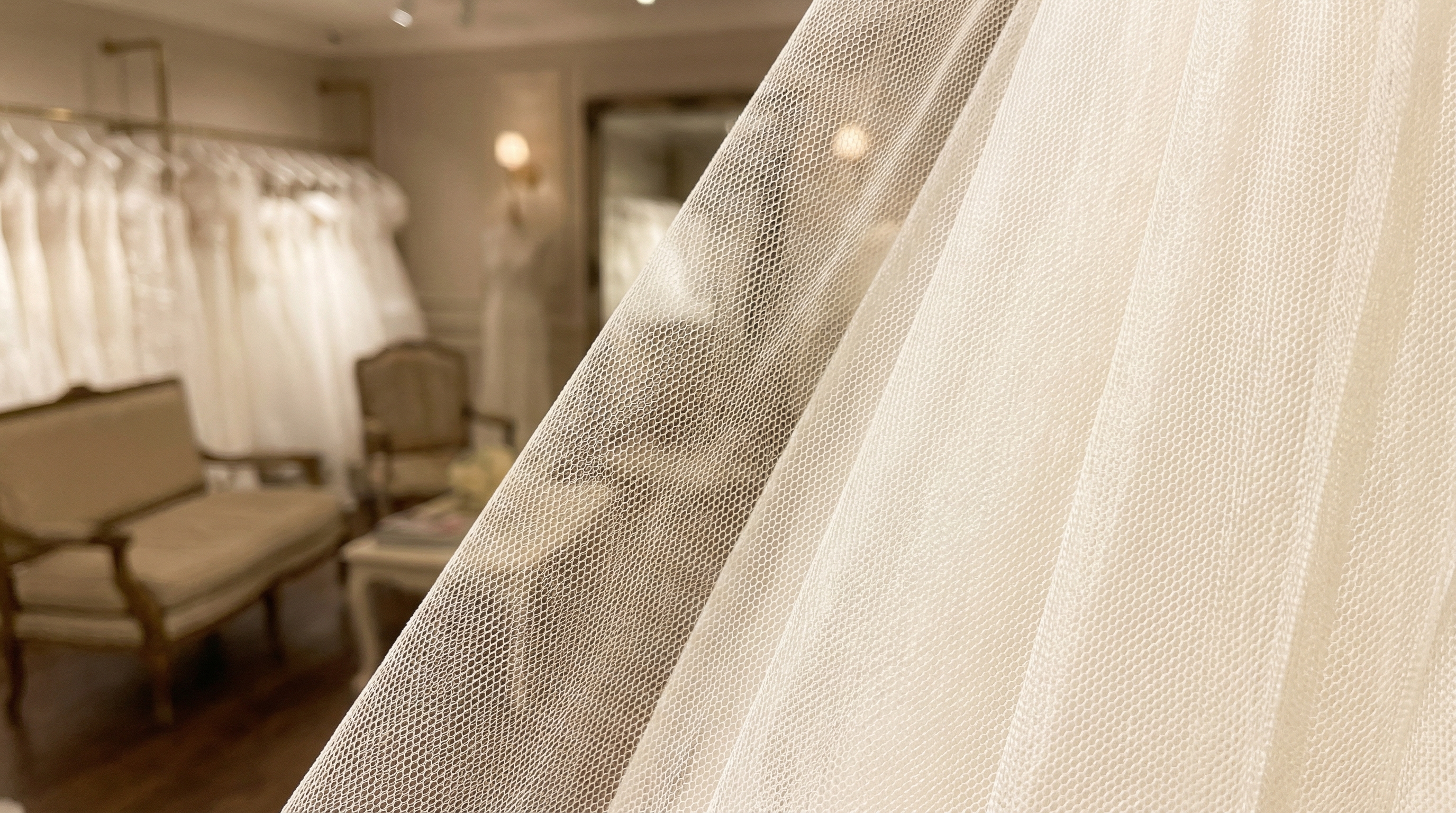
European bridal tulle is considered superior due to its high “fine mesh” count and consistent tension across the entire width of the fabric. When you look into what is tutu material called, you will see that European manufacturing often focuses on the “purity” of the weave. This ensures that the fabric falls elegantly without the uneven ripples found in lower-quality nets.
How does mesh size impact veil weight?
Mesh size impacts weight by determining the amount of air and fiber in every square inch of the fabric. A higher hole-per-square-inch ratio ensures the veil remains lightweight enough for hours of comfortable wear.
Consider this:
- Finer mesh creates a smoother fall.
- Larger mesh provides more structure.
- Premium weaves reduce the risk of snagging.
Are there standards for skin tone matching?
There are professional standards for skin tone matching that offer a spectrum of “invisible” shades for diverse global markets. High-quality European suppliers provide color-matching services to ensure the mesh disappears perfectly.
Key Takeaway: Superior bridal tulle is defined by its consistency, fine mesh count, and its ability to blend seamlessly with various skin tones.
| Quality Marker | European Grade | Mass Market | |
|---|---|---|---|
| Mesh Uniformity | Excellent | Variable | |
| Color Range | Comprehensive | Limited | |
| Durability | High | Low |
Investing in premium bridal tulle ensures that the final garment maintains its elegance and structural integrity throughout the event.
How do different fibers compare in performance?
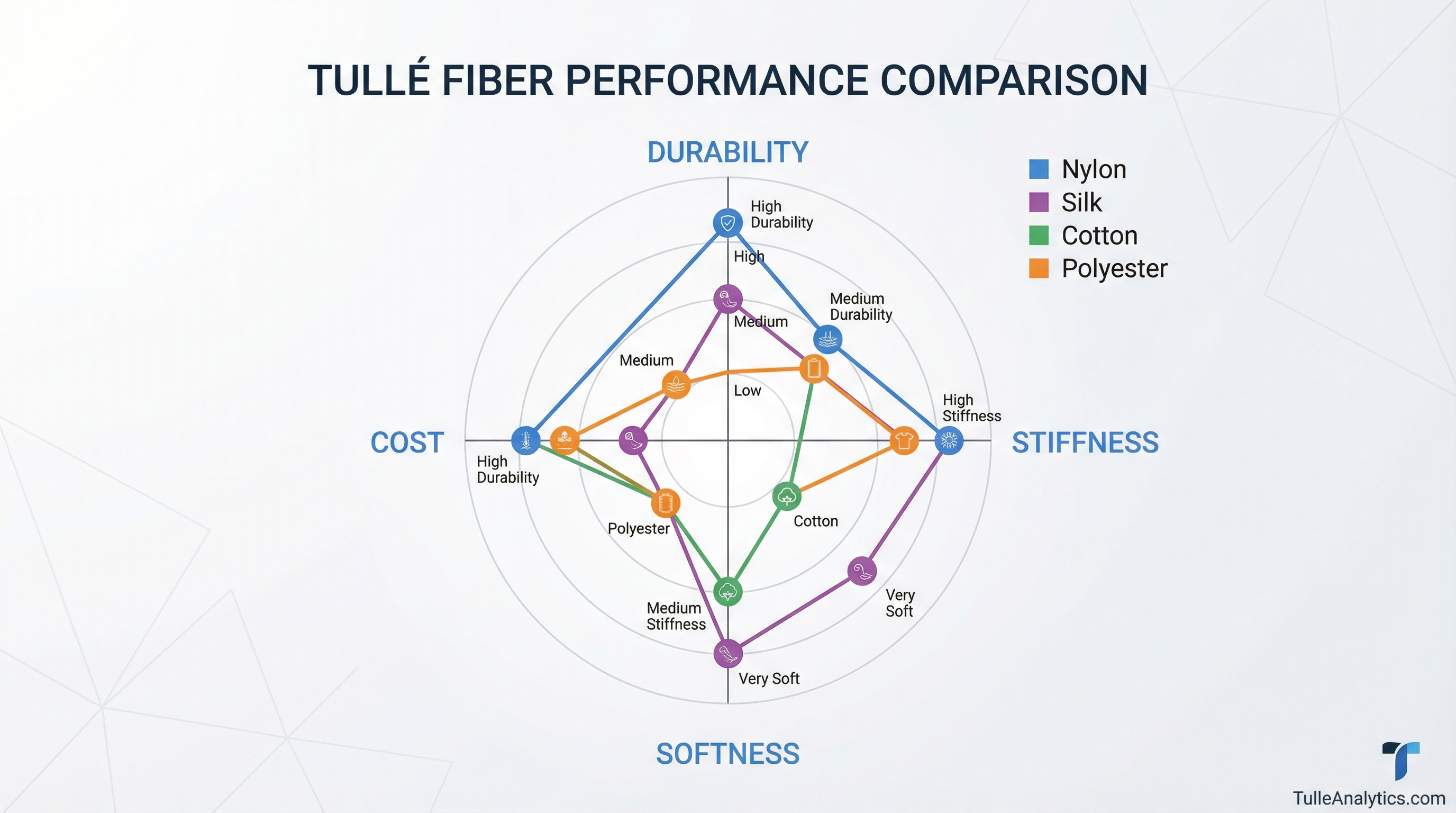
Different fibers compare in performance based on their elasticity, tensile strength, and resistance to environmental factors. Understanding what is tutu material called helps you distinguish between nylon—which has high memory—and silk, which has none. This performance matrix is vital for choosing the right material for active or performance-based costumes.
Is nylon the standard for performance?
Nylon is the industry standard for performance because it offers the perfect ratio of strength to weight. This allows for the rigid, horizontal shapes required in classical ballet and competitive dance.
Here is the truth:
- Nylon holds its shape after cleaning.
- It is highly resistant to moisture.
- The fiber has high elastic recovery.
How does fiber “memory” affect design?
Fiber memory affects design by determining whether a fabric will return to its original shape after being stretched or compressed. Nylon has high memory, making it ideal for tutus, while silk has low memory, causing it to drape fluidly.
Key Takeaway: Selecting the right fiber is a technical decision that determines the longevity and shape-retention of the finished product.
| Fiber | Strength | Memory | Best Use | |
|---|---|---|---|---|
| Nylon | High | High | Tutus | |
| Silk | Low | Low | Luxury Veils | |
| Polyester | Medium | Medium | Decor |
An analytical approach to fiber selection allows designers to optimize both the cost and the performance of their textile sourcing.
Is stretch tulle the secret to luxury lingerie?
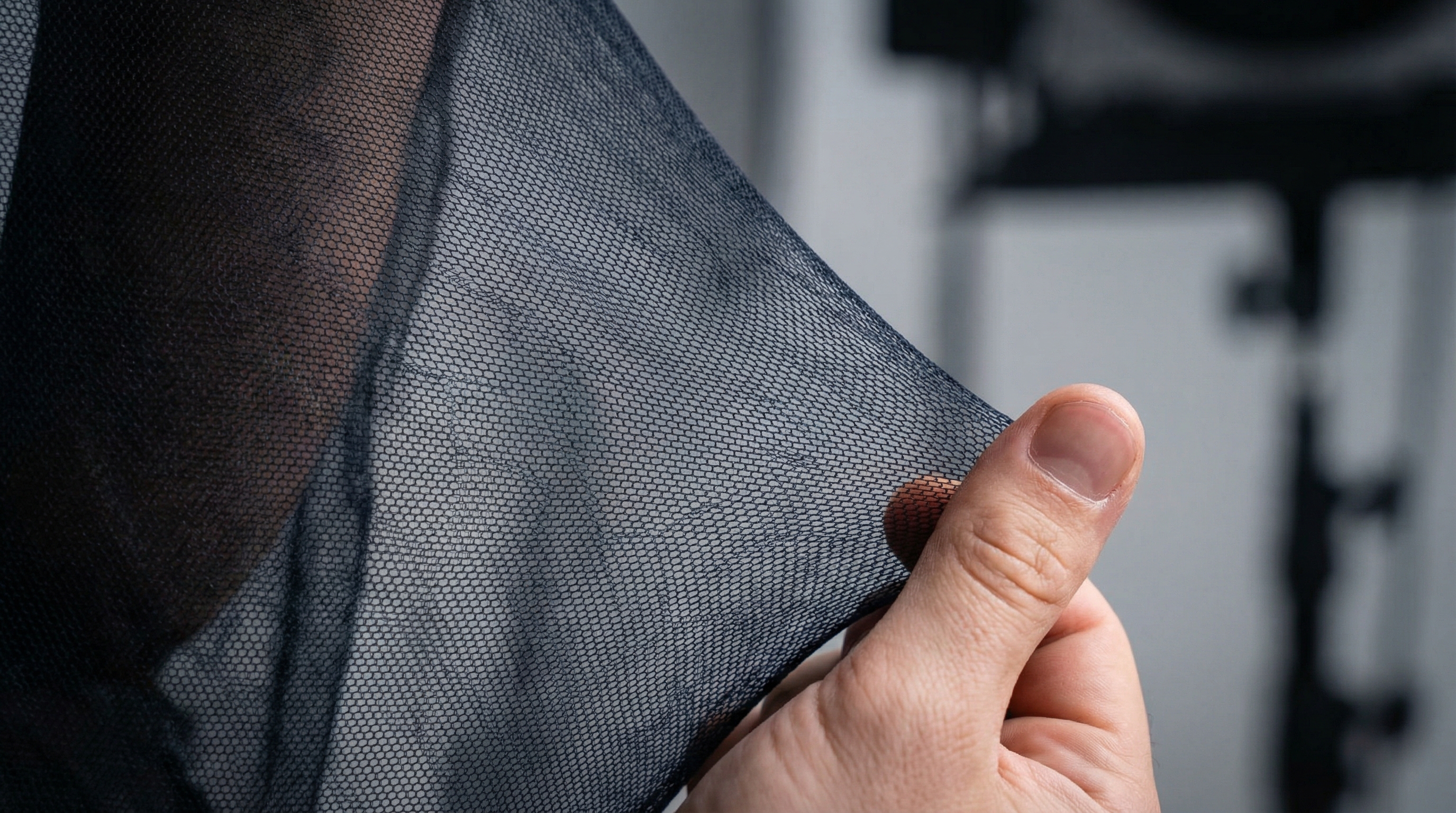
Stretch tulle is the secret to luxury lingerie because it incorporates elastic fibers that allow the fabric to move with the body. While most people ask what is tutu material called when discussing rigid skirts, stretch mesh (or power mesh) is what creates a form-fitting, supportive silhouette. It is essential for modern corsetry and high-performance athletic apparel.
How do spandex blends change utility?
Spandex blends change utility by transforming a static netting into a dynamic fabric that can support body weight. This makes it possible to create “sheer” garments that provide the compression needed for lingerie.
The facts are:
- It provides a four-way stretch.
- It maintains transparency even when taut.
- The material resists permanent deformation.
Can stretch tulle be used for activewear?
Stretch tulle can be used for activewear as a breathable, decorative element that doesn’t restrict the athlete’s range of motion. It is frequently seen in high-end yoga wear and figure skating costumes.
Key Takeaway: Stretch tulle provides the necessary elasticity for form-fitting designs, combining the sheer look of mesh with the performance of spandex.
| Characteristic | Stretch Tulle | Rigid Tulle | |
|---|---|---|---|
| Flexibility | High | Low | |
| Body Support | Excellent | Poor | |
| Application | Lingerie | Bridal Skirts |
The integration of elastane into traditional mesh structures has revolutionized the fit and comfort of contemporary intimate apparel.
Why choose stiff tulle for architectural gowns?
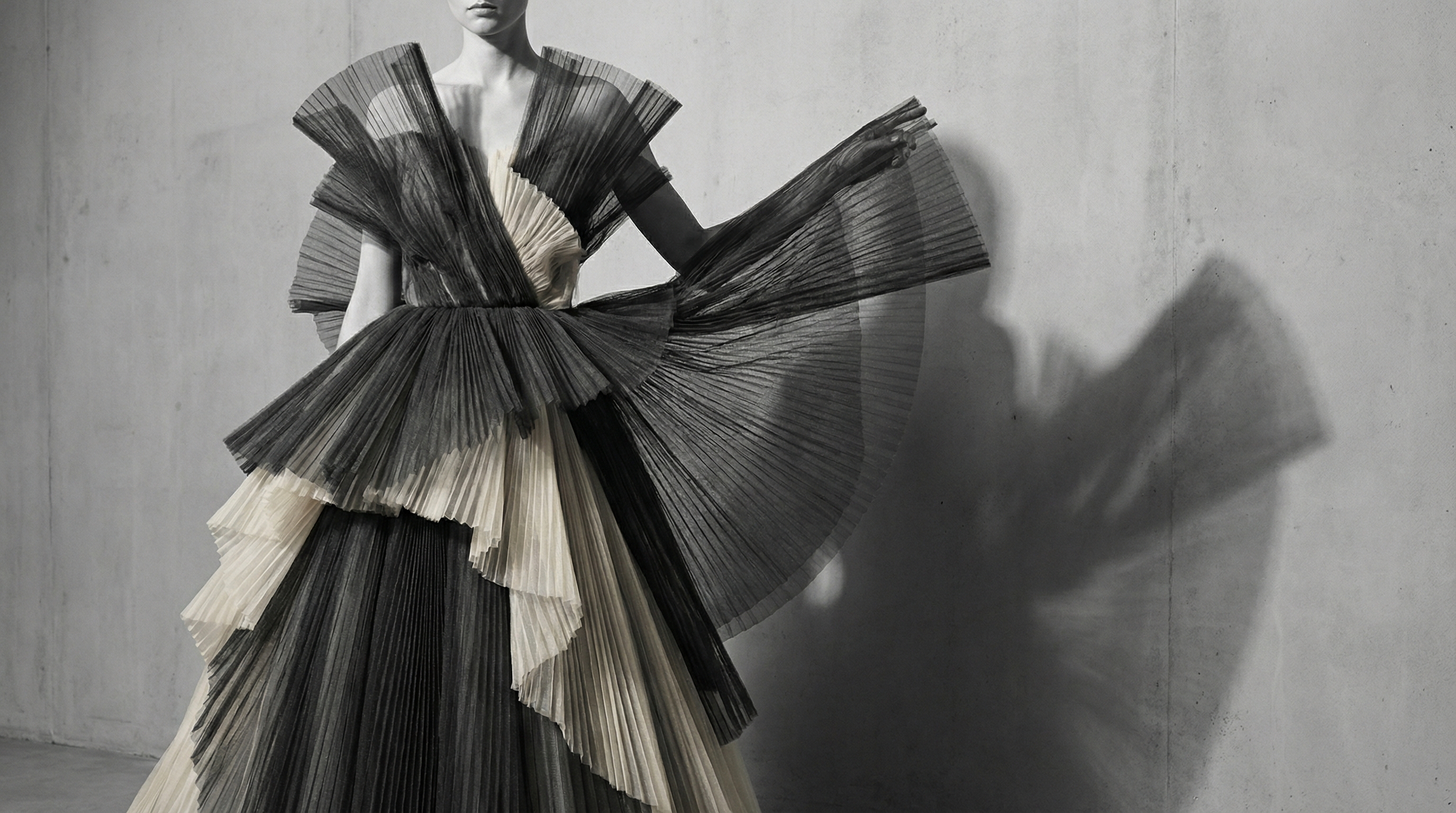
Stiff tulle is the best choice for architectural gowns because it provides a sharp, structured volume that holds its shape independently. If you are sourcing what is tutu material called for avant-garde ruffles, stiff varieties offer more dramatic results than soft nets. It is often used as a visible design element to create exaggerated tiers and structural shapes.
When should you avoid soft varieties?
You should avoid soft varieties when your design requires a horizontal flare or crisp, geometric edges. Soft tulle will drape and fold, failing to provide the “pop” needed for high-fashion runway silhouettes.
Consider this:
- Stiff tulle creates sharper shadows.
- It stands away from the body.
- Multiple layers create massive volume.
Is stiff tulle different from crinoline?
Stiff tulle is different from crinoline because it is often used as a visible fashion layer rather than just an underlying support fabric. While crinoline provides the foundation, stiff tulle provides the aesthetic finish and architectural detail.
Key Takeaway: Stiff tulle is the primary tool for designers who want to create bold, structured, and avant-garde fashion statements.
| Feature | Stiff Tulle | Crinoline | |
|---|---|---|---|
| Visibility | Fashion Layer | Undergarment | |
| Texture | Rough/Crisp | Very Coarse | |
| Structure | High | Maximum |
Modern avant-garde fashion relies on the structural properties of stiff mesh to push the boundaries of traditional garment silhouettes.
How does sparkle tulle impact evening wear?
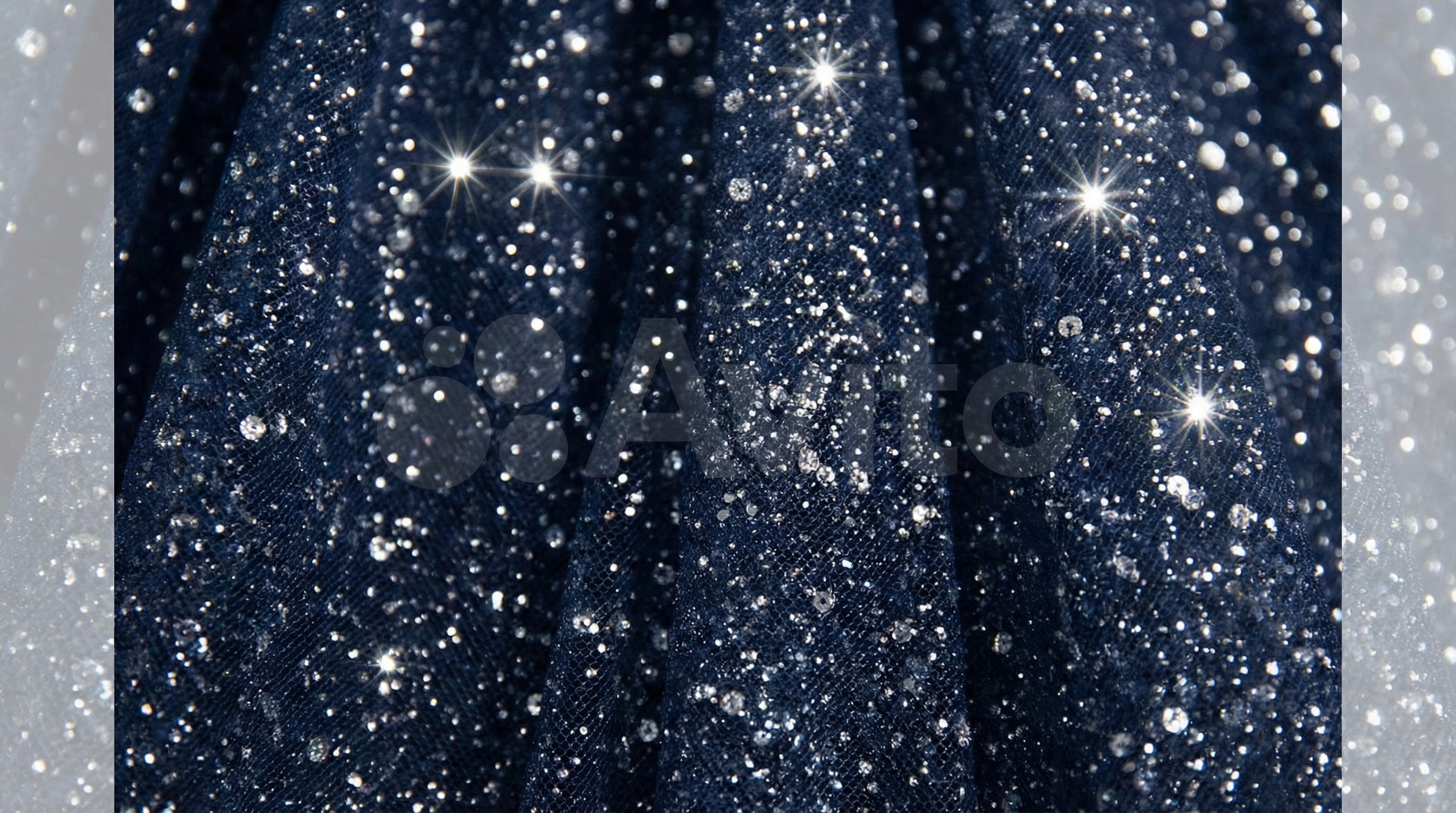
Sparkle tulle impacts evening wear by adding a dynamic, reflective quality that catches the light during movement. When searching for what is tutu material called in the decorative sector, you will find that “bonded glitter” is the premium standard. This ensures that the shimmer stays on the fabric rather than transferring to the wearer’s skin or the environment.
What are the risks of low-quality glitter?
The primary risk of low-quality glitter is “shedding,” which can ruin the luxury experience for the client and mess up production floors. Premium sparkle tulle uses advanced heat-bonding or woven metallic threads to solve this problem.
The facts are:
- Low-quality glitter clogs sewing machines.
- It can cause skin irritation.
- Shedding reduces the garment’s luster over time.
Which embellishments are currently trending?
3D elements like flocked dots, pearls, and heat-pressed sequins are currently trending alongside traditional glitter finishes. These textures add a tactile dimension to the visual sparkle, elevating the overall design.
Key Takeaway: Sparkle tulle is a powerful tool for evening collections, provided you source high-quality bonded varieties that prevent shedding.
| Embellishment | Luster Level | Durability | |
|---|---|---|---|
| Bonded Glitter | High | High | |
| Loose Glitter | High | Low | |
| Metallic Weave | Moderate | Maximum |
Sourcing embellished tulle requires a careful balance between visual impact and the practical requirements of garment construction.
Strategic Sourcing Vision
Selecting the right tulle is a strategic decision that directly impacts your production budget and brand reputation. Whether you require the structural rigidity of a traditional tutu or the invisible support of bridal illusion mesh, understanding these material properties ensures a superior end product. The future of the industry lies in technical innovation and sustainable fiber blends that do not sacrifice the ethereal beauty of the fabric.
For personalized fabric analysis or to explore our full range of professional mesh, please contact us today .
Professional Tulle FAQ
Can I machine wash professional-grade tulle?No, you should hand-wash tulle in cold water or use professional steaming to preserve the mesh structure. Heat from a dryer can melt synthetic fibers and ruin the drape.
What’s the best way to prevent glitter shedding in bulk orders?Specify “bonded glitter” or “metallic lurex weave” during your sourcing process to ensure the embellishments remain attached. Requesting a rub-test sample is a standard B2B practice to verify durability.
Can I use a regular sewing foot for stretch mesh?It is recommended that you use a walking foot or a Teflon presser foot to prevent the fabric from snagging or stretching unevenly during assembly.
What’s the best tulle for a high-volume wedding veil?Illusion tulle is the industry favorite because it balances extreme transparency with enough lightness to be worn for extended periods.
Can I dye polyester tulle to match custom brand colors?Polyester requires specialized high-temperature dyes; for smaller production runs, it is more efficient to source custom color-matching services for nylon or silk.