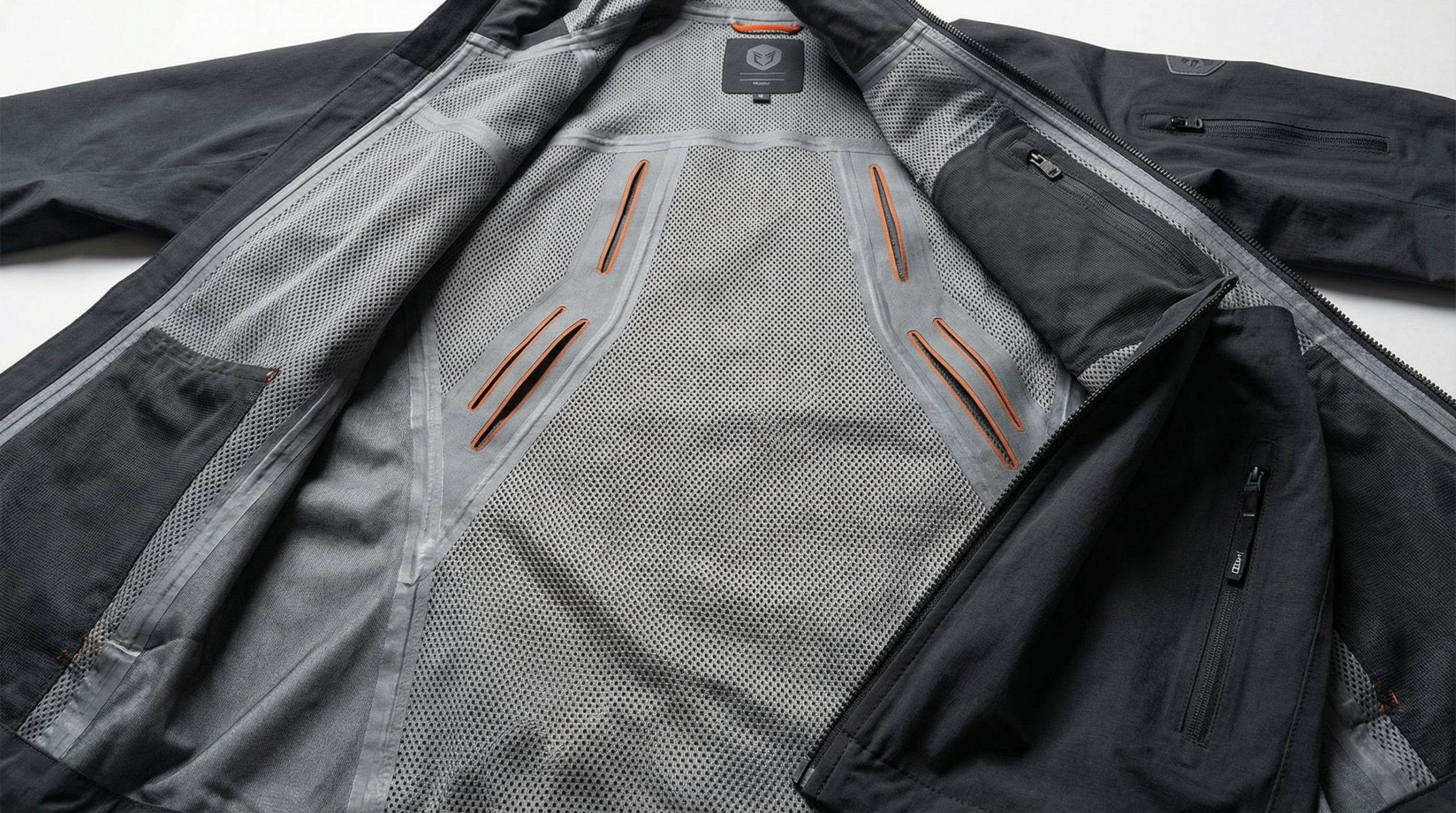
Lining mesh and technical panels are specialized textile components engineered with an open-knit structure to facilitate superior airflow and moisture management in professional apparel. Whether you are pushing for a personal best on the pitch or walking down the aisle, heat and moisture buildup can quickly turn a peak moment into a sticky, uncomfortable ordeal. Standard fabrics often trap air, leading to overheating and restricted movement which hampers your performance and confidence when you need them most. High-quality lining mesh offers the ultimate technical solution by utilizing wicking fibers to ensure you stay cool, dry, and agile throughout any activity.
1. Why choose a breathable lining mesh for activewear?
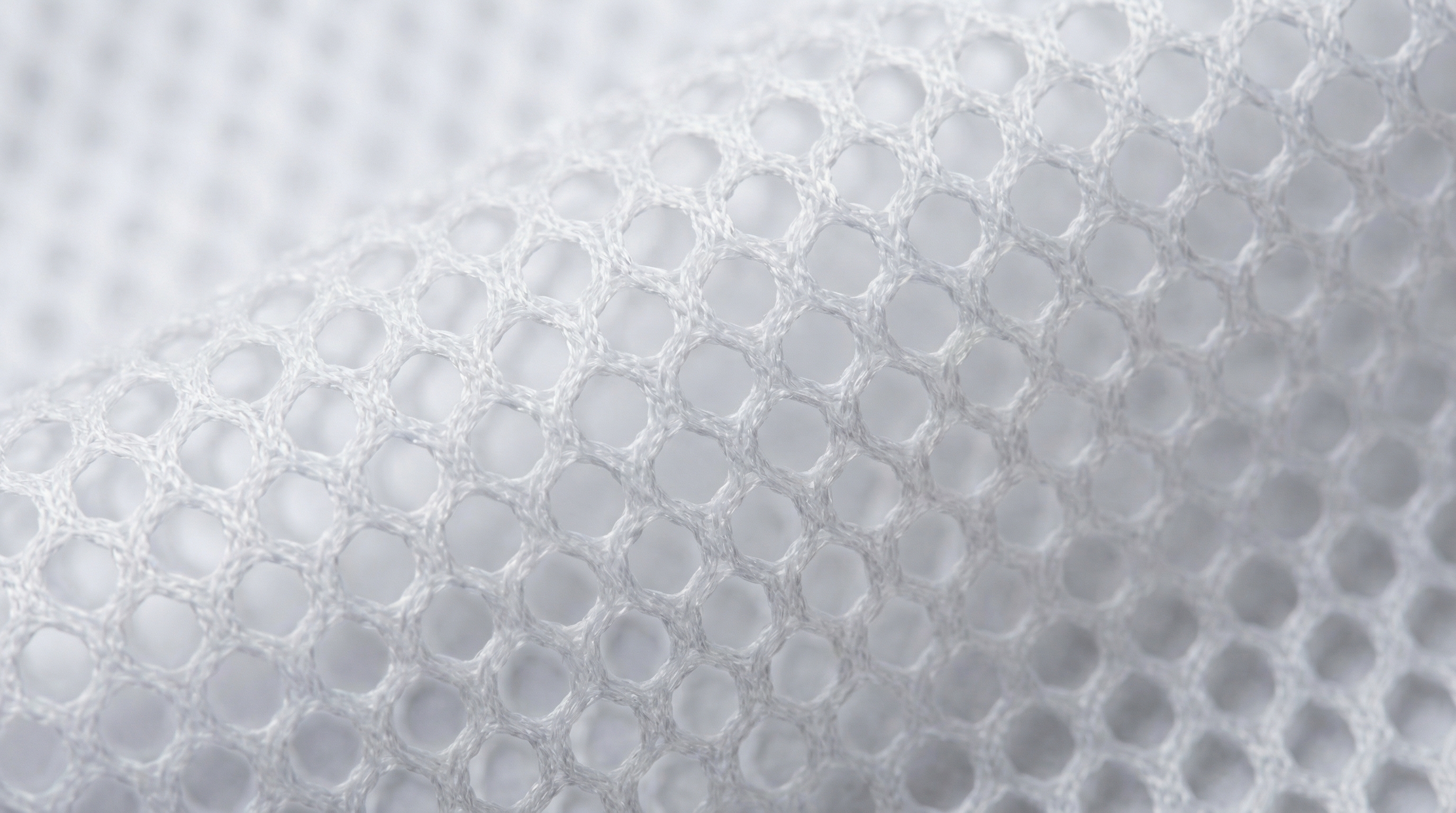
You should choose a breathable lining mesh for activewear because its open-knit construction allows for constant air circulation during high-intensity movement. This design ensures that heat generated by the body is dissipated quickly rather than trapped against the skin.
The science of airflow in performance gear
The open-knit structure creates a microclimate that prevents the “sauna effect” common in solid fabrics. By allowing air to move freely through the garment, the material keeps the body temperature regulated even under extreme physical stress.
Think about it:
- Open pores facilitate heat transfer.
- Knitted patterns provide mechanical stretch.
- Airflow reduces the perception of exertion.
Managing moisture with wicking polyester
The reality is this: managing sweat is the difference between comfort and irritation. Polyester fibers are naturally hydrophobic, meaning they pull moisture away from your skin and push it toward the surface of the lining mesh for rapid evaporation.
| Feature | Mesh Lining | Solid Polyester | |
|---|---|---|---|
| Air Permeability | High | Low | |
| Drying Speed | Ultra-Fast | Moderate | |
| Stretch Factor | High Elasticity | Limited |
This data confirms that the open-knit design of a mesh liner is technically superior for moisture transport compared to traditional solid weaves.
Key Takeaways:
2. Is lining mesh the best choice for sports jerseys?

Yes, lining mesh is the premier choice for sports jerseys because it offers the multi-directional stretch required for contact sports and agile running. Its lightweight nature ensures that the athlete is not weighed down by moisture-soaked heavy fabrics.
Enhancing range of motion
Because these materials are knitted rather than woven, they provide a flexible internal framework for the garment. This allows the player to move without restriction during complex maneuvers.
Here is the best part:
- Multi-directional stretch accommodates muscle expansion.
- Lightweight fibers reduce overall garment weight.
- Flexible seams minimize the risk of tearing.
Durability during high-intensity play
The bottom line is: you need a fabric that can survive the rigors of the field. Synthetic fibers used in modern liners are highly resistant to abrasion and tearing, making them perfect for rugby and football.
| Benefit | Impact on Player | |
|---|---|---|
| Lightweight | Reduces fatigue | |
| Flexibility | Unrestricted movement |
Integrating these panels into jersey construction provides a significant advantage in both durability and long-term player comfort.
Key Takeaways:
3. How does lining mesh improve jacket ventilation?
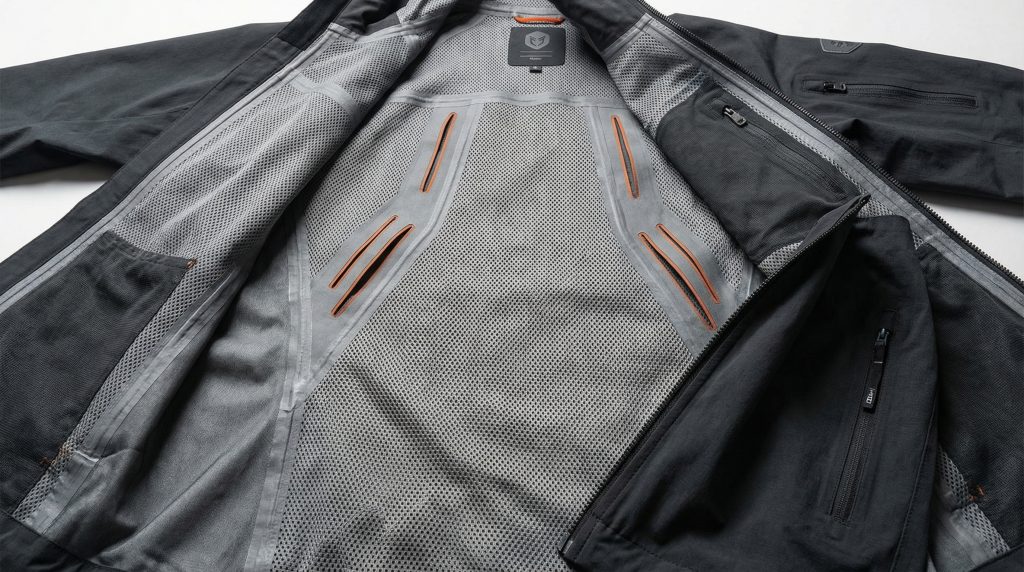
A high-quality lining mesh improves jacket ventilation by creating a physical gap between the outer shell and the wearer’s skin. This gap facilitates a chimney effect where hot air rises and escapes through the top and side vents of the garment.
The role of mesh in training smocks
When you are performing outdoor drills, a training smock needs to breathe to prevent internal condensation. Using Stiff Tulle Fabric or mesh in specific zones helps maintain the structure of the vent while allowing air to pass through.
Look at the facts:
- Internal mesh prevents the shell from clinging.
- Strategic placement targets high-heat zones.
- Ventilated liners accelerate dry times after rain.
Why inner layers matter for cooling
In simple terms: the interior layer dictates how the jacket feels against your body. By using a specialized lining mesh, designers can ensure that moisture is wicked away before it can saturate the heavier outer fabric.
| Component | Function | |
|---|---|---|
| Underarm Panels | High-sweat zone cooling | |
| Back Vents | Heat escape route |
The strategic combination of shell fabrics and mesh interiors creates a highly efficient layering system for unpredictable weather.
Key Takeaways:
4. Can you use lining mesh in formal bridal gowns?
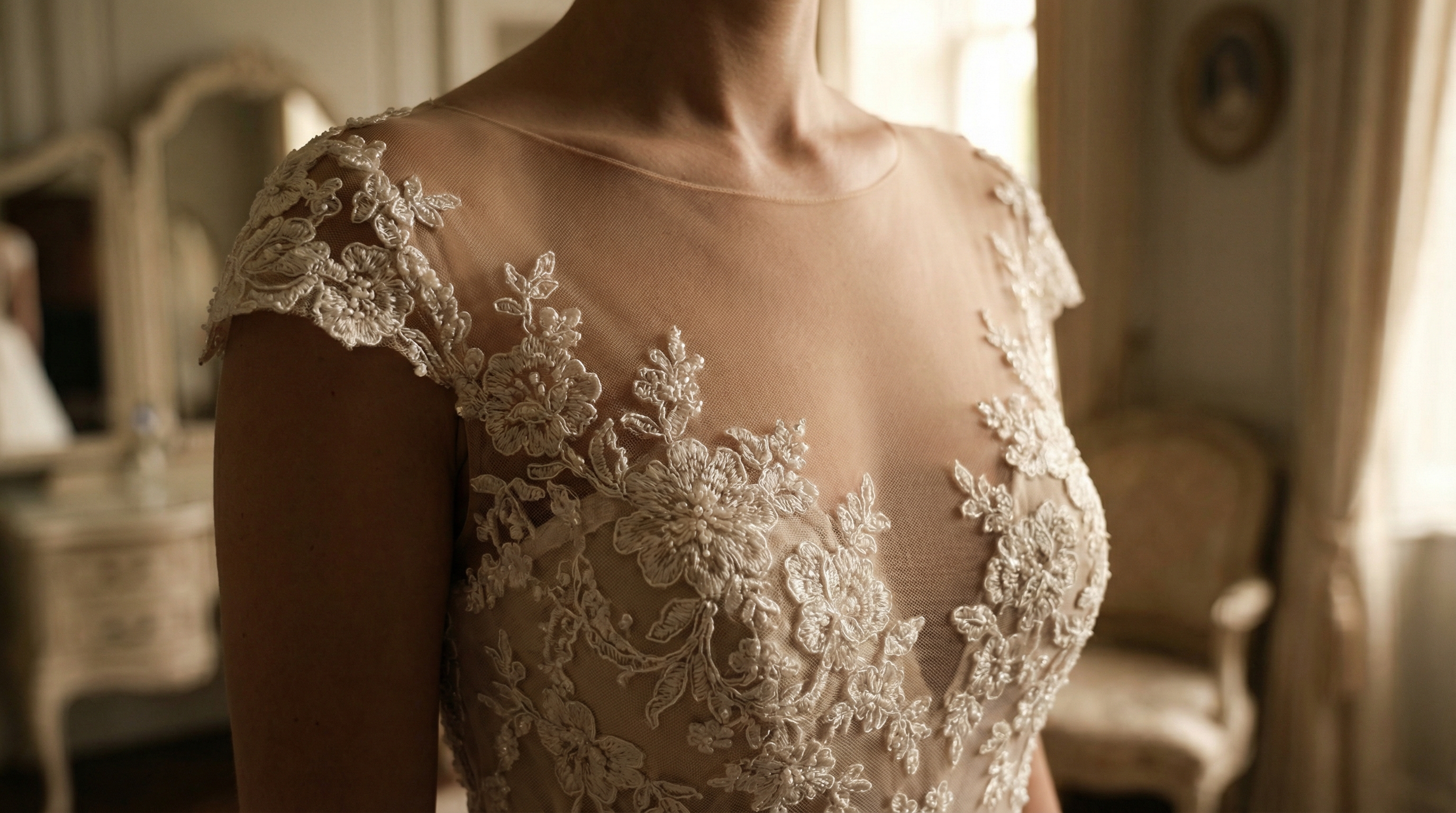
You can certainly use lining mesh in formal bridal gowns to provide structural support and skin-side comfort for complex dress designs. Modern bridal fashion relies heavily on these sheer, breathable layers to create “invisible” support systems.
Using soft tulle for skin-side comfort
Many designers choose Soft Tulle Fabric to serve as a gentle barrier between decorative lace and the wearer’s skin. This ensures that the bride remains comfortable and itch-free throughout the entire ceremony and reception.
Why does this matter?
- Soft textures prevent skin redness.
- Breathable layers reduce heat under heavy skirts.
- Fine knits provide a smooth silhouette.
Creating illusion effects with nude mesh
But it gets better: Bridal & Dress Tulle can act as a structural lining mesh for illusion necklines and sleeves. It provides the necessary strength to hold heavy beadwork while remaining virtually invisible against the skin.
| Type | Usage | |
|---|---|---|
| Nude Tulle | Illusion necklines/sleeves | |
| Soft Tulle | Inner skirt layering |
These applications show how versatile mesh can be when transitioning from the world of sports to the world of high-end luxury fashion.
Key Takeaways:
5. What are the benefits of a polyester lining mesh?
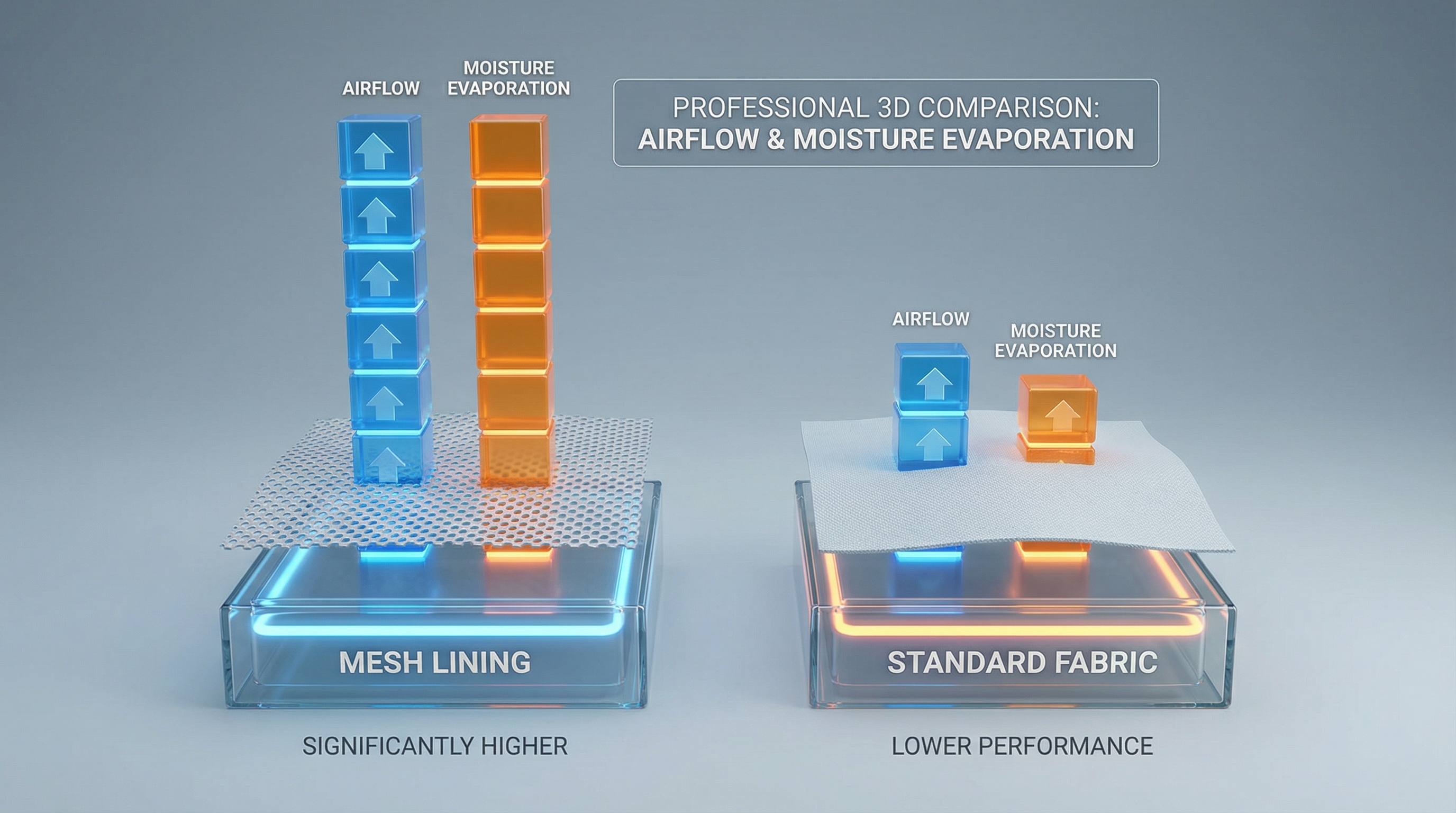
The primary benefits of a polyester lining mesh include its hydrophobic nature, which prevents water absorption, and its exceptional strength-to-weight ratio. These characteristics make it the gold standard for any garment requiring performance and longevity.
Fast-drying properties for athletes
Polyester is the preferred material because it does not hold onto moisture like natural fibers do. This allows the lining mesh to dry almost instantly, preventing the garment from becoming heavy or cold during a workout.
Keep this in mind:
- Polyester resists mold and mildew.
- The fabric stays lightweight even when damp.
- Colors remain vibrant after repeated washings.
Lightweight feel for all-day wear
The reality is this: nobody wants to wear a heavy, restrictive garment for hours on end. The airy nature of this mesh reduces the total bulk of the clothing, making it feel like a second skin rather than an added layer.
| Material | Moisture Absorption | Weight | |
|---|---|---|---|
| Polyester Mesh | Low (Quick Dry) | Ultra-Light | |
| Cotton Lining | High (Stays Wet) | Heavy |
Analyzing the material properties clearly shows that polyester-based mesh outperforms cotton and silk in every performance category for active individuals.
Key Takeaways:
6. Should shorts feature an integrated lining mesh?
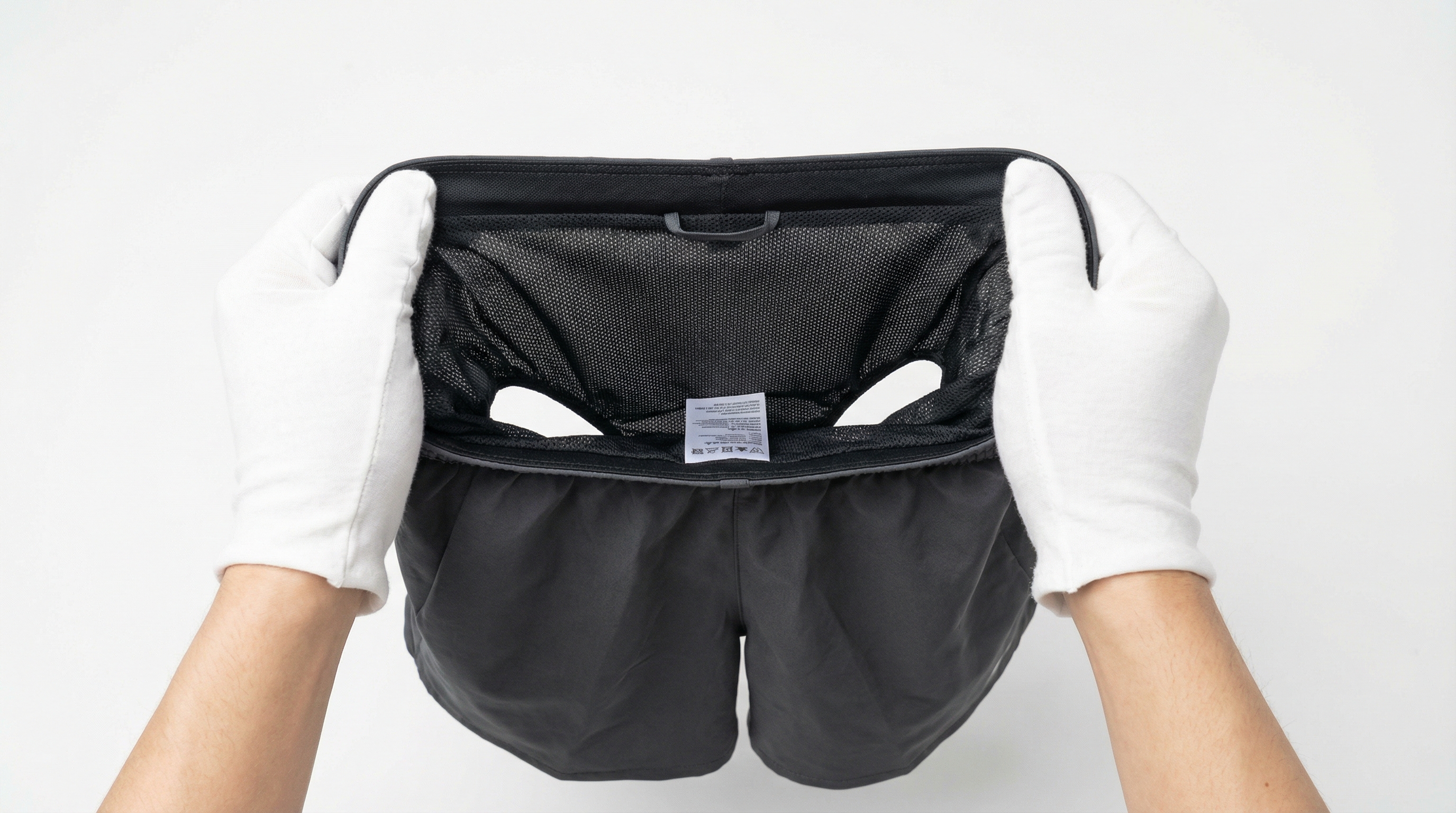
Athletic shorts should feature an integrated lining mesh to provide essential support and act as a protective barrier against skin-to-fabric friction. This built-in layer eliminates the need for extra undergarments and improves overall hygiene during long-distance activities.
Preventing chafing during long runs
The smooth surface of the mesh acts as a buffer between the moving skin and the rougher outer shell of the shorts. This is critical for preventing the painful skin irritation that often occurs during repetitive movements.
The bottom line is:
- Integrated liners provide secure support.
- Mesh allows for airflow in high-friction zones.
- Smooth seams reduce the risk of hotspots.
Maintaining garment structure and shape
Beyond comfort, a mesh liner helps the shorts maintain their intended silhouette even after hours of use. It provides a flexible framework that supports the outer fabric, preventing it from sagging or bunching uncomfortably.
| Issue | Mesh Solution | |
|---|---|---|
| Friction | Smooth barrier | |
| Heat | Constant airflow |
Incorporating mesh into the design of shorts is a standard practice for creating professional-grade athletic wear that survives the demands of the user.
Key Takeaways:
7. Does lining mesh work well with glitter fabrics?
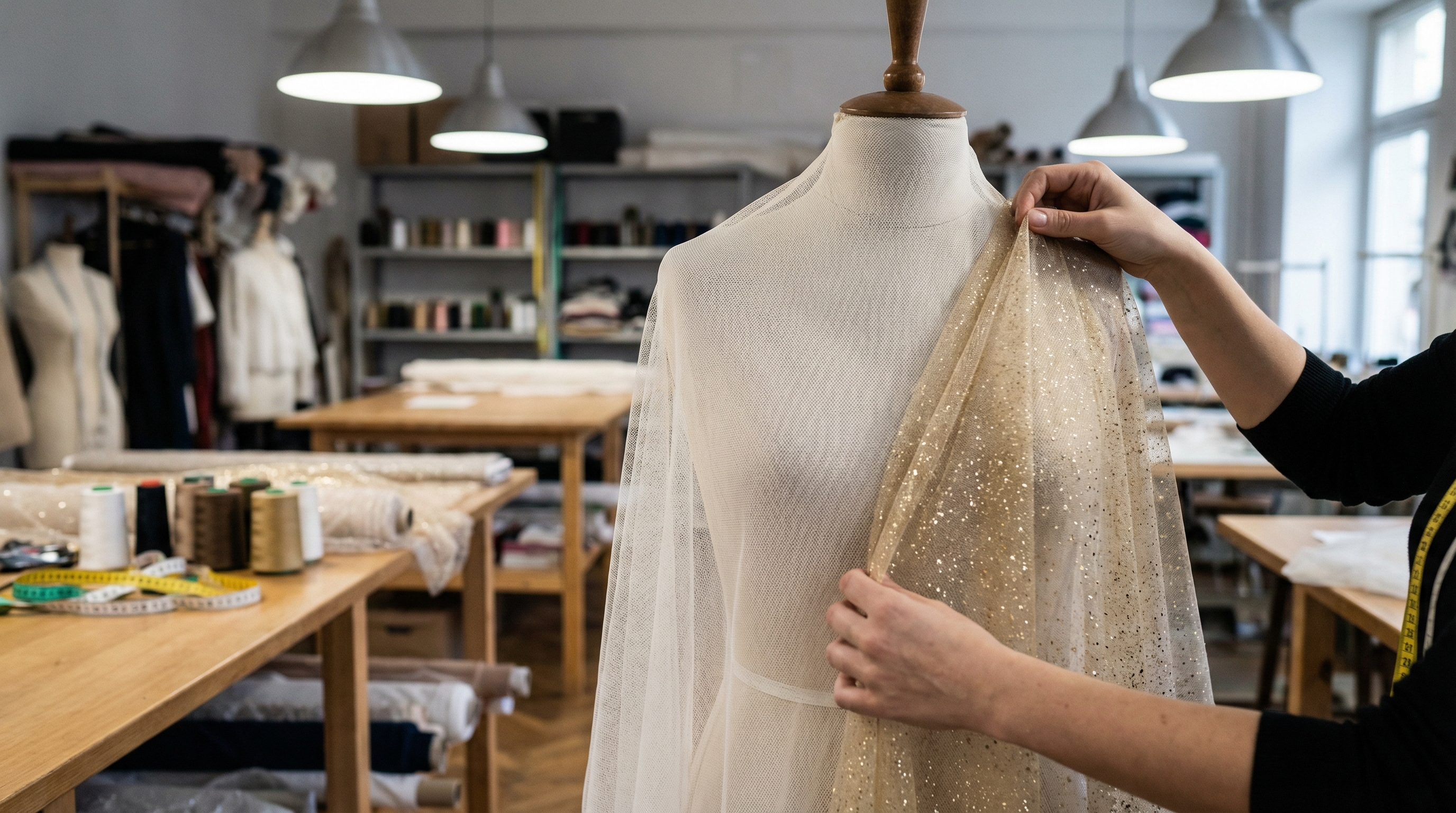
A soft lining mesh works exceptionally well with glitter fabrics by providing a smooth protective layer that prevents the abrasive texture of the glitter from touching the skin. This allows you to achieve a high-fashion aesthetic without sacrificing comfort.
Protecting skin from glitter irritation
When you use Glitter & Sparkle Tulle , the internal layer becomes the most important part of the garment. The mesh provides a soft touch that shields the wearer from the scratchy particles found on the outer decorative layer.
It comes down to this:
- Linings prevent “glitter itch.”
- Multiple layers create depth and sparkle.
- Soft mesh improves the drape of the garment.
Balancing high-fashion style and comfort
Fashion designers often layer multiple types of mesh to achieve the perfect balance of volume and wearability. By placing a smooth liner underneath a textured outer layer, you ensure the garment is suitable for all-day events.
| Outer Layer | Inner Lining | Result | |
|---|---|---|---|
| Glitter Tulle | Soft Lining Mesh | Sparkle without itch | |
| Stiff Tulle | Premium Soft Tulle | Volume with comfort |
The layering of specialty fabrics with comfortable liners is the secret to creating professional, high-end garments that look as good as they feel.
Key Takeaways:
8. Is lining mesh essential for structural garments?
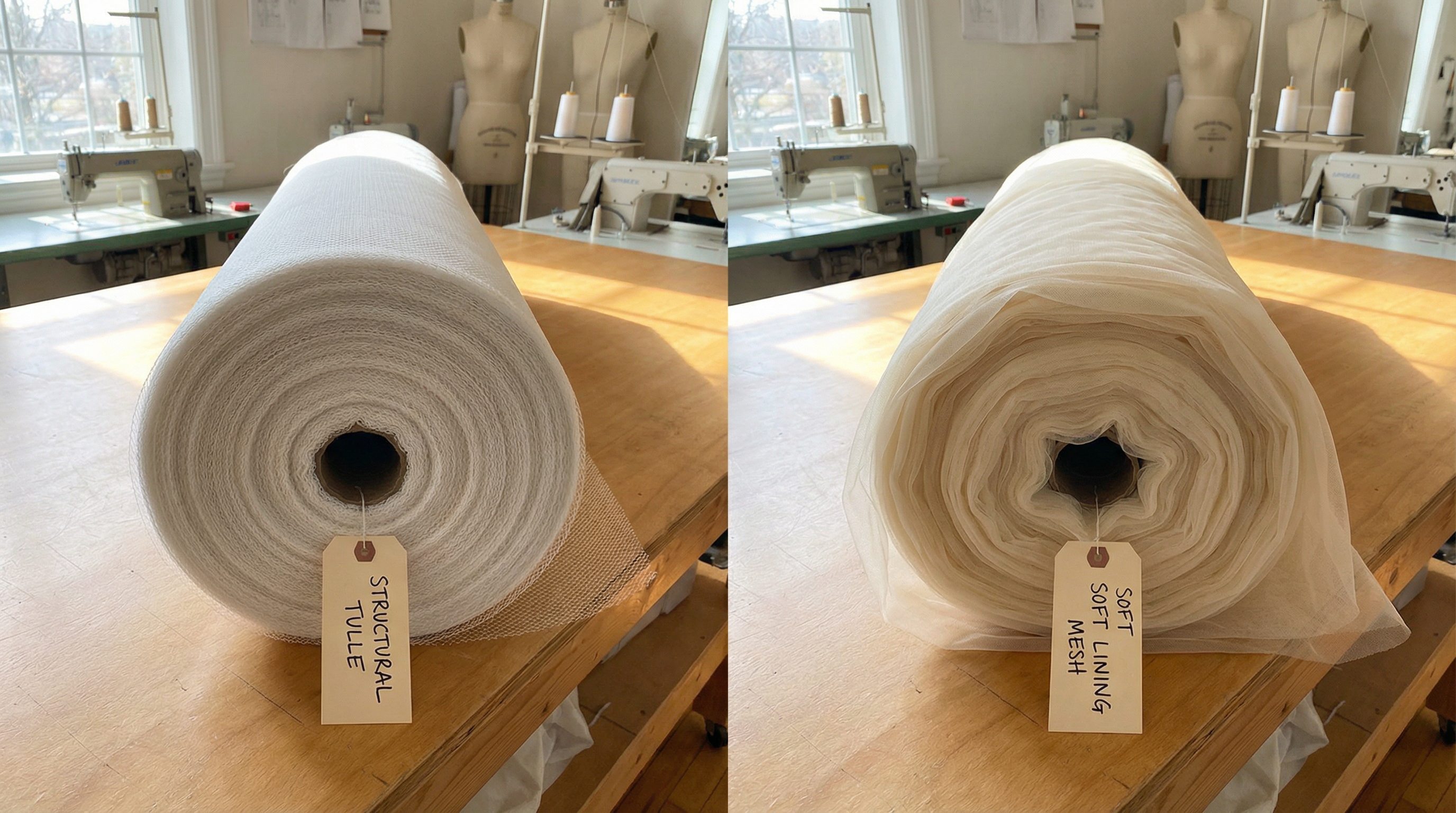
Yes, lining mesh is essential for structural garments because it provides a comfortable interior for items that rely on stiff external materials for shape. It allows the garment to maintain a dramatic silhouette while ensuring the wearer can move freely and remain cool.
Pairing mesh with stiff tulle fabrics
Structural designs often utilize a combination of various mesh weights to achieve a specific look. While the outer layer provides the “loft,” the inner lining mesh ensures that the garment stays breathable and wearable for the end-user.
Think about it:
- Stiff layers provide volume and shape.
- Soft liners provide comfort and protection.
- Mixed weights create a professional finish.
Keeping volume without the added weight
The reality is this: traditional padding and heavy fabrics are no longer necessary for creating volume. Mesh panels can provide the same structural “lift” in jackets and skirts without adding any significant weight to the garment.
| Mesh Type | Stiffness | Application | |
|---|---|---|---|
| Rigid Mesh | High | Petticoats/Shape | |
| Soft Mesh | Low | Comfort Linings |
By carefully selecting the stiffness of the internal components, designers can engineer garments that are both structurally impressive and exceptionally lightweight.
Key Takeaways:
9. How do you maintain clothes with lining mesh?
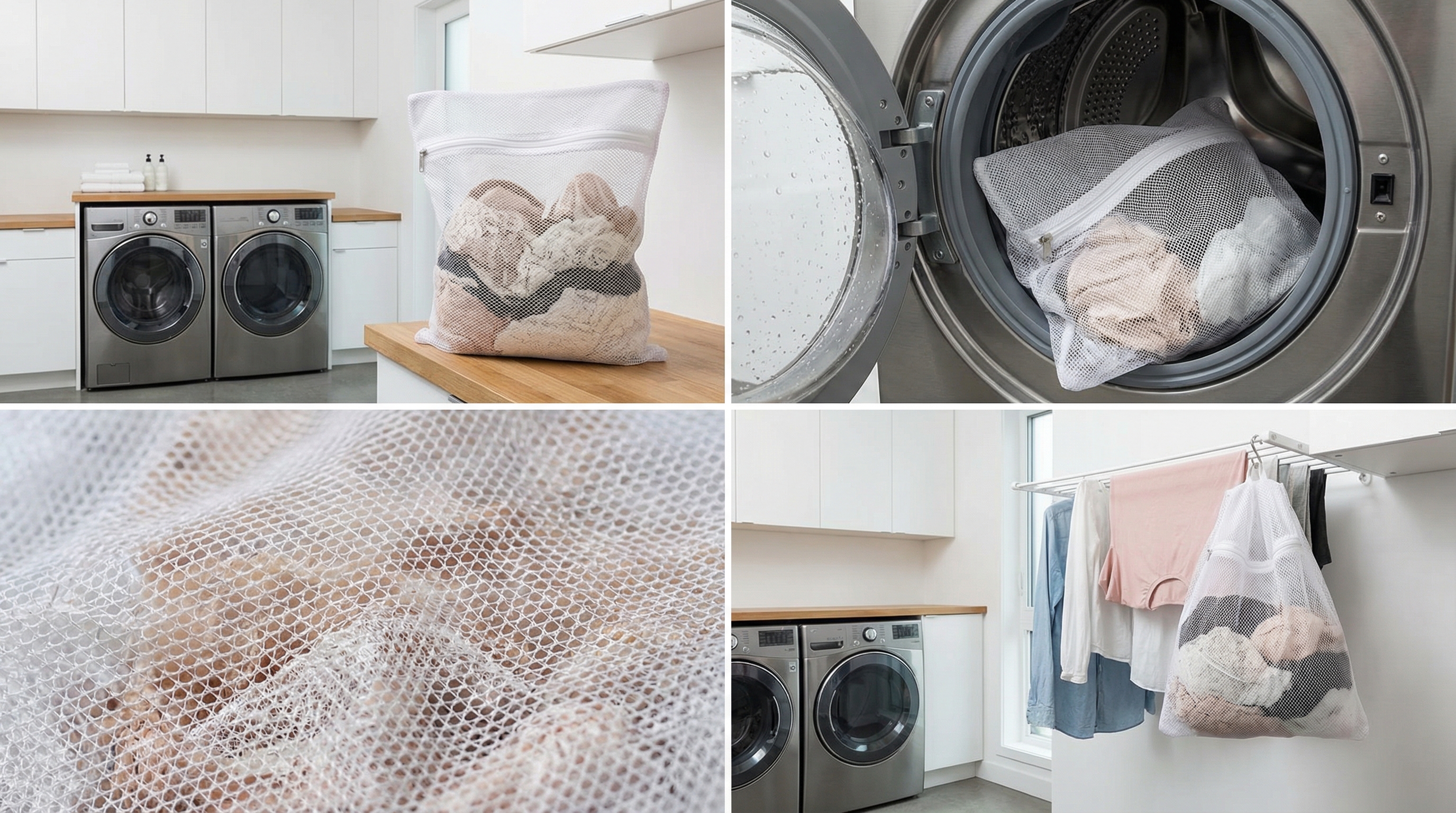
You maintain clothes with lining mesh by using gentle washing cycles and avoiding high-heat drying, which can damage the synthetic fibers. Proper care ensures that the open-knit structure remains intact and the fabric retains its elastic properties over time.
Washing tips for delicate tulle mesh
When cleaning garments with a mesh interior, you should always use a cool water setting and place the item inside a protective laundry bag. This prevents the mesh from snagging on zippers or buttons during the wash cycle.
Here is the best part:
- Cool water prevents fiber shrinkage.
- Laundry bags protect the delicate knit.
- Gentle detergents preserve wicking capabilities.
Ensuring long-term fabric elasticity
In simple terms: heat is the primary enemy of polyester. Exposure to high temperatures in a dryer can cause the fibers in your lining mesh to become brittle, leading to a loss of stretch and eventual tearing.
| Step | Recommendation | |
|---|---|---|
| Wash | Gentle cycle / Cool water | |
| Dry | Air dry only | |
| Iron | Low heat / Use barrier |
Following these maintenance steps will significantly extend the life of your performance gear and keep the mesh functioning at its peak.
Key Takeaways:
10. Where can you find high-quality lining mesh?
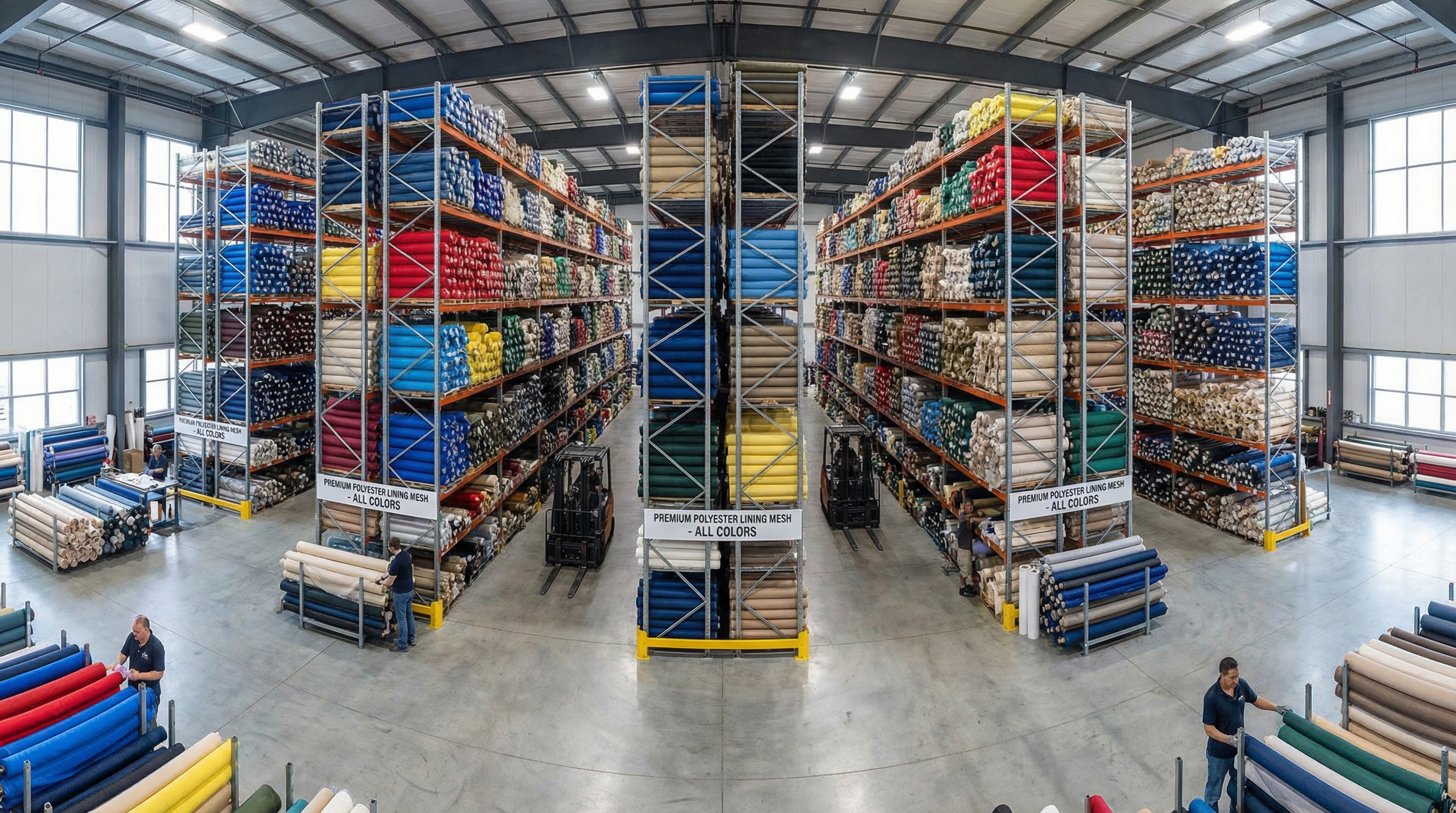
You can find high-quality lining mesh by sourcing from specialized textile suppliers that focus on technical performance and bridal-grade finishes. Identifying the right supplier is crucial for ensuring the mesh has the correct weight and hand-feel for your specific project.
Selecting the right weight for your project
Choosing the correct material depends entirely on the end-use of the garment. For example, a heavy-duty sports mesh is required for a rugby shirt, whereas a fine illusion tulle is better suited for a delicate wedding dress.
Look at the facts:
- Sports mesh focuses on durability and wicking.
- Fashion mesh focuses on clarity and softness.
- Consistency of the knit indicates high quality.
Comparing soft and structural options
The bottom line is: you must check the “hand feel” and the recovery of the fabric before committing to a purchase. High-quality mesh should feel smooth against the skin and return to its original shape after being pulled.
| Criteria | What to Look For | |
|---|---|---|
| Texture | Softness against skin | |
| Stretch | Recovery after pulling | |
| Clarity | Transparency (for bridal) |
Selecting the right textile partner ensures that your final product meets the professional standards expected in both the athletic and fashion industries.
Key Takeaways:
Conclusion
Lining mesh and panels are critical functional components that define the comfort and performance of modern apparel. Whether you are battling heat on the field or looking for invisible support in high fashion, the breathability and wicking power of these fabrics are unparalleled. Standard fabrics often trap heat and restrict movement, but high-quality mesh provides the ventilation and flexibility needed to succeed. To ensure your next project offers the ultimate in comfort and durability, contact us today and find the perfect material for your specific requirements.
FAQ
1. Can I add a mesh liner to a jacket that doesn’t have one?Yes, adding a liner is a common modification to improve the comfort and ventilation of existing outerwear patterns.
2. What’s the best way to prevent mesh from snagging in the wash?Always use a mesh laundry bag and turn the garment inside out to protect the open-knit structure from other clothing items.
3. Can I use sports mesh for bridal applications?While possible, it is not recommended; bridal designs usually require a much finer, softer tulle to ensure a professional and elegant appearance.
4. What’s the best material for a moisture-wicking liner?Polyester is the industry favorite due to its hydrophobic properties and its ability to dry significantly faster than nylon or cotton.
5. Can I iron garments that contain synthetic mesh panels?You should only use the lowest heat setting possible and always place a pressing cloth between the iron and the mesh to prevent melting.