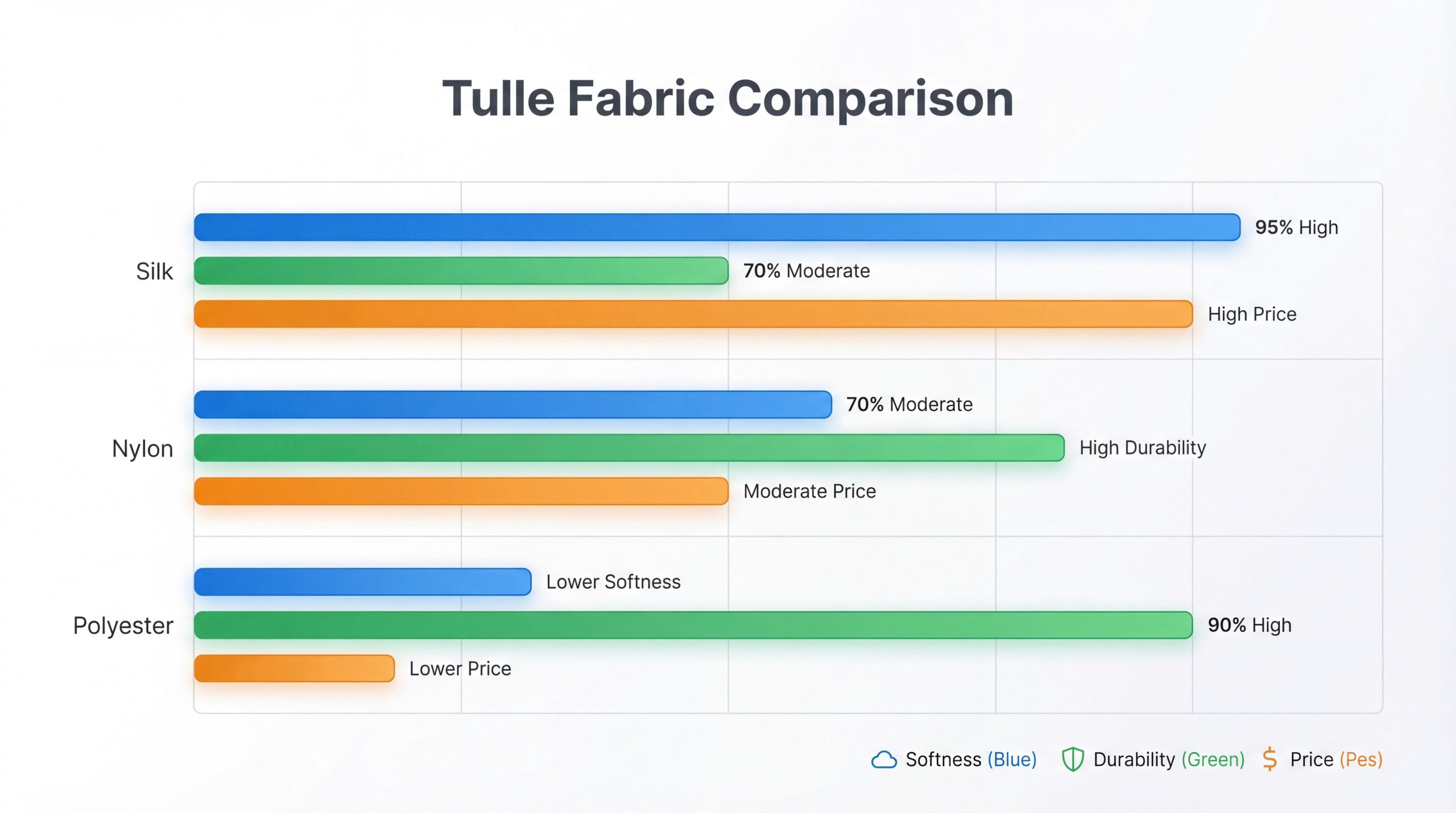
The common types of tulle fabric are nylon, polyester, silk, and cotton, which serve different purposes ranging from high-fashion bridal wear to industrial applications. Choosing the wrong mesh for your garment can lead to a disastrous finish where the structure collapses or the fabric feels unbearably scratchy against the skin. This frustration is common for sewists who select a stiff netting when they actually need a soft drape for a flowing gown. This guide will help you navigate the various types of tulle fabric so you can achieve professional results in every project.
What are the most common types of tulle fabric?
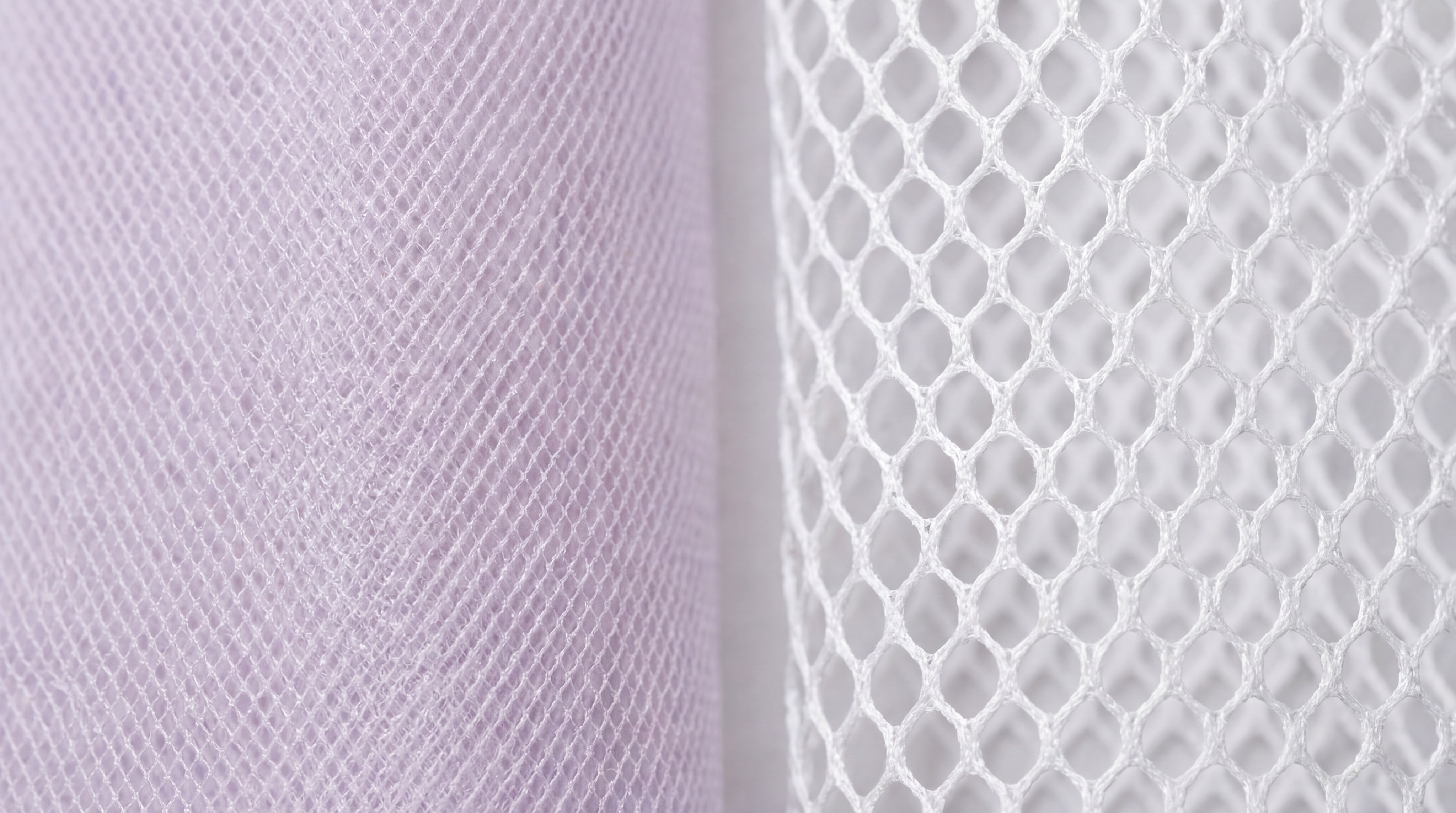
The most prevalent types of tulle fabric include synthetic nylon and polyester versions, which are favored for their durability and low cost. These fabrics are versatile enough to be used in everything from children’s tutus to event decorations. Most commercial patterns assume the use of these standard synthetic meshes due to their wide availability.
Identifying Popular Mesh Varieties
Nylon tulle is often the preferred choice for dressmaking because it offers a softer hand-feel than pure polyester. It provides a delicate balance between transparency and structural integrity, making it suitable for layering.
Think about it:
- Nylon: Soft, slightly stretchy, and easy to dye.
- Polyester: Stiff, crisp, and highly flame-resistant.
- Diamond Net: Features larger holes for maximum volume.
- Fine Mesh: Used for delicate overlays and veils.
Key Takeaway
| Tulle Type | Primary Material | Main Benefit | |
|---|---|---|---|
| Nylon Tulle | Synthetic Polyamide | Softness and Drape | |
| Polyester Tulle | Synthetic Polyester | Rigidity and Cost | |
| Diamond Net | Coarse Synthetic | High Volume |
Understanding the basic composition of these materials prevents the common mistake of using a stiff craft net for a delicate garment.
How do synthetic types of tulle fabric compare in performance?
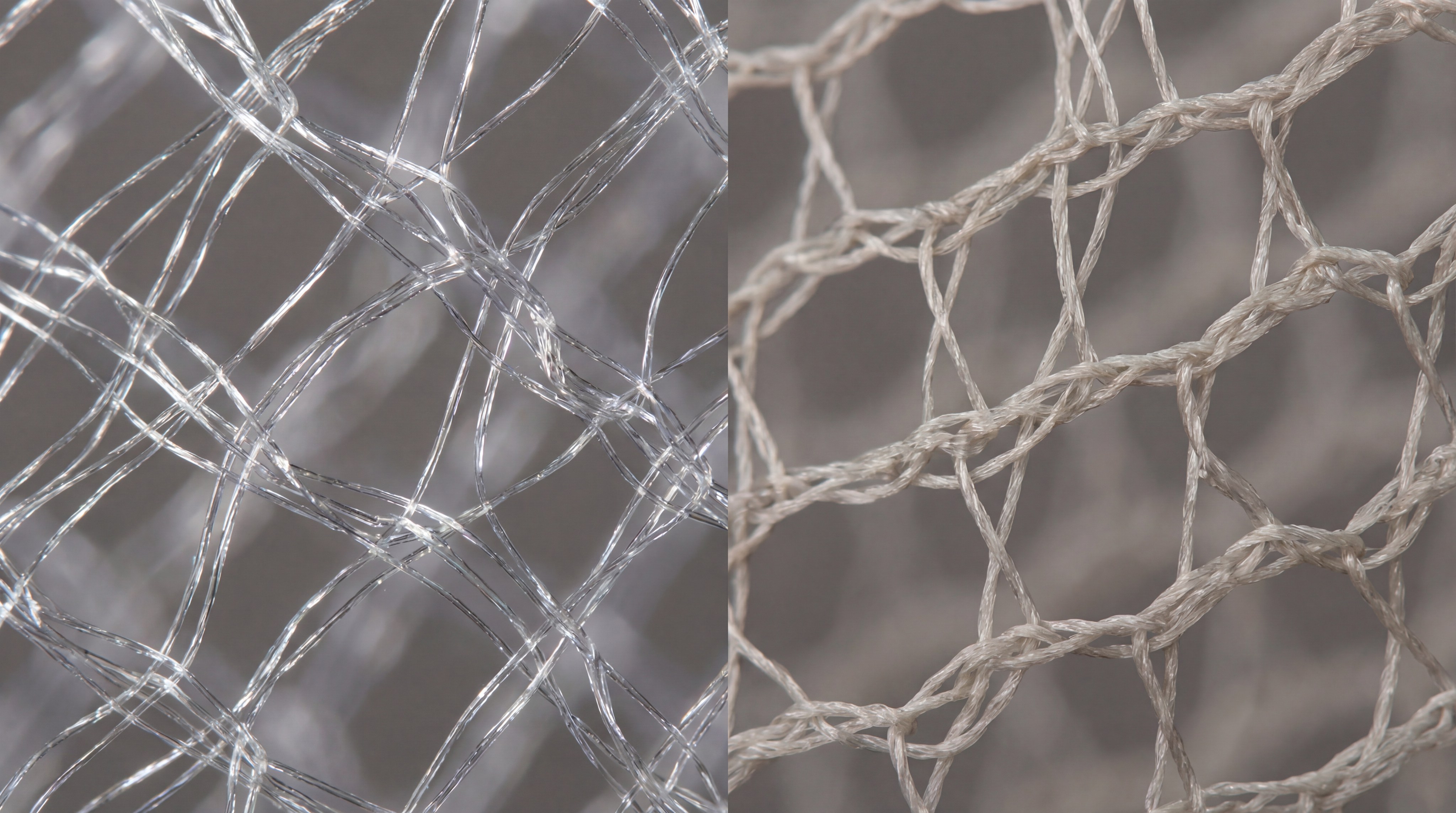
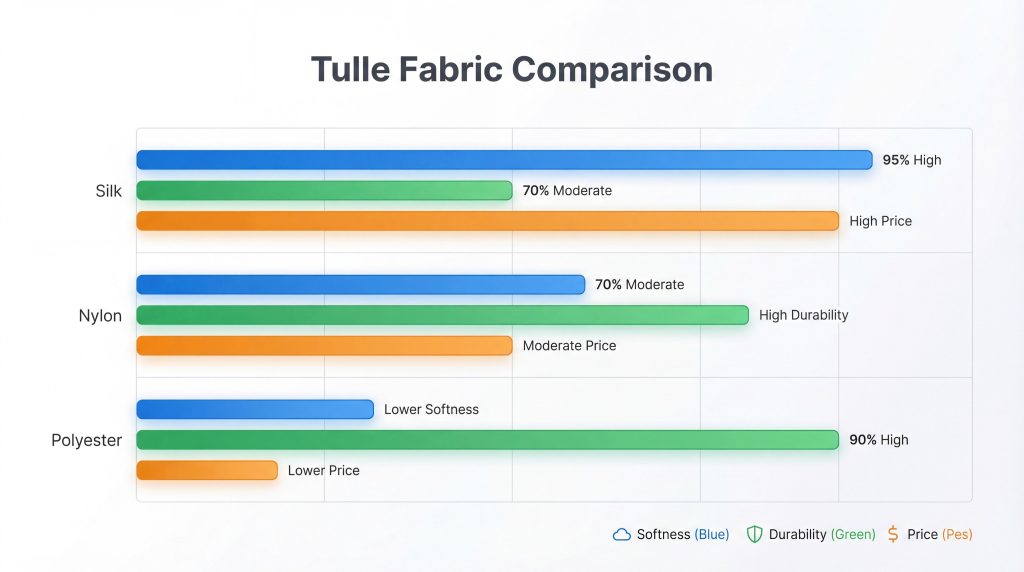
Synthetic types of tulle fabric differ mainly in their stiffness levels and how they respond to heat and moisture. While nylon is generally softer and more elastic, polyester is known for being extremely rigid and holding its shape under significant weight. These differences are crucial when deciding which material will support the silhouette of your design.
Performance Metrics for Synthetics
Polyester tulle is frequently used for outdoor decorations because it does not lose its shape when exposed to humidity. Conversely, nylon is much more comfortable for apparel but can soften if it becomes damp.
The best part?
- Heat Resistance: Polyester can withstand higher temperatures.
- Dyeability: Nylon absorbs acid dyes beautifully.
- Longevity: Both types resist fraying and unraveling.
- Washability: Synthetic tulles are generally easy to clean.
Key Takeaway
| Feature | Nylon Variety | Polyester Variety | |
|---|---|---|---|
| Feel | Silky / Smooth | Paper-like / Crisp | |
| Stretch | Moderate | Minimal | |
| Best Use | Intimate Apparel | Structural Petticoats |
Choosing based on performance ensures your garment remains functional and maintains its aesthetic throughout the day.
Which types of tulle fabric are best for bridal wear?
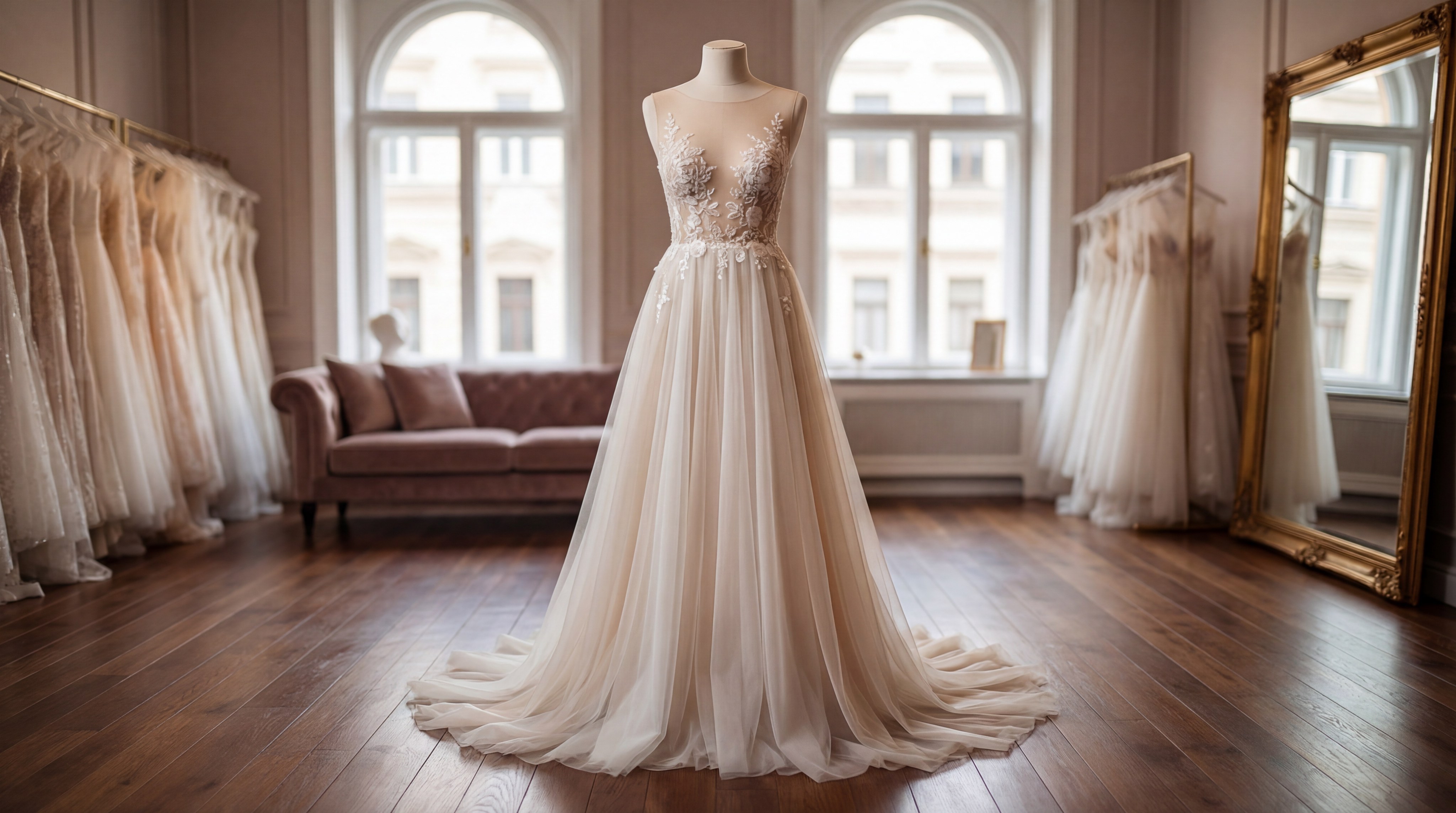
The best types of tulle fabric for bridal wear are silk tulle, illusion tulle, and English net, which offer a sophisticated and ethereal appearance. These high-end materials are selected for their superior drape and how they interact with bridal laces and intricate beadwork. Selecting a high-quality bridal mesh is the secret to achieving that “floating” look common in couture gowns.
Luxury Bridal Options
Illusion tulle is a specific variety that is so fine it becomes nearly invisible against the skin. It is the industry standard for creating “naked” necklines and sleeves that support heavy lace appliqués.
Here is the kicker:
- Silk Tulle: The softest, most luxurious option available.
- English Net: A heavier, cotton-based mesh with a vintage feel.
- Illusion Net: Ultra-sheer and lightweight for veils.
- Italian Tulle: Known for its crispness and crystal-like sheen.
Key Takeaway
| Bridal Mesh | Visual Effect | Comfort Level | |
|---|---|---|---|
| Silk | Matte and Fluid | Extremely High | |
| Illusion | Invisible / Sheer | High | |
| English Net | Heritage / Solid | Moderate |
Luxury bridal tulles provide a sensory experience and visual depth that standard craft meshes cannot replicate.
Are natural types of tulle fabric still used today?
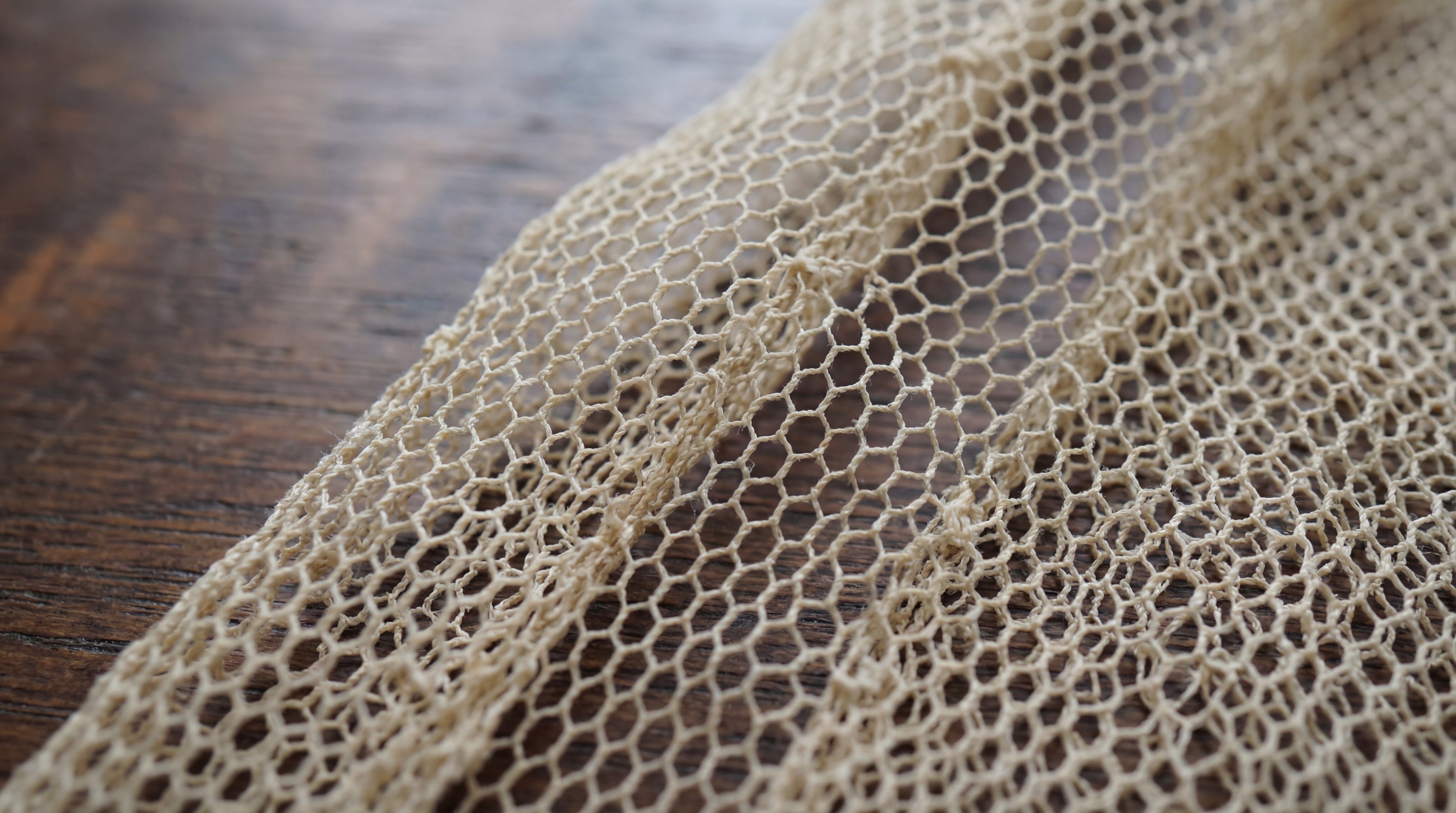
Natural types of tulle fabric like cotton and silk are still highly sought after by luxury fashion houses and historical costumers. These fibers offer breathability and a distinct tactile quality that synthetic polymers simply cannot mimic. While they are more expensive, they are essential for high-end garments where natural fiber content is a priority.
The Appeal of Natural Fibers
Cotton tulle, often referred to as bobbinet, is unique because it is made on specialized machines that knot the fibers together. This process creates a fabric that is incredibly durable and has a matte, organic texture.
You won’t believe it:
- Breathability: Perfect for warm-weather formal wear.
- Eco-Friendly: Biodegradable and sustainable.
- Texture: Provides a subtle, non-synthetic luster.
- Starchable: Can be stiffened with traditional methods.
Key Takeaway
| Fiber | Durability | Texture | |
|---|---|---|---|
| Pure Silk | Delicate | Filmy / Weightless | |
| Pure Cotton | High | Earthy / Structural | |
| Silk Blends | Moderate | Balanced |
Natural tulles are the investment choice for designers focusing on sustainability and heirloom quality.
Can stretch types of tulle fabric improve garment fit?
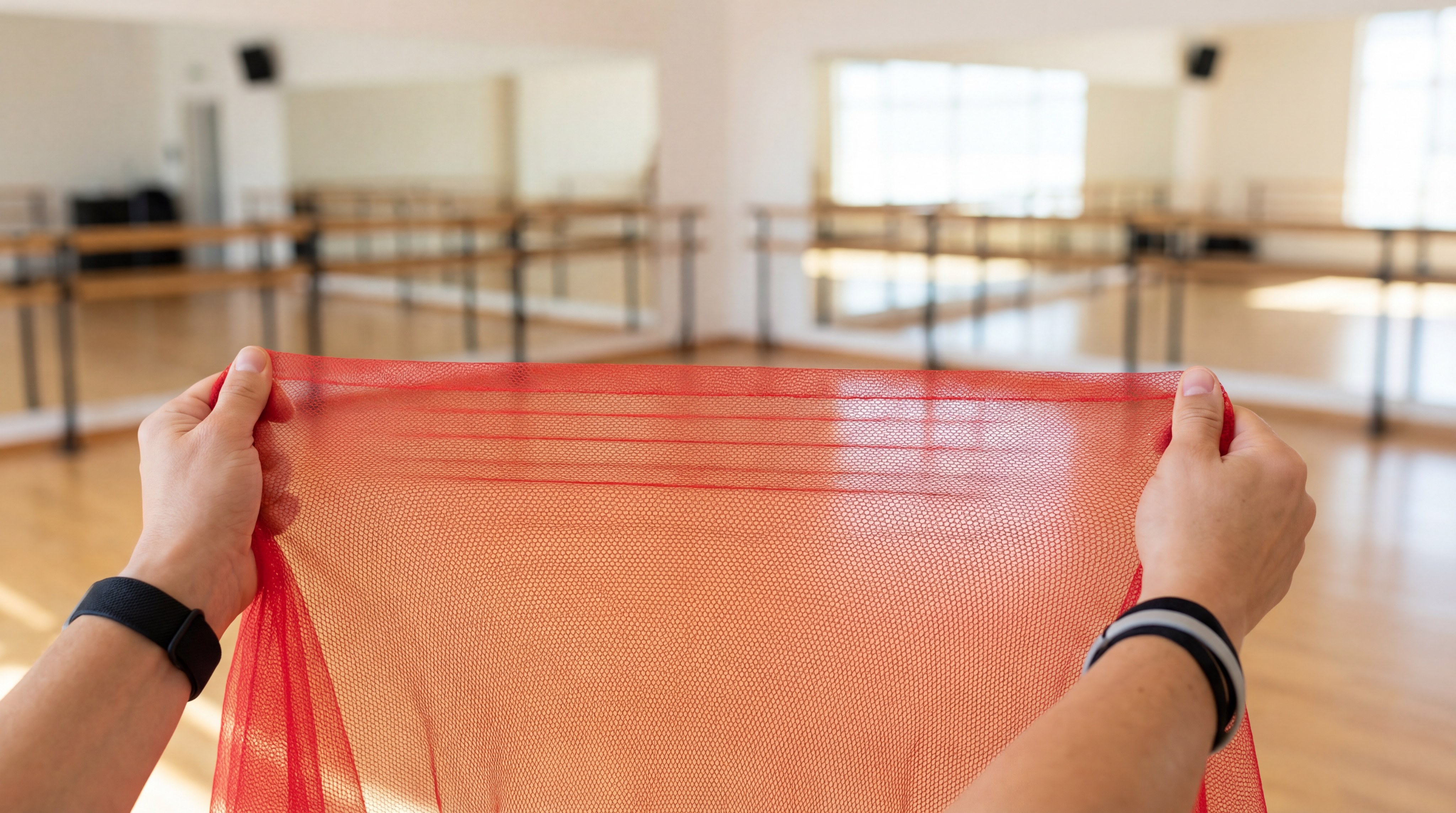
Stretch types of tulle fabric , such as power mesh and spandex-tulle blends, are essential for improving the fit and mobility of body-con clothing. By incorporating elastic fibers into the mesh weave, manufacturers create a fabric that moves with the wearer. This is a game-changer for dancewear, activewear, and form-fitting evening gowns.
Functional Stretch Applications
Power mesh is a heavy-duty version of stretch tulle that provides compression and support. It is commonly used as a lining material to smooth the silhouette while remaining breathable.
The reality is:
- 4-Way Stretch: Expands both horizontally and vertically.
- Shape Retention: Snaps back to its original size easily.
- Soft Touch: Non-abrasive against sensitive skin.
- Compression: Offers support in athletic foundations.
Key Takeaway
| Stretch Type | Elastic Content | Primary Benefit | |
|---|---|---|---|
| Power Mesh | High Spandex | Compression & Support | |
| Stretch Tulle | Low Spandex | Comfort & Mobility | |
| Soft Mesh | Minimal | Subtle Flexibility |
Adding stretch varieties to your toolkit allows for professional-grade fitting in sheer and delicate garments.
What defines the luxury types of tulle fabric?
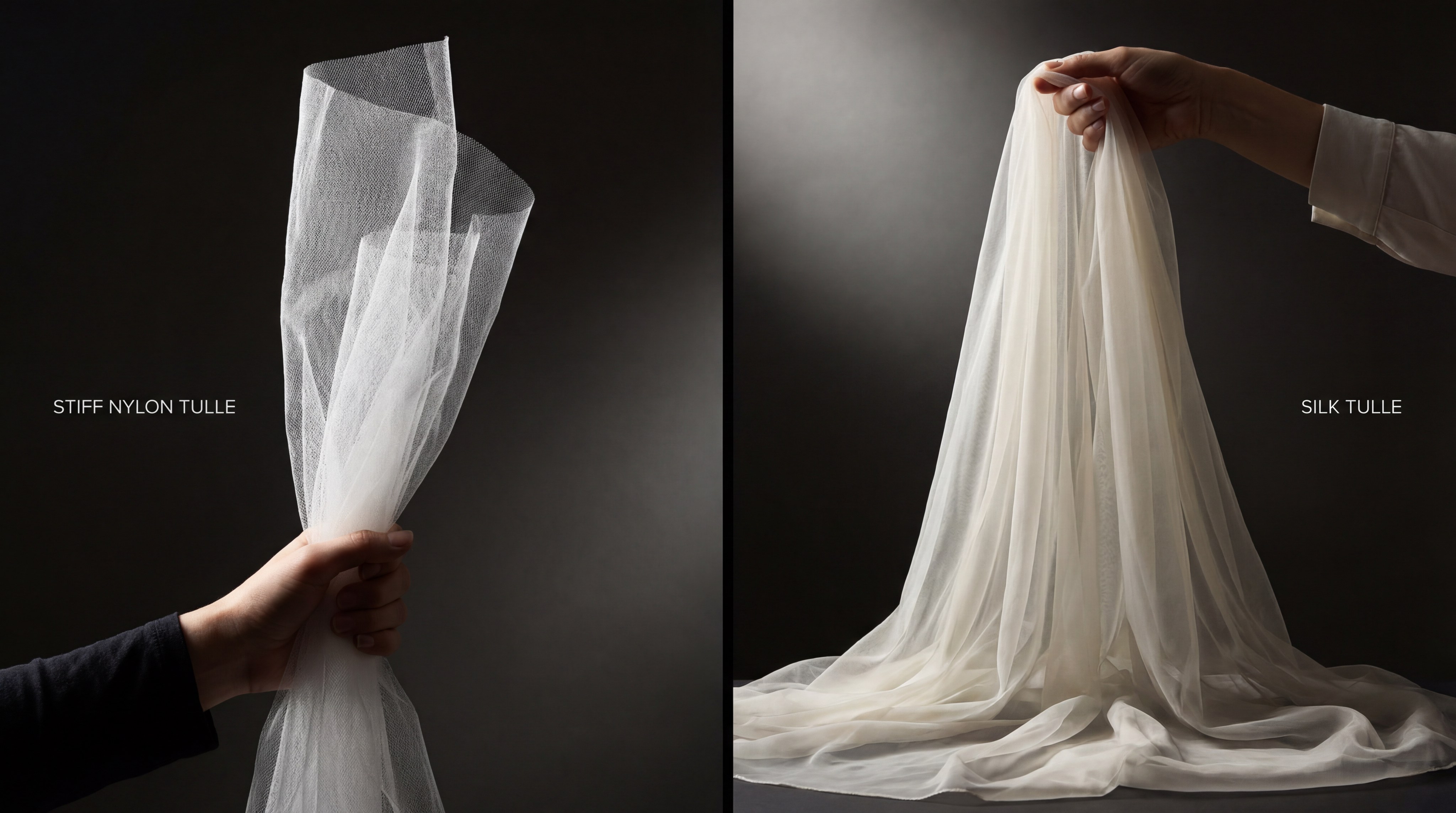
Luxury types of tulle fabric are defined by their origin, the complexity of their weave, and the quality of the raw fibers used. French and Italian tulles are world-renowned for their craftsmanship, often produced on antique looms that create a finer, more consistent mesh. These fabrics are the hallmark of haute couture and are used by the world’s most prestigious designers.
Characteristics of High-End Tulle
The drape of luxury tulle is significantly more fluid than mass-produced versions. When held, it feels more like a fine textile and less like a plastic-based mesh, which translates to a more graceful movement on the runway.
Don’t miss this:
- Antique Looms: Create unique, non-uniform weave patterns.
- Fine Denier: Uses ultra-thin threads for maximum transparency.
- Hand-Dyeing: Often available in custom, nuanced color palettes.
- Longevity: Resists yellowing and degradation over time.
Key Takeaway
| Origin | Known For | Designer Usage | |
|---|---|---|---|
| France | Intricate Lace Bases | Haute Couture | |
| Italy | High-Gloss Sheen | Red Carpet Gowns | |
| UK | Structural Integrity | Royal Commissions |
Luxury tulles are chosen when the garment’s success relies on the subtle nuances of light and movement.
Which types of tulle fabric create the most volume?
When creating maximum lift, specific types of tulle fabric like crinoline and stiff diamond net are the best choices. These fabrics are designed with a coarse, rigid finish that allows them to stand away from the body. Using these structural meshes enables designers to create dramatic ballgown silhouettes without adding excessive weight.
Building Volume Through Layers
Crinoline is a very stiff variety that is often used as a hidden structural layer underneath softer fabrics. It provides the “skeleton” for large skirts and theatrical costumes.
Look closely:
- Crinoline: The ultimate stiffener for underskirts.
- Diamond Net: Creates airy, lightweight volume.
- Stiffened Nylon: A middle-ground for tutu construction.
- Layering: Using multiple weights to build complex shapes.
Key Takeaway
| Material | Volume Potential | Visibility | |
|---|---|---|---|
| Crinoline | Maximum | Usually Hidden | |
| Diamond Net | High | Can be Decorative | |
| Stiff Nylon | Moderate | Versatile |
Selecting the right structural mesh ensures your design maintains its intended shape throughout the entire event.
How are decorative types of tulle fabric manufactured?
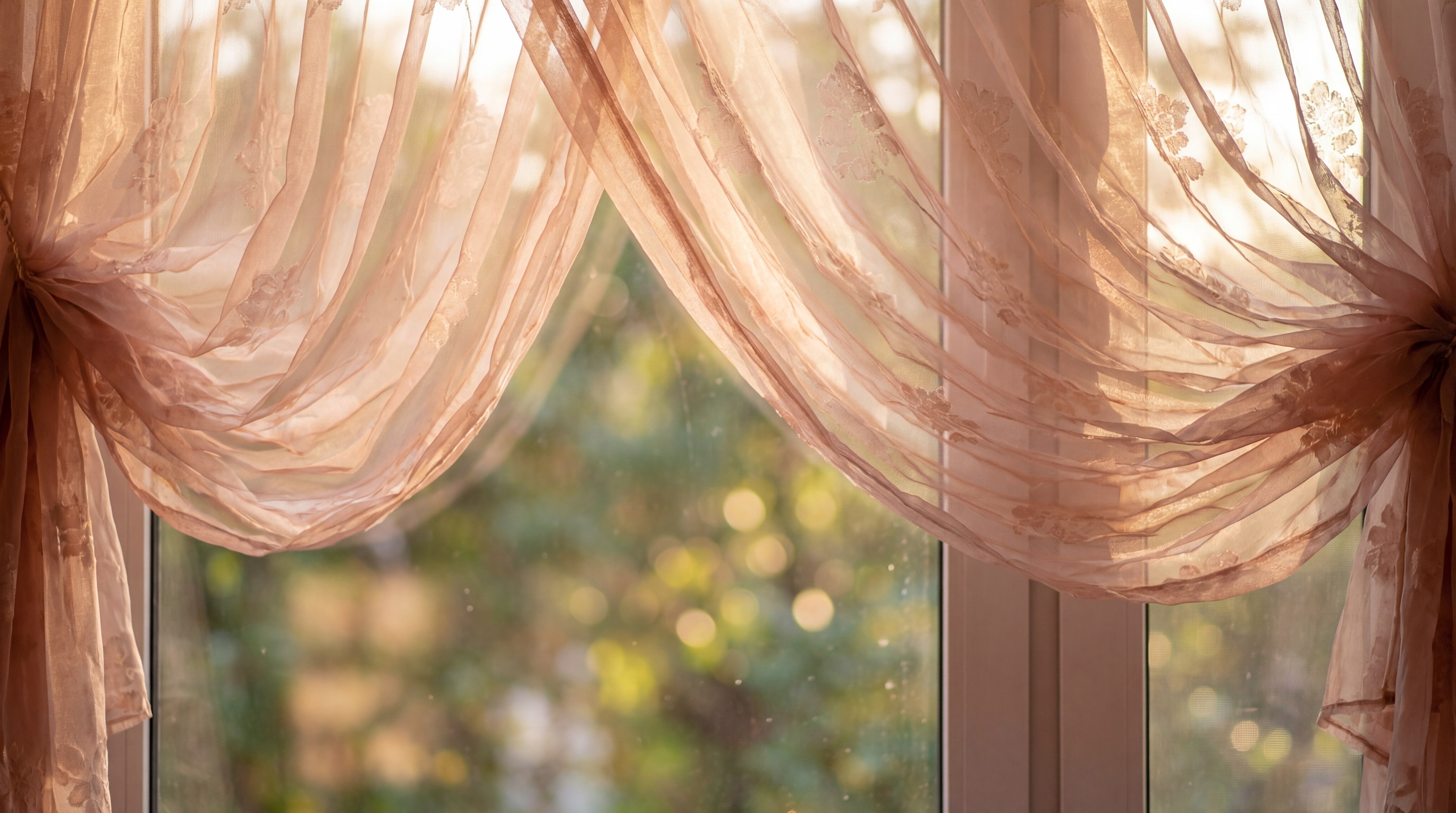
Decorative types of tulle fabric are manufactured by applying specialized finishes like glitter, flocking, or embroidery to a base mesh. These enhancements transform a plain utility fabric into a visually striking material suitable for evening wear or home decor. Modern manufacturing allows for intricate patterns to be bonded permanently to the delicate mesh fibers.
Embellishment Techniques
Point d’Esprit is a classic decorative tulle featuring small flocked dots scattered across the fabric. This texture adds a vintage charm that is popular in both fashion and interior design.
Keep this in mind:
- Flocking: Adds a soft, velvet-like 3D texture.
- Glitter Bonding: Provides a festive, sparkling effect.
- Mechanical Embroidery: Creates lace-like floral motifs.
- Metallic Foiling: Adds a modern, high-shine finish.
Key Takeaway
| Finish | Visual Style | Common Use | |
|---|---|---|---|
| Flocked Dots | Vintage / Playful | Blouses & Curtains | |
| Glitter | Glamorous / Bold | Costumes | |
| Embroidered | Elegant / Ornate | Formal Overlays |
Decorative tulles offer an easy way to add detail and personality to a project without manual embellishment.
Do industrial types of tulle fabric have home applications?
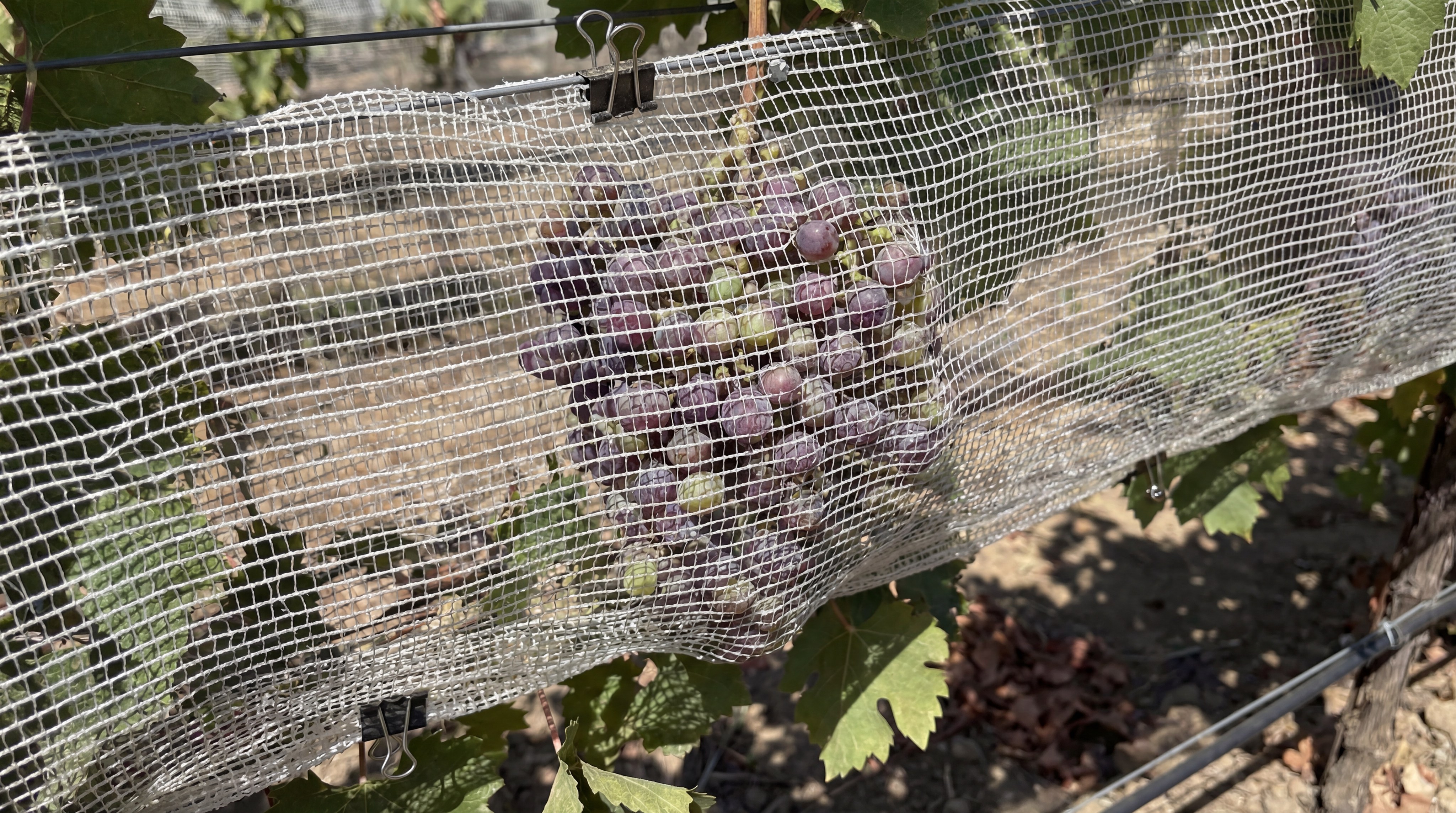
Industrial types of tulle fabric , often referred to as utility mesh, have numerous home applications ranging from gardening to organization. These fabrics are much stronger than apparel-grade tulle and are designed to withstand harsh environments. Their durability makes them ideal for practical DIY projects that require a breathable yet tough barrier.
Practical Uses Around the House
In the garden, heavy-duty tulle can be used as a bird net or insect barrier to protect delicate crops. Inside the home, it serves as the perfect material for laundry bags or produce storage sacks.
The point is:
- UV Resistance: Withstands prolonged sun exposure.
- High Tensile Strength: Resists tearing and puncturing.
- Airflow: Allows plants and laundry to breathe.
- Washability: Can be cleaned repeatedly without degrading.
Key Takeaway
| Industrial Mesh | Home Benefit | Project Idea | |
|---|---|---|---|
| Utility Net | Pest Protection | Garden Covers | |
| Heavy Mesh | Durable Storage | Laundry Sacks | |
| Fine Utility | Filtration | Sieve Liners |
Utilizing industrial-grade mesh provides a cost-effective and long-lasting solution for household utility needs.
Why choose specific types of tulle fabric for crafting?
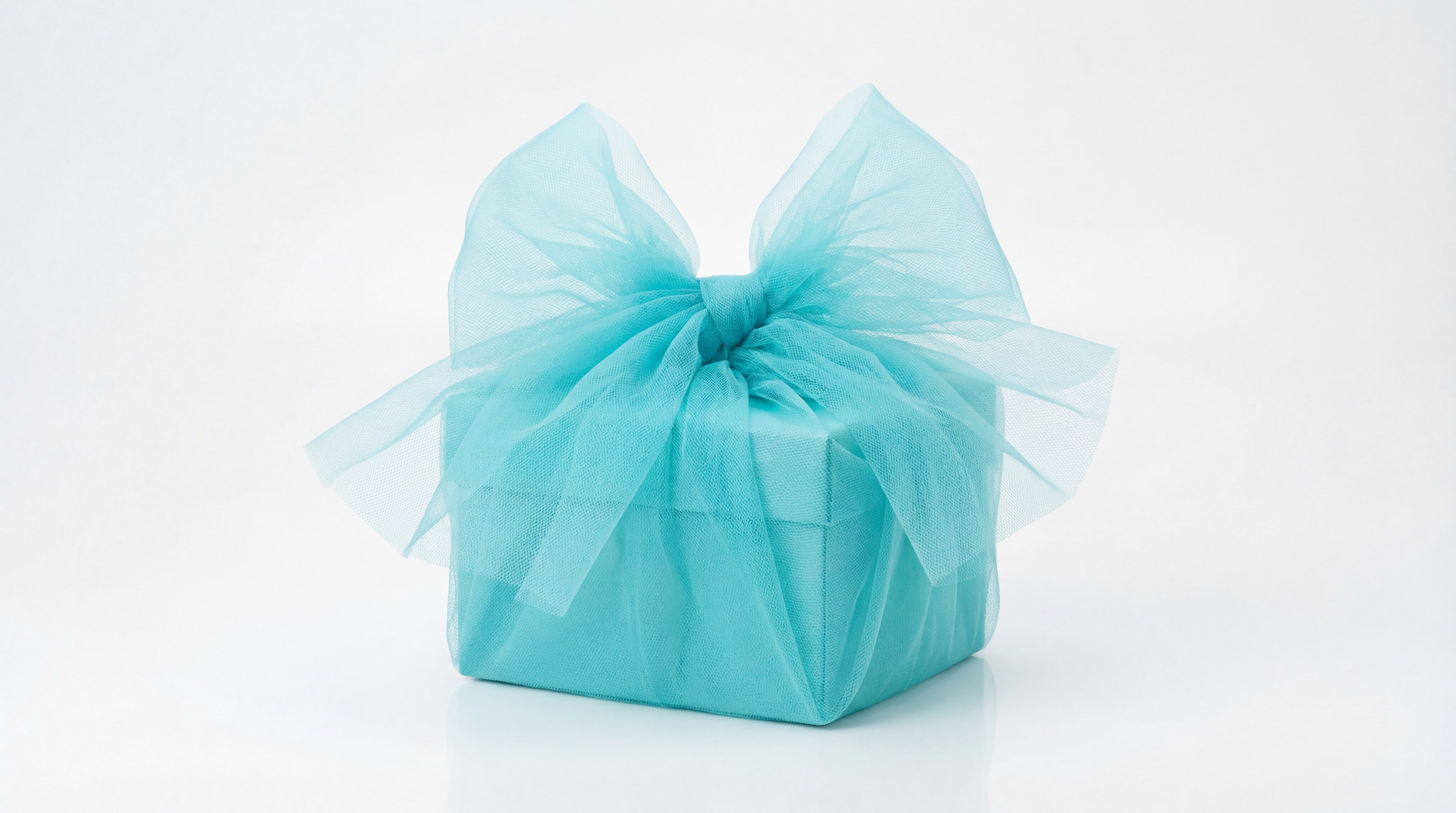
Crafters choose specific types of tulle fabric, such as spool tulle or ribbon tulle, because they are pre-cut for ease of use. These varieties eliminate the need for measuring and cutting large bolts of fabric, making them perfect for quick projects like gift wrapping or party favors. Their accessibility and wide color range make them a staple in any craft room.
Small Scale Crafting Efficiency
Spool tulle is specifically wound onto rolls, allowing crafters to pull and cut exactly what they need for bows or wreaths. This convenience reduces fabric waste and saves significant time during assembly.
The magic is:
- No-Sew Friendly: Easy to knot and tie.
- Portability: Small rolls are easy to store and carry.
- Variety: Available in neons, pastels, and glitters.
- Affordability: Low price point for high-volume decor.
Key Takeaway
| Craft Format | Dimension | Best Project | |
|---|---|---|---|
| Tulle Spools | 6-inch Width | Tutus & Bows | |
| Ribbon Tulle | 1-3 inch Width | Gift Wrapping | |
| Novelty Sheets | Pre-cut squares | Party Favors |
Craft-ready formats allow for creative expression without the technical hurdles of handling large-scale yardage.
Understanding the diverse landscape of tulle ensures that your projects are built on the right foundation, solving the common frustrations of poor drape or lack of volume. At TulleMesh, our vision is to empower every designer and hobbyist with the highest quality textiles to bring their most imaginative visions to life. We are dedicated to providing clarity in fabric selection so you can focus on the joy of creating. If you need assistance selecting the perfect mesh for your next masterpiece, please contact us today for expert guidance.
Frequently Asked Questions
Can I wash all types of tulle fabric in a machine?Generally speaking, only synthetic polyester and nylon tulles can handle a gentle machine cycle, while silk and embellished varieties require careful hand washing or dry cleaning.
Is there a difference between tulle and netting?Yes, definitely, as tulle is technically a specific, finer subtype of netting characterized by a very small hexagonal mesh and a softer finish.
Does tulle fabric fray when you cut it?Absolutely not, because the mesh is constructed through a series of interlocking knots or loops, meaning you can leave the edges raw without fear of unraveling.
What is the best way to remove wrinkles from tulle?It depends on the fiber, but using a handheld steamer is the safest and most effective method for all varieties to avoid melting the delicate threads.
Can I dye synthetic tulle at home?Not necessarily, because while nylon takes acid dyes very well, polyester requires high-heat disperse dyes that are much more difficult to use in a home kitchen.