Tulle fabric by the yard is a versatile, lightweight mesh material sold in continuous lengths that gives you complete control over the volume, drape, and layering of your sewing or craft projects. You have likely spent hours struggling with stiff, itchy netting that scratches the skin and ruins the delicate silhouette of your handmade garments. It is incredibly frustrating to invest your time and creativity into a project only to have the final result look cheap or feel uncomfortable for the wearer. The perfect solution is to upgrade your materials to premium soft tulle fabric , which provides the ethereal glow and luxurious feel your designs deserve.
Can you dye soft tulle fabric at home?
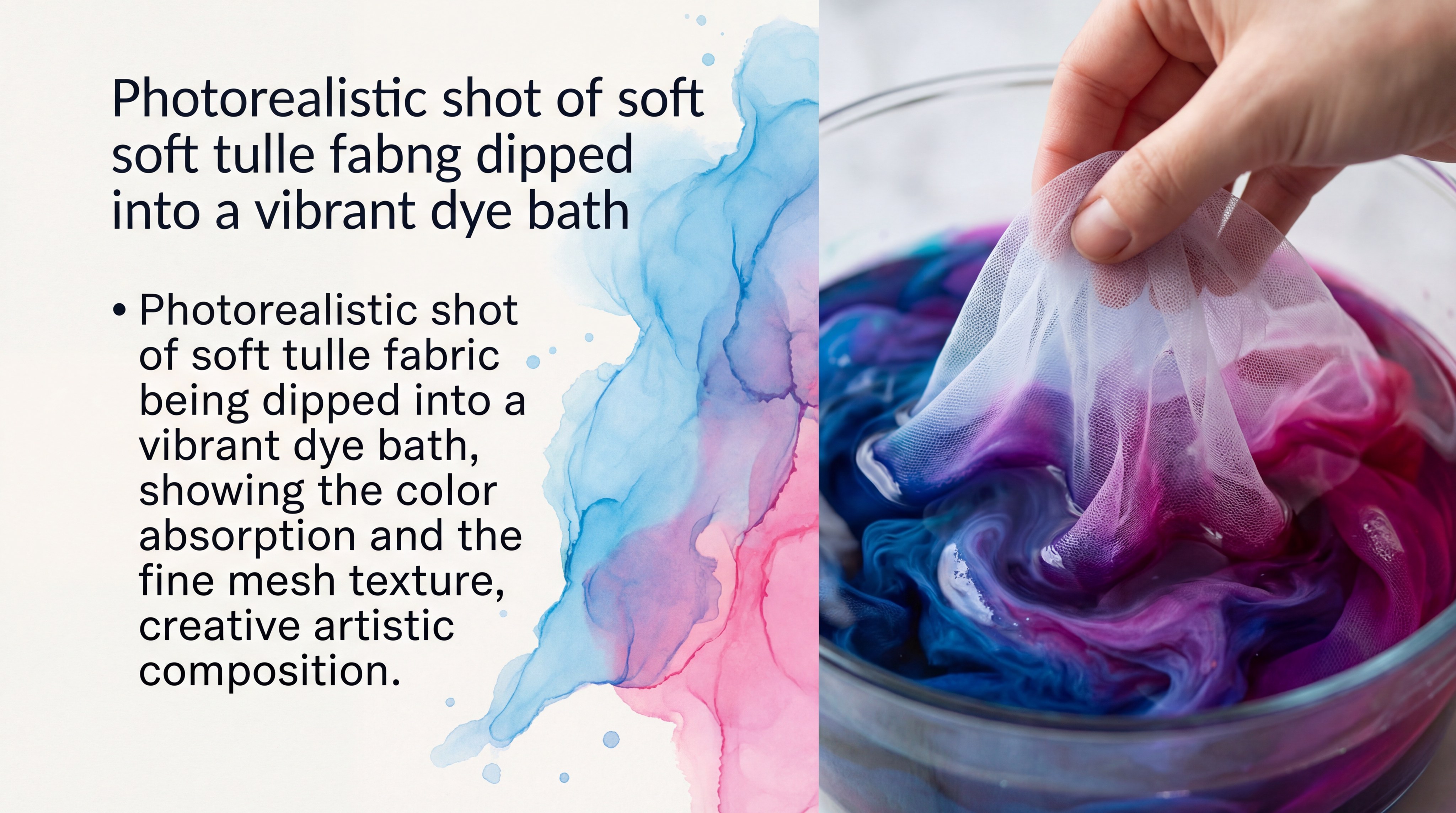
Yes, you can dye soft tulle fabric at home using synthetic-fiber dyes as long as the material is made from nylon or polyester. Because most high-quality mesh is composed of nylon, it absorbs acid dyes and even all-purpose dyes quite effectively to create custom gradients or solid shades. You should always perform a patch test on a small scrap of fabric before committing your entire yardage to the dye bath.
Customizing your colors allows you to match specific wedding themes or theatrical costumes perfectly. Many designers prefer to start with a neutral white or ivory base to ensure the final hue is vibrant and true to their vision. This flexibility is what makes working with professional-grade textiles so rewarding for creative artists.
What materials do you need for a DIY dye bath?
You will need a few essential items to ensure your coloring process is successful and mess-free. Having a dedicated stainless steel pot is vital because it maintains heat consistently and won’t stain like plastic or ceramic.
- A large stainless steel or enamel pot.
- Synthetic-specific liquid or powder dye.
- Long-handled tongs for agitation.
- Protective gloves and a drop cloth.
Here is the kicker: the temperature of your water is the most critical factor in how well the dye bonds to the mesh. If the water is too cold, the color will be patchy, but if it is boiling, you risk melting the delicate fibers.
How do you achieve a perfect ombre effect?
Creating a gradient requires a slow and methodical dipping process that builds color intensity at one end of the fabric. You begin by dipping the entire piece into a light dye bath and then gradually lowering only the bottom sections into a more concentrated solution.
“The secret to a seamless ombre transition is constant movement and varying the immersion time for each layer of the mesh.”
Key Takeaway: Dyeing your own mesh provides a level of customization that store-bought colors simply cannot match for specialized projects.
| Material Type | Dye Compatibility | Recommended Dye | Color Fastness | |
|---|---|---|---|---|
| Nylon Tulle | High | Acid Dye | Excellent | |
| Polyester Tulle | Moderate | Disperse Dye | Good | |
| Silk Tulle | High | Natural/Acid Dye | Fair |
Analysis: This table illustrates that nylon-based mesh is the superior choice for home dyeing due to its high compatibility with standard acid dyes.
Is soft tulle fabric ideal for wedding decor?
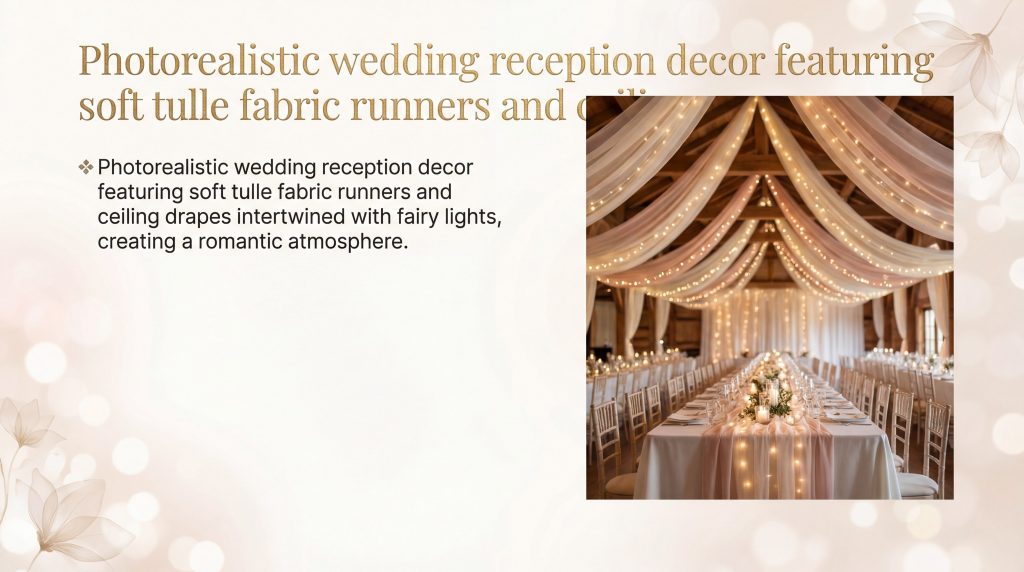
Using soft tulle fabric for wedding decor is an excellent choice because its airy transparency adds a romantic, ethereal atmosphere to any venue. You can easily drape it over ceilings, wrap it around pillars, or use it as a delicate table runner to soften the look of the room. Its ability to catch and diffuse light makes it a favorite for planners aiming for a high-end aesthetic on a reasonable budget.
Can you combine fairy lights with mesh?
Integrating lighting with your fabric drapes creates a magical glow that transforms the entire reception space. The fine mesh of the fabric acts as a filter, hiding the wires of the lights while allowing the tiny bulbs to twinkle like stars through the layers.
- LED fairy lights (cool touch).
- Clear zip ties or fishing line.
- Safety pins for secure attachment.
- Extension cords for power access.
But wait, there is more: you can also use this combination to create stunning backdrops for photo booths or head tables. The layering of light and fabric provides depth that looks incredible in professional wedding photography.
Why is yardage better than pre-cut rolls for decor?
Buying by the yard allows you to cover massive distances without having unsightly seams or knots in your drapes. When you are decorating a large ballroom or a high-ceilinged barn, having 40 or 50 continuous yards ensures a fluid and professional finish.
Check this out: buying in bulk often allows you to explore other options like glitter tulle for added sparkle. This ensures your event has a cohesive look from the entrance to the cake table.
Key Takeaway: Bulk yardage is the most cost-effective and visually seamless way to handle large-scale event decorations.
| Decor Element | Recommended Yardage | Purpose | Effect | |
|---|---|---|---|---|
| Ceiling Swags | 50+ Yards | Vertical Interest | Romantic/Grand | |
| Table Runners | 5-10 Yards | Texture | Soft/Intimate | |
| Chair Sashes | 2-3 Yards per Chair | Accent | Coordinated |
Analysis: The data confirms that ceiling swags require the most significant investment in yardage to achieve the desired dramatic impact.
Which needle works best for soft tulle fabric?
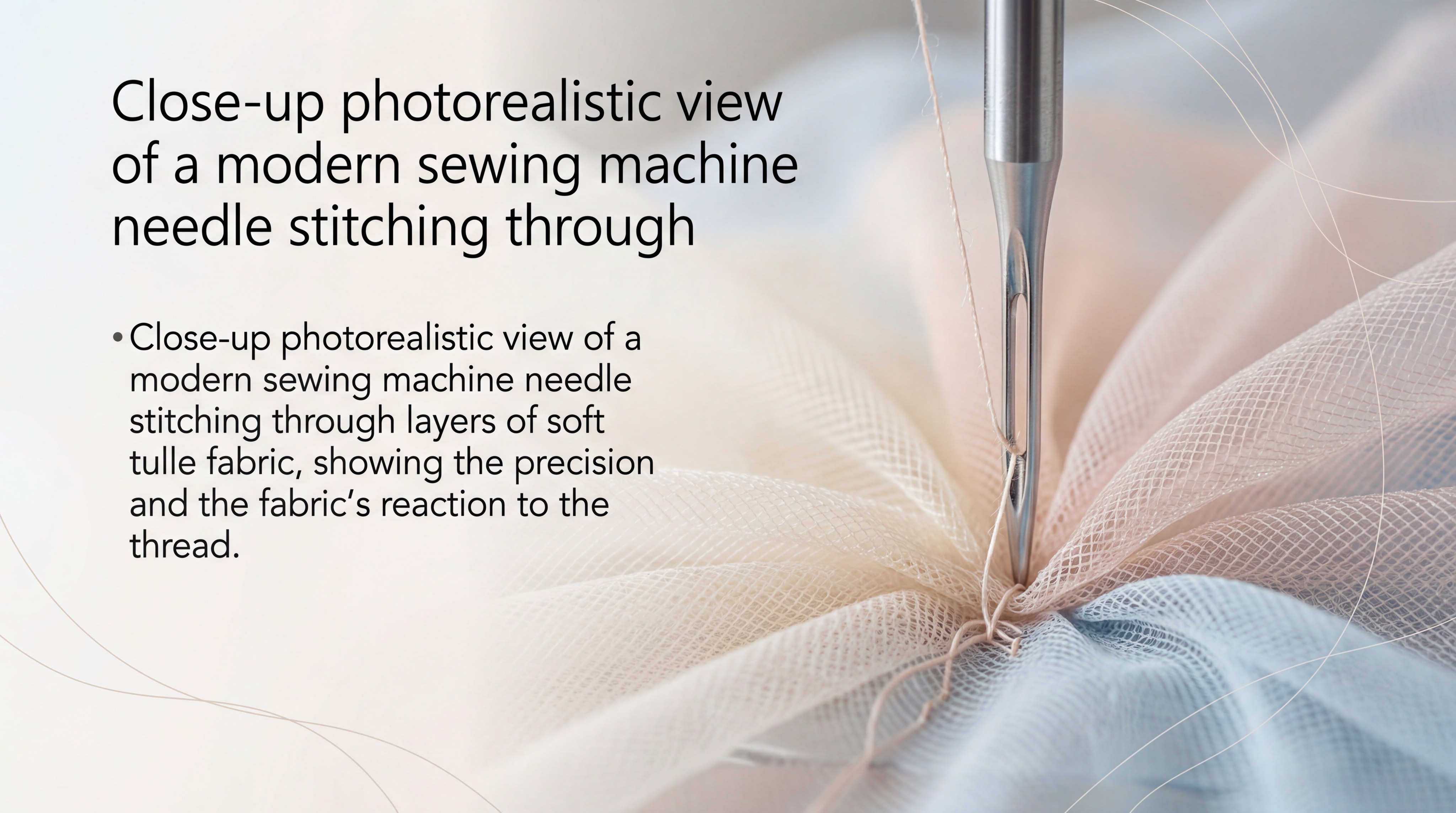
The best needle for sewing soft tulle fabric is a size 70/10 or 80/12 Universal or Microtex needle, as these are sharp enough to pierce the mesh without snagging. You should avoid using heavy-duty or dull needles, which can cause the delicate threads of the fabric to pull or tear during the stitching process. Using the correct needle ensures your seams remain flat and professional-looking throughout the assembly of your garment.
How do you prevent the fabric from being “eaten” by the machine?
One of the most common frustrations is the fabric being pulled down into the needle plate at the start of a seam. You can prevent this by using a scrap of tissue paper or water-soluble stabilizer underneath the fabric while you sew.
- Use a straight stitch plate if available.
- Hold the thread tails firmly when starting.
- Place tissue paper under the seam line.
- Maintain a slow and steady sewing speed.
Believe it or not: simply moving your needle position slightly to the left or right can sometimes give the feed dogs a better grip on the fine mesh. Small adjustments often lead to the biggest improvements in stitch quality.
Should you use a specific thread type?
A high-quality polyester thread is the most reliable choice for sewing mesh because it is strong, slightly elastic, and resistant to fraying. Since tulle doesn’t have a traditional weave, the thread needs to be smooth to glide through the small holes of the mesh without creating friction.
You might be wondering: “Can I use invisible thread?” While it is an option for hems, it can be difficult to manage and may become brittle over time compared to standard polyester.
Key Takeaway: Precision in tool selection—specifically using sharp, small needles—is the foundation of successful tulle construction.
| Needle Type | Size | Suitability | Potential Issue | |
|---|---|---|---|---|
| Microtex | 70/10 | Excellent | Very fragile needle | |
| Universal | 80/12 | Good | May snag very fine mesh | |
| Ball Point | 70/10 | Fair | Not sharp enough for mesh |
Analysis: Microtex needles are the clear winner for precision, though they require a more delicate hand from the sewist.
How should you wash soft tulle fabric?
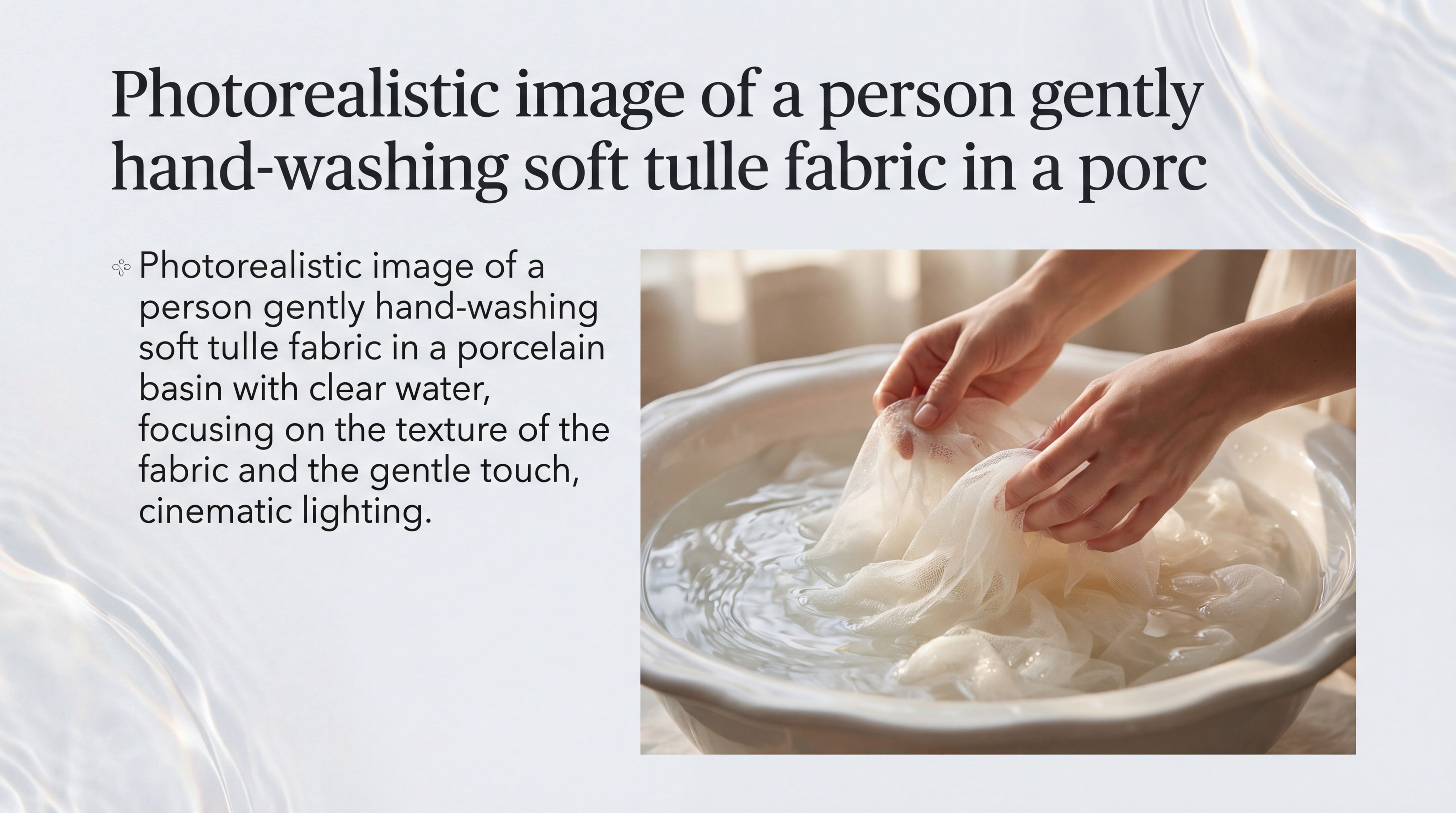
You should wash soft tulle fabric by hand in cool water using a very mild detergent to preserve the integrity of the delicate mesh. Machine washing is generally too aggressive and can lead to tangling, tearing, or the loss of the fabric’s signature “bounce.” By gently swirling the fabric in a basin, you can remove dust and oils without compromising the structure of your garment.
Is it safe to use a dryer for mesh?
Never put your mesh garments in a tumble dryer, as the high heat can literally melt the synthetic fibers or cause permanent wrinkling. Instead, you should lay the fabric flat on a clean towel or hang it up to air dry in a spot away from direct sunlight.
- Use a large, clean porcelain or plastic basin.
- Rinse thoroughly with cool, clear water.
- Press out excess water with a towel; do not wring.
- Hang on a padded hanger to air dry.
Listen to this: if the fabric feels stiff after washing, a tiny amount of fabric softener in the final rinse can help restore its original suppleness. This is especially helpful for older garments that have become “crunchy” over time.
How do you handle stubborn stains?
If you get a stain on your mesh, you must treat it immediately by blotting rather than rubbing. Rubbing the mesh will distort the holes and can cause a permanent “fuzzy” spot on the surface of the fabric.
Truth be told: most stains on synthetic mesh will lift easily with a bit of dish soap and a soft-bristled toothbrush. Just be sure to work from the outside of the stain toward the center.
Key Takeaway: Hand washing and air drying are the only ways to guarantee your mesh remains in pristine condition for years.
| Cleaning Method | Safety Rating | Risk Factor | Time Required | |
|---|---|---|---|---|
| Hand Wash | 5/5 | Minimal | 30 Minutes | |
| Dry Clean | 4/5 | Chemical damage | 2-3 Days | |
| Machine Wash | 1/5 | Tearing/Melting | 45 Minutes |
Analysis: Hand washing is the safest and most efficient method for maintaining the longevity of delicate synthetic textiles.
Why is soft tulle fabric used in luxury gowns?
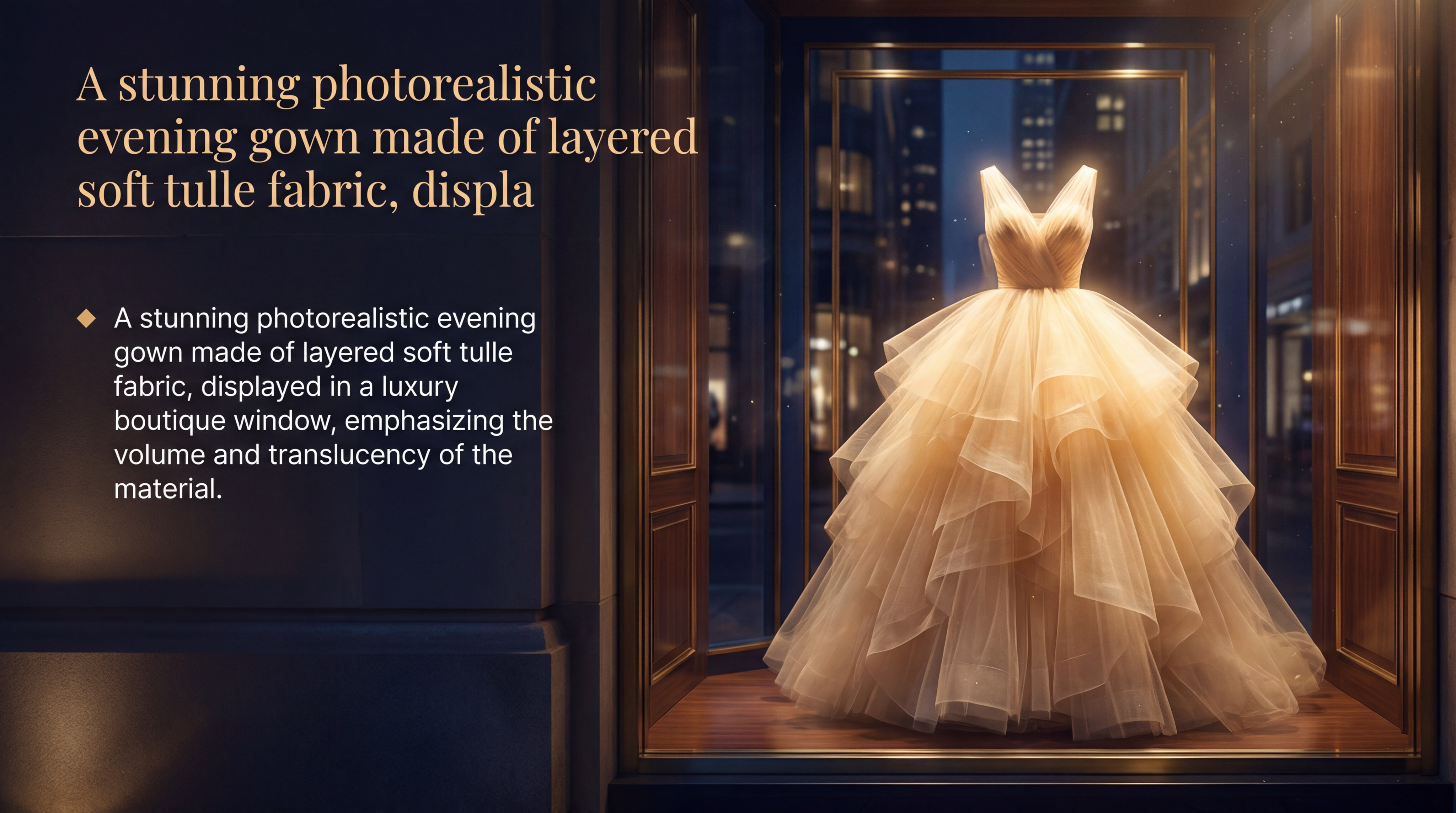
Soft tulle fabric is a staple in luxury evening wear because it creates incredible volume and architectural shapes without adding significant weight to the garment. Designers love the way it can be layered to create different levels of transparency and color depth, giving a gown a sense of mystery and movement. When you see a dress that looks like it is floating on air, it is almost certainly constructed from high-quality, fine-gauge mesh.
How much yardage is required for a ball gown?
Creating a truly voluminous skirt requires much more fabric than most beginners realize. For a standard floor-length ball gown with multiple tiers, you might need anywhere from 20 to 50 yards of material.
- Base layer for structure.
- Middle layers for color depth.
- Top layer for a flawless finish.
- Extra yardage for ruffles or trains.
The best part? Because the fabric is so lightweight, even 50 yards of it won’t feel heavy for the wearer. This allows for maximalist designs that remain comfortable throughout an entire evening or gala.
Can you mix different mesh types for effect?
Luxury designers often mix standard soft mesh with specialty options like bolt tulle to achieve specific textures. By placing a stiffer mesh on the inner layers, they provide the “lift” needed to support the softer, more delicate layers on the outside.
Wait, there is more: you can also incorporate embroidered or sequined mesh to add focal points to the bodice or hemline. This layering technique is the hallmark of couture dressmaking.
Key Takeaway: Layering is the fundamental technique used to transform simple mesh into a high-fashion masterpiece.
| Layer Number | Fabric Function | Visibility | Impact | |
|---|---|---|---|---|
| Layer 1 (Inner) | Structural Support | Hidden | High | |
| Layer 2-5 (Mid) | Color/Volume | Partially | Moderate | |
| Layer 6 (Outer) | Aesthetics/Finish | Fully | High |
Analysis: The outer and inner layers are the most critical for the overall success of a luxury gown’s silhouette.
What are the weights of soft tulle fabric?
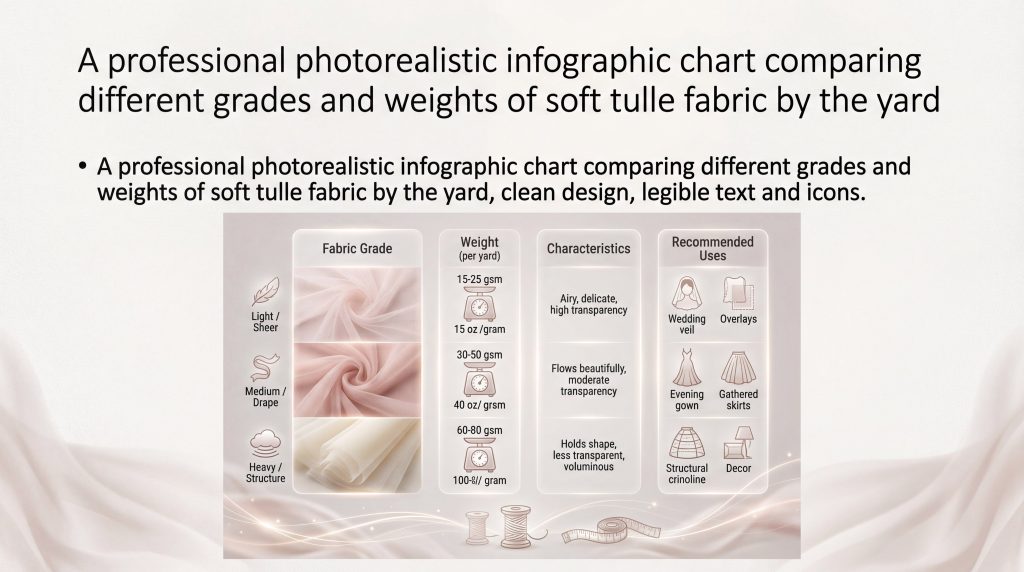
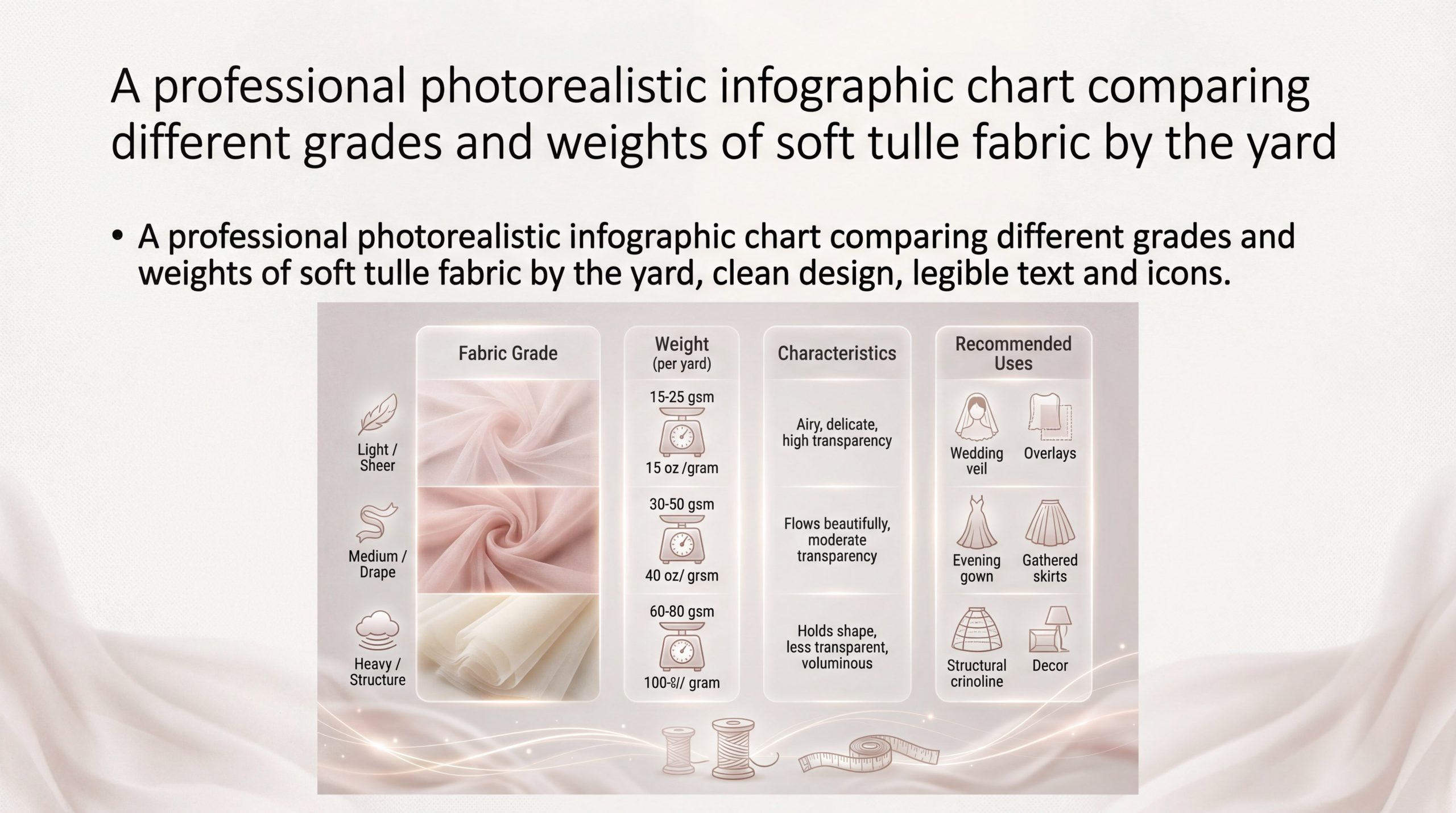
The weight of soft tulle fabric is typically measured in grams per square meter (GSM) or by the size of the hexagonal holes in the mesh. Generally, lower GSM fabrics are lighter and more transparent, while higher GSM versions offer more structure and opacity for specific applications. Understanding these weights is crucial for choosing the right material for everything from a delicate veil to a sturdy petticoat.
Is there a difference between “Illusion” and “Standard” mesh?
Illusion mesh is the lightest weight available and is designed to be virtually invisible against the skin, making it perfect for necklines and sleeves. Standard mesh has a slightly larger hole size and more body, which makes it better suited for full skirts and decorative accents.
- Illusion: 10-15 GSM (Fine).
- Standard: 18-25 GSM (Medium).
- Structural: 30+ GSM (Heavy).
- Diamond Net: Varied (Geometric).
Here is the kicker: the “softness” of the fabric isn’t always tied to the weight. You can find heavy-weight mesh that is still incredibly soft to the touch if it has been treated with the right finishes.
How do you determine the GSM you need?
You should choose your fabric weight based on the specific “bounce” or “drip” you want your project to have. If you want a skirt that stands out horizontally, go for a higher weight; if you want it to flow like water, stick to the lightest options.
Bottom line? Checking a comparison chart before you buy can save you from ordering a fabric that is too stiff for your intended design.
Key Takeaway: Matching the fabric GSM to your project’s structural needs is the secret to professional-grade results.
| Grade | GSM Range | Best Use | Transparency | |
|---|---|---|---|---|
| Light | 10-15 | Veils/Sleeves | Very High | |
| Medium | 18-25 | Skirts/Gowns | Moderate | |
| Heavy | 30-50 | Crinolines/Decor | Low |
Analysis: Most general sewing projects fall into the Medium grade, offering the best balance between workability and aesthetic appeal.
Does soft tulle fabric make the best bridal veils?
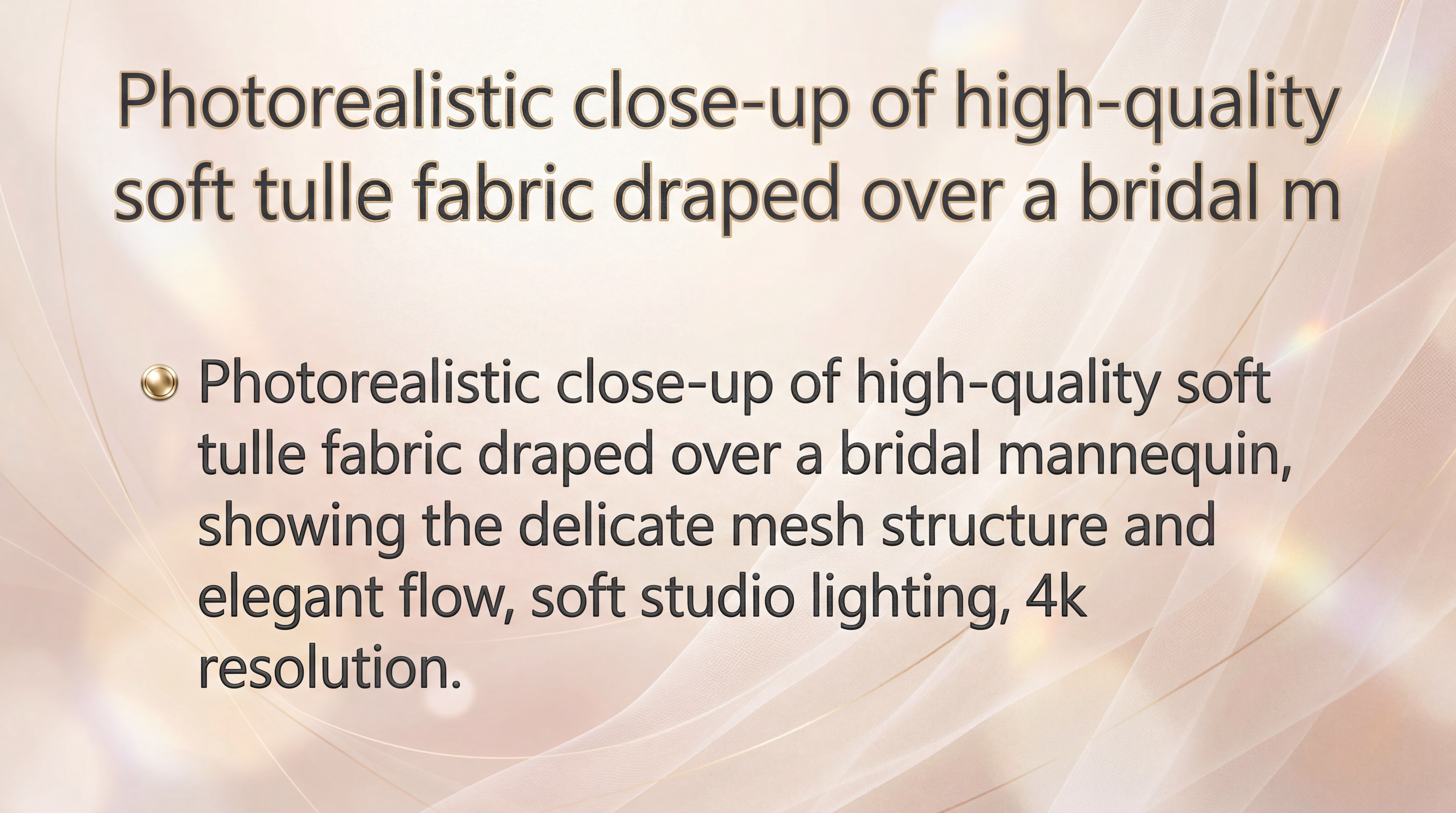
Soft tulle fabric is considered the gold standard for bridal veils because it drapes beautifully and allows the details of the wedding dress to show through the sheer layers. Unlike stiffer netting, soft mesh won’t “poof” awkwardly away from the bride’s head, instead falling in elegant, graceful folds. This material is also very easy to cut without fraying, which allows for clean, raw edges that look sophisticated and modern.
How do you finish the edges of a veil?
While many brides prefer a simple raw edge, you can also add lace, ribbon, or beads to the perimeter of your veil for a more traditional look. If you are a beginner, learn more about us and our tips for handling delicate bridal materials.
- Raw edge (clean cut).
- Rolled hem (serged).
- Lace appliqué (hand-sewn).
- Ribbon binding (satin).
Check this out: using a rotary cutter instead of scissors will give you a much straighter and more professional raw edge. It prevents the “jagged” look that can sometimes occur when using traditional shears on fine mesh.
What is the best way to attach a comb?
Attaching the mesh to a comb requires gathering the fabric tightly to create a “pouff” before securing it with strong thread. You should wrap the top of the comb in a bit of matching ribbon to provide a stable base for your stitches.
“A well-attached comb should be invisible from the front, making the veil appear as though it is floating from the hair.”
Key Takeaway: The sheer quality and drape of soft mesh make it the unrivaled choice for classic and contemporary bridal veils.
| Veil Style | Yardage Needed | Recommended Mesh | Edge Style | |
|---|---|---|---|---|
| Cathedral | 3-4 Yards | Illusion | Raw Edge | |
| Fingertip | 1-2 Yards | Soft Mesh | Lace Trim | |
| Birdcage | < 1 Yard | Russian Net | Ribbon Edge |
Analysis: The Cathedral style requires the highest quality of Illusion mesh to ensure the long train doesn’t become too heavy or opaque.
Can you make a tutu with soft tulle fabric?
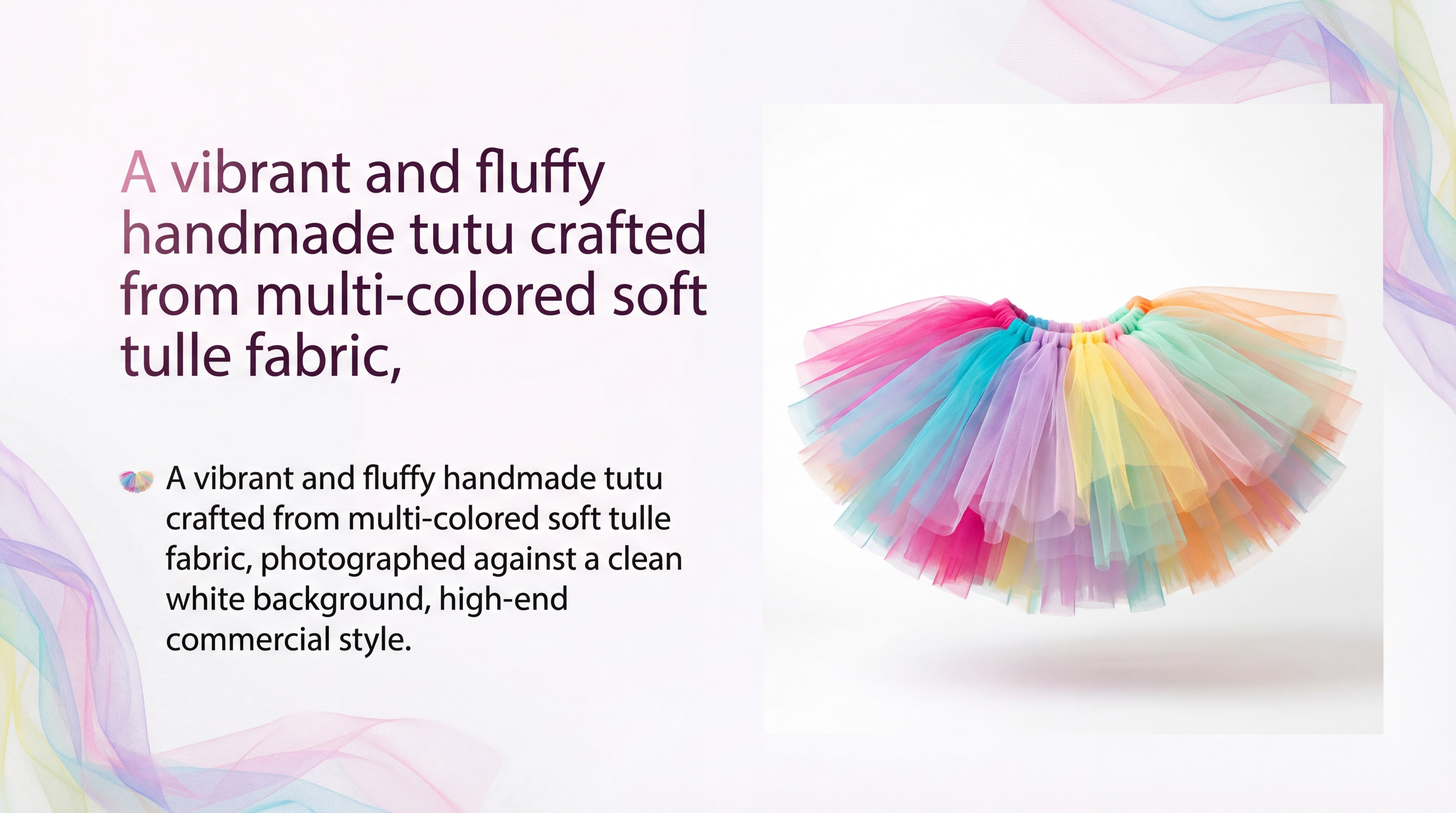
Making a tutu with soft tulle fabric is a popular and rewarding DIY project that results in a much more comfortable garment than those made with scratchy craft netting. Soft mesh is gentle against a child’s skin, making it the perfect choice for birthday outfits, dance costumes, or dress-up play. Because the fabric is so pliable, you can pack a large amount of yardage onto a waistband to create a tutu that is incredibly full and fluffy.
Is the “no-sew” knotting method effective?
The no-sew method involves looping strips of fabric around an elastic waistband, and it works exceptionally well with soft mesh. Because the material is soft, the knots sit flatter against the waist, preventing the “bulky” look often associated with stiffer materials.
- Pre-cut strips (6 inches wide).
- Elastic measured to waist size.
- Cardboard template for consistent length.
- Fabric shears or rotary cutter.
Think about it: using different colors like polka dot tulle mixed with solids can give your tutu a unique, whimsical personality. The variety of patterns available today makes custom tutus more exciting than ever.
How do you calculate how many strips you need?
For a standard toddler tutu, you will likely need between 50 and 80 strips of fabric to achieve a professional level of fullness. The thinner the fabric, the more strips you will need to prevent the elastic from showing through the gaps.
Believe it or not: you can use up to 10 yards of fabric for a single child’s tutu if you want it to be truly “over the top.” The more you add, the more the tutu will stand out on its own.
Key Takeaway: Soft mesh is the superior choice for tutus because it combines comfort for the wearer with maximum visual volume.
| Recipient | Strip Length | Total Yardage | Difficulty | |
|---|---|---|---|---|
| Infant | 10 Inches | 2-3 Yards | Very Easy | |
| Toddler | 14 Inches | 5-7 Yards | Easy | |
| Adult | 22+ Inches | 12+ Yards | Moderate |
Analysis: As the size of the tutu increases, the amount of yardage required grows exponentially to maintain a consistent level of fluffiness.
How do you store soft tulle fabric properly?
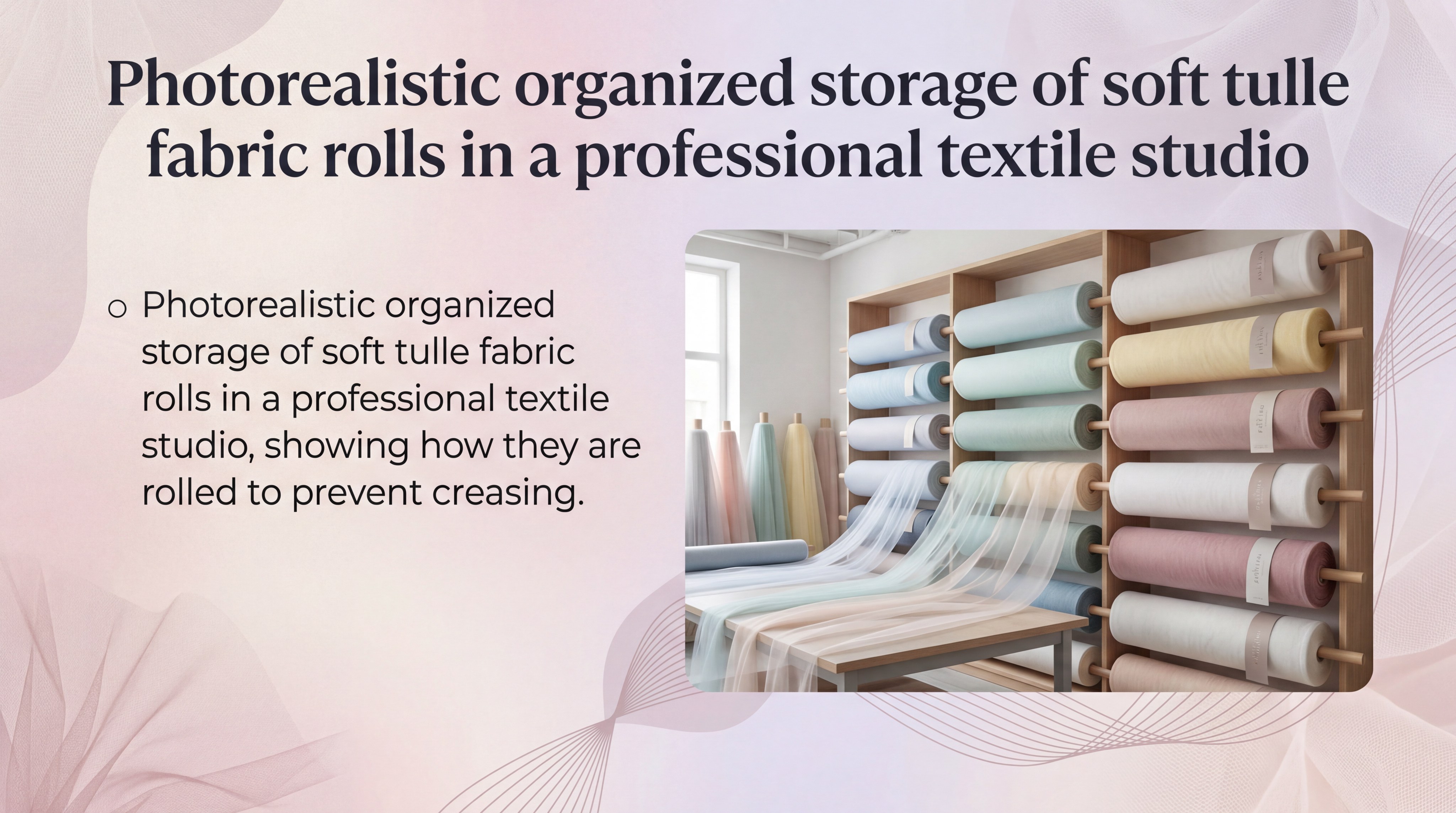
You should store soft tulle fabric by rolling it onto cardboard tubes or hanging it on padded hangers to prevent deep creases from forming. Folding the fabric is generally discouraged because the weight of the layers can press permanent lines into the mesh that are difficult to remove later. Keeping your fabric organized and protected from dust ensures it is ready for use whenever inspiration strikes.
Why is rolling better than folding?
Rolling the fabric maintains the natural tension of the mesh and prevents the fibers from being crushed at the fold lines. If you have limited space, you can buy fabric on the bolt which is already rolled and easy to stack on shelves.
- Cardboard or PVC rolling tubes.
- Acid-free tissue paper for white fabrics.
- Clear garment bags for long-term storage.
- Labeling system for color and yardage.
Here is the kicker: storing your fabric in a dark, cool place is essential because sunlight can cause synthetic dyes to fade or yellow over time. A climate-controlled closet is the ideal environment for a serious fabric stash.
How do you remove creases if they occur?
If you do find creases in your mesh, the safest way to remove them is with a handheld steamer or by hanging the fabric in a steamy bathroom. You must never use a standard iron directly on the mesh, as it will melt the plastic-based fibers instantly.
You might be wondering: “Can I use a low iron setting with a press cloth?” While possible, it is much riskier than steaming and should only be a last resort for very stubborn wrinkles.
Key Takeaway: Proper storage—specifically rolling—is the best way to maintain the aesthetic quality and “loft” of your mesh inventory.
| Storage Method | Space Efficiency | Crease Prevention | Accessibility | |
|---|---|---|---|---|
| Rolling | Moderate | Excellent | High | |
| Hanging | Low | Good | Moderate | |
| Folding | High | Poor | Low |
Analysis: Rolling offers the best balance of accessibility and fabric protection, making it the preferred method for professional studios.
How does soft tulle fabric compare to organza?
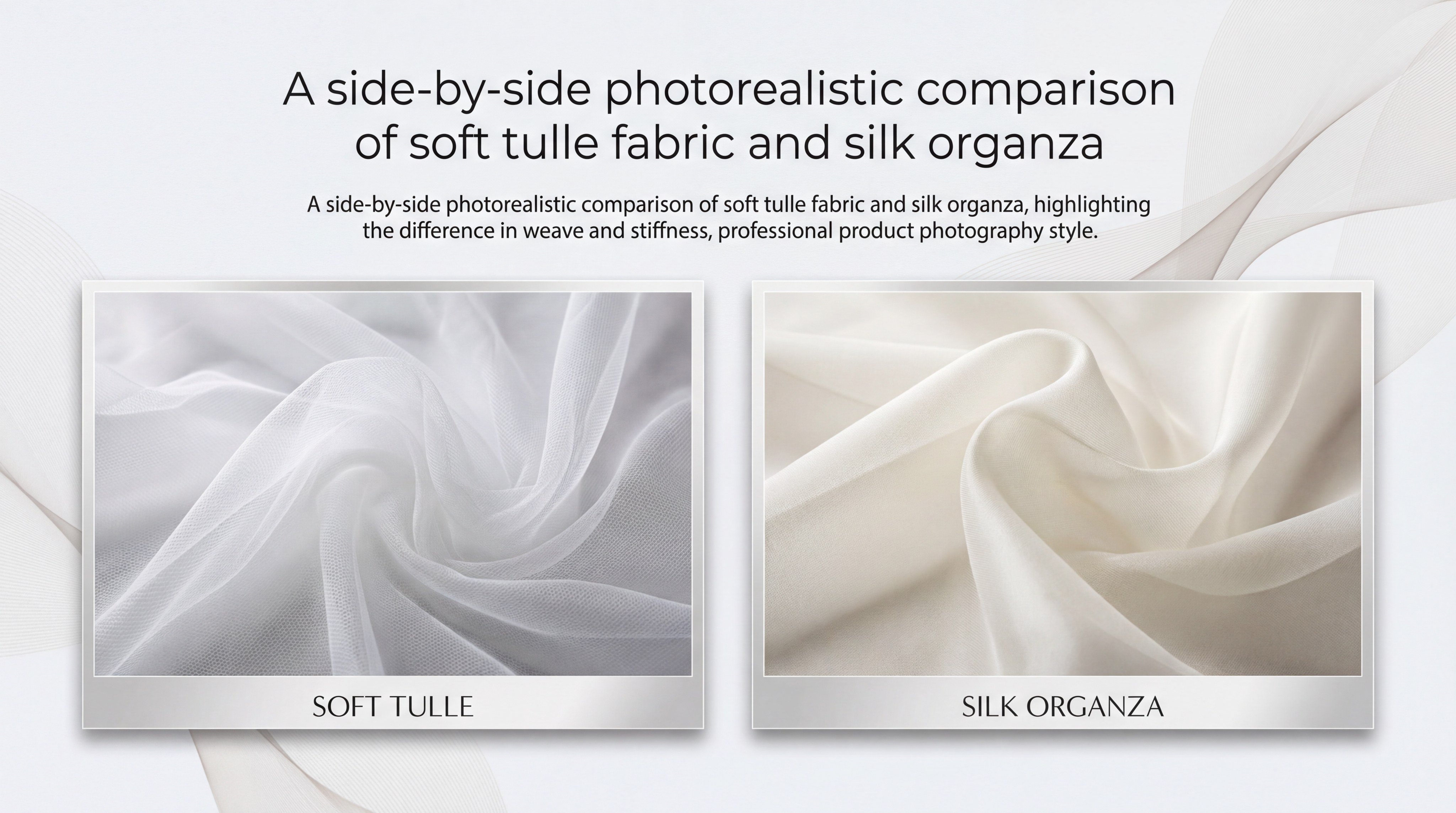
Comparing soft tulle fabric to organza reveals that while both are sheer, mesh is much more flexible and has a characteristic “net” structure that organza lacks. Organza is a plain-weave fabric that is naturally stiffer and more prone to wrinkling, whereas mesh is a knit material that resists creasing and provides a softer, cloud-like volume. Choosing between the two depends entirely on whether you want a crisp, structured look or a soft, flowing silhouette.
Which fabric is easier for a beginner to sew?
Mesh is generally considered easier for beginners because it doesn’t fray, meaning you don’t have to worry about finishing your seams or hems. Organza, on the other hand, frays the moment you cut it and requires specialized seams like French seams to look professional.
- No fraying (save time on hems).
- High elasticity (forgiving fit).
- Easy to gather (perfect for ruffles).
- Lightweight (easy for machine transport).
But wait, there is more: mesh is also much easier to “hide” mistakes in. Because of its holes, a slightly crooked seam is much less noticeable on mesh than it is on the smooth, shiny surface of organza.
Is mesh more durable than organza?
While both are delicate, mesh is surprisingly resilient because its knit structure allows it to stretch rather than tear when under tension. Organza is quite brittle and can easily “slip” at the seams if the garment is too tight or if the thread is too heavy.
The bottom line? For garments that need to move and breathe with the wearer, mesh is almost always the more practical and comfortable selection.
Key Takeaway: Mesh offers a more forgiving sewing experience and a softer aesthetic compared to the crisp, formal nature of organza.
| Feature | Soft Tulle | Silk Organza | Winner for Comfort | |
|---|---|---|---|---|
| Structure | Knit Mesh | Plain Weave | Tulle | |
| Fraying | None | High | Tulle | |
| Stiffness | Low | High | Tulle | |
| Drape | Flowing | Crisp | Tulle |
Analysis: For any project where skin contact and comfort are priorities, soft mesh is the statistically superior choice over organza.
Conclusion
Tulle fabric by the yard is the ultimate tool for anyone looking to add volume, romance, and professional flair to their creative projects. We have explored everything from the technical aspects of needle choice and washing to the artistic benefits of custom dyeing and luxury layering. At TulleMesh, our vision is to provide every crafter and designer with the highest quality materials to ensure their hard work results in a masterpiece that is both beautiful and comfortable. Whether you are planning a grand wedding or crafting a simple tutu, the right fabric makes all the difference in the world. If you have any remaining questions or need assistance with a large order, please contact us today to speak with our textile experts.
FAQ
Can I use a regular sewing machine for soft tulle fabric?Yes, a standard home sewing machine is perfectly capable of handling mesh as long as you use a sharp needle. You simply need to adjust your tension and speed to accommodate the lightweight nature of the material.
What is the best way to cut tulle straight?The most effective method is using a rotary cutter and a self-healing mat with a long acrylic ruler. This setup prevents the fabric from shifting and ensures a much cleaner edge than traditional scissors can provide.
Can I iron soft tulle fabric on a low setting?It is generally not recommended because even low heat can damage synthetic fibers. You should use a steamer or a press cloth if ironing is absolutely necessary for your specific project.
Is soft tulle fabric itchy on the skin?High-quality soft mesh is specifically designed to be gentle and non-irritating to the skin. This makes it much more comfortable for garments like bridal gowns and children’s tutus than standard craft netting.
How many yards are on a standard bolt of tulle?Most professional bolts contain 40 to 50 yards of fabric. This allows you to complete large-scale projects without the interruption of seams or color variations.