
How to add glitter to tulle fabric involves cleaning the mesh, applying a thin layer of permanent fabric adhesive, and evenly sprinkling fine-grain glitter before the glue sets. Picture a high-end gala where your custom gowns fail to catch the light, appearing dull and uninspired under the ballroom chandeliers. This lack of brilliance can diminish the perceived value of your professional designs and leave clients wanting more. By creating your own glitter tulle fabric , you ensure a bespoke shimmer that perfectly matches your artistic vision and elevates every garment.
Why choose glitter tulle fabric for professional designs?
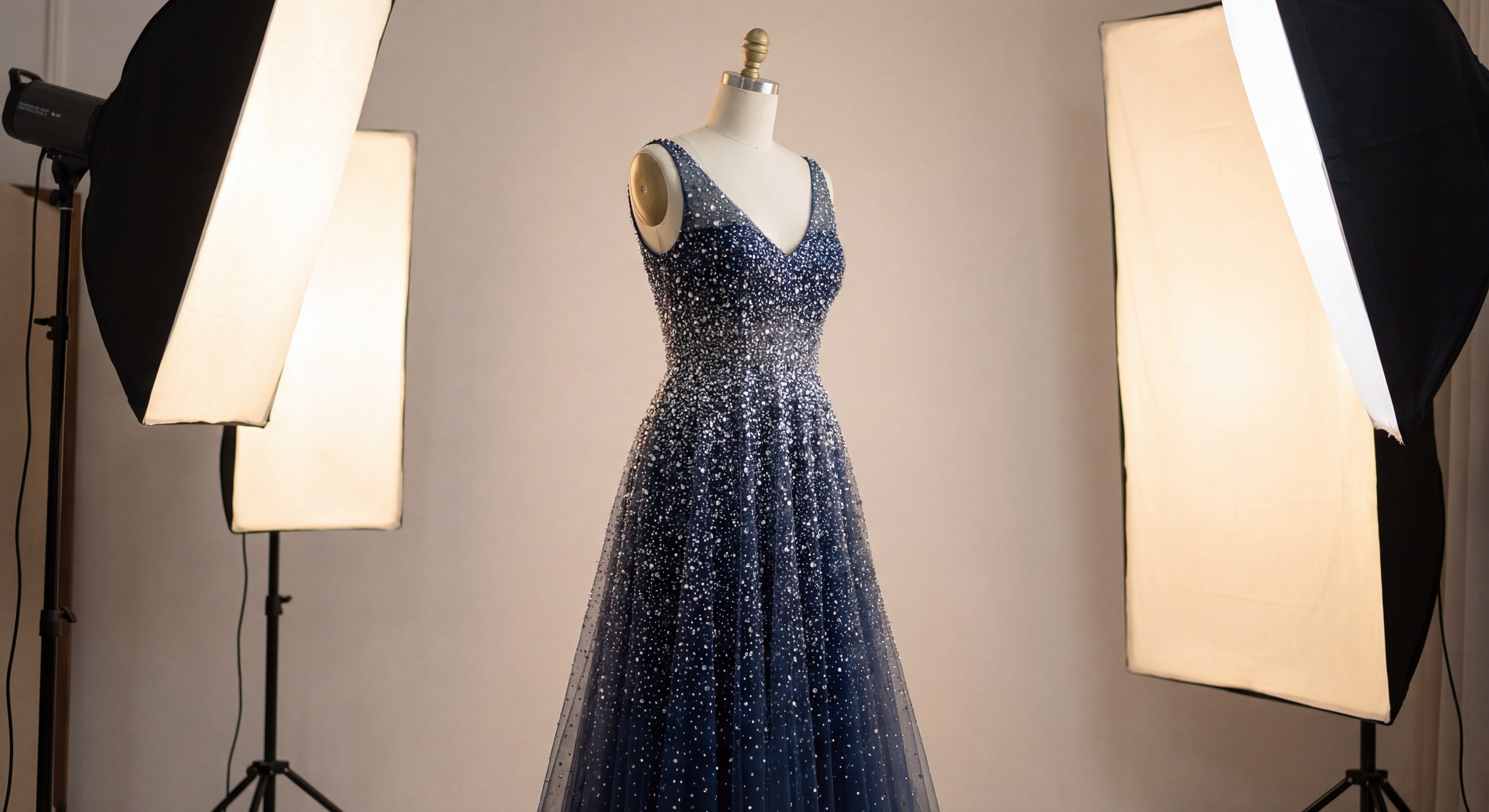
It provides a multi-dimensional sparkle that plain mesh cannot replicate, making it essential for high-end fashion focal points. Using glitter tulle fabric allows you to command higher price points for garments that interact dynamically with event lighting.
Enhancing visual impact
This material transforms basic mesh into a light-catching masterpiece for bridal and gala wear. You can control the specific shimmer density to meet the requirements of your bespoke collections.
Think about it:
- Reflects light better than matte finishes.
- Increases the perceived value of event decor.
- Provides a “wow” factor for photography.
Essential Design Insights
Customization offers unique design flexibility that pre-manufactured rolls cannot provide. You gain the ability to match specific color palettes and glitter grains perfectly.
| Feature | Impact | Benefit | |
|---|---|---|---|
| Visual Impact | High | Reflective and scattering light | |
| Customization | Excellent | Specific color and density matching | |
| Market Value | Premium | Ideal for luxury bridal and gala gowns |
Selecting specialized textures over standard mesh creates a superior foundation for any light-reflecting embellishment.
What materials create premium glitter tulle fabric ?
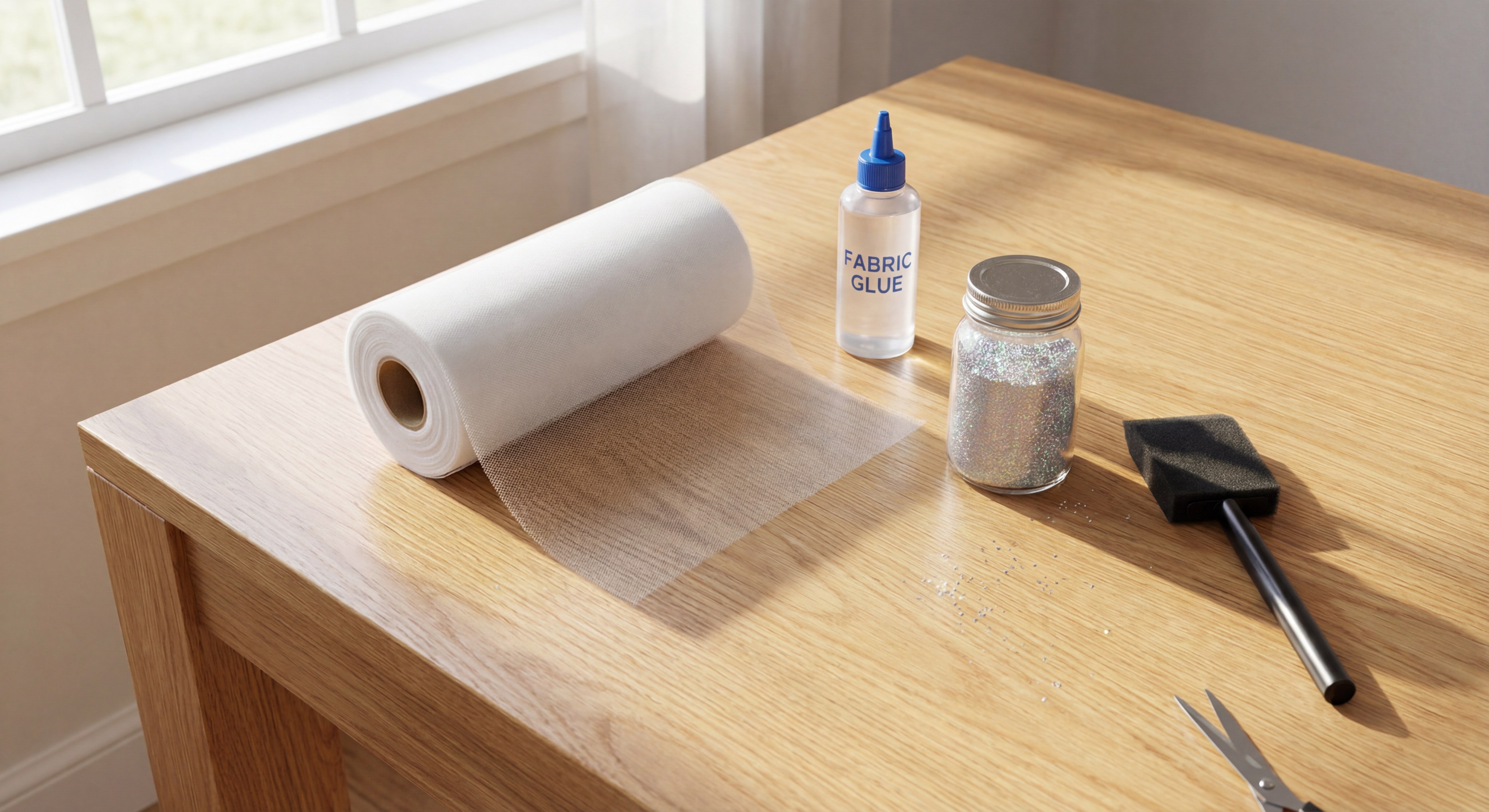
The primary materials required for high-quality glitter tulle fabric include high-grade mesh, fabric-specific adhesive, and ultra-fine grain glitter. You must also prepare protective workspace coverings to manage the inevitable spread of particles during application.
Selecting the right adhesive
Permanent fabric glues are superior for detailed work because they maintain flexibility once dry. You should avoid standard school glues that become brittle and cause the fabric to crack.
Here is the deal:
- Aerosol sprays provide fast, uniform coverage.
- Liquid glues allow for intricate pattern design.
- Flexible bonds prevent the glitter from shedding.
Essential Material Insights
Fine-grain glitter is essential for tulle because larger flakes often fail to adhere to the thin hexagonal mesh structure. You should always test a small scrap to ensure the adhesive does not react poorly with the synthetic fibers.
| Material | Recommended Type | Purpose | |
|---|---|---|---|
| Base Mesh | Soft tulle or power mesh | Foundation carrier | |
| Adhesive | Spray or permanent liquid | Bonding agent | |
| Glitter | Fine or ultra-fine grain | Aesthetic shimmer |
Professional-grade results depend entirely on the compatibility between the mesh density and the adhesive’s chemical composition.
How to prep your glitter tulle fabric for application?
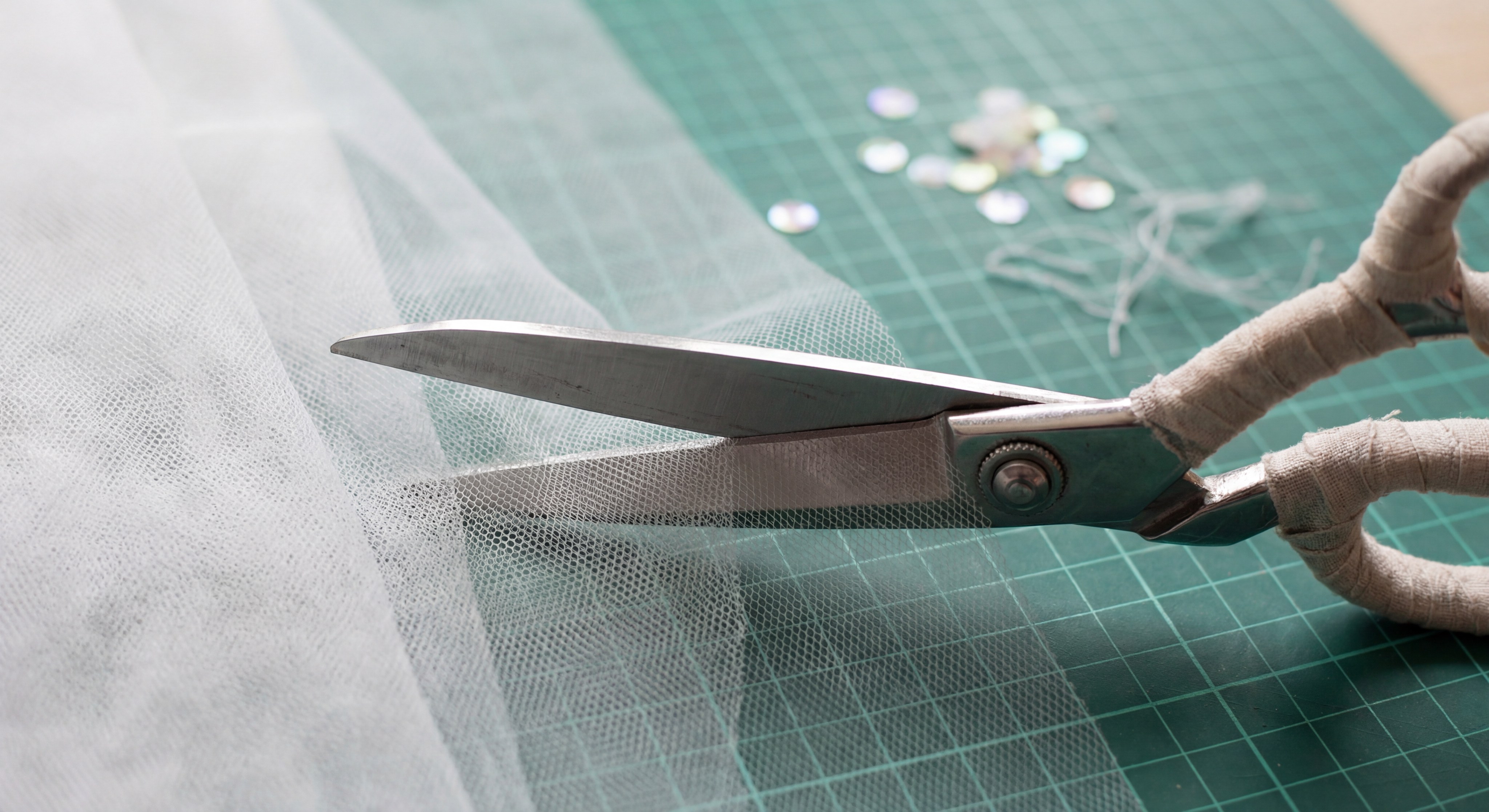
Preparing glitter tulle fabric involves ensuring the mesh is completely free of dust and static while cutting it to the exact dimensions needed. You must start with a clean surface to ensure the adhesive makes direct contact with the synthetic fibers.
Cleaning and de-static steps
A quick rinse in lukewarm water removes factory sizing treatments that can sometimes repel chemical adhesives. You should also use an anti-static wipe to prevent glitter from “jumping” during the sprinkling phase.
Believe it or not:
- Removes lint that blocks glue adhesion.
- Prevents clumping caused by static electricity.
- Ensures an even distribution of particles.
Essential Preparation Insights
Precise cutting is vital to prevent the mesh from shifting or fraying during the glue application process. You should use a sharp rotary cutter and a self-healing mat for the cleanest edges possible.
| Step | Action | Strategic Benefit | |
|---|---|---|---|
| Washing | Mild rinse and air dry | Removes sizing chemicals | |
| Cutting | Rotary cutter use | Ensures non-frayed edges | |
| De-static | Fabric softener wipe | Promotes even distribution |
Pre-treating the fabric for static and chemical residues is the most overlooked step in achieving long-lasting glitter adhesion.
How to apply glue to glitter tulle fabric ?
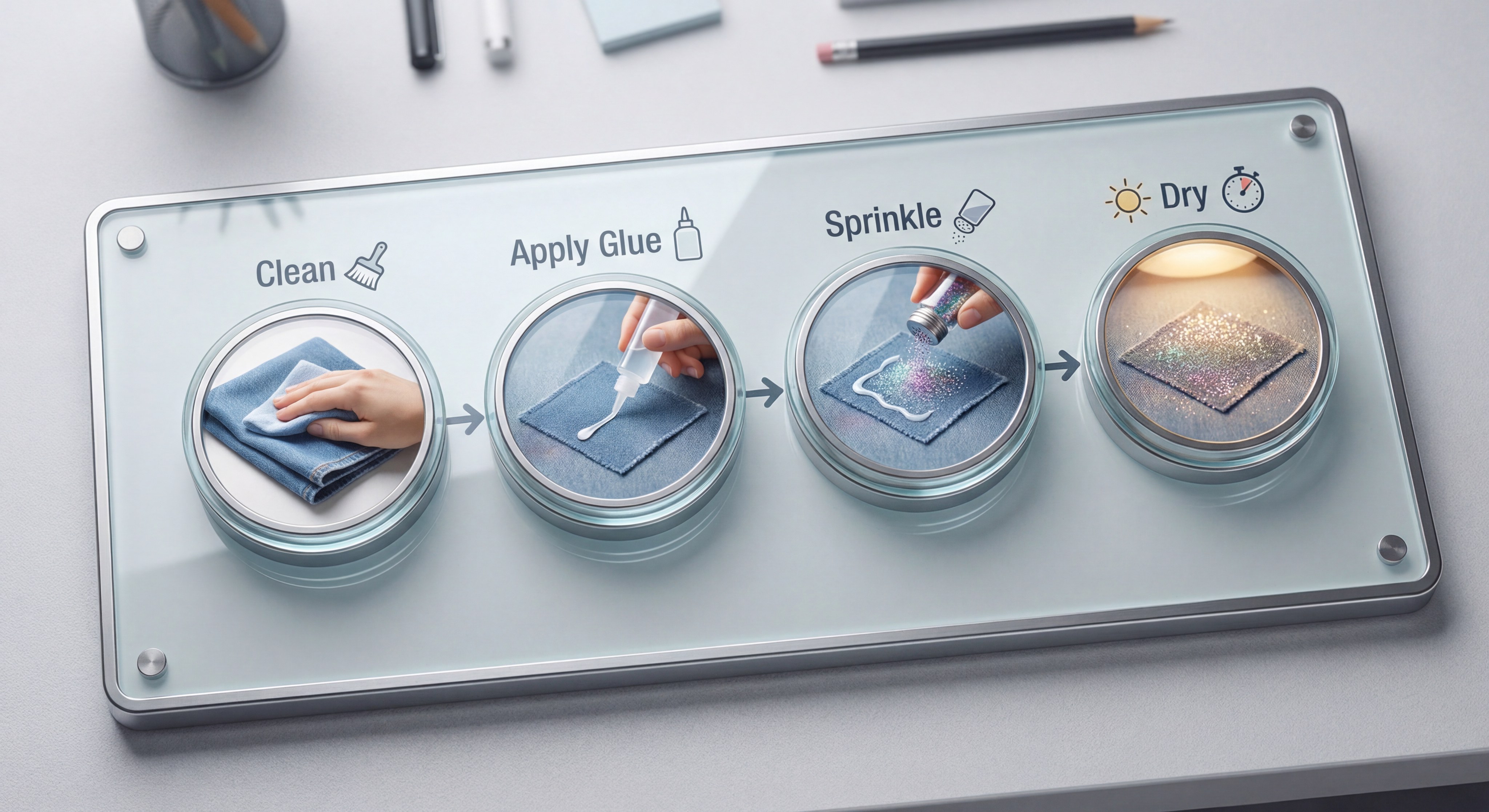
Applying glue to glitter tulle fabric requires a light touch to ensure the mesh holes remain open while providing enough surface area for bonding. You should focus on consistency to avoid making the fabric stiff or brittle after it cures.
Sponge brush vs spray methods
Spray adhesive is best for a “shimmer mist” effect on large-scale pieces like table runners or drapes. Brushing allows you to create dense, opaque patterns or specific floral motifs for bridal veils.
The result?
- Sponges provide high precision with low waste.
- Sprays offer rapid, uniform coverage.
- Dabbing prevents glue from filling hexagonal holes.
Essential Application Insights
Working in small sections prevents the adhesive from skinning over before the glitter can be applied. You must maintain a steady hand to avoid thick patches that compromise the fabric’s delicate drape.
| Method | Best For | Main Advantage | |
|---|---|---|---|
| Sponge Dab | Intricate patterns | High precision control | |
| Aerosol Spray | Large surface areas | Speed and uniformity | |
| Stencil Work | Repeated motifs | Consistent design output |
Strategic adhesive placement ensures that the final garment retains its ethereal movement while maximizing light reflection.
How to sprinkle particles on glitter tulle fabric?

Sprinkling particles on glitter tulle fabric is best achieved by holding the container roughly 8 inches above the surface. This height allows gravity to separate the grains, preventing unsightly clumps and ensuring a natural, even distribution.
Controlling glitter density
Holding the jar higher creates a scattered, ethereal effect perfect for wedding veils. Conversely, a lower pour results in a solid, metallic look that works well for structured tutus and accents.
It gets better:
- High shakes create low-density shimmer.
- Low pours achieve high-opacity finishes.
- Ombre drifts allow for beautiful color gradients.
Essential Sprinkling Insights
You can mix different glitter types, such as fine grains for coverage and chunky flakes for highlights, to create a professional finish. Always work over a large sheet of paper to reclaim any fallen particles for future use.
| Technique | Effect | Recommended Use | |
|---|---|---|---|
| High Shake | Scattered shimmer | Bridal veils and overlays | |
| Solid Pour | Metallic block | Tutus and stage wear | |
| Mixed Grain | Multi-tonal texture | High-end couture gowns |
Uniformity in the sprinkling motion is the key differentiator between amateur DIY projects and boutique-quality materials.
How to set particles on glitter tulle fabric ?
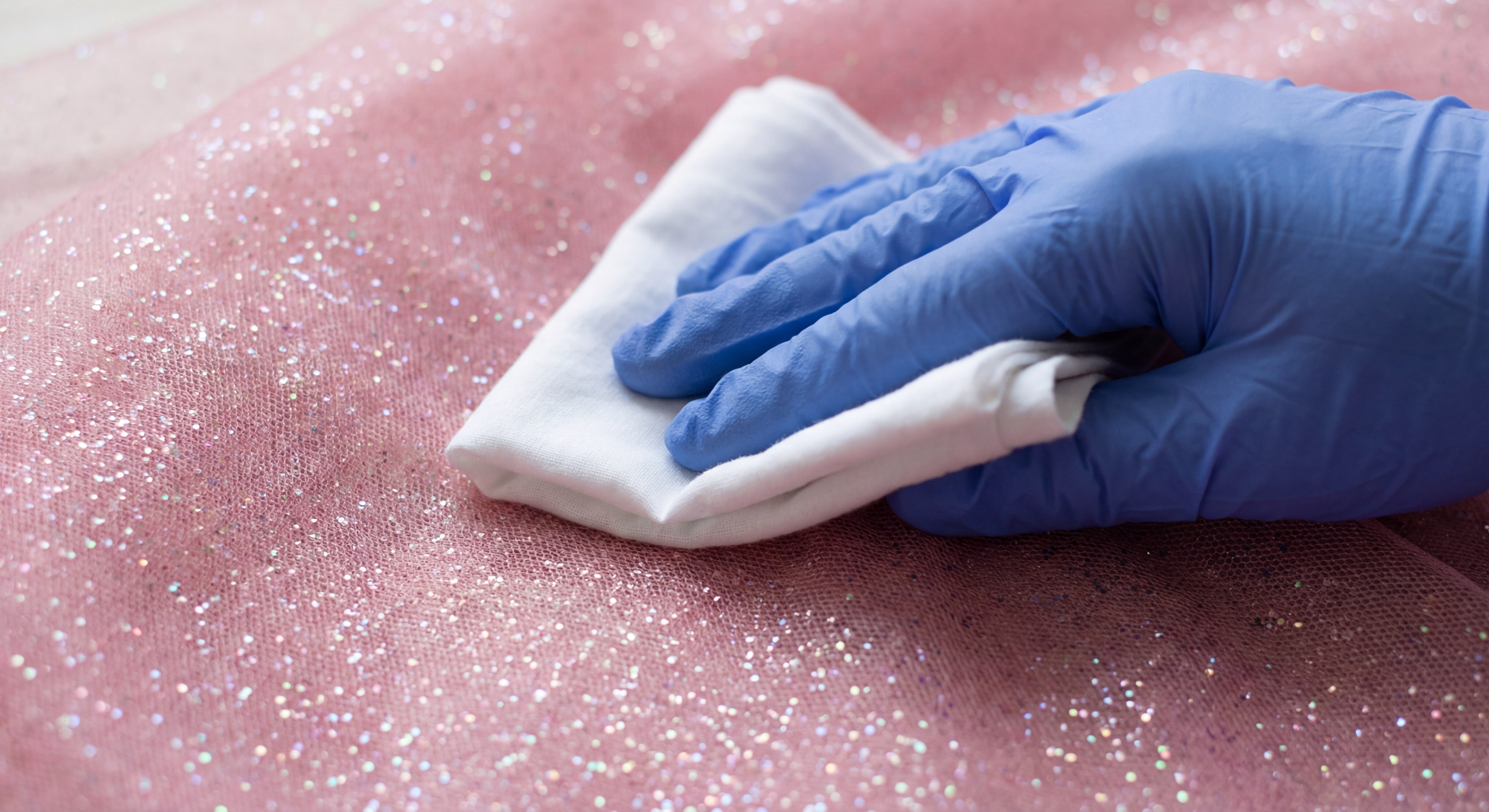
To set particles on glitter tulle fabric, you must gently press the glitter into the adhesive before it begins to skin over. Using a vertical pressing motion ensures the bottom layer of glitter makes full contact with the glue fibers.
Pressing and shaking techniques
You should use a clean, dry cloth to apply gentle pressure without rubbing the fabric. After five minutes, lift the mesh and give it a firm flick to dislodge any grains that did not bond properly.
Here is the secret:
- Pressing prevents excessive shedding during use.
- Flicking identifies areas needing more adhesive.
- Brushing with a soft tool removes loose debris.
Essential Setting Insights
Patience during the setting phase is the difference between a garment that sheds and one that stays sparkling. You must avoid any horizontal movement, as rubbing will smudge the glue and ruin the hexagonal mesh structure.
| Action | Tool | Purpose | |
|---|---|---|---|
| Vertical Press | Clean cotton cloth | Bonds glitter to adhesive | |
| Manual Flick | Hand/Fabric edge | Removes unbonded grains | |
| Soft Brushing | Makeup brush | Cleans mesh holes |
Securing the bond through physical pressure is the most critical step for ensuring the durability of the customized shimmer.
How to dry and seal your glitter tulle fabric?

Drying glitter tulle fabric takes between 2 to 24 hours depending on the adhesive used and the humidity of your workspace. You must allow for a full cure before the fabric is manipulated, sewn, or folded for storage.
Curing times and sealants
While the mesh may feel dry to the touch within an hour, a full 24-hour hang is required for chemical stability. You can apply an optional clear sealant spray to further minimize shedding on items intended for heavy use.
The bottom line:
- Initial sets take 30–60 minutes.
- Full cures require 24 hours.
- Sealants lock in the brilliance for longevity.
Essential Curing Insights
A well-ventilated, dust-free environment is necessary to prevent contaminants from sticking to the drying glue. You should hang the fabric vertically once the initial bond is set to prevent it from sticking to the work surface.
| Phase | Duration | Ideal Environment | |
|---|---|---|---|
| Initial Set | 60 Minutes | Flat, no-draft surface | |
| Full Cure | 24 Hours | Vertical hang, ventilated | |
| Top Coating | 10 Minutes | Outdoor or spray booth |
Allowing for a complete chemical cure prevents the “tacky” feeling that can occur when custom fabrics are processed too quickly.
Can you wash your custom glitter tulle fabric ?
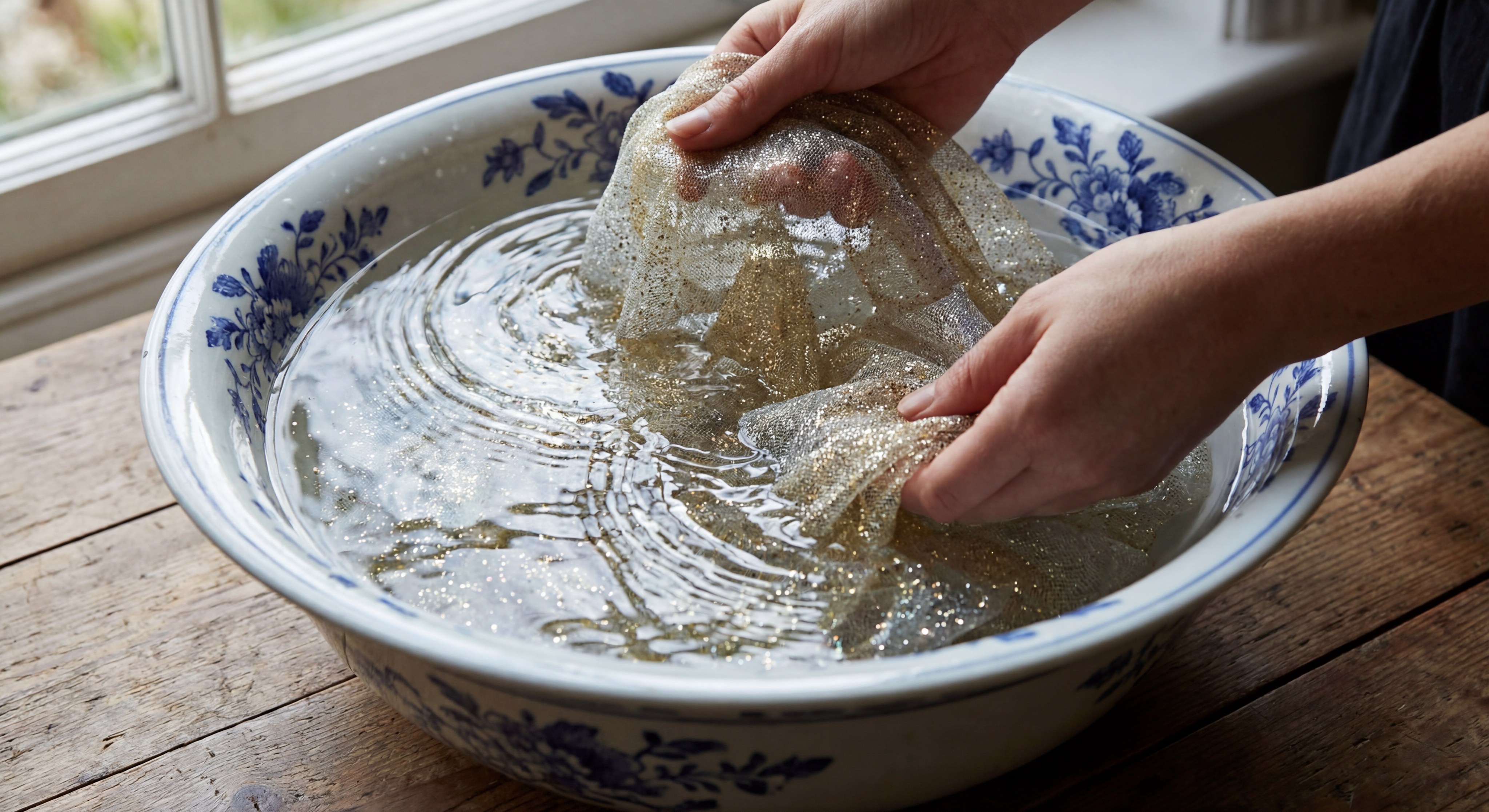
Washing glitter tulle fabric is possible, but it should be restricted to gentle hand-washing in cool water. You must avoid machine agitation and harsh detergents that can dissolve the adhesive and strip the shimmer from the fibers.
Hand wash safety protocols
You should submerge the fabric in soapy water and gently swish it rather than scrubbing. High heat from dryers or irons must be avoided, as it can re-soften the glue and cause the glitter to slide off.
Keep in mind:
- Hand washing preserves the adhesive bond.
- Spot cleaning is best for minor stains.
- Air drying prevents heat-related damage.
Essential Care Insights
Maintaining the integrity of custom-glittered mesh requires a minimalist approach to cleaning. If you have concerns about the durability of your specific adhesive-mesh combination, you should consult professional material care experts.
| Method | Safety | Expected Result | |
|---|---|---|---|
| Hand Wash | Safe | Maintains glitter integrity | |
| Machine Wash | Dangerous | Causes significant loss | |
| Dry Clean | Not Advised | Chemicals may melt glue |
Protective care routines extend the lifespan of custom fabrics, ensuring they remain event-ready for multiple uses.
How to style finished glitter tulle fabric?

Styling finished glitter tulle fabric involves layering it over solid colors to make the sparkle pop or using it as a voluminous accent. You should consider the background contrast to ensure the light-reflecting properties are maximized for the viewer.
Bridal and decor applications
For bridal veils, ensure the glittered side faces outward to catch the photographer’s flash without irritating the skin. In event styling, layering silver or gold mesh over dark linens creates an upscale, sophisticated glow for reception tables.
Think about these:
- Top layer placement for maximum shine.
- Wrapped accents for floral centerpieces.
- Textured overlays for formal table runners.
Essential Styling Insights
Using custom mesh as an accent rather than the entire garment often results in a more sophisticated and professional aesthetic. You can also wrap oversized balloons in shimmering mesh for a magical, fairytale atmosphere.
| Application | Layering Tip | Visual Result | |
|---|---|---|---|
| Bridal Veils | Top layer only | Floating shimmer effect | |
| Table Runners | Over dark linen | High-contrast elegance | |
| Party Favors | Small tied bows | Festive, detailed finish |
Strategic placement of light-reflecting materials creates focal points that guide the eye toward the most important elements of a design.
Where to buy bulk glitter tulle fabric?
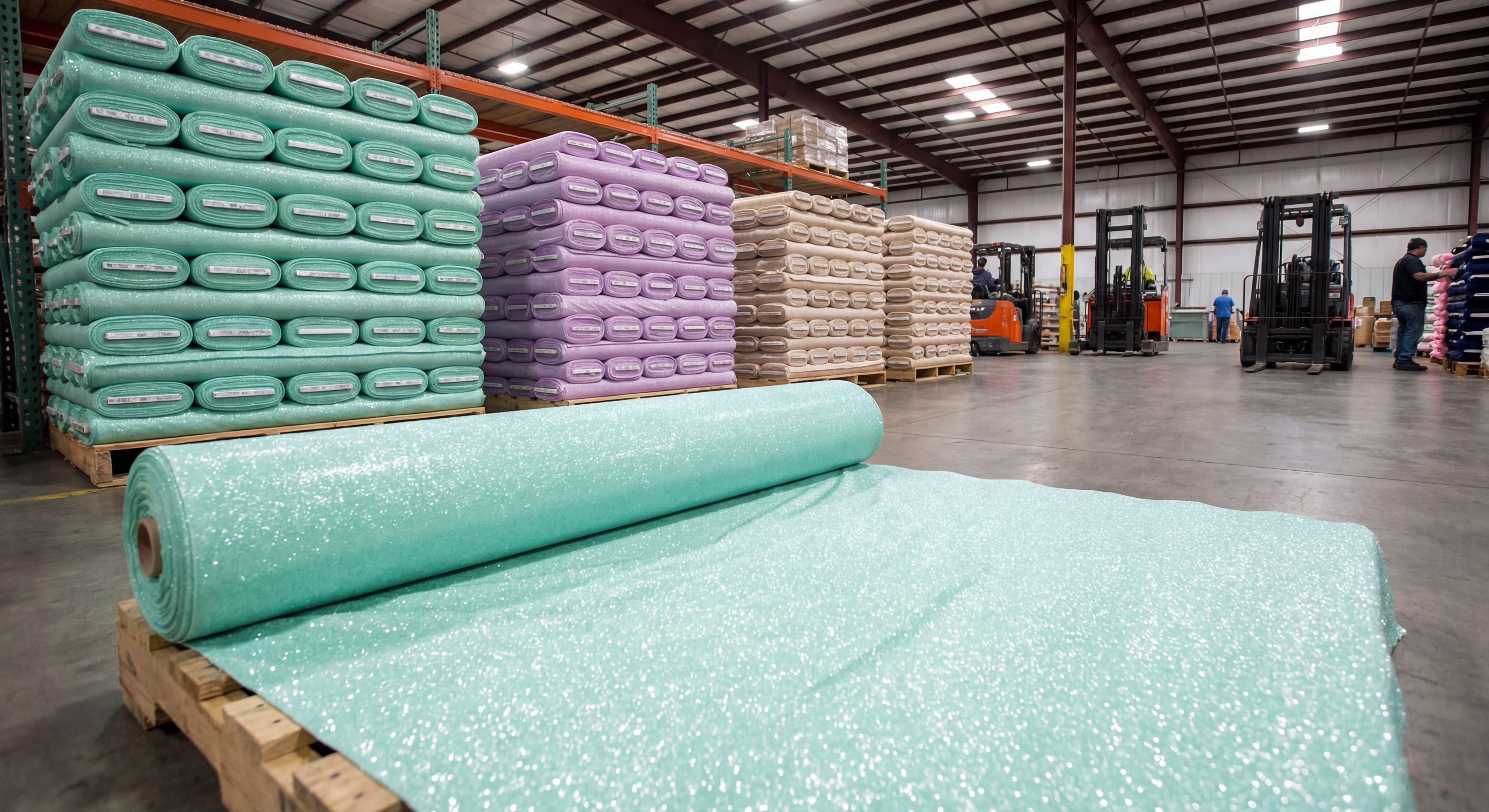
Buying bulk glitter tulle fabric is the most cost-effective solution for large-scale events and production runs. Many professionals prefer purchasing high-grade plain bolts and applying glitter themselves to achieve unique finishes not found in standard retail rolls.
Wholesale vs DIY benefits
Buying by the bolt (50+ yards) significantly reduces your price per yard, which is essential for extensive draping projects. You should look for wholesale suppliers that offer various mesh weights, from soft and flowing to stiff and structured.
Check this out:
- Bolts are cheaper than individual spools.
- Sample packs eliminate color matching errors.
- Wholesale orders ensure batch consistency.
Essential Sourcing Insights
When ordering in bulk, always check for flame-retardant ratings if the material is intended for public event decor. Choosing the right “weight” of mesh is critical; use stiff tulle for standing structures and soft tulle for garments.
| Purchase Type | Best For | Strategic Advantage | |
|---|---|---|---|
| Wholesale Bolts | Large event draping | Lowest cost per yard | |
| Pre-Glittered | Consistency/Speed | Saves production labor | |
| Plain Mesh | Custom DIY projects | Total design control |
Reliable sourcing of high-quality base materials is the foundation of any successful high-volume textile project.
FAQ: Common Questions About Glitter Tulle
Can I iron my custom fabric?No, you should never iron this material because high heat will melt both the synthetic fibers and the adhesive. Use a garment steamer at a distance of at least 6 inches to remove wrinkles safely.
How do I prevent the glitter from shedding everywhere?Some shedding is normal, but you can minimize it by pressing the particles firmly during the glue phase and applying a clear acrylic sealant spray after the fabric is fully cured.
What is the best adhesive for a permanent bond?You should look for “washable permanent fabric glue” or a high-quality aerosol spray designed for textiles. Avoid using school glue or hot glue, as they lack the flexibility required for fabric movement.
How do I sew this fabric without gumming up my machine?You should use a Sharp or Microtex needle and wipe it frequently with rubbing alcohol. This removes any adhesive residue that might accumulate and cause skipped stitches or thread breaks.
Can I use hairspray as a sealant?Hairspray can work as a temporary fix for one-time-use costumes, but it is not waterproof and may become yellow or tacky over time. For professional results, always use a dedicated fabric sealer.
Conclusion
Transforming standard mesh into a custom masterpiece is a rewarding process that adds professional flair to any sewing or event project. By selecting premium adhesives, preparing your fabric correctly, and allowing for proper curing time, you can create durable, stunning results that rival high-end boutique materials. Elevate your brand’s offerings by mastering these techniques and delivering the shimmer your clients expect. If you are ready to start your next big project with the highest quality base materials, contact us today to find the perfect mesh for your needs.
Tullemesh: Crafting Excellence in Every Thread.