Finding the right wedding accessories can feel like a daunting task, especially when you realize that not all veils are created equal. You have finally found your dream dress, but now you face a new challenge: the sea of textiles that make up the modern veil market. The wrong choice can lead to a veil that looks limp in photos or completely hides the beautiful beadwork on your gown. Fortunately, it doesn’t have to be that way once you understand the technical specifications of bridal veil fabric .
1. What is the most common bridal veil fabric used today?
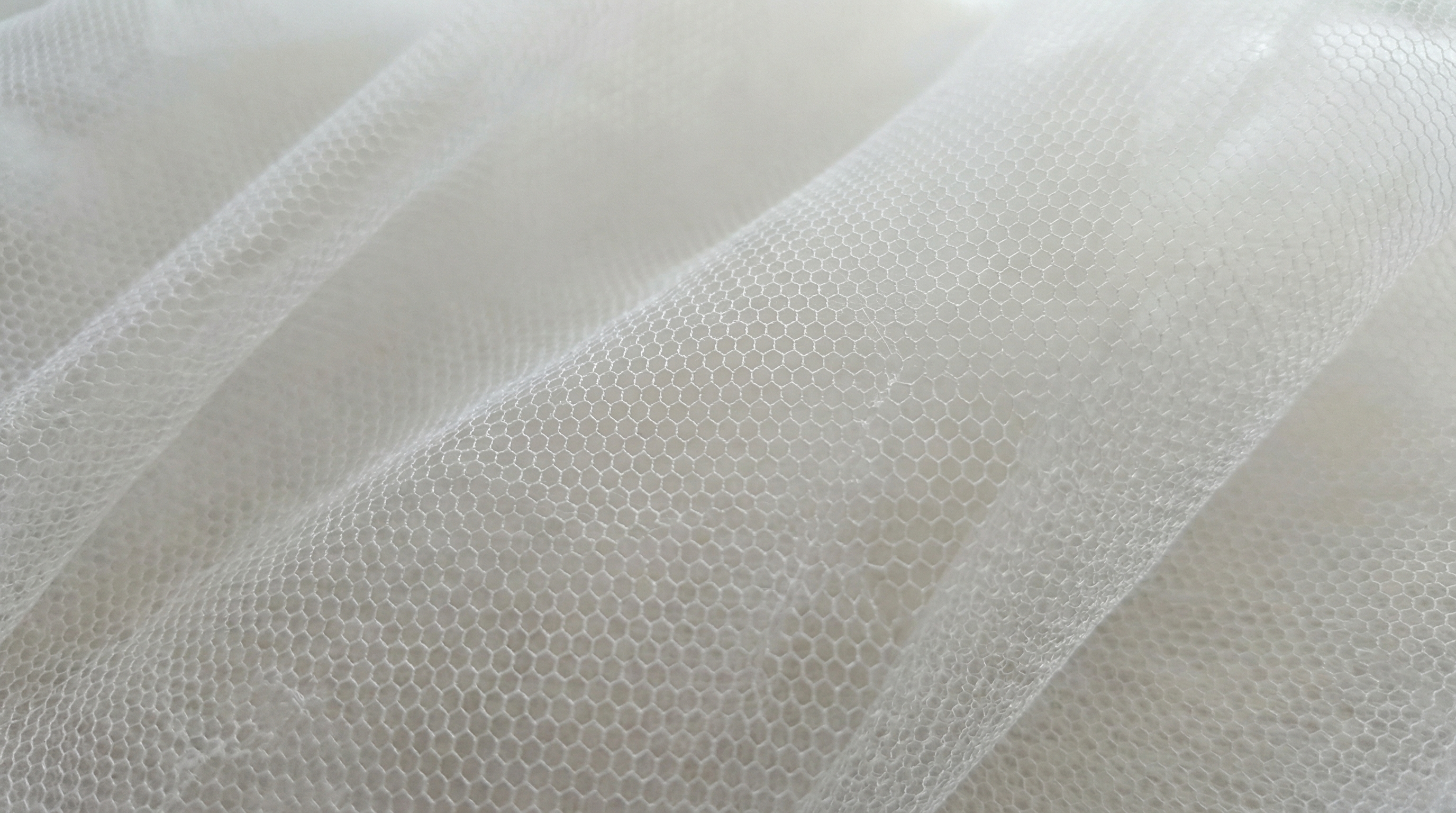
Tulle is the undisputed champion of the bridal world due to its lightweight nature and fine-meshed netting. Most high-quality veils utilize a specialized bridal veil fabric designed specifically for maximum clarity and softness. This material is favored because it provides volume without adding significant weight to the bride’s ensemble.
Popular Tulle Varieties
- Nylon Tulle: Known for its soft hand-feel and excellent drape.
- Polyester Tulle: Often more affordable and durable.
- Silk Tulle: The most luxurious option with a liquid-like fall.
Want to know the best part? Modern manufacturing allows for “Illusion Tulle,” which is so fine it almost disappears against the skin for a “barely there” look.
Key Takeaway: Tulle is the standard material for modern veils, offering various levels of transparency and structure.
| Material | Hand-Feel | Durability | Aesthetic | |
|---|---|---|---|---|
| Nylon Tulle | Soft | High | Romantic | |
| Polyester | Crisp | Very High | Structured | |
| Silk Tulle | Heavy | Moderate | Luxurious |
Selecting the right variety of tulle ensures the veil aligns with the desired mood of the wedding attire.
2. How does bridal veil fabric affect the drape of your veil?
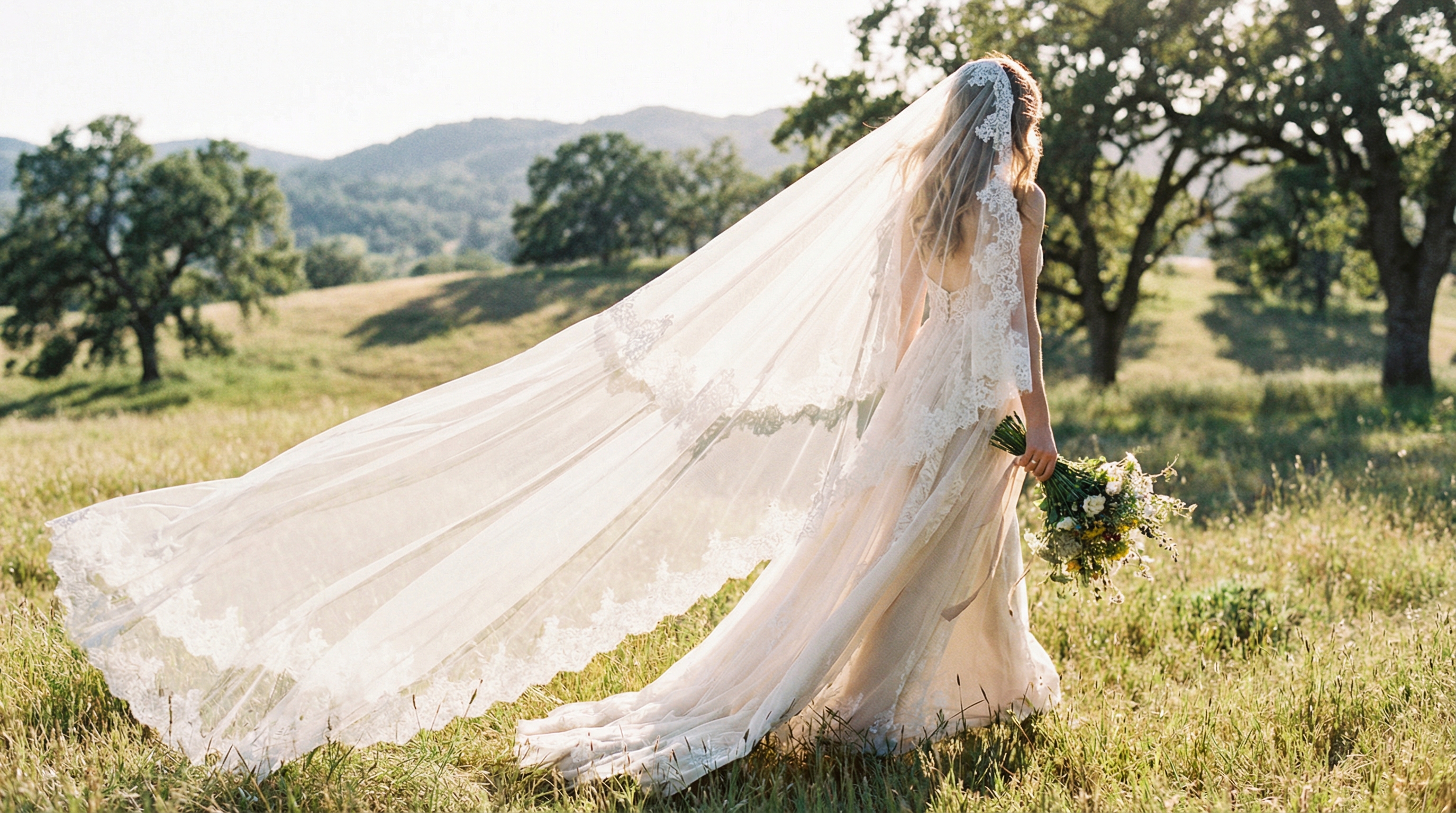
The drape is entirely dependent on the weight and weave of the textile used in construction. A fabric that is too stiff will stick out awkwardly, while one that is too soft might look flat against a structured gown. The number of holes per inch determines how much air the fabric catches during movement.
Factors Influencing Drape
- Fiber Content: Natural fibers fall straight down while synthetics hold shapes.
- Mesh Density: Tighter weaves create more resistance and volume.
- Finishing: Anti-static agents can alter how the fabric reacts to motion.
Think about it. If you want a veil that floats behind you as you walk down the aisle, you need a high-clarity material.
Key Takeaway: Drape determines the “movement” of the veil and is controlled by fiber content and mesh density.
| Drape Style | Ideal Fabric | Movement | Best Dress Match | |
|---|---|---|---|---|
| Ethereal | Low-GSM Nylon | High Float | A-Line | |
| Architectural | Stiff Mesh | Low Float | Modern/Minimal | |
| Classic | Standard Tulle | Moderate | Ballgown |
The physics of the fabric must match the intended silhouette to achieve a cohesive bridal look.
3. Can I use bridal veil fabric for a cathedral length design?
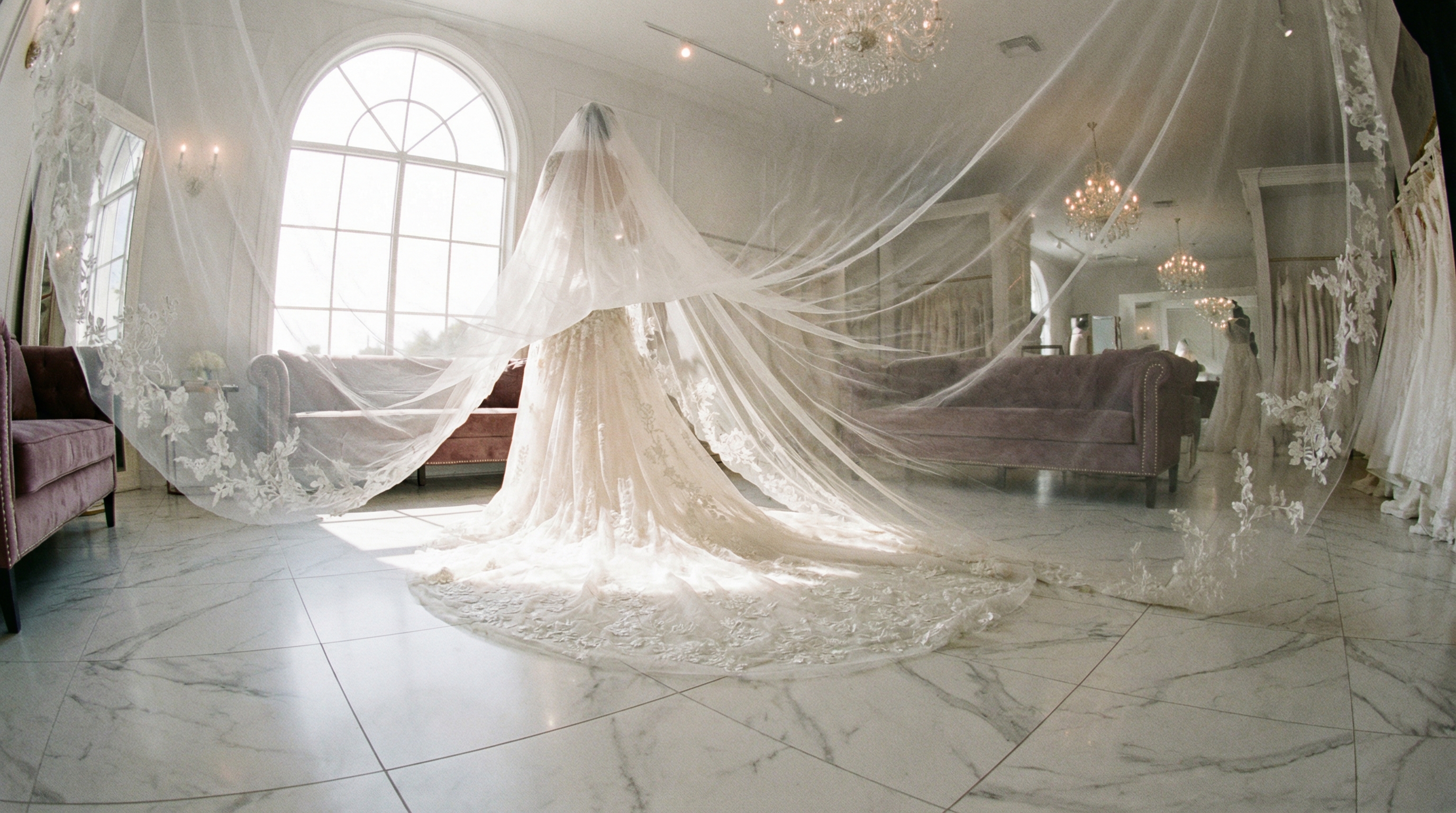
You can certainly use this material for cathedral lengths, provided you consider the total weight of the piece. A cathedral-length veil can be up to 120 inches long, meaning the weight of the bridal veil fabric can pull on your hairstyle if it is too dense. Most designers prefer a soft tulle for these dramatic lengths to ensure the bride’s comfort.
Considerations for Long Veils
- Headache Prevention: Ultra-lightweight fabrics prevent the veil from feeling like a lead weight.
- Durability: Long veils drag on the floor and must be snag-resistant.
- Width: Cathedral veils often require wider bolts of fabric up to 108 inches.
But here is the kicker: Using a fabric with high clarity ensures that the back details of your dress remain visible through the long layers.
Key Takeaway: Cathedral veils require ultra-lightweight materials to prevent discomfort and hair pulling throughout the ceremony.
| Length | Recommended Fabric | Weight Impact | Visual Effect | |
|---|---|---|---|---|
| Cathedral | Soft Tulle | Heavy if dense | Dramatic | |
| Chapel | Medium Tulle | Moderate | Elegant | |
| Elbow | Any Variety | Minimal | Practical |
Longer veils demand more technical consideration regarding material weight to balance drama with wearability.
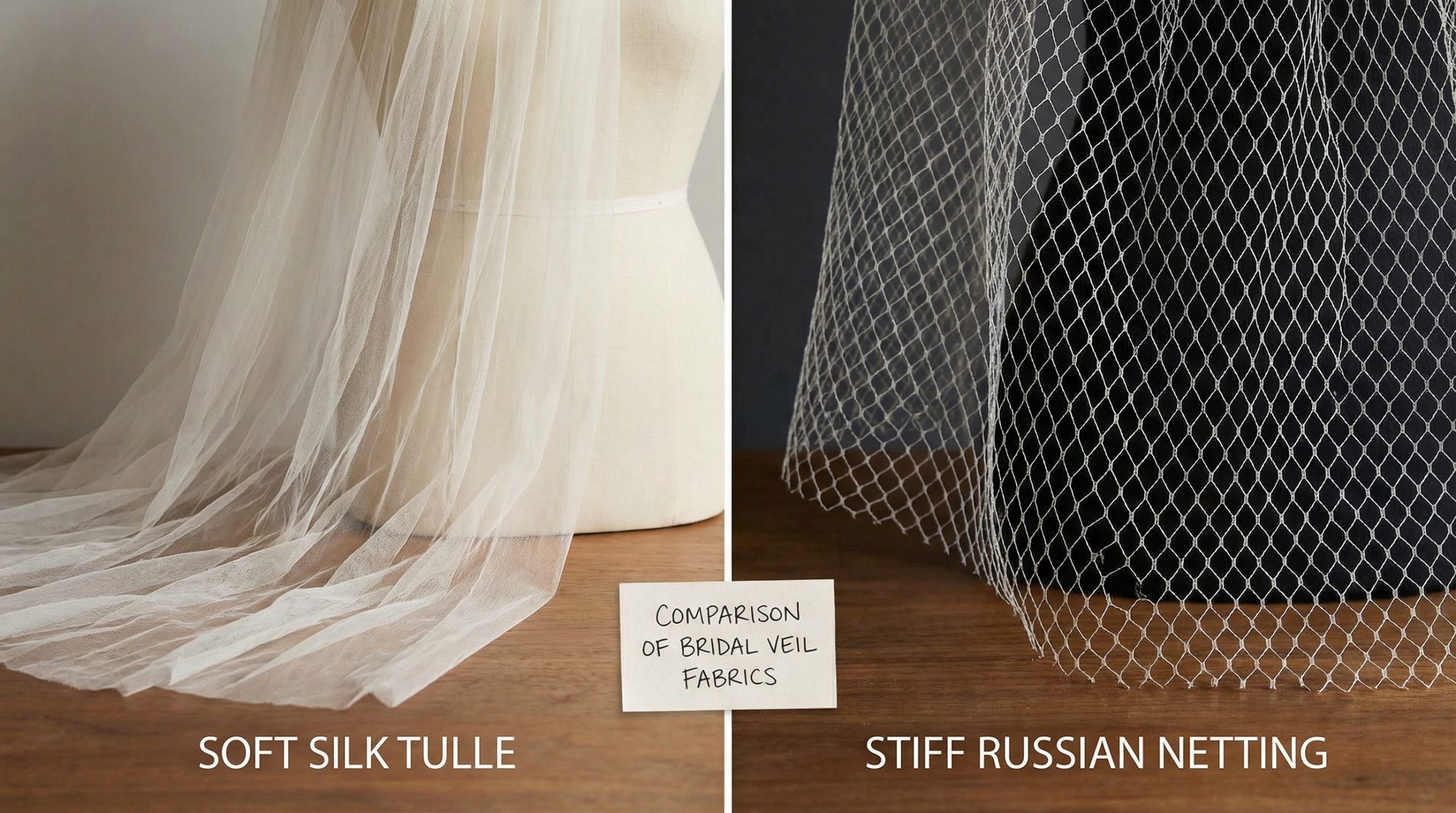
4. What is the difference between soft and stiff bridal veil fabric?
Soft fabric is designed to fall in close contact with the body, whereas stiff fabric is treated to hold its own shape. The stiffness is often a deliberate choice by the manufacturer to serve different bridal silhouettes and styles. Stiff fabrics are frequently used in birdcage veils to create architectural shapes that stand away from the face.
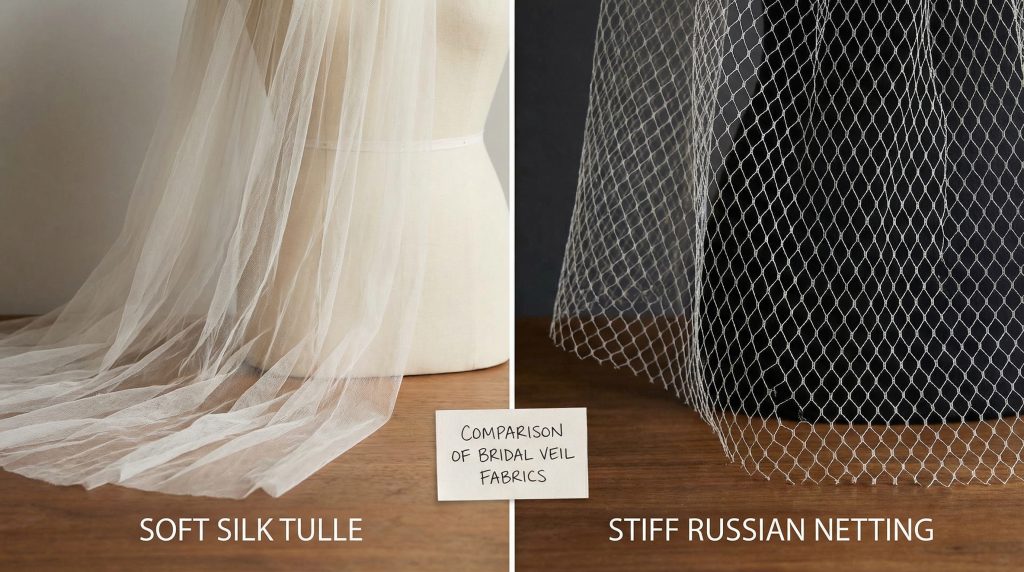
Texture and Volume Differences
- Soft Fabrics: Feel silky and smooth to the touch.
- Stiff Fabrics: Feel crisp and slightly papery.
- Transparency: Soft fabrics often appear more transparent when draped.
Believe it or not, the same nylon fiber can be processed into two entirely different products based on the finish.
Key Takeaway: Stiffness determines whether a veil will flow behind you or stand up to create volume.
| Feature | Soft Fabric | Stiff Fabric | |
|---|---|---|---|
| Common Use | Draped, ethereal veils | Structured, “puffy” veils | |
| Texture | Silky and smooth | Crisp and papery | |
| Volume | Minimal; falls flat | High; holds its shape |
Understanding the tactile nature of the mesh helps brides choose between a romantic drape or a structured statement.
5. Is silk or synthetic the better bridal veil fabric for my gown?
Synthetic fabrics are generally more practical for modern weddings, though silk remains the pinnacle of luxury. While silk is highly prized, synthetic bridal veil fabric options like high-grade stiff tulle are more wrinkle-resistant and cost-effective. High-quality nylon provides a similar look to silk at a fraction of the total price.
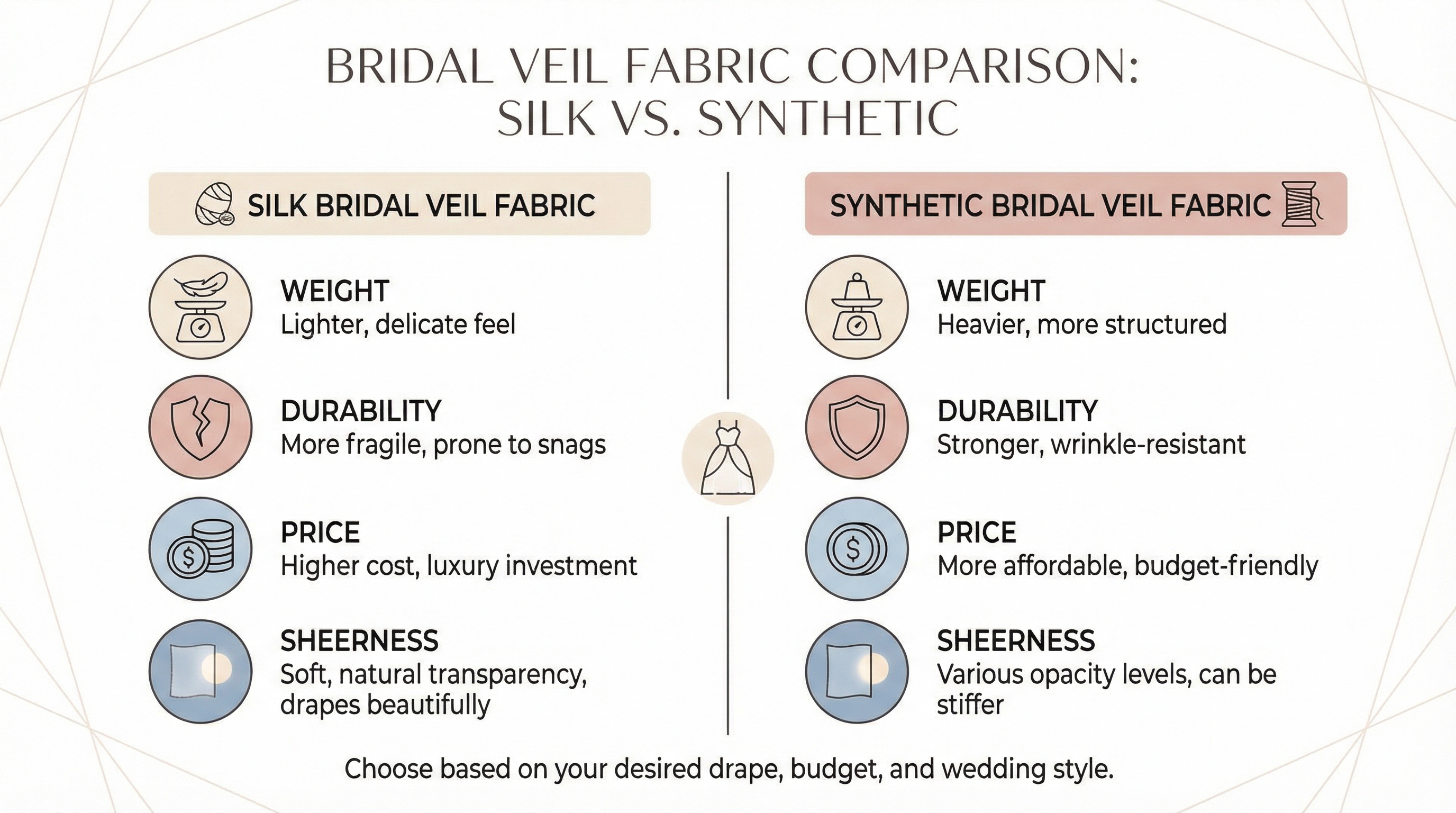
Comparing Silk and Synthetic
- Wrinkle Resistance: Synthetics hold their shape better after steaming.
- Color Matching: Synthetic fabrics come in a wider range of bridal whites.
- Cost: Nylon is significantly more budget-friendly for large veils.
Let’s be honest: Most people cannot tell the difference between high-quality nylon and silk in professional wedding photographs.
Key Takeaway: Synthetic materials offer better durability and price points for most brides compared to delicate silk options.
| Attribute | Silk | Synthetic (Nylon) | |
|---|---|---|---|
| Price | High | Affordable | |
| Durability | Fragile | Strong | |
| Sheerness | Natural | Various |
Choosing between silk and synthetic is a balance of budget, desired durability, and the specific aesthetic of the gown.
6. How do I choose a bridal veil fabric for a high-volume look?
High-volume looks require a textile with “memory” or structural integrity to maintain a specific shape. If you are going for a 1950s-style “bubble” veil, you need a medium-to-stiff mesh. Layering multiple tiers of this fabric will force the veil to stand up and away from the comb.
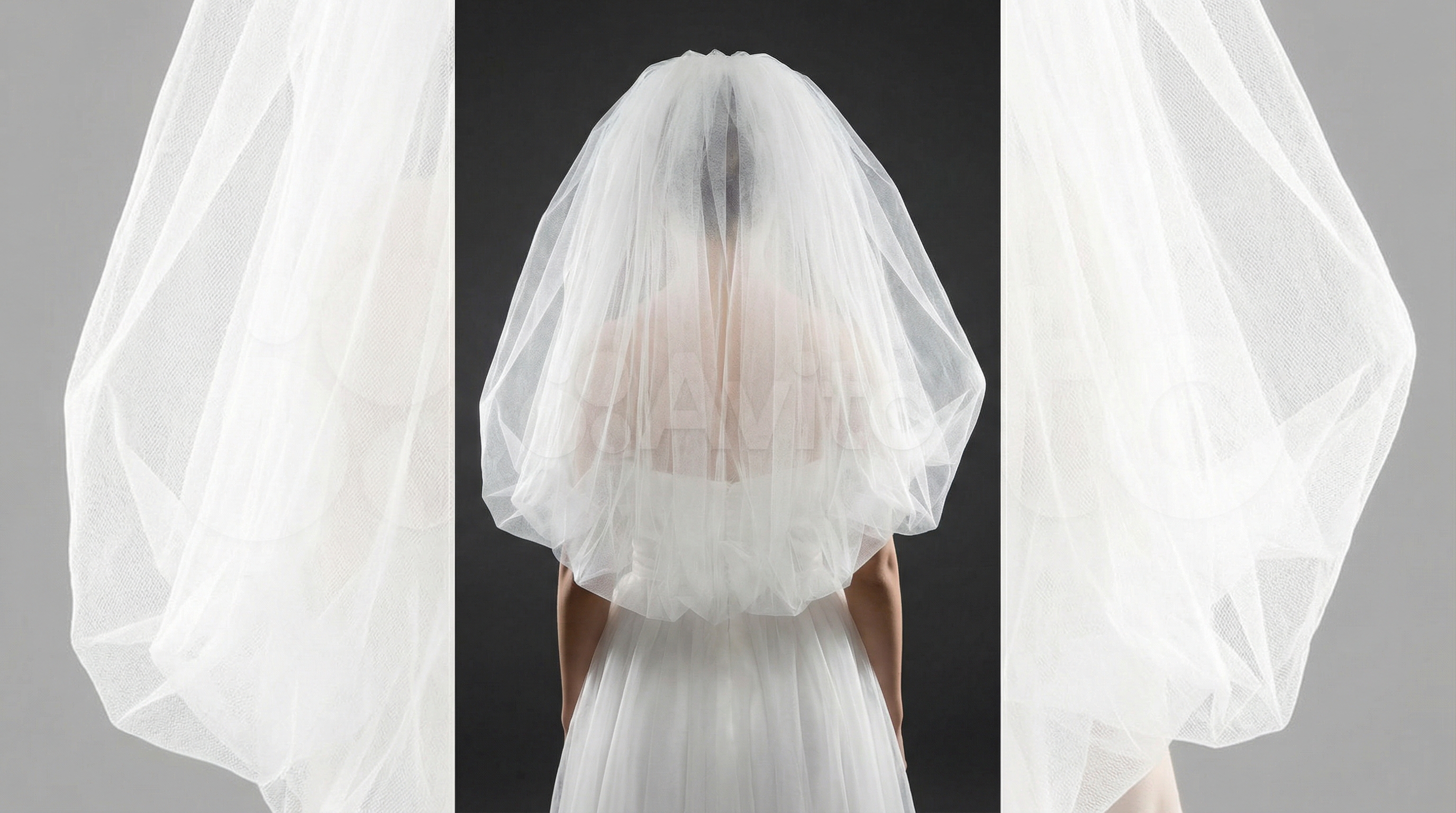
Achieving High Volume
- Layering: Uses multiple tiers to build physical height.
- Horsehair Trim: Adds a thick braid to the edge to force ripples.
- Gathering: Tighter gathers at the comb create more lift.
The bottom line? Soft, silk-like fabrics will never achieve the volume required for a structured blusher or bubble veil.
Key Takeaway: Structural volume is achieved through the use of stiffer materials and specific construction techniques like layering.
| Volume Goal | Fabric Choice | Technique | |
|---|---|---|---|
| Maximum | Stiff Mesh | Multiple Tiers | |
| Moderate | Standard Nylon | Horsehair Braid | |
| Low | Soft Tulle | Single Layer |
Volume is a function of both the material’s stiffness and the amount of fabric gathered at the attachment point.
7. Are there specialty options like glitter bridal veil fabric?
Specialty options include fabrics that incorporate shimmer directly into the weave or via surface applications. For the bride who wants to shine, standard matte bridal veil fabric can be swapped for glitter tulle . These materials capture light beautifully during outdoor ceremonies or evening receptions.
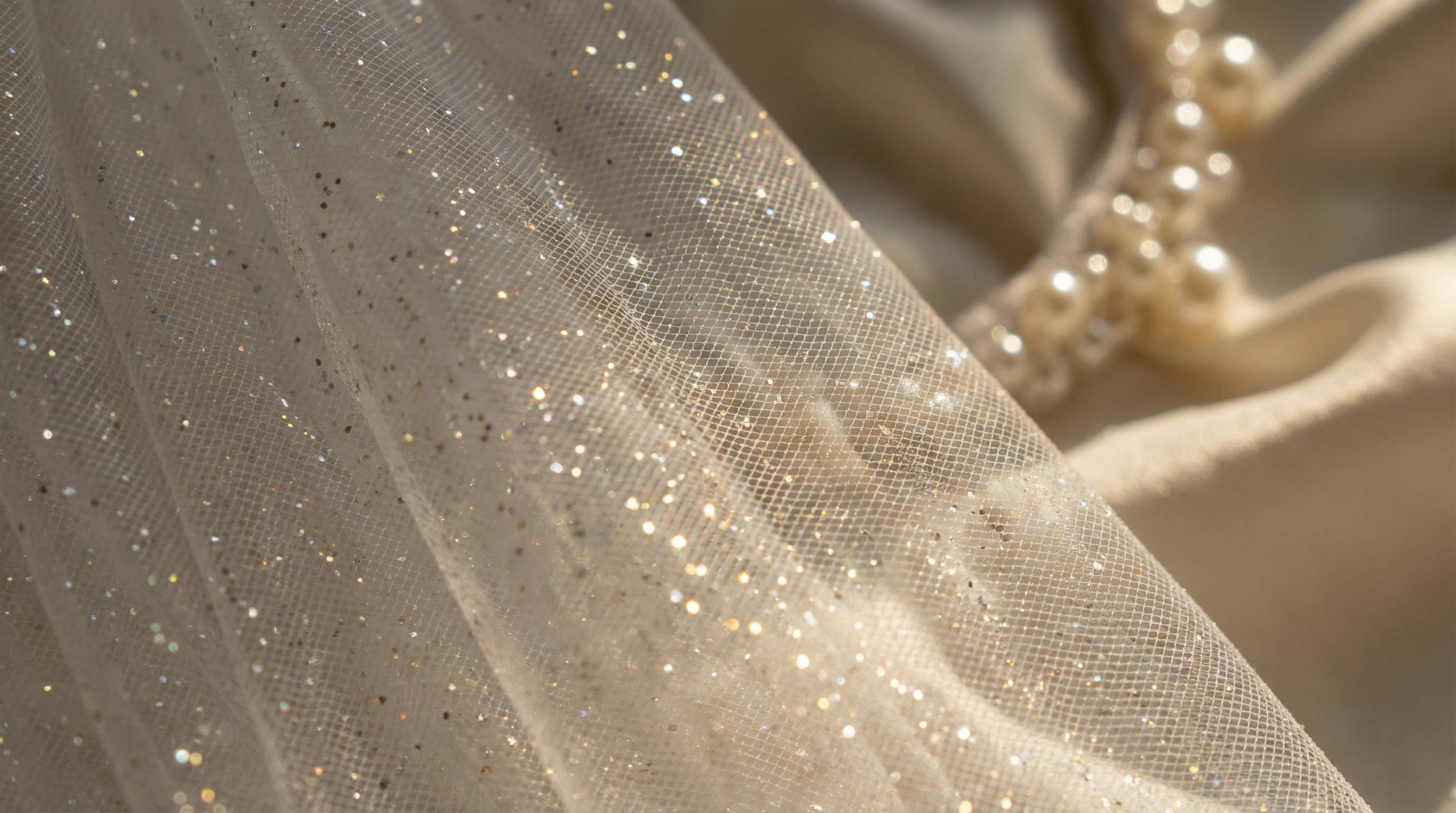
Sparkling Fabric Options
- Glitter Dust: Fine particles glued to the surface for a starry effect.
- Sequin Encrusted: Small sequins sewn into the mesh for reflection.
- Metallic Thread: Shimmering threads woven directly into the mesh.
Keep in mind: Glitter fabrics can sometimes be scratchier, so check the inner layer’s softness against your skin.
Key Takeaway: Glitter and specialty fabrics add a unique visual dimension but may require a softer lining for comfort.
| Effect | Method | Brilliance | |
|---|---|---|---|
| Subtle | Metallic Thread | Low | |
| Moderate | Glitter Dust | Medium | |
| High | Sequins | Maximum |
Specialty fabrics allow brides to customize their look beyond traditional plain netting for more personal expression.
8. How does GSM impact the quality of bridal veil fabric?
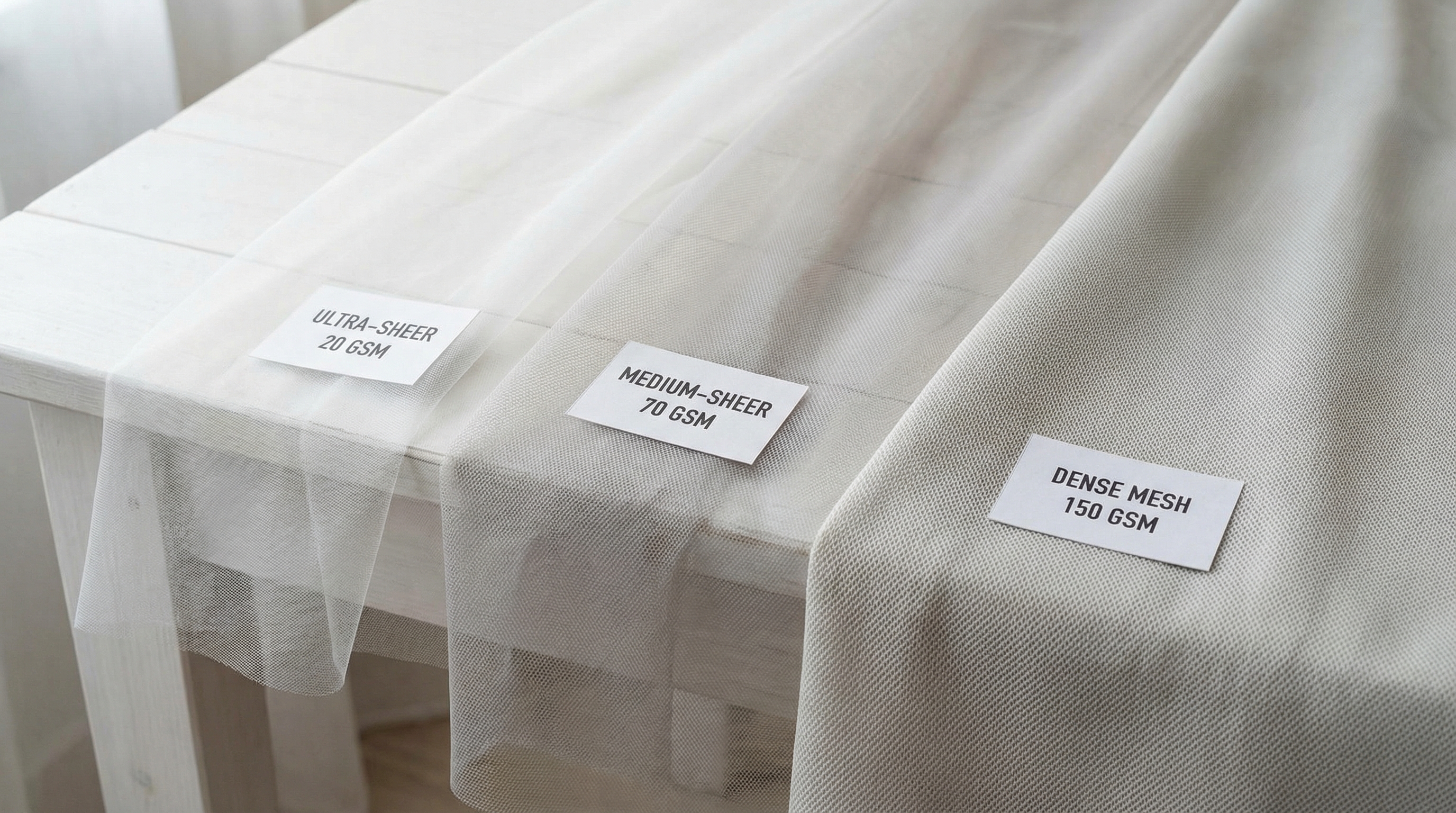
GSM measures the weight and density of the material, which directly affects its sheerness and strength. A core decorative tulle might have a higher GSM due to added embroidery or beadwork. Lower GSM numbers provide an ethereal, almost invisible look that is perfect for “illusion” necklines.
Understanding GSM Tiers
- 10-15 GSM: Ultra-fine and almost invisible to the eye.
- 19-25 GSM: Standard weight for high-quality bridal veils.
- 30+ GSM: Used for structural integrity or heavy embroidery.
Here is the deal: The higher the GSM, the more “present” the fabric will look in your wedding photos.
Key Takeaway: GSM is the technical standard for choosing the right balance between sheerness and structural durability.
| GSM Range | Category | Common Use | |
|---|---|---|---|
| 10-15 | Ultra-Sheer | Illusion Veils | |
| 19-25 | Medium-Sheer | Standard Veils | |
| 70-150 | Dense Mesh | Decorative Accents |
Lower GSM fabrics are ideal for minimalist looks, while higher GSM materials support heavy embellishments and lace.
9. Can I find custom colors in bridal veil fabric?
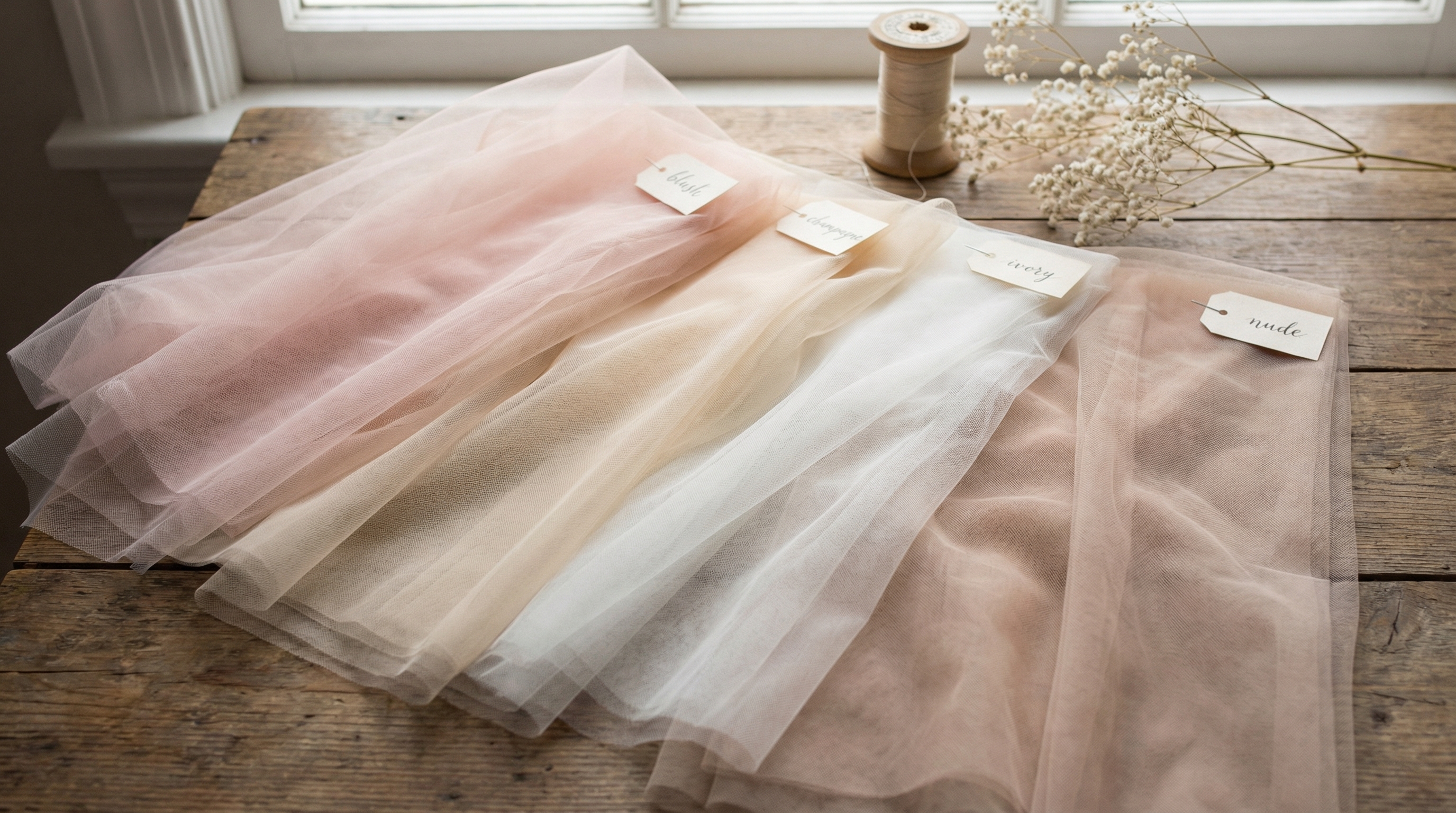
Custom colors are widely available to match the specific undertones of modern bridal gowns. Whether you need blush, champagne, or nude, high-quality bridal veil fabric can be dyed to ensure a seamless match. Finding the right shade prevents the veil from looking “dirty” or “gray” against a warm-toned ivory dress.
Custom Color Benefits
- No Gray Cast: Ensures the veil complements the dress perfectly.
- Skin Tone Matching: Nude meshes provide a seamless illusion effect.
- Ombre Effects: Dip-dyed fabrics offer a modern, colorful twist.
Think about this: A veil that is too white can actually make a beautiful ivory dress look yellow in photographs.
Key Takeaway: Matching the fabric color to your gown’s specific undertone is essential for photographic consistency.
| Shade | Best Match For | Visual Tone | |
|---|---|---|---|
| Stark White | Pure White Gowns | Cool/Bright | |
| Ivory | Cream/Off-White Gowns | Warm | |
| Champagne | Gold/Tan Underlays | Deep Warm |
Always compare fabric swatches in natural light to ensure the veil and gown do not clash in color.
10. What decorative elements can be added to bridal veil fabric?
Decorative elements like lace, pearls, and crystals can be hand-sewn or applied to the base mesh. The most expensive veils are defined by the artistry added to the textile surface after the base fabric is chosen. These additions transform a simple piece of netting into a personalized heirloom.

Popular Decorative Techniques
- Appliqué: Sewing lace motifs onto the mesh for romance.
- Flocking: Adding velvet-like textures such as polka dots.
- Beading: Hand-sewing pearls or crystals along the edges.
It gets better: You can mix and match these techniques on a single veil for a truly bespoke luxury look.
Key Takeaway: Embellishments add weight and visual interest, requiring a strong base fabric to support the extra load.
| Decoration | Attachment | Style Impact | |
|---|---|---|---|
| Lace Appliqué | Sewn | Vintage/Romantic | |
| Pearl Beading | Hand-Stitched | Classic/Elegant | |
| Velvet Flocking | Applied | Whimsical/Modern |
The choice of decoration should reflect the bride’s personality while remaining compatible with the base fabric’s GSM.
Frequently Asked Questions
Can I use standard craft store tulle for a wedding veil?Standard craft store tulle is not recommended because it is usually 100% polyester with a coarse, scratchy weave. This type of material lacks the clarity and elegant drape required for high-quality bridal photography.
What’s the best way to remove wrinkles from my veil fabric?The best way is to hang the veil in a steamy bathroom for 20 minutes to relax the fibers naturally. Avoid using a traditional iron, as the high heat can easily melt synthetic mesh.
Can I wear a heavy lace veil with a very fine illusion mesh?Yes, but you must ensure the mesh has a sufficient GSM to support the weight of the lace. If the mesh is too fine, the weight of the lace may cause the fabric to tear or sag significantly.
Can I wash my veil if it gets dirty during the reception?Most synthetic veils can be spot-cleaned with cool water and a very mild detergent. However, veils with heavy beading or silk components should always be taken to a professional bridal cleaner.
What’s the best fabric for a veil that won’t snag on my jewelry?A cut-edge veil made of soft nylon is the best choice to prevent snags. Avoid “silk-style” polyester or heavily textured meshes, as these are more prone to catching on jewelry prongs.
Conclusion
Selecting the perfect material is the most critical step in creating a stunning bridal look that lasts from the ceremony to the final dance. By understanding the differences in GSM, fiber content, and drape, you can ensure your veil complements your gown rather than competing with it. If you have more questions or need help selecting the perfect mesh, please contact us today to find the ideal match for your wedding day.