Choosing the wrong tulle can transform a dream gown into a structural nightmare. Brides and designers often find themselves overwhelmed by a sea of mesh, unable to distinguish between a fabric that floats like a cloud and one that stands stiff like a costume. If you select a heavy net for a delicate cowl back, or a flimsy silk for a voluminous ballgown, the silhouette will fail, and the aesthetic vision will vanish. This guide provides the definitive technical breakdown of silk tulle fabric, English net, and illusion tulle to ensure your bridal or couture project achieves the perfect drape and texture.
1. What makes silk tulle fabric so special?
Direct Answer: Silk tulle fabric is the pinnacle of luxury in the textile world, crafted from 100% natural silk fibers. Unlike its synthetic counterparts, it is characterized by an extraordinary softness, a fluid, liquid-like drape, and a subtle matte luster that synthetic fibers cannot replicate.
- How does it compare to synthetic mesh?There is a distinct molecular difference between protein-based silk and polymer-based nylon. While nylon is engineered for resilience, silk is born for elegance. To better understand the landscape, you might explore the most common types of tulle fabric used in modern dressmaking.
- Why do designers prefer natural fibers?Designing with silk tulle fabric offers unparalleled breathability and a “couture” status that synthetic alternatives simply cannot match. It is the kindest option for skin sensitivity and the most luxurious against the body.
Key Takeaway: Silk is for drape; synthetics are for structure.
And the best part? The way it catches the light is entirely organic.
| Feature | Silk Tulle | Synthetic Tulle | |
|---|---|---|---|
| Fiber | 100% Silk | Nylon/Polyester | |
| Feel | Ultra-soft, “hosiery” feel | Can be crisp or soft | |
| Luster | Natural, soft sheen | High shine or flat matte |
2. Why is illusion tulle the bridal standard?
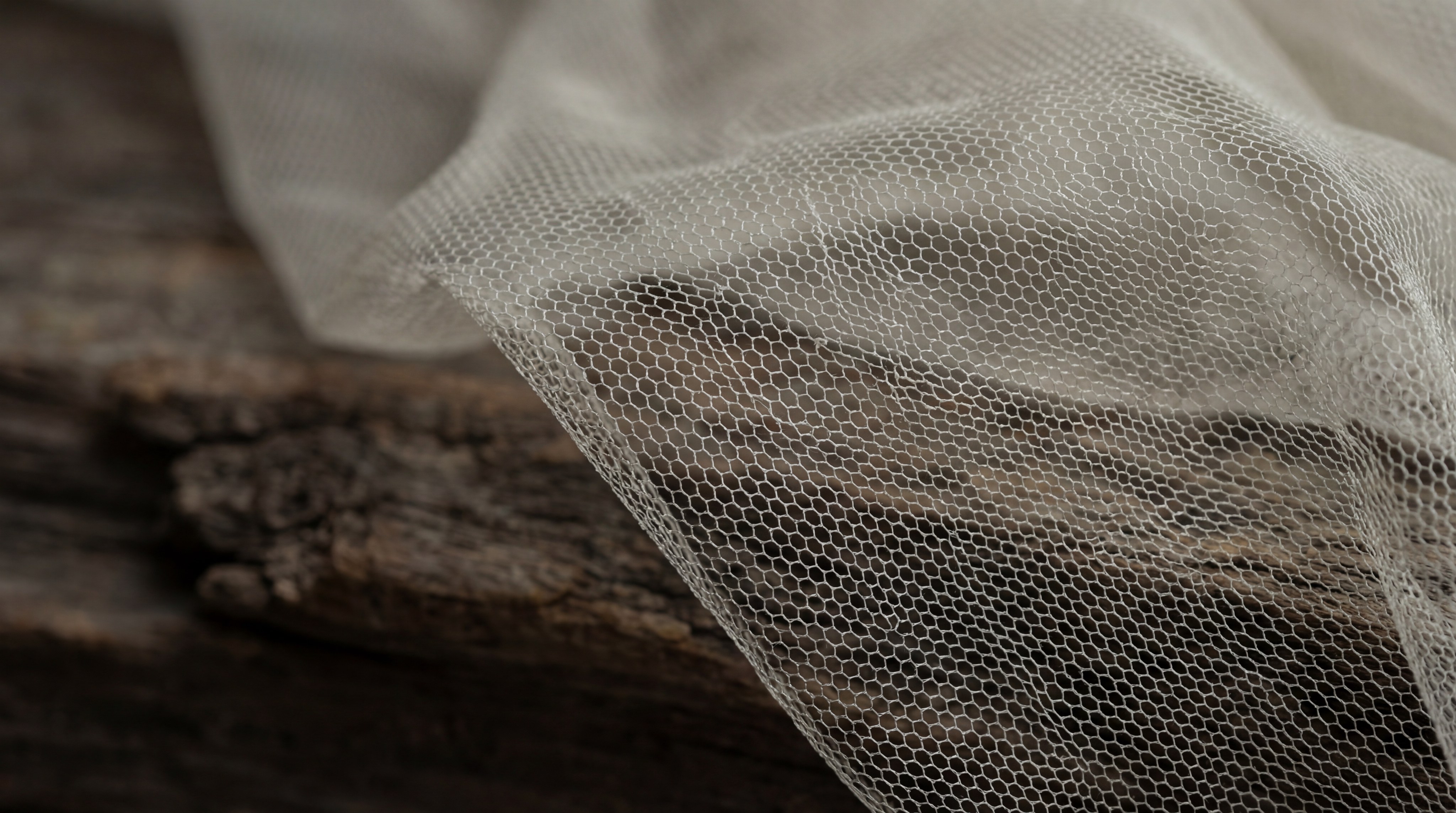
Direct Answer: Illusion tulle is the industry standard because of its incredible sheerness and structural integrity. Made from fine nylon, it is designed to be “invisible” against the skin while providing enough “pouf” to hold the shape of traditional veils and tiered skirts.
- What gives it that classic volume?The “memory” of nylon fibers allows illusion tulle to retain its shape even after being folded. This is distinct from stiff tulle fabric , which is often used as a sub-layer to provide even more dramatic architectural volume.
- Is it too sheer for certain designs?Because of its transparency, it is the go-to for “naked” dress effects and delicate blushers.
Key Takeaway: Illusion tulle is the architect of the bridal world.
Think about it: Without this fabric, the modern ballgown would lose its iconic lift.
| Attribute | Illusion Tulle Details | |
|---|---|---|
| Common Material | 100% Nylon | |
| Transparency | Highest (Ultra-sheer) | |
| Best Use | Volume, Blushers, “Invisible” necklines |
3. What defines the unique feel of English net?
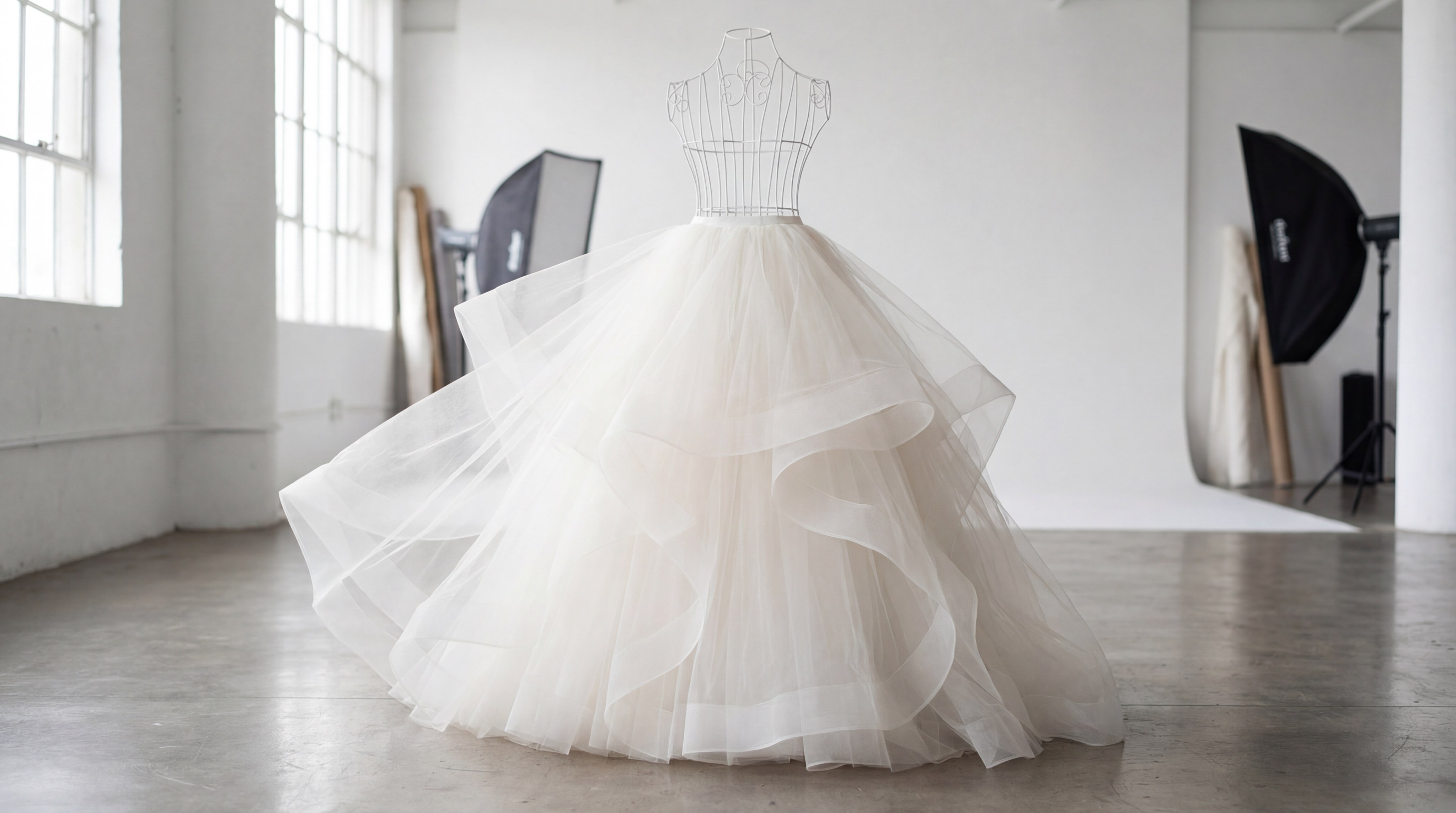
Direct Answer: English net, often referred to as “Spanish tulle,” is a soft, heavy-weight netting that sits between silk and illusion tulle. It is typically made from a polyester or nylon blend, offering a more durable and affordable alternative to silk while maintaining a gorgeous, weighted “drop.”
- How does it differ from traditional net?Unlike standard hexagonal netting which can feel scratchy, English net is pliable and incredibly soft to the touch.
- Is it a good silk alternative?For many, the weight of English net mimics the “swing” of silk tulle fabric at a fraction of the cost, making it ideal for bohemian and vintage-inspired gowns.
Key Takeaway: English net provides a vintage, “heavy” luxury feel without the silk price tag.
But wait, there’s more: It is far less prone to snagging than its silk counterparts.
| Comparison | English Net | Standard Nylon Net | |
|---|---|---|---|
| Weight | Heavy/Weighted | Light | |
| Pliability | High (Very soft) | Low (Stiff) | |
| Aesthetic | Vintage/Boho | Craft/Structured |
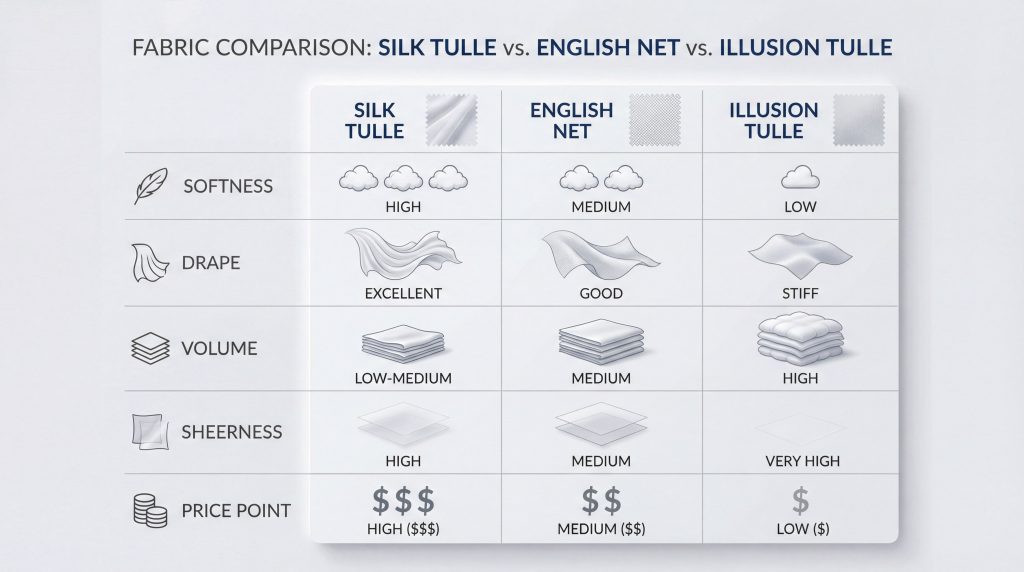
4. How do these three fabrics compare?
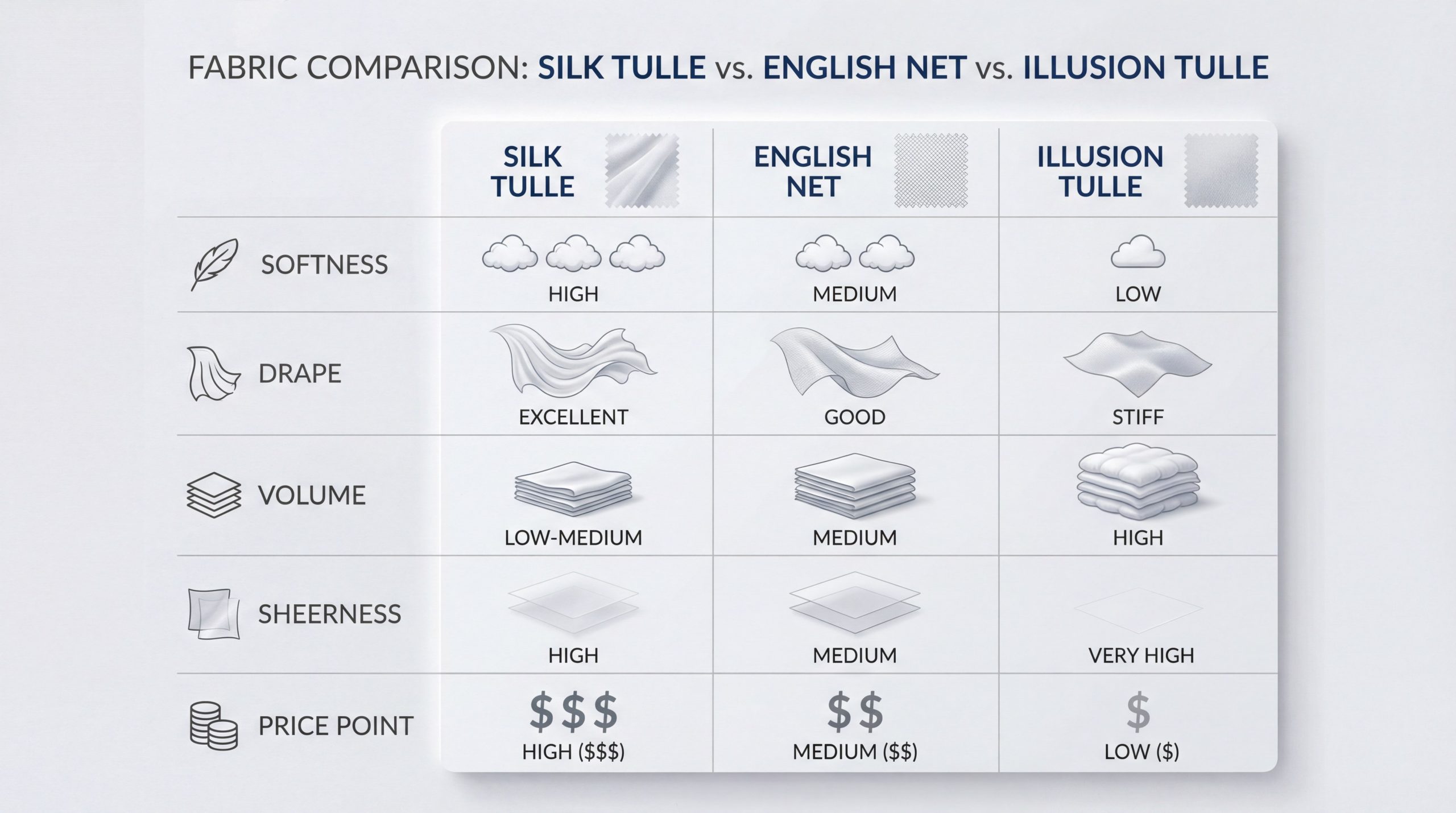
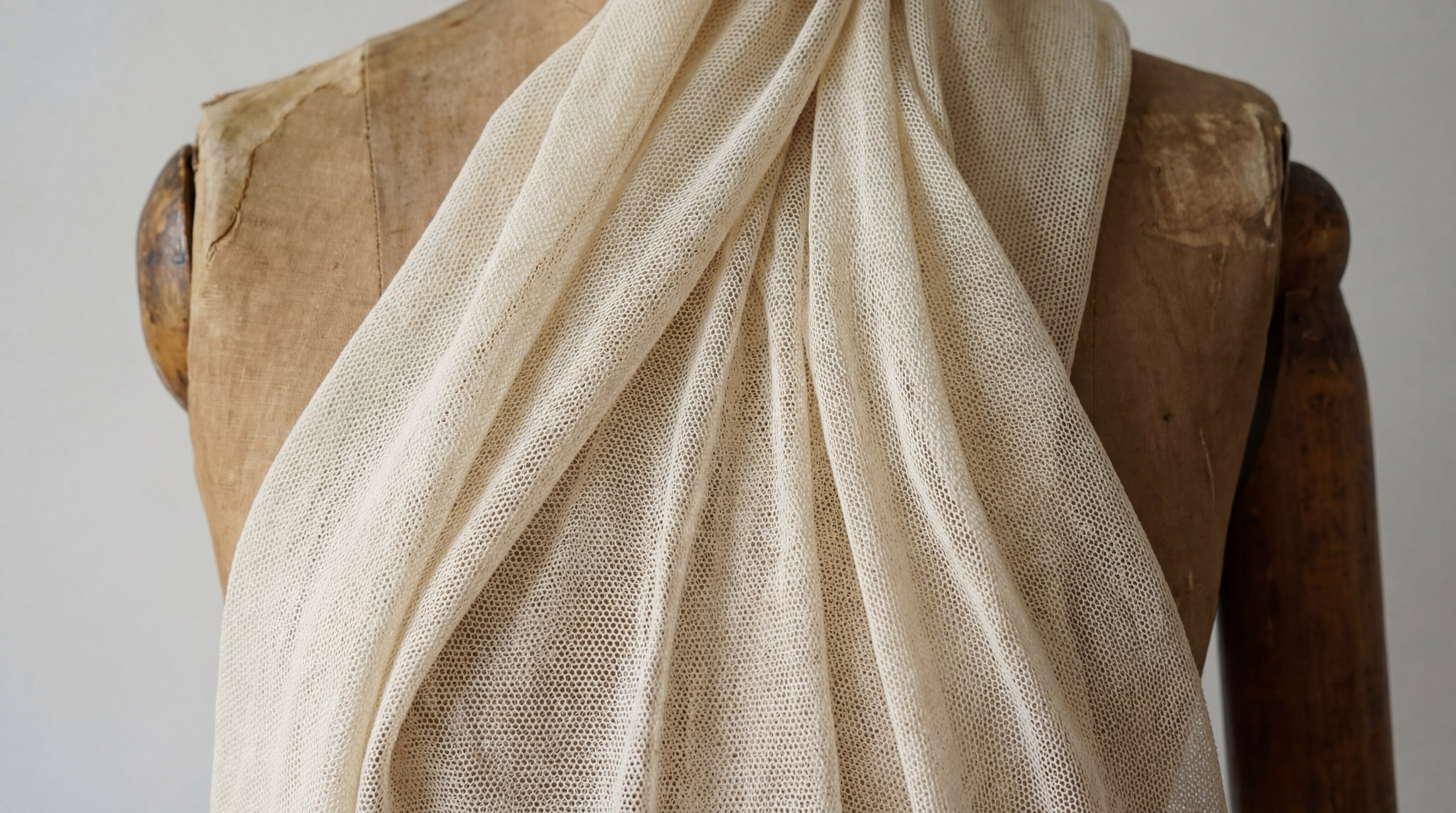
Direct Answer: The primary differences lie in three pillars: Material (Silk vs. Nylon), Drape (Fluid vs. Structured), and Sheerness (Opaque vs. Transparent). Silk tulle fabric is the softest and most fluid; Illusion is the sheerest and stiffest; English net is the heaviest and most durable.
- Which has the most elegant drape?The way gravity affects each fabric is unique: silk clings to the silhouette, English net falls in elegant vertical folds, and illusion tulle floats away from the body.
- How do the weights vary across types?Technically, this is measured in denier and GSM (grams per square meter). Silk is often the lightest in weight but the most dense in fiber count.
Key Takeaway: Match your fabric to your desired movement.
5. How to choose your silk tulle fabric?
Direct Answer: Selecting the right silk tulle fabric requires balancing your budget with the specific “drop” needed for your gown. You must decide if you want a French silk (more opaque and soft) or an English silk (sheerer and slightly crisper).
- Should you prioritize soft or stiff mesh?Your project goals will dictate the material choice. We recommend consulting a guide on choosing materials using the tulle fabric definition to align your fiber choice with your design requirements.
- Does the dress style dictate the fabric?A-line dresses often thrive with the softness of silk tulle fabric , whereas structured Mermaids may need synthetic reinforcements.
Key Takeaway: Let the silhouette dictate the fiber.
Look at it this way: The fabric is the foundation of your design’s soul.
| Style Goal | Recommended Fabric | |
|---|---|---|
| Ethereal/Boho | Silk Tulle Fabric | |
| Traditional/Puffy | Illusion Tulle | |
| Vintage/Draped | English Net |
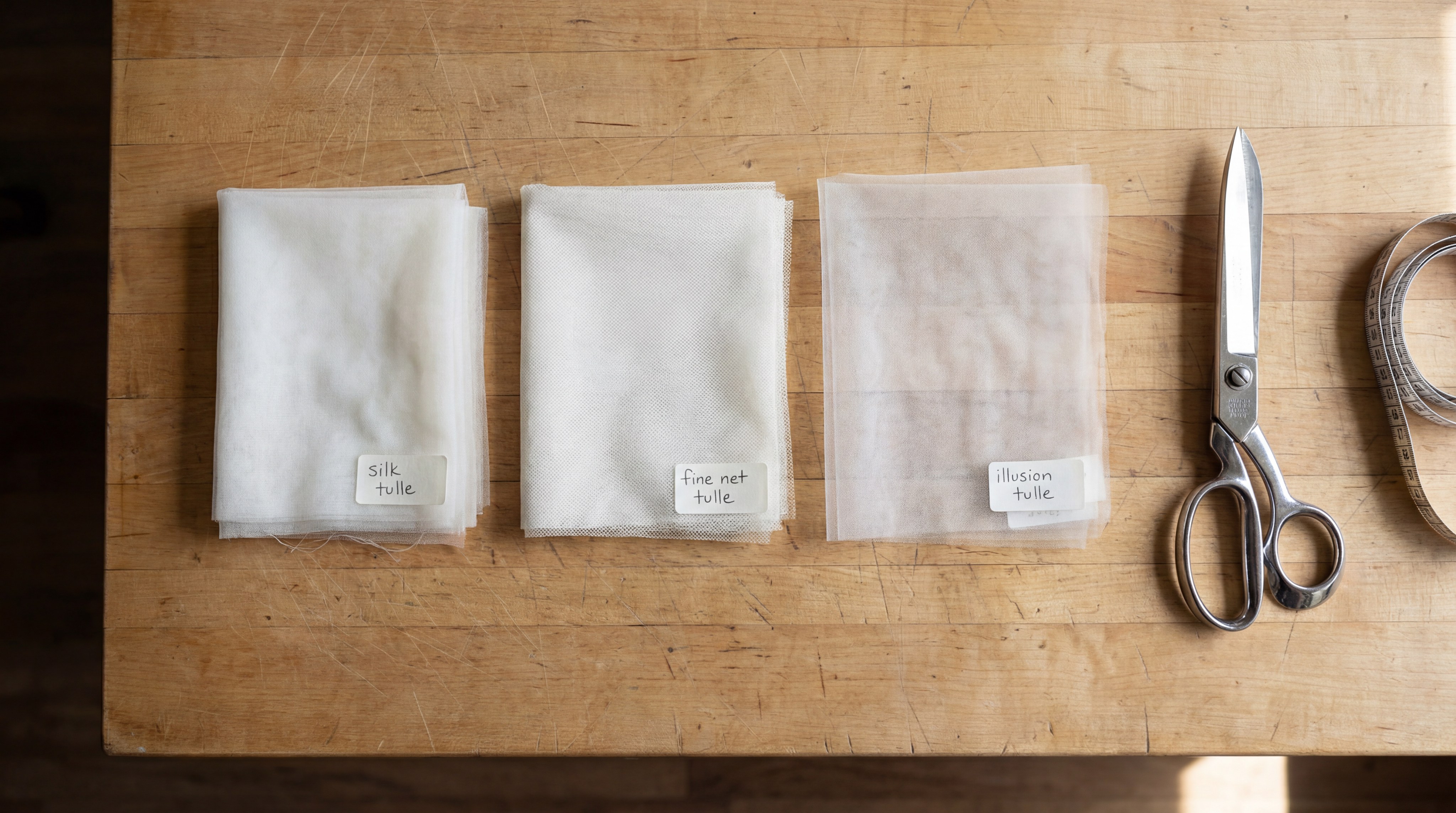
6. Which tulle offers the most graceful movement?
Direct Answer: Silk tulle offers the most movement because it has no “stand-off” from the body; it behaves like water. For a more “weighted” movement that doesn’t static-cling, English net is the superior choice for walking down an aisle.
- Why does silk cling to the body?Silk fibers lack the inherent stiffness found in synthetics. For those seeking a synthetic that approaches this level of grace, premium soft tulle fabric is an excellent middle ground.
- Can English net mimic silk’s flow?Yes—by using multiple layers of English net, you can achieve a “weighted” swing that feels incredibly high-end.
Key Takeaway: Flow depends on the absence of “pouf.”
You might be wondering: Which one looks best in a breeze? Silk offers a delicate flutter, while English net offers a rhythmic sway.
| Fabric | Movement Type | Wind Reaction | |
|---|---|---|---|
| Silk | Fluid/Clinging | High Flutter | |
| English Net | Swinging/Weighted | Graceful Sway | |
| Illusion | Floating/Static | Stays Structured |
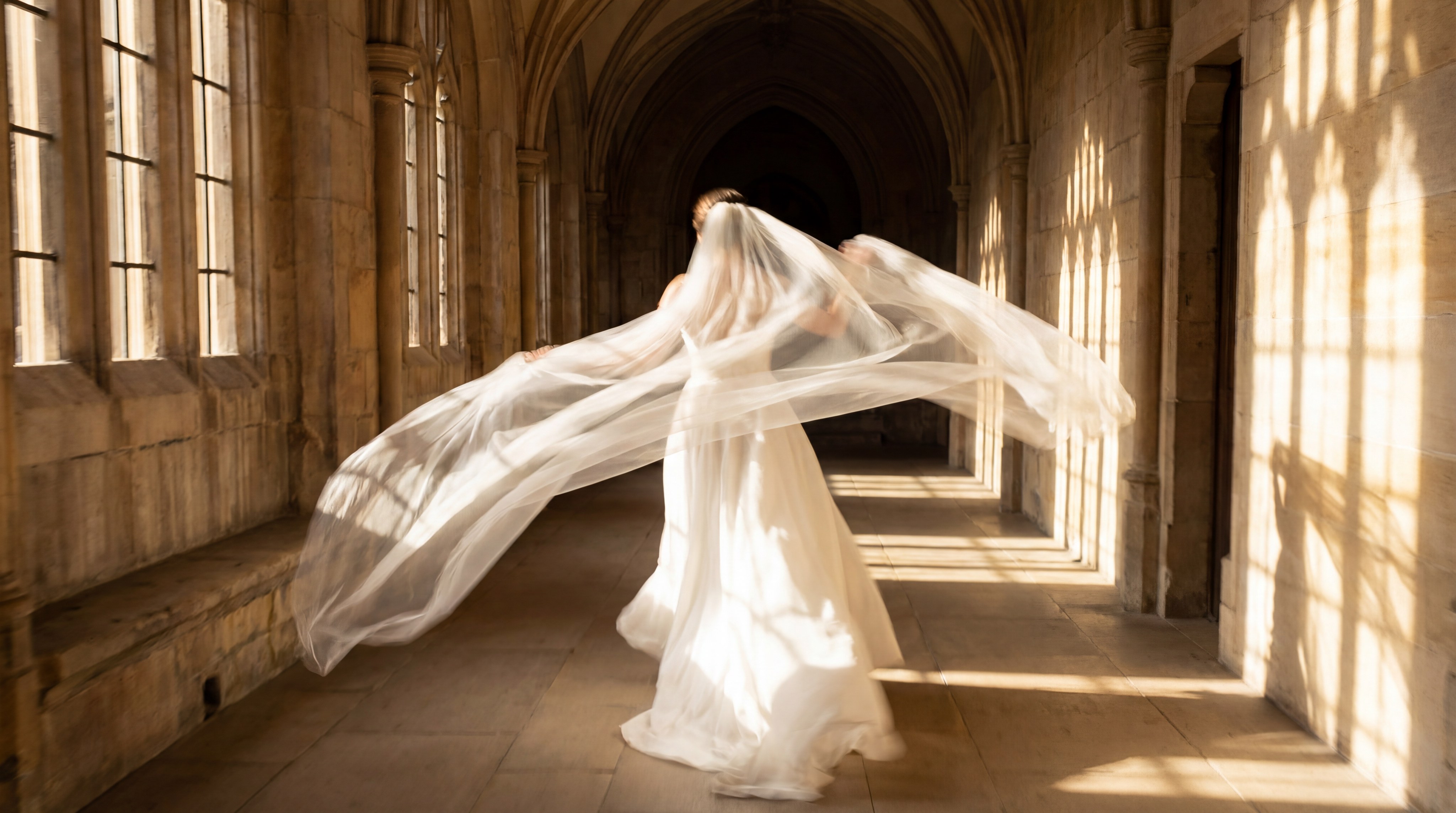
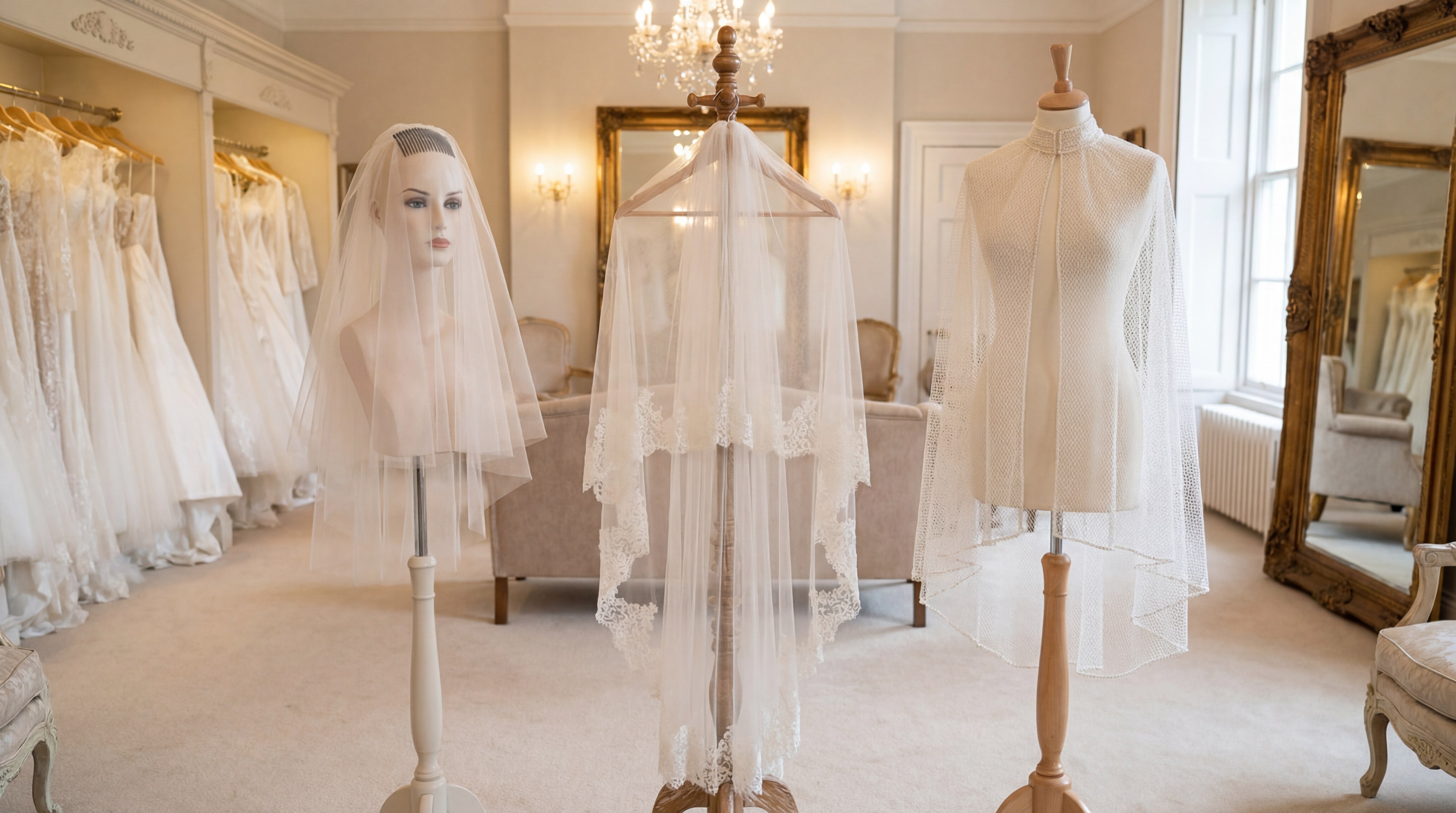
7. What is the best tulle for a wedding veil?
Direct Answer: The “best” depends on the veil style. Illusion is best for blushers and cathedral veils that need to stay “open.” Silk tulle fabric is best for Juliet caps or bohemian mantilla veils. English net is the go-to for draped, cowl-style capes.
- Is illusion better for blushers?Absolutely. Sheerness is vital for the moment the groom lifts the veil. You can find a variety of suitable options in the bridal and dress tulle range .
- When should you use English net?It is ideal for heavy lace-edged veils that require a stronger foundation to support the weight of the embroidery.
Key Takeaway: Form follows function in veil selection.
Here’s the kicker: Using the wrong weight for a long veil can lead to it pulling uncomfortably on your hairstyle all day.
| Veil Type | Ideal Fabric Choice | |
|---|---|---|
| Blusher | Illusion Tulle | |
| Juliet Cap | Silk Tulle Fabric | |
| Draped Cape | English Net |
8. How delicate is genuine silk tulle fabric?
Direct Answer: Genuine silk tulle is extremely delicate. It is prone to snagging on jewelry and can lose its shape if it gets wet. In contrast, nylon illusion and English net are much more resilient and “wedding day proof.”
- Does nylon hold up better over time?Synthetic fibers are engineered for longevity, whereas vintage silk tulle fabric can yellow or become fragile over decades.
- How do you prevent snagging?Always ensure your jewelry (especially bracelets and rings) is smooth, and be cautious when walking near rough surfaces or nature-heavy photo locations.
Key Takeaway: Silk is for the “moment”; nylon is for the “event.”
Believe it or not: Many brides opt for a silk top layer with a nylon base to get the look without the high-risk fragility.
| Durability Factor | Silk Tulle | English Net | Illusion Tulle | |
|---|---|---|---|---|
| Snag Resistance | Low | Medium | High | |
| Moisture Care | Professional | Easy | Easy | |
| Longevity | Decades (fragile) | Long-lasting | Long-lasting |
9. Which fabric creates a vintage bridal look?
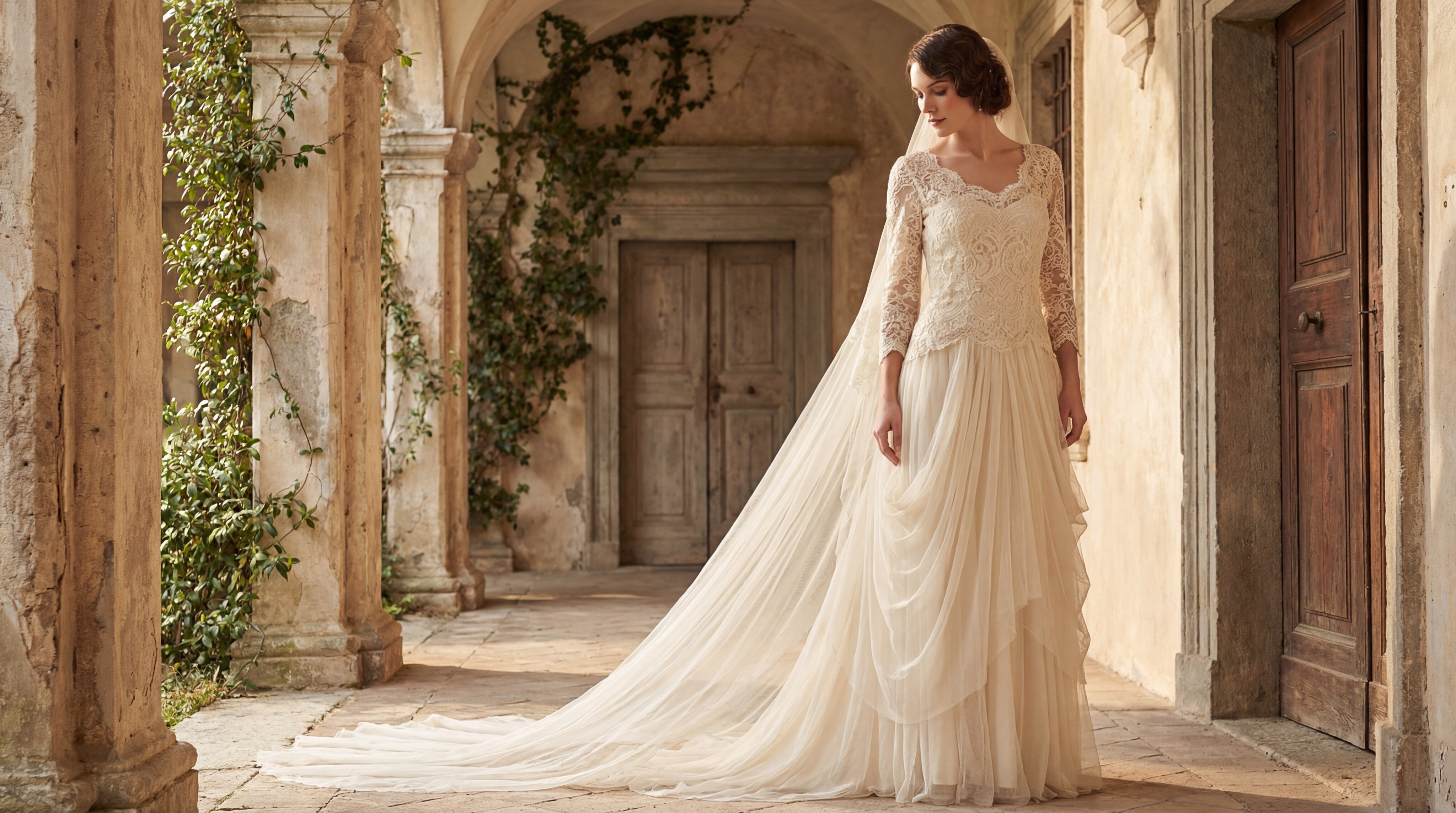
Direct Answer: English net is the champion of the vintage aesthetic. Its slightly larger, hexagonal mesh looks and feels like the handmade nets of the early 20th century, making it the perfect match for lace-heavy, Edwardian, or 1920s-style gowns.
- Why choose English net for boho styles?It provides an “effortless” and “un-done” look that modern synthetics can’t replicate. It drapes like a soft curtain rather than a stiff cage.
- Is silk the ultimate luxury choice?Historically, silk tulle fabric has been associated with royal weddings and old-world wealth, offering a texture that is unmistakable to the trained eye.
Key Takeaway: Netting creates nostalgia; silk creates status.
That’s not all: English net takes lace appliqués beautifully, as the mesh is strong enough to hold heavy threadwork.
| Era/Style | Best Fabric Match | |
|---|---|---|
| 1920s Flapper | English Net | |
| 1950s Grace Kelly | Illusion Tulle | |
| Victorian Luxury | Silk Tulle Fabric |
10. Is silk tulle fabric worth the investment?
Direct Answer: Silk tulle is worth the investment if the “sensory experience” and “ethereal drape” are your highest priorities. If you are on a budget or want a high-volume, “princess” skirt, your money is better spent on high-quality English net or illusion tulle.
- Where can you find high-quality mesh?Always source from reputable suppliers who can provide the fiber content. Genuine silk tulle fabric should feel cool and substantial, not plastic-like.
- How do prices vary?Silk is a premium product due to the labor-intensive nature of harvesting natural silk. Synthetic nets offer a much more budget-friendly path to achieving bridal volume.
Key Takeaway: Invest in the fabric that touches your skin.
The bottom line? Your choice of tulle will define the silhouette of your day and the memories of your touch.
| Fabric Type | Relative Price | Value Proposition | |
|---|---|---|---|
| Silk Tulle Fabric | $$$$ | Unmatched luxury/softness | |
| English Net | $$ | Durability/Vintage look | |
| Illusion Tulle | $ | Budget-friendly/Volume |
Key Takeaways Table
| Goal | Recommended Tulle | Why? | |
|---|---|---|---|
| Maximum Volume | Illusion Tulle | Holds its shape and “stands out” from the body. | |
| Luxury & Softness | Silk Tulle Fabric | 100% natural fiber with a liquid-like drape. | |
| Vintage Movement | English Net | Pliable, soft, and has a beautiful, heavy weight. | |
| Sheerest Look | Illusion Tulle | Fine nylon fibers make it nearly invisible on skin. |
Frequently Asked Questions
- Can I wash my silk tulle at home?No. Silk tulle is extremely delicate and can shrink or lose its luster. It should always be professionally dry-cleaned or very carefully spot-cleaned by a specialist.
- What’s the best tulle for a voluminous ballgown?Illusion tulle (or even a stiffer diamond mesh) is best. Silk and English net are too heavy and soft to hold the weight of a massive skirt without collapsing.
- How do I know if I’m buying real silk?Perform a “burn test” on a small scrap. Real silk will smell like burning hair and leave a crushable ash; nylon will smell like plastic and melt into a hard bead.
- Can I mix different tulle types in one dress?Yes! Many designers use illusion tulle for the structural base layers and a top layer of silk tulle fabric or English net for the aesthetic finish.
- What’s the best way to remove wrinkles?Steaming is the safest method for all three types. Never touch a hot iron directly to nylon (Illusion/Net) as it will melt instantly.