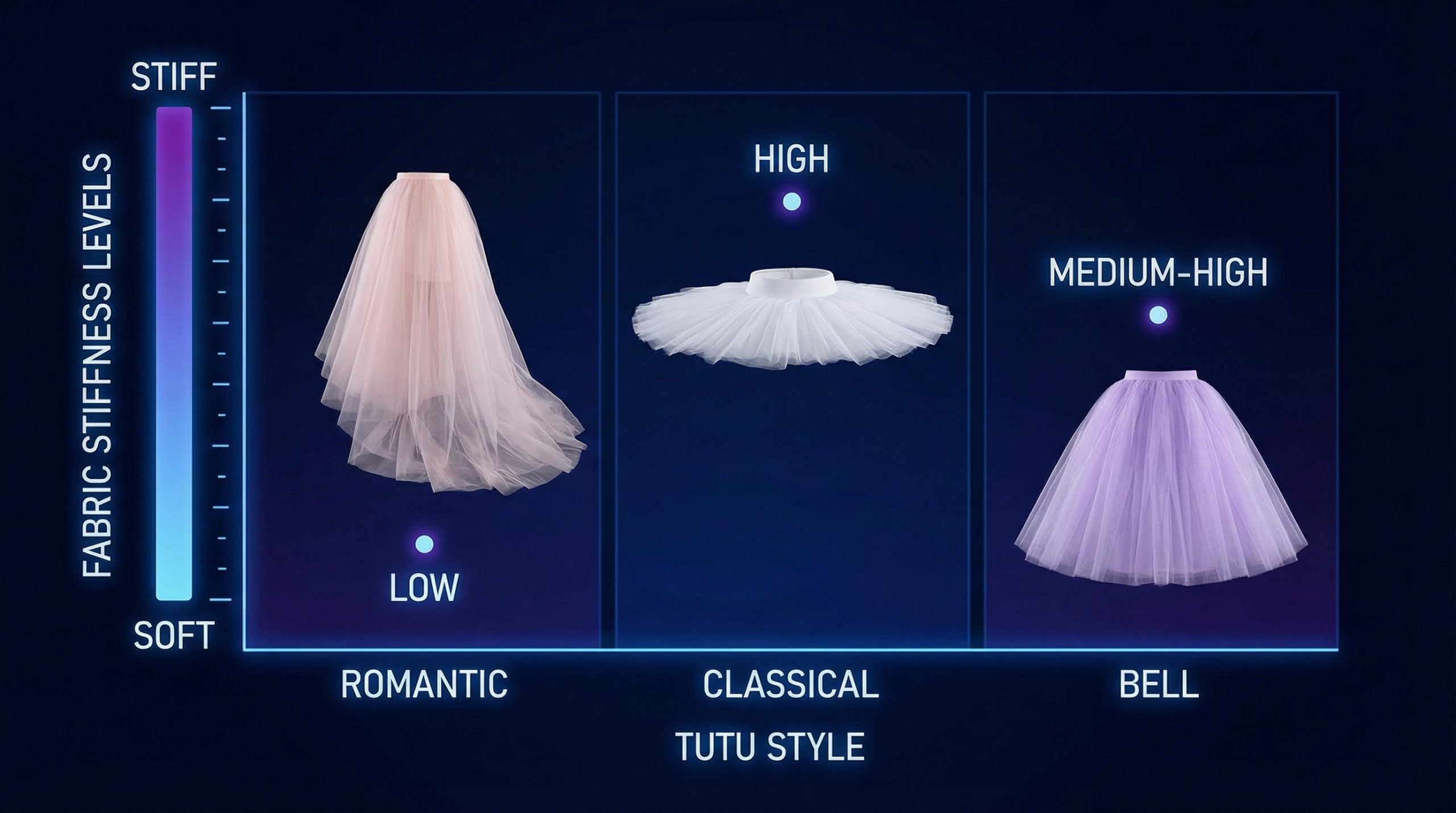
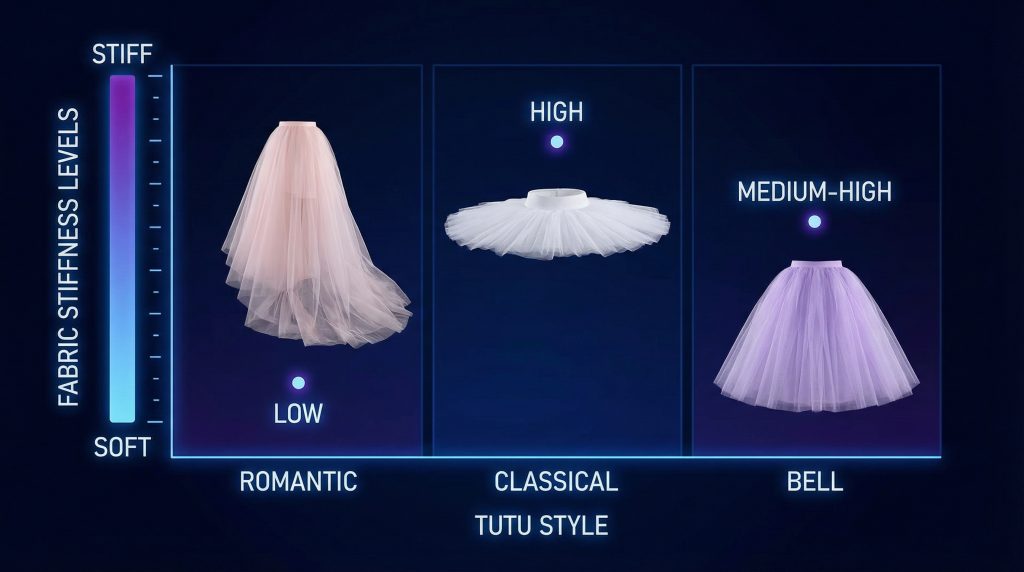
A tutu is primarily made of tulle, a lightweight, fine-mesh fabric that can be composed of various fibers like nylon, polyester, or silk. While the specific weave and stiffness may vary depending on the style of the dance, tulle remains the foundational element for these iconic garments.
Choosing the wrong textile for your production can lead to costumes that sag, lose their volume, or cause discomfort for the performers. You may find that inferior fabrics fail to hold the sharp lines required for a classical performance or lack the ethereal drape needed for a romantic piece. Understanding what material is a tutu made of allows you to select high-performance fabrics that withstand the rigors of the stage. By sourcing the correct mesh, you ensure your designs maintain their architectural integrity and professional appearance from the first rehearsal to the final curtain call.
What is the primary fabric used in a tutu?
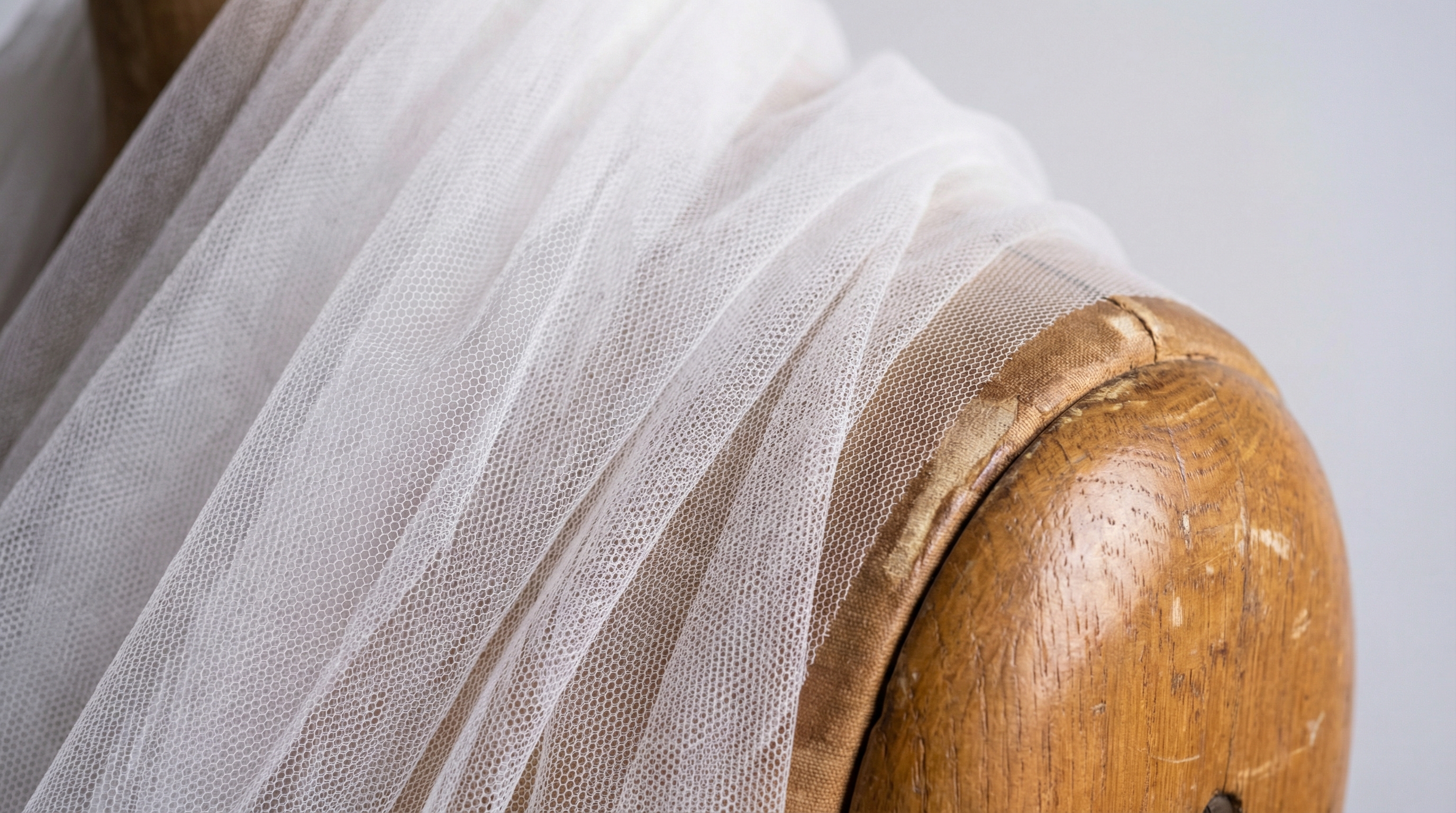
Tulle is the most common textile used when determining what material is a tutu made of for professional ballet. This fine netting is created by weaving threads into a hexagonal mesh pattern that provides both transparency and structural potential. You will find that the weight and “hand” of the tulle dictate how the garment moves on stage.
Why is the mesh pattern important?
The hexagonal structure of the mesh allows the fabric to be layered without adding excessive weight. This unique weave provides the necessary tension to support the skirt’s shape while remaining breathable for the dancer. You can achieve different levels of opacity by simply increasing the number of layers used in the construction.
Here is the kicker:
- It creates a “floating” effect during movement.
- The open weave allows for excellent heat dissipation.
- It resists fraying when cut into various lengths.
Key Takeaway: Tulle’s hexagonal mesh is the industry standard because it balances structural strength with a lightweight, airy aesthetic.
| Feature | Description | |
|---|---|---|
| Fabric Type | Hexagonal Mesh (Tulle) | |
| Core Benefit | Structural integrity with minimal weight | |
| Common Uses | Professional and practice tutus |
The fundamental mesh structure provides the essential “lift” that defines the silhouette of classic dance costumes.
Why is nylon the standard for modern tutus?
Nylon is the preferred synthetic fiber for manufacturers who need to know what material is a tutu made of to achieve maximum stiffness. This polymer is exceptionally strong and can be heat-set to maintain its shape even under the weight of heavy embellishments. You will notice that nylon tulle snaps back into place more effectively than other fibers.
Does nylon improve durability?
Nylon fibers are highly resistant to abrasion and tearing, which is critical for costumes that undergo frequent movement. The material does not wilt in humid environments, ensuring the skirt remains parallel to the floor during a performance. You can trust nylon to withstand the high-tension stitching required for classical plate tutus.
Believe it or not:
- It maintains its crispness through multiple performances.
- Nylon is easier to dye than many other synthetics.
- The fiber has a natural sheen that catches stage lights.
Key Takeaway: Nylon’s ability to be heat-set and its inherent resilience make it the top choice for skirts that require a permanent, rigid shape.
| Property | Advantage for Tutus | |
|---|---|---|
| Fiber Strength | High resistance to stage wear | |
| Moisture Resistance | Won’t sag in humid conditions | |
| Stiffness | Excellent “spring back” quality |
Nylon stands as the most versatile synthetic for dancewear due to its unique combination of rigidity and lightness.
Which materials create the romantic tutu look?
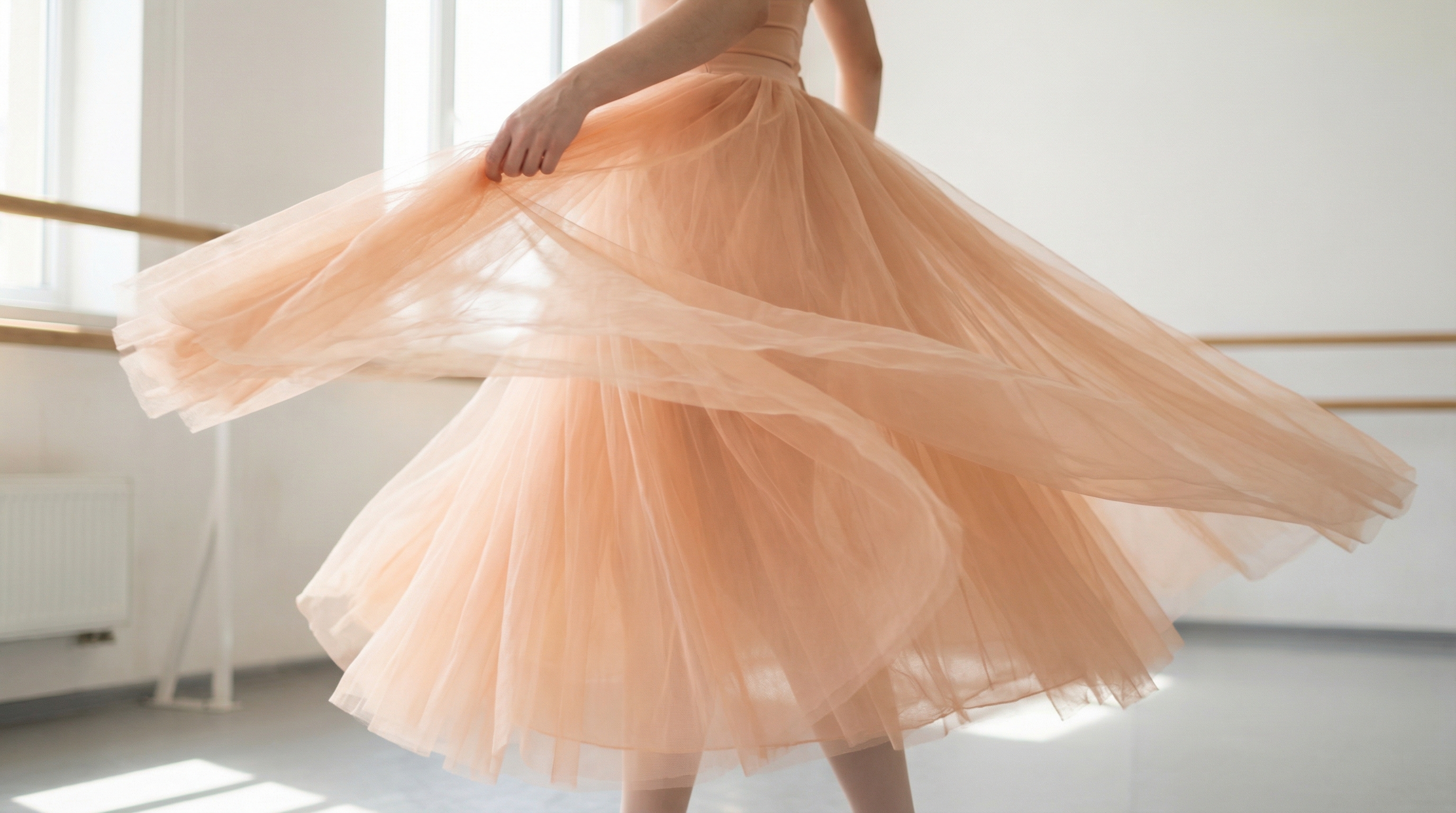
Soft tulle and fine mesh are the essential components when considering what material is a tutu made of for long, flowing romantic styles. Unlike the stiffened layers of a pancake tutu, romantic skirts require fabrics with a graceful drape that respond to the dancer’s every movement. You should look for materials that have a silky feel and a smaller hole size for a more delicate appearance.
How does drape affect the silhouette?
The “romantic” style depends on the fabric’s ability to fall softly from the waist to the mid-calf or ankle. A softer material prevents the skirt from sticking out horizontally, instead creating a bell-like shape that enhances fluid choreography. You will find that these materials feel significantly lighter against the skin during long acts.
Think about it:
- Soft mesh flows better during leaps and turns.
- Smaller holes provide a smoother, more opaque look.
- Layering soft tulle creates a “mist-like” visual effect.
Key Takeaway: Soft tulle is the definitive material for romantic tutus because it prioritizes movement and drape over rigid structure.
| Attribute | Romantic Tutu Material | |
|---|---|---|
| Fabric Feel | Soft and silky to the touch | |
| Visual Effect | Ethereal, cloud-like layers | |
| Length | Mid-calf to ankle drape |
The choice of a softer mesh ensures that the garment moves in harmony with the dancer rather than resisting the air.
How does bridal tulle differ from standard mesh?
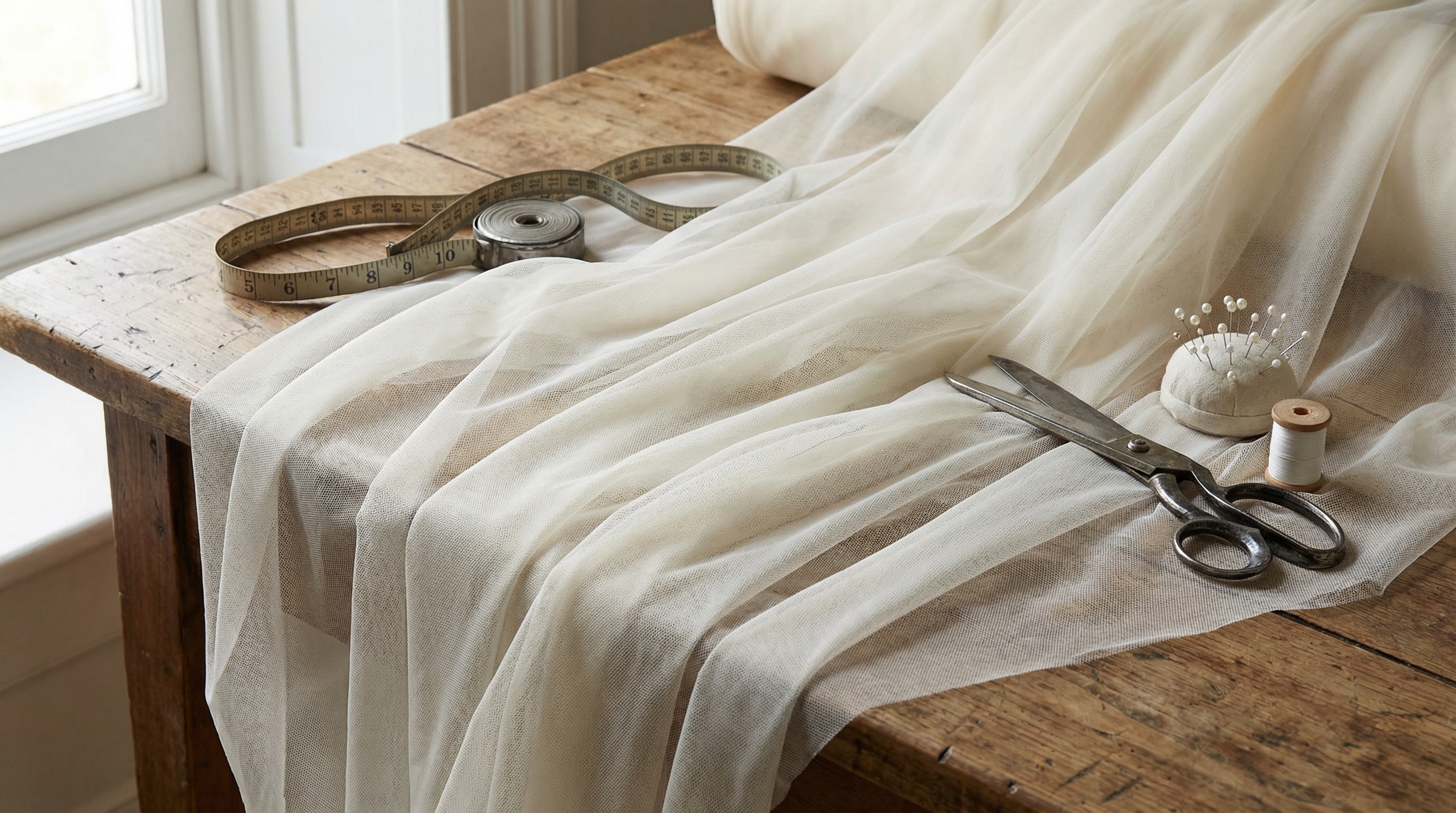
Bridal tulle is often used when a designer asks what material is a tutu made of for high-end, luxury costumes or bridal-inspired dance pieces. This specific type of tulle is typically softer and has a higher thread count than the standard stiff netting used in rehearsals. You will find that it offers a much more refined finish and a sophisticated matte or slight shimmer.
Is bridal tulle suitable for performance?
While bridal tulle is stunning, it is often more fragile than industrial-grade performance nylon. It is best suited for top layers where the visual quality is the priority rather than the underlying support. You can combine it with stiffer base layers to get the best of both worlds: structure and elegance.
But wait, there is more:
- It offers a superior drape for photography.
- The colors are often more nuanced in bridal collections.
- It feels significantly smoother against the dancer’s arms.
Key Takeaway: Bridal tulle adds a layer of sophistication and softness that standard performance mesh cannot replicate.
| Feature | Bridal Tulle Profile | |
|---|---|---|
| Texture | Ultra-fine and smooth | |
| Transparency | High, creating a delicate veil effect | |
| Best Use | Decorative top layers and wedding tutus |
Incorporating bridal-grade materials elevates a standard costume into a high-fashion garment suitable for the most prestigious stages.
What defines the structure of a classical tutu?
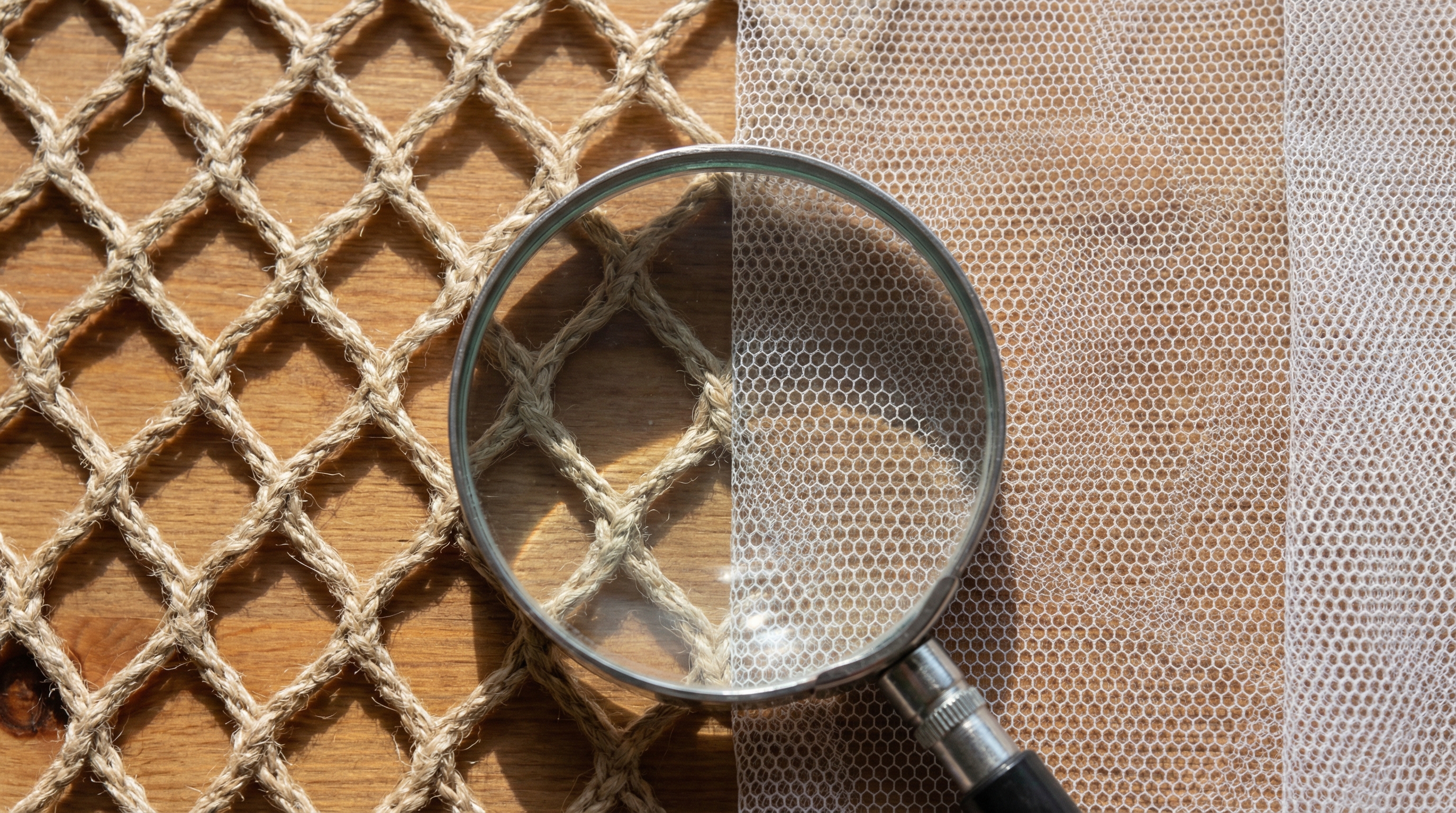
Stiff diamond net is the core material used when determining what material is a tutu made of for classical “pancake” or “powder puff” styles. This fabric is specifically designed to stand out straight from the hips, supporting itself without the need for hoops in many cases. You will notice that the larger, coarser mesh provides the mechanical strength needed to hold up multiple layers of fabric.
How is the stiffness achieved?
The stiffness is a result of both the fiber thickness and the chemical finishes applied during manufacturing. Many classical tutu materials are treated with sizing agents that lock the fibers into a rigid grid. You must handle these fabrics carefully to avoid creasing the “starched” finish that provides the iconic lift.
As it turns out:
- Diamond net provides the most reliable horizontal support.
- It is strong enough to support heavy sequins and jewels.
- The coarse texture helps layers “grip” each other to prevent sliding.
Key Takeaway: Rigid diamond net is the structural “skeleton” of the classical tutu, providing the gravity-defying shape required for traditional ballet.
| Property | Classical Net Utility | |
|---|---|---|
| Rigidity | Maximum, for horizontal projection | |
| Weight | Lightweight despite the stiffness | |
| Durability | High, resists collapsing under pressure |
The mechanical properties of diamond net are what allow a classical tutu to maintain its wide, flat profile throughout a rigorous performance.
Are there specialty finishes for performance tutus?
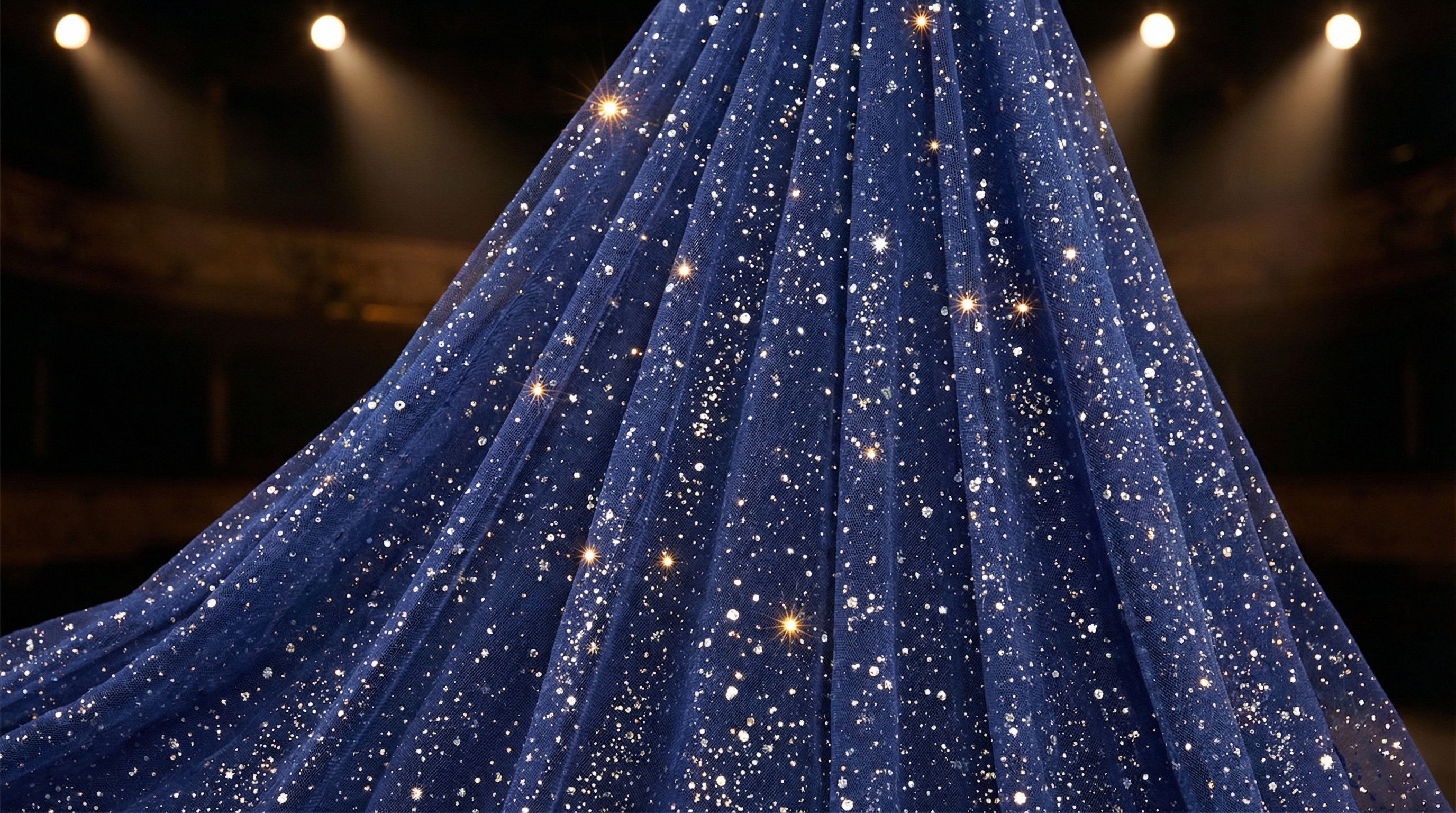
Glitter and shimmer coatings are popular additions when designers research what material is a tutu made of for soloist costumes. These materials involve applying metallic particles or iridescent foils directly onto the tulle base. You will see these used frequently in productions like The Nutcracker to create a magical, twinkling effect under spotlights.
Do glitter finishes affect the fabric?
Specialty finishes can sometimes make the tulle slightly more abrasive or stiffer than the plain versions. It is important to consider how these particles are bonded to ensure they don’t shed excessively during dance movements. You should always use these fabrics as accent layers to maximize visual impact without compromising the dancer’s comfort.
The best part?
- They create instant visual “pop” without heavy embroidery.
- Light reflects off the mesh to highlight the skirt’s volume.
- Modern bonding techniques keep the glitter secure on the thread.
Key Takeaway: Glitter and sparkle tulles are specialized materials that enhance the theatrical storytelling of a costume through light reflection.
| Finish Type | Visual Impact | |
|---|---|---|
| Glitter | High sparkle and “twinkle” effect | |
| Iridescent | Color-shifting “oil slick” appearance | |
| Metallic | Sharp, high-contrast reflections |
Using specialty finishes allows a designer to characterize a role purely through the textural qualities of the fabric layers.
What role does silk play in high-end tutus?
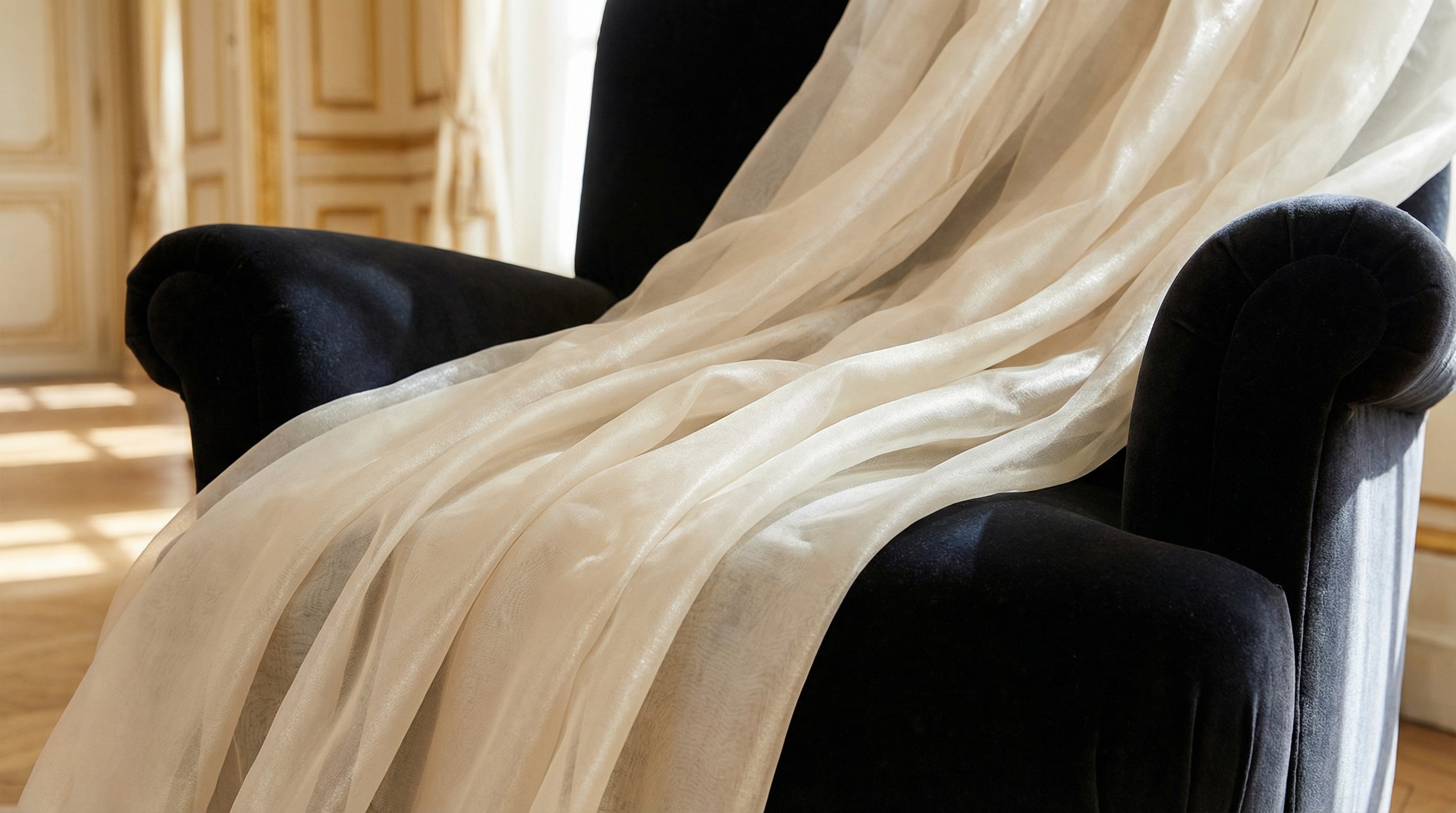
Silk was the original material used in the 19th century when dancers first wondered what material is a tutu made of for the stage. Today, silk tulle is a rare luxury item used primarily by prestigious opera houses and for custom couture commissions. You will find that silk offers a unique, organic movement and a “crunch” that synthetic fibers simply cannot perfectly mimic.
Is silk still practical for modern dance?
Silk is highly susceptible to humidity and can lose its shape if the dancer sweats or if the air is damp. Because of this, it is often reserved for the very top layer of a costume for its unmatched aesthetic beauty. You must be prepared for much higher maintenance costs and shorter garment lifespans when choosing silk.
Here is the kicker:
- It has an incredibly fine, almost invisible mesh.
- The natural luster is much softer than synthetic shine.
- It is the most breathable option for the performer.
Key Takeaway: Silk tulle remains the pinnacle of luxury in costume design, valued for its historical authenticity and peerless drape.
| Material | Silk Tulle Characteristics | |
|---|---|---|
| Fiber Origin | Natural (Silkworm) | |
| Maintenance | High (Professional dry clean only) | |
| Aesthetic | Exceptionally soft and matte |
While synthetic options dominate the market, silk remains the choice for those seeking the ultimate in traditional costume elegance.
Is polyester a viable material for tutus?
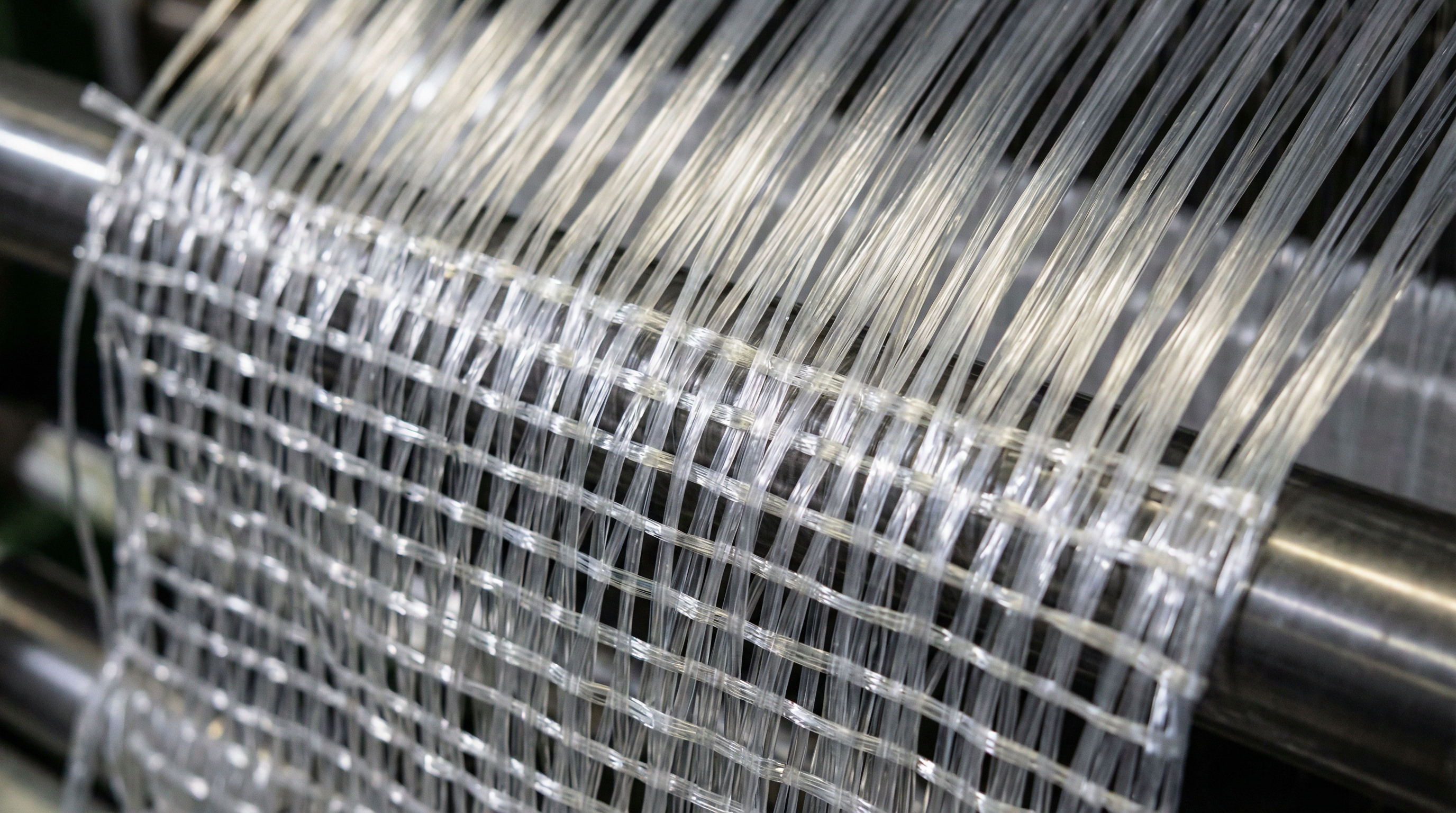
Polyester is frequently used as a cost-effective alternative when deciding what material is a tutu made of for practice wear or student costumes. While it looks similar to nylon, polyester has different chemical properties that affect how it behaves over time. You will find that polyester is often slightly shinier and less “springy” than high-grade nylon.
How does polyester compare to nylon?
Polyester is generally more resistant to heat, which can make it easier to iron, but it doesn’t hold a “set” as firmly as nylon does. It is an excellent choice for costumes that need to be washed more frequently, as it holds its color very well. You can use polyester for budget-conscious productions without sacrificing the overall look of the skirt.
Think about it:
- It is often more affordable for large ensembles.
- Polyester mesh is highly resistant to wrinkling.
- The fabric is less likely to yellow over time compared to nylon.
Key Takeaway: Polyester is a durable, economical choice that works best for practice tutus and productions with limited budgets.
| Comparison | Nylon vs. Polyester | |
|---|---|---|
| Cost | Polyester is generally lower | |
| Resilience | Nylon has better “snap back” | |
| Color Fastness | Polyester is superior |
Choosing between nylon and polyester usually comes down to a balance between the required performance lifespan and the available budget.
How are different tutu layers constructed?
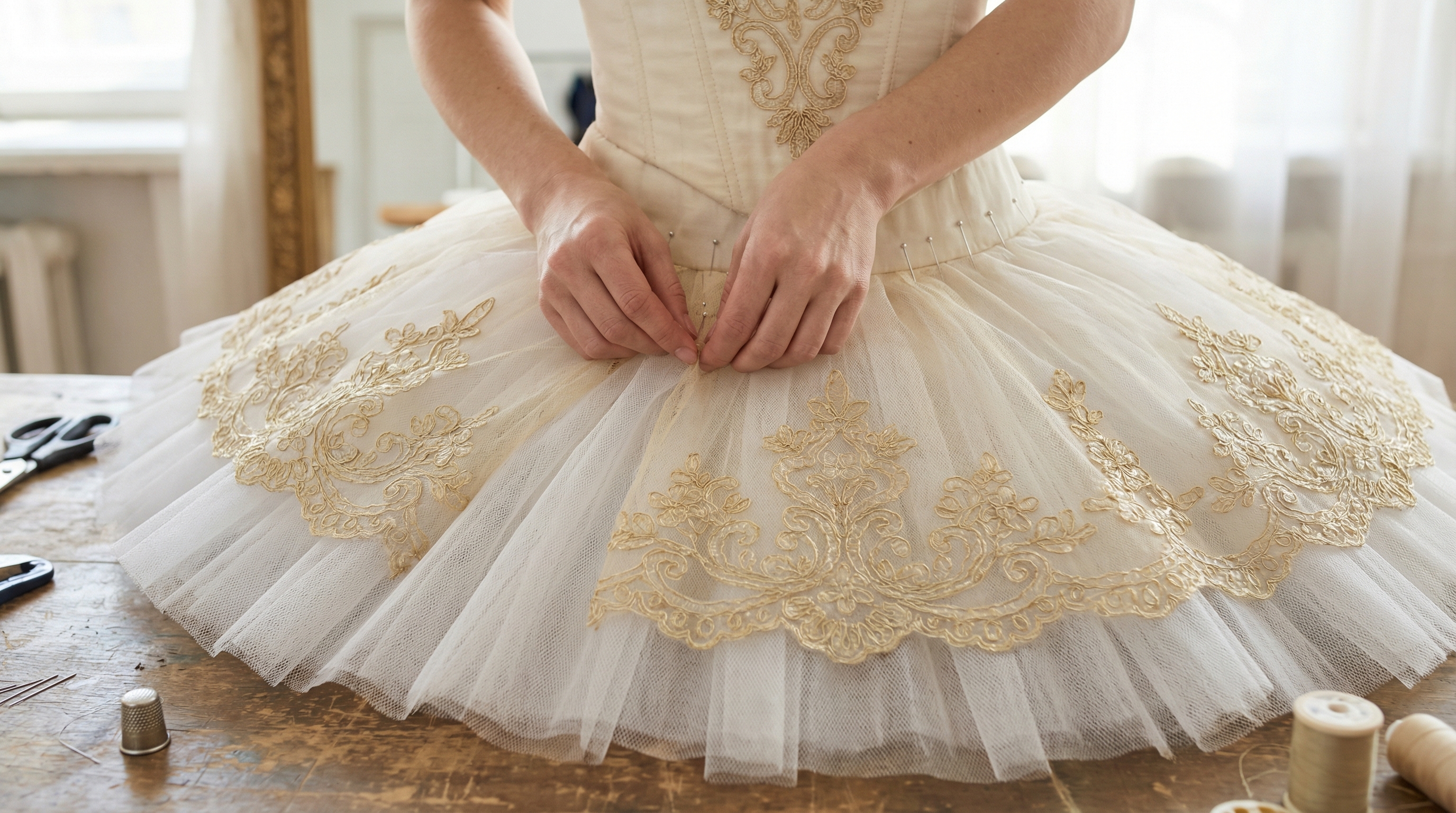
A professional tutu is never made of just one material, as the answer to what material is a tutu made of often involves a “sandwich” of various densities. The bottom layers are usually the coarsest and stiffest to provide a foundation, while the top layers are finer for a polished look. You will see that the layers are graduated in length to create the specific silhouette required by the choreographer.
Why use multiple fabric types?
Using a variety of tulle weights allows the designer to control the skirt’s weight and movement precisely. Stiff net at the bottom prevents the skirt from drooping, while soft tulle on top hides the “rough” edges of the structural layers. You can also mix colors between layers to create a sense of depth and vibration as the dancer moves.
But wait, there is more:
- Layering creates a “built-in” petticoat effect.
- You can hide structural elements like wire or crinoline between layers.
- Multiple layers allow for complex color blending.
Key Takeaway: A successful tutu relies on the strategic layering of different fabric weights to achieve both beauty and structural stability.
| Layer Position | Material Function | |
|---|---|---|
| Bottom Layers | Structural support and “lift” | |
| Middle Layers | Volume and color depth | |
| Top Layer | Aesthetic finish and soft touch |
The interplay between different material densities is what creates the professional “lift” seen in elite ballet companies.
What determines the longevity of tutu materials?
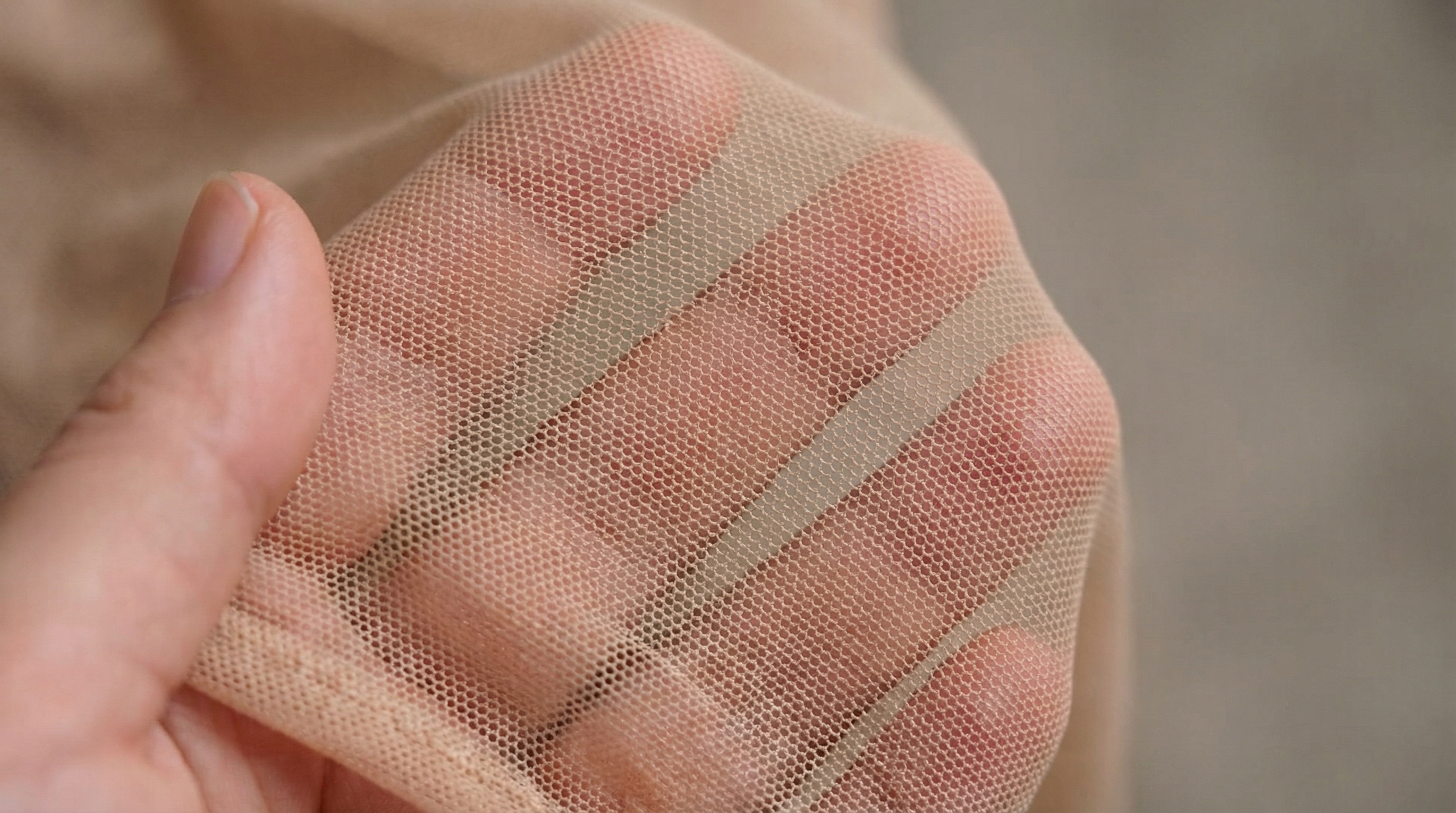
The quality of the polymer and the tightness of the weave are the primary factors when evaluating what material is a tutu made of for long-term use. High-quality nylon will maintain its hexagonal shape even after being compressed in a tutu bag for travel. You should look for materials that have been “finished” correctly to ensure they don’t become brittle or sticky over time.
How do you maintain tutu material?
Proper storage is the most important factor in preserving the life of the mesh, as hanging a tutu upside down helps maintain its gravity-defying shape. You should avoid using harsh chemicals or high heat, which can melt synthetic fibers or strip away the stiffening agents. You can often “refresh” a limp tutu by carefully steaming the layers back into position.
As it turns out:
- Dust can settle into the mesh and act as an abrasive.
- Body oils and sweat can eventually break down synthetic fibers.
- Proper “steaming” can revive the original stiffness of the net.
Key Takeaway: Investing in high-quality mesh and following strict maintenance protocols will significantly extend the life of your performance garments.
| Longevity Factor | Impact on Garment | |
|---|---|---|
| Fiber Quality | Prevents premature “wilting” | |
| Storage Method | Preserves the structural silhouette | |
| Cleaning Care | Protects the chemical sizing/stiffness |
The durability of a tutu is a direct reflection of the initial material quality and the care it receives between performances.
Selecting the appropriate material for a tutu is a technical decision that impacts both the aesthetic success of a production and the physical comfort of the dancers. Whether you require the architectural rigidity of nylon diamond net for a classical Variation or the fluid, ethereal grace of silk tulle for a romantic act, the foundational mesh determines the garment’s performance. By understanding the nuances of fiber types, finishes, and layering techniques, you can ensure your costumes meet the highest professional standards.
At our core, we believe that the right fabric empowers the artist. If you need assistance selecting the perfect mesh for your next project or have questions about our specialized collections, please contact us today . We are dedicated to providing the high-performance textiles that turn creative visions into stage realities.
FAQ
Can I wash a tutu made of stiff nylon net?It is generally not recommended to submerge a professional tutu in water as it can dissolve the sizing agents that provide stiffness. Instead, you should spot-clean the bodice and use a specialized fabric freshener on the tulle layers to maintain their rigid shape.
What’s the best material for a child’s play tutu?Polyester soft tulle is the most practical choice for children’s wear because it is affordable, flame-retardant, and much softer against sensitive skin. It also withstands the rougher handling and frequent cleaning associated with younger performers and play.
How many layers of tulle does a professional tutu need?A standard professional classical tutu typically consists of 10 to 12 layers of graduated net to achieve the necessary density and “lift.” This layering technique ensures the skirt remains horizontal without collapsing under its own weight or the weight of decorations.
Can I use a steamer on glitter-coated tulle?You should use extreme caution when steaming specialty tulles because high heat can melt the adhesives used to bond glitter or foils to the mesh. Always use a low-heat setting and test a small, inconspicuous area first to ensure the finish remains intact.
What material is a tutu made of if it needs to be “hooped”?Even with hooped tutus, the primary material is still stiff nylon net, but a flexible plastic or metal wire is inserted into a casing in one of the middle layers. This provides extra reinforcement for extremely wide or heavy skirts that cannot be supported by fabric alone.