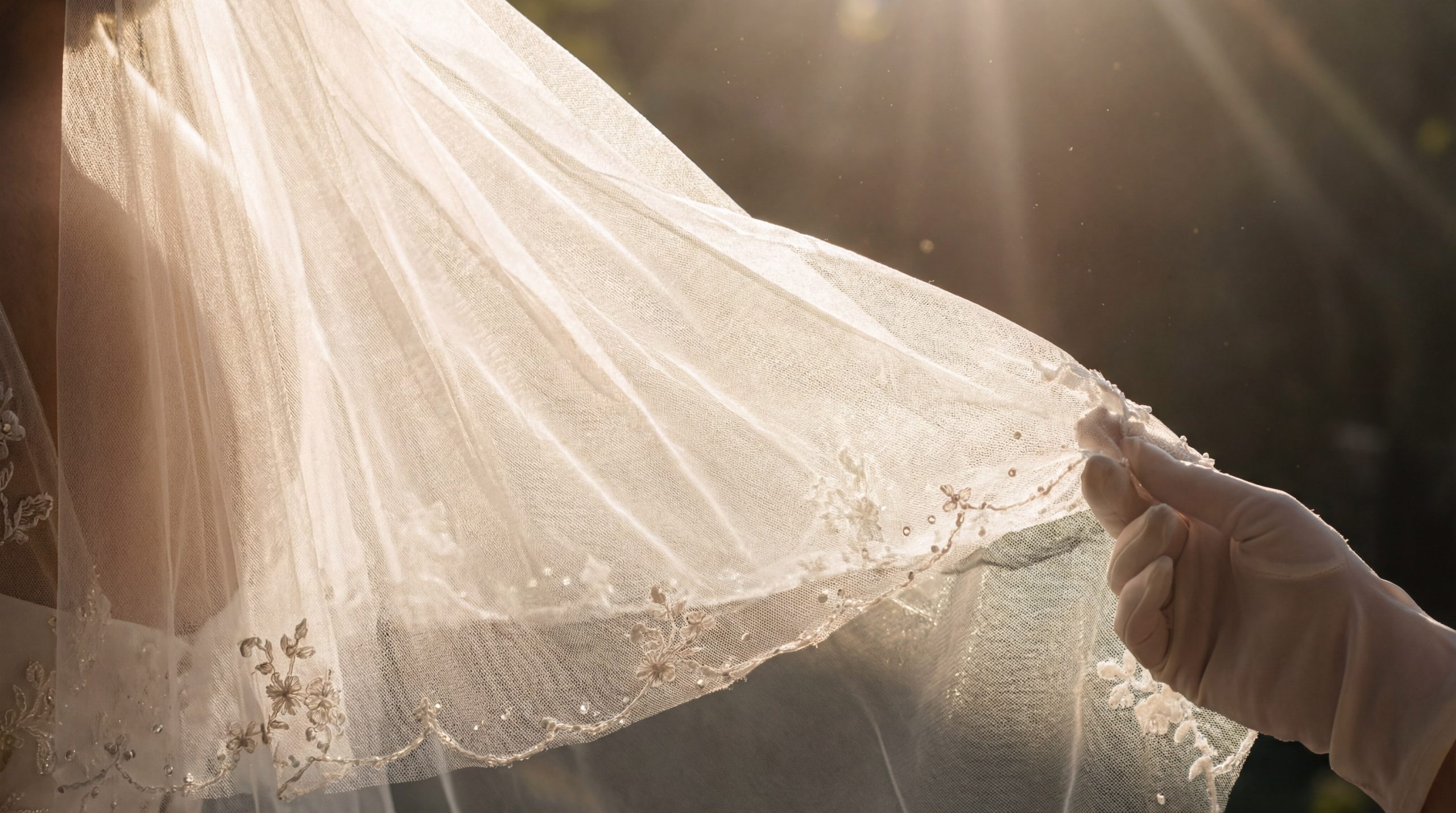
Choosing the wrong textile can turn a high-fashion vision into a technical nightmare for any designer. You might find that a garment lacks the necessary “bounce,” or worse, the material irritates a client’s skin during a long event. It is truly frustrating to see a beautiful bridal silhouette collapse because the support structure wasn’t right. This guide will help you identify exactly what kind of fabric is tulle so you can match the right fiber to your specific design requirements.
What kind of fabric is tulle like Bobbinet?
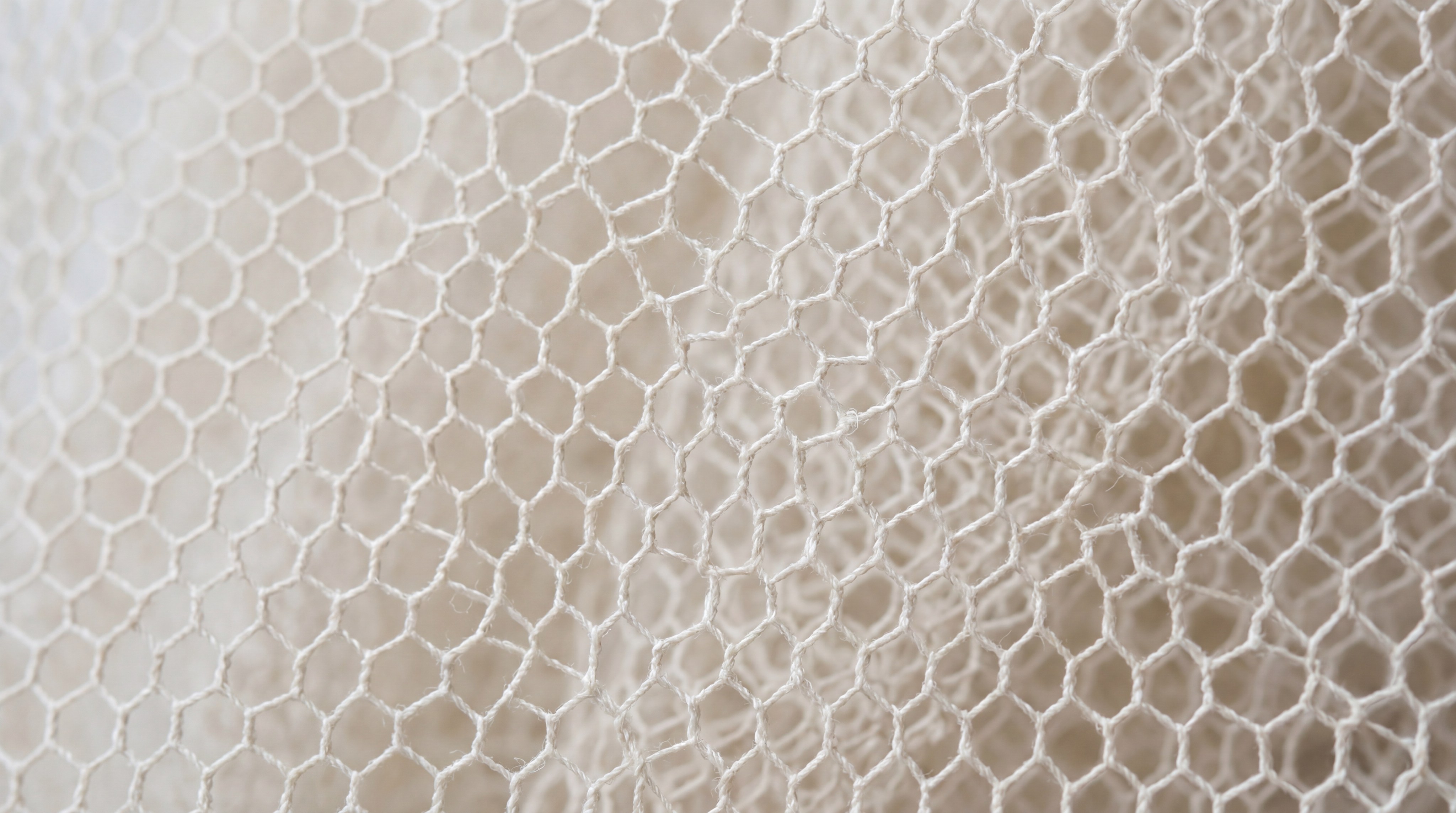
When asking what kind of fabric is tulle, the Bobbinet variety is defined by its historical French heritage and distinctive hexagonal mesh structure. This textile is a lightweight, open-mesh knit that was traditionally created on specialized machines to mimic handmade lace. You will find that it offers a unique balance of transparency and strength that few other nets can replicate.
The Origins of Machine-Made Net
The bobbinet machine was first perfected in 1817, revolutionizing how we produce fine netting. You can recognize this type by its uniform, stable holes that do not easily distort under tension. It remains a staple for designers who require a vintage aesthetic with modern reliability.
| Property | Specification | |
|---|---|---|
| Origin | Tulle, France (1817) | |
| Knit Pattern | Hexagonal Mesh | |
| Stability | High |
The data above shows that Bobbinet’s structural integrity makes it the foundation for many high-end textile applications.
Is silk the best what kind of fabric is tulle?
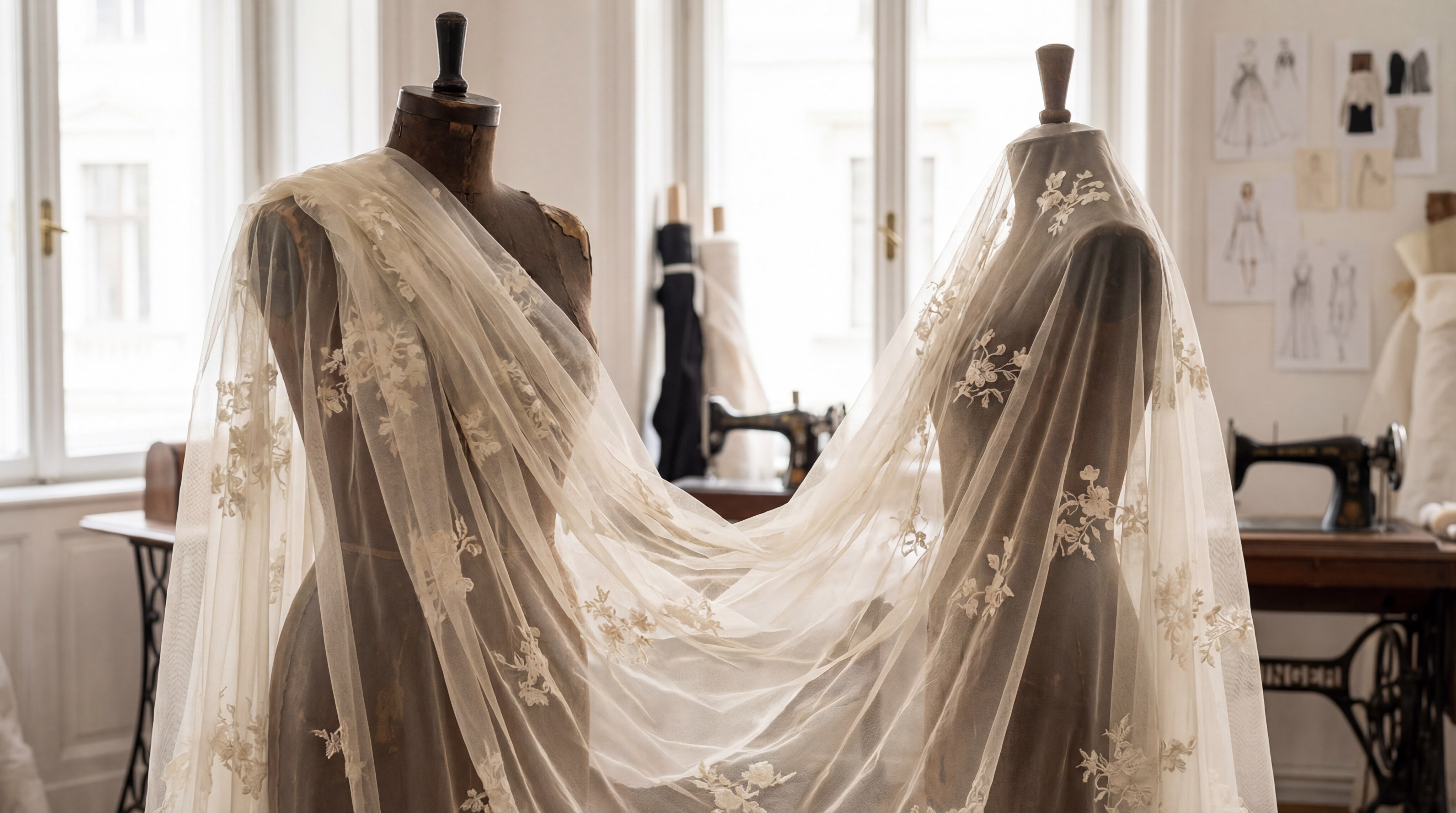
Silk is widely considered the gold standard for what kind of fabric is tulle because it offers an unmatched natural drape and a luxurious hand-feel. When you choose soft tulle made from pure silk, you are prioritizing the wearer’s comfort and the garment’s fluid movement. It is the premier choice for couture houses and high-end bridal designers globally.
Distinguishing French and English Silk
French silk tulle typically features a much finer weave, resulting in a smooth surface that feels like a second skin. In contrast, English silk varieties often have a larger, more durable net pattern. You should select the weave based on whether you need sheer delicacy or structural presence.
| Silk Type | Texture | Drape Quality | |
|---|---|---|---|
| French Silk | Ultra-Smooth | Fluid/Liquid | |
| English Silk | Textured | Airy/Light |
This comparison highlights how the origin of the silk significantly influences the final aesthetic of a luxury gown.
Why use nylon for what kind of fabric is tulle?
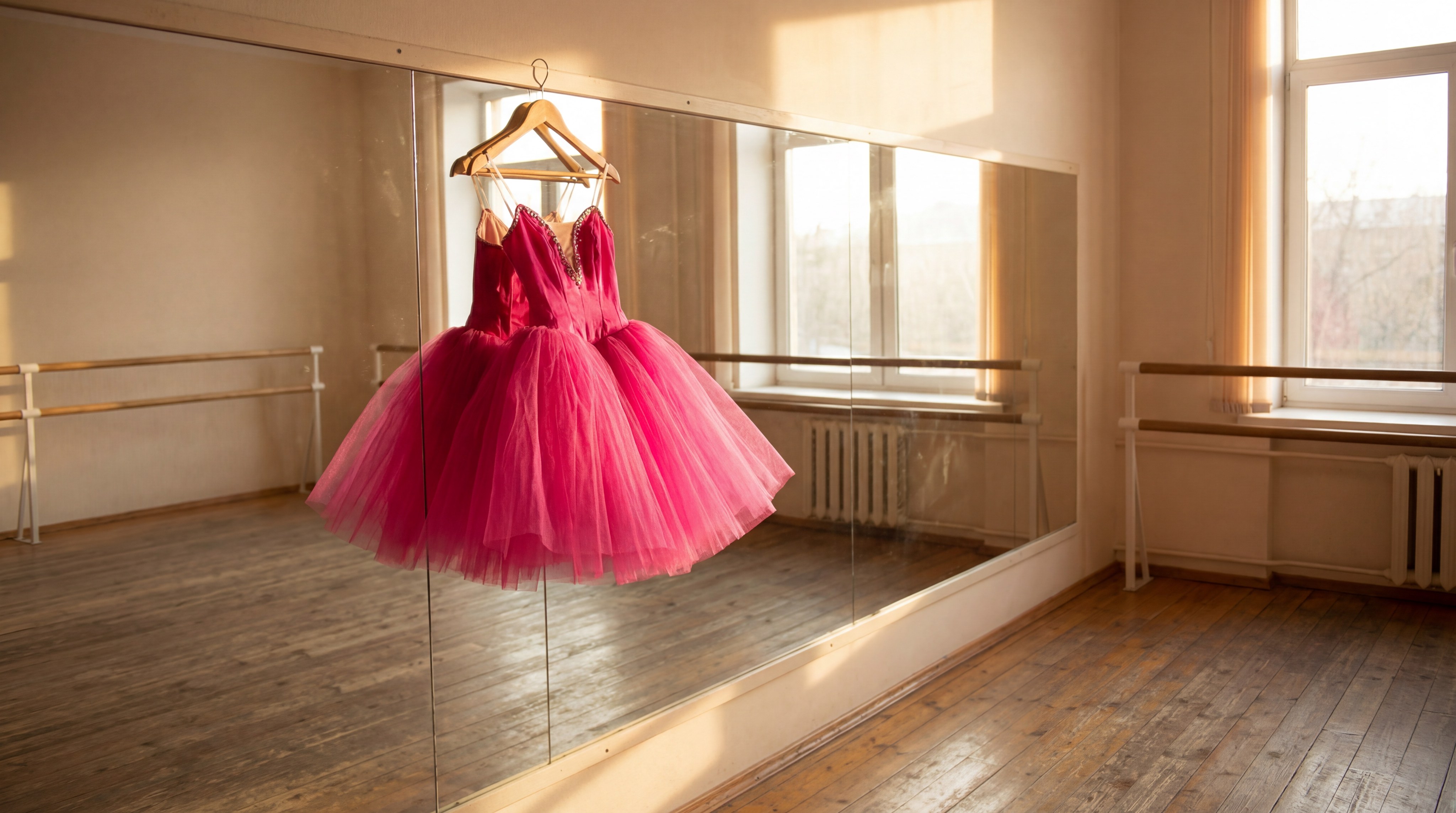
Nylon is the preferred choice for what kind of fabric is tulle when your project requires maximum shape retention and “bounce,” such as in ballerina tutus. This synthetic fiber is exceptionally resilient and can withstand the rigors of performance wear without losing its structure. You will find it much easier to maintain than natural fibers because it resists wrinkling and holds its volume.
Durability for Performance
Nylon stands up to frequent movement and cleaning, making it ideal for dancewear and costumes. It is less absorbent than silk, meaning it won’t grow heavy with moisture or perspiration during a performance. You can trust this material to stay crisp under the bright lights of a stage.
| Performance Metric | Nylon Rating | |
|---|---|---|
| Shape Retention | Excellent | |
| Moisture Resistance | High | |
| Elasticity | Moderate |
These metrics confirm that nylon is the most practical choice for garments that need to survive repeated professional use.
How durable is polyester what kind of fabric is tulle?
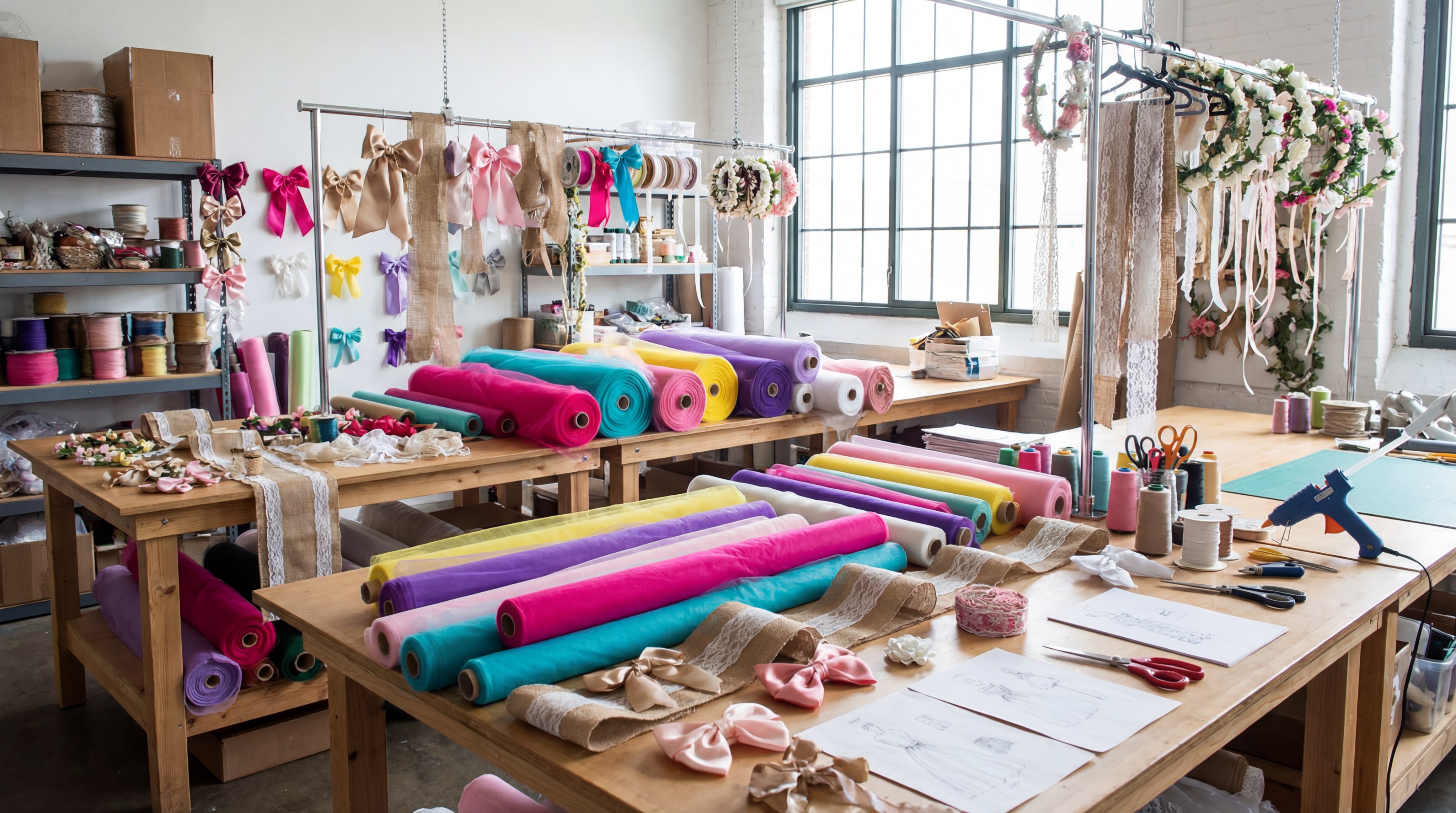
Polyester is the most durable and cost-effective answer to what kind of fabric is tulle, especially for high-stress applications like stiff tulle used in structural decorations. This synthetic variety is stronger than cotton or silk, making it the go-to material for craft projects and event decor. You will notice that it holds its shape even in humid conditions where other fibers might limp.
Strength for Decorations
Polyester netting resists tearing and heat damage, allowing you to use it for elaborate venue setups or outdoor displays. It is often the most budget-friendly option for mass-produced items or tiered party skirts. If you are working on a project that requires heavy embellishment, polyester provides the necessary tensile strength.
| Feature | Polyester Advantage | |
|---|---|---|
| Tensile Strength | Very High | |
| Cost | Budget-Friendly | |
| Heat Resistance | Superior |
The table illustrates that polyester’s utility lies in its resilience and accessibility for large-scale creative projects.
Can cotton be what kind of fabric is tulle for lace?
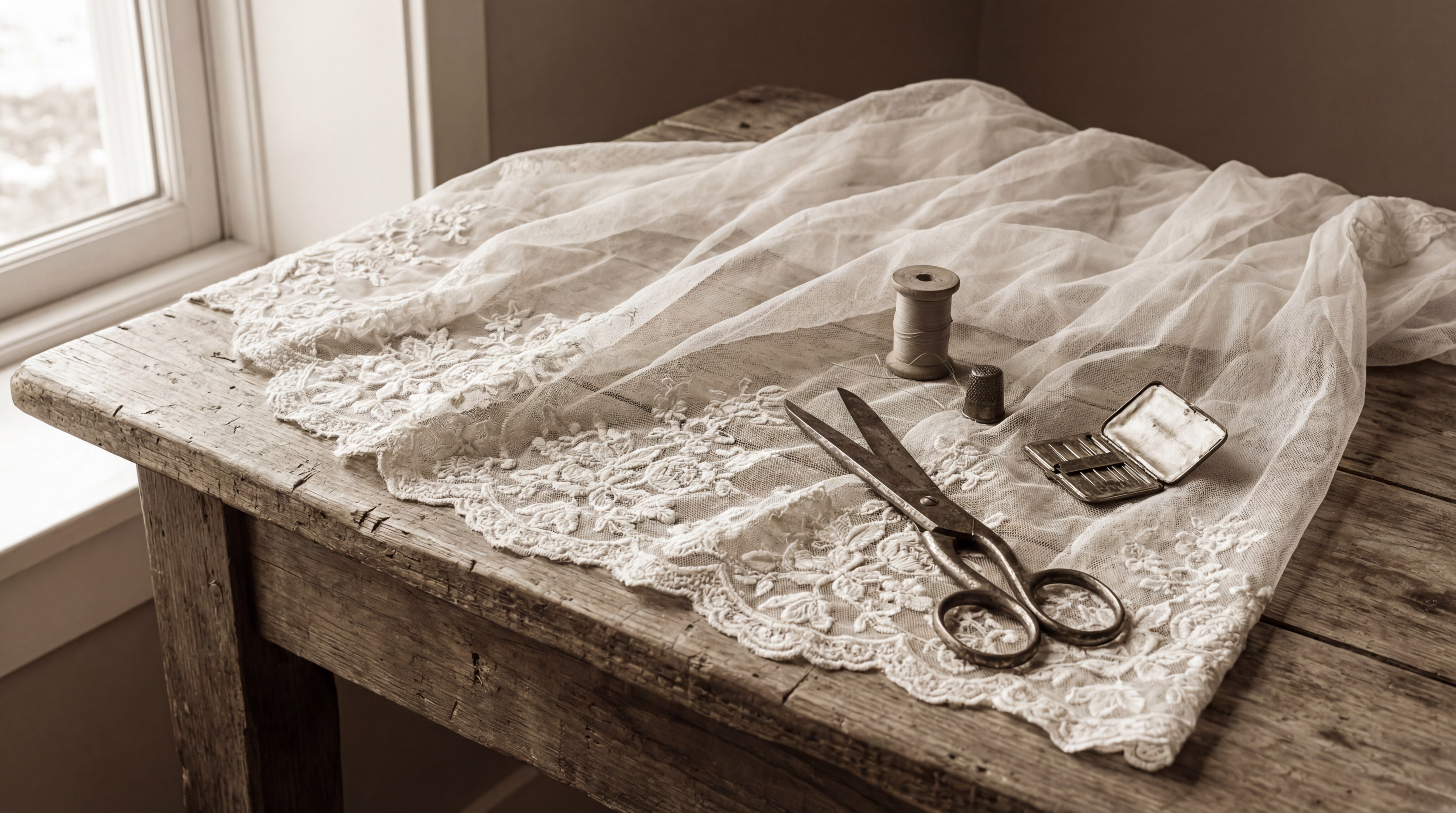
Cotton serves as the perfect what kind of fabric is tulle for designers seeking a matte finish and a vintage, heritage-inspired look for lacework. It is a natural fiber that offers excellent breathability and is much softer against sensitive skin than most synthetics. You will find that cotton tulle has a distinct, non-shiny appearance that suits bohemian or historical garment designs perfectly.
Softness for Specialized Linings
Because cotton is hypoallergenic, it is an excellent choice for children’s wear or as a lining for garments that touch the skin directly. However, you must remember that it lacks the elasticity of nylon blends. It behaves more like a stable woven fabric than a bouncy knit, which is a critical consideration for your pattern drafting.
| Attribute | Cotton Tulle | |
|---|---|---|
| Finish | Matte | |
| Skin Comfort | Highest | |
| Stretch | Minimal |
This data emphasizes that cotton tulle is best utilized for its aesthetic and comfort properties rather than its structural volume.
What makes illusion what kind of fabric is tulle sheer?
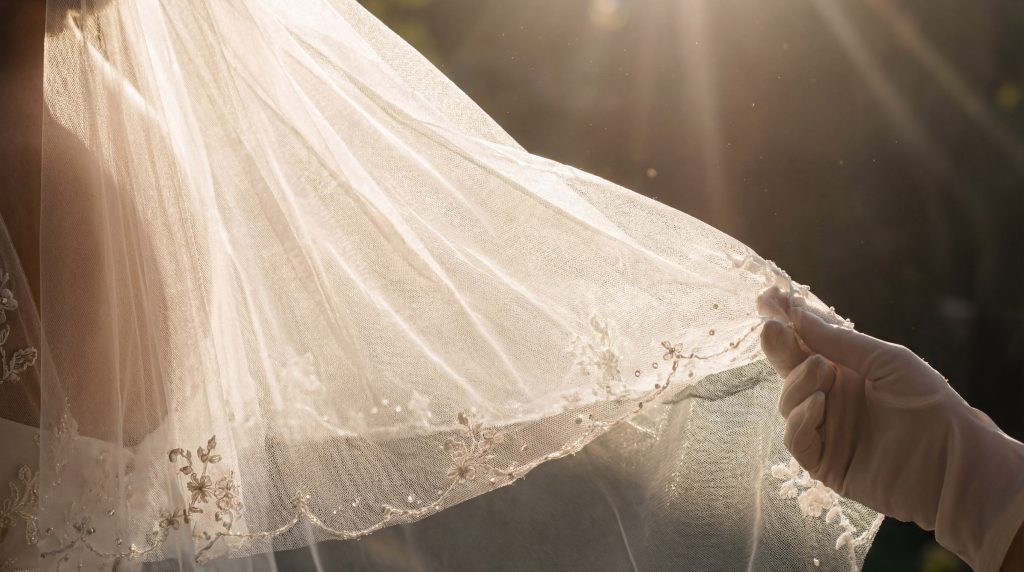
The secret to what kind of fabric is tulle in the “illusion” category is an extremely fine weave that becomes nearly invisible against the skin. When you use bridal dress tulle of the illusion variety, you are creating a “barely there” effect that is essential for modern necklines and veils. It allows you to add volume or floating details without the weight or visual bulk of traditional netting.
Achieving Transparency in Bridal Wear
Illusion net is typically made from very fine nylon or polyester blends to ensure it remains lightweight yet tear-resistant. You can layer multiple tiers of this fabric to create a soft cloud effect without obscuring the details of the gown underneath. It is the ultimate tool for achieving a romantic, ethereal aesthetic in wedding couture.
| Transparency Factor | Illusion Tulle | |
|---|---|---|
| Visibility | Low/Transparent | |
| Weight | Ultra-Light | |
| Layering Potential | Excellent |
These characteristics make illusion tulle the indispensable choice for designers focusing on delicate, high-transparency bridal elements.
How do you style glitter what kind of fabric is tulle?
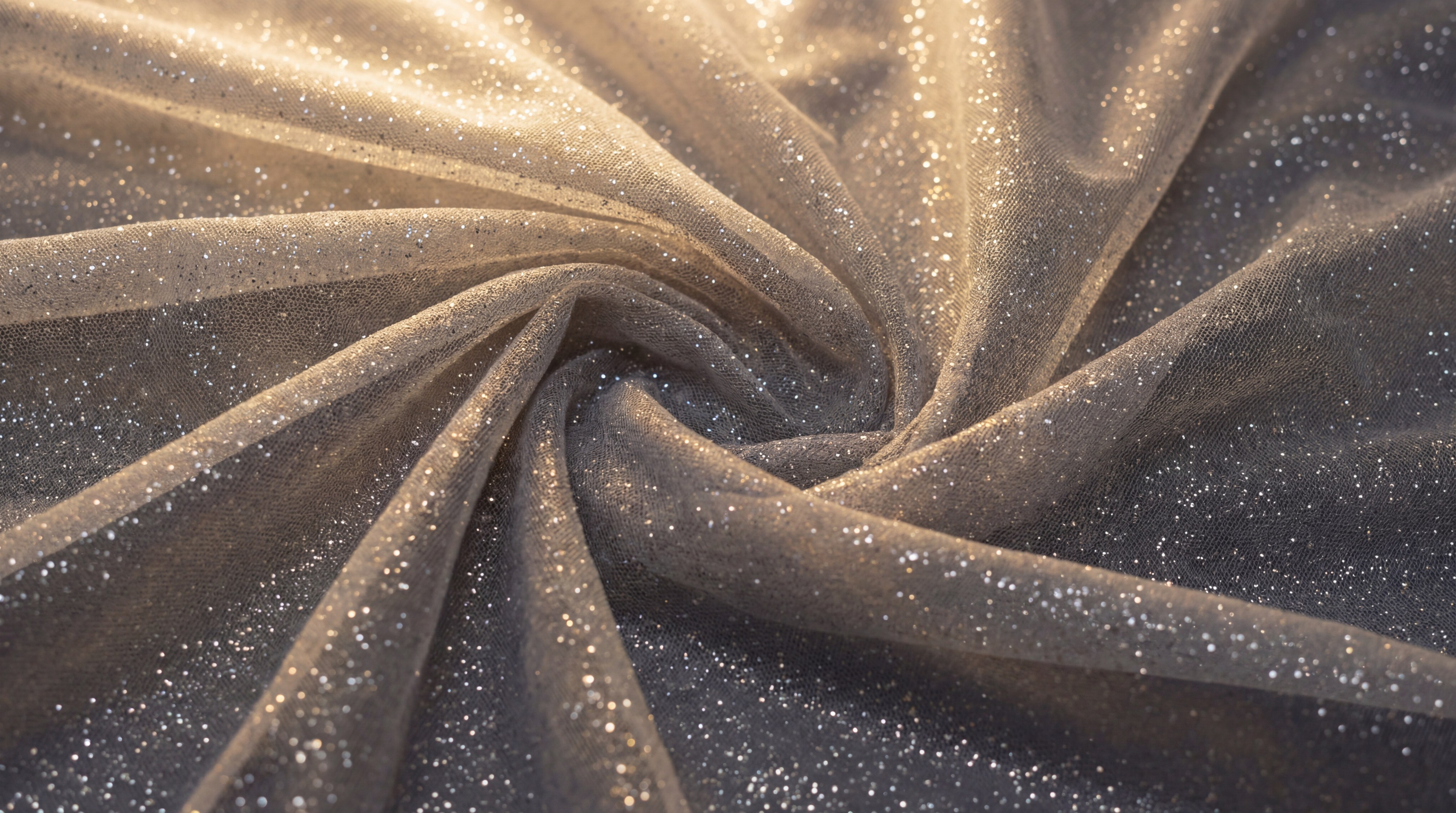
Styling what kind of fabric is tulle with glitter involves using it as a decorative overlay to add shine and dimension to evening wear. You will find that glitter is typically bonded to a fine mesh base, creating a sparkling effect that catches the light beautifully during movement. It is a fantastic way to elevate a simple skirt or bodice into a high-impact party piece.
Managing Embellished Surfaces
When working with glittered varieties, you must be prepared for some “fallout” where the sparkles shed during the sewing process. You should use simple seam finishes to avoid overwhelming the delicate mesh with too much thread. If you want a more permanent sparkle, look for tulles with woven-in metallic threads rather than top-bonded glitter.
| Embellishment | Effect | |
|---|---|---|
| Bonded Glitter | Intense Sparkle | |
| Metallic Yarn | Subtle Shimmer |
The choice between these two types depends on whether you want a bold, shimmering statement or a soft, sophisticated glow.
Is stretch what kind of fabric is tulle good for fit?
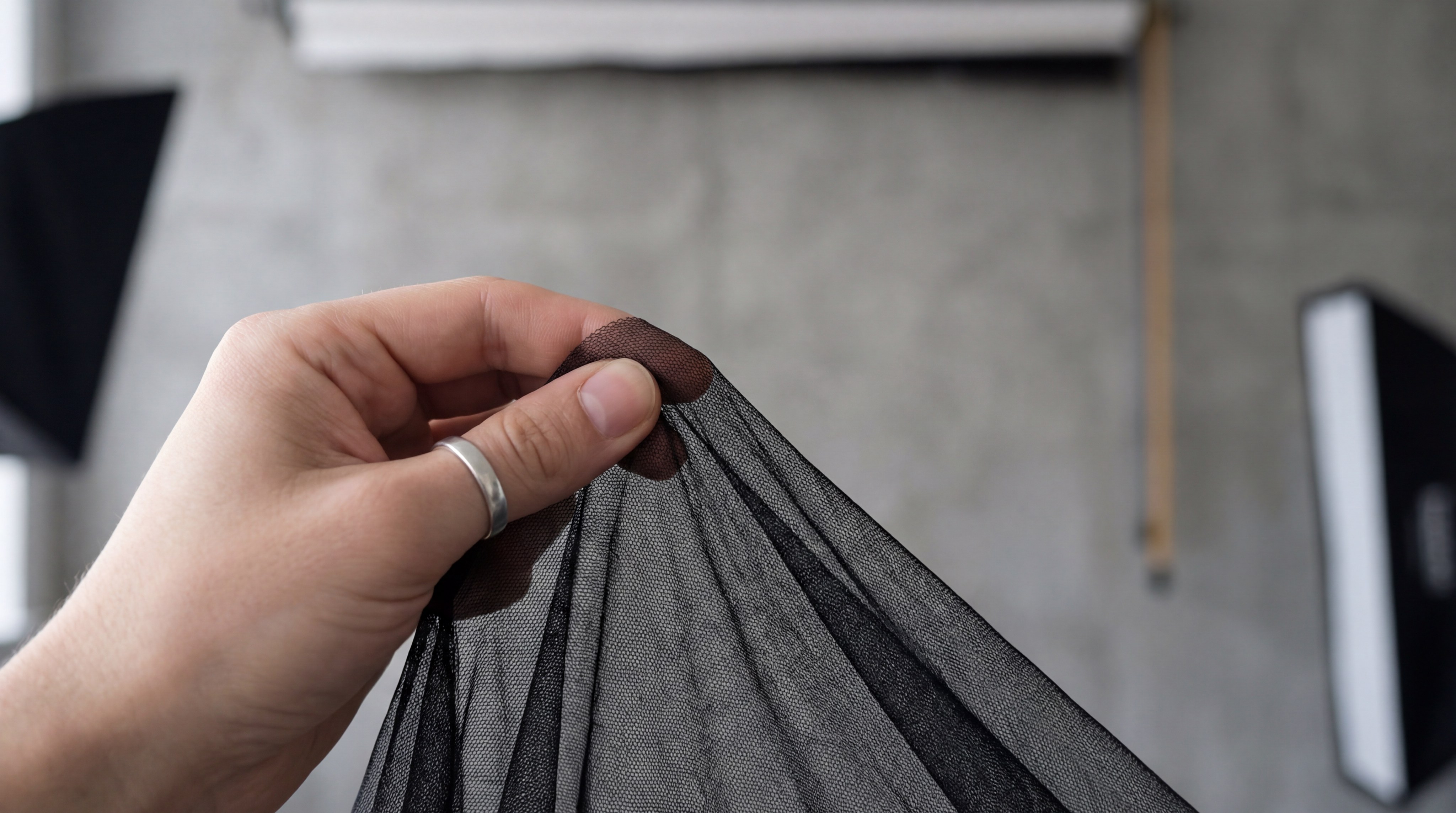
Stretch varieties are the ideal what kind of fabric is tulle for close-fitting garments because they incorporate elastane for superior flexibility. By choosing a glitter tulle with stretch properties, you can create body-contouring designs that move with the wearer. This material is widely used in lingerie, activewear inserts, and modern evening gowns that require a sleek, fitted silhouette.
Applications in Body-Contouring
Stretch mesh allows you to design garments that accommodate various body shapes without the need for complex darting. You will find it particularly useful for “power mesh” applications where some compression and support are required. It provides the sheer look of tulle with the functional benefits of high-performance knitwear.
| Fit Characteristic | Stretch Tulle | |
|---|---|---|
| Elasticity | 2-way or 4-way | |
| Recovery | High | |
| Application | Lingerie/Fit-and-Flare |
As shown, the recovery and elasticity of stretch tulle make it the standard for any design requiring a snug, comfortable fit.
Which one is the best what kind of fabric is tulle?
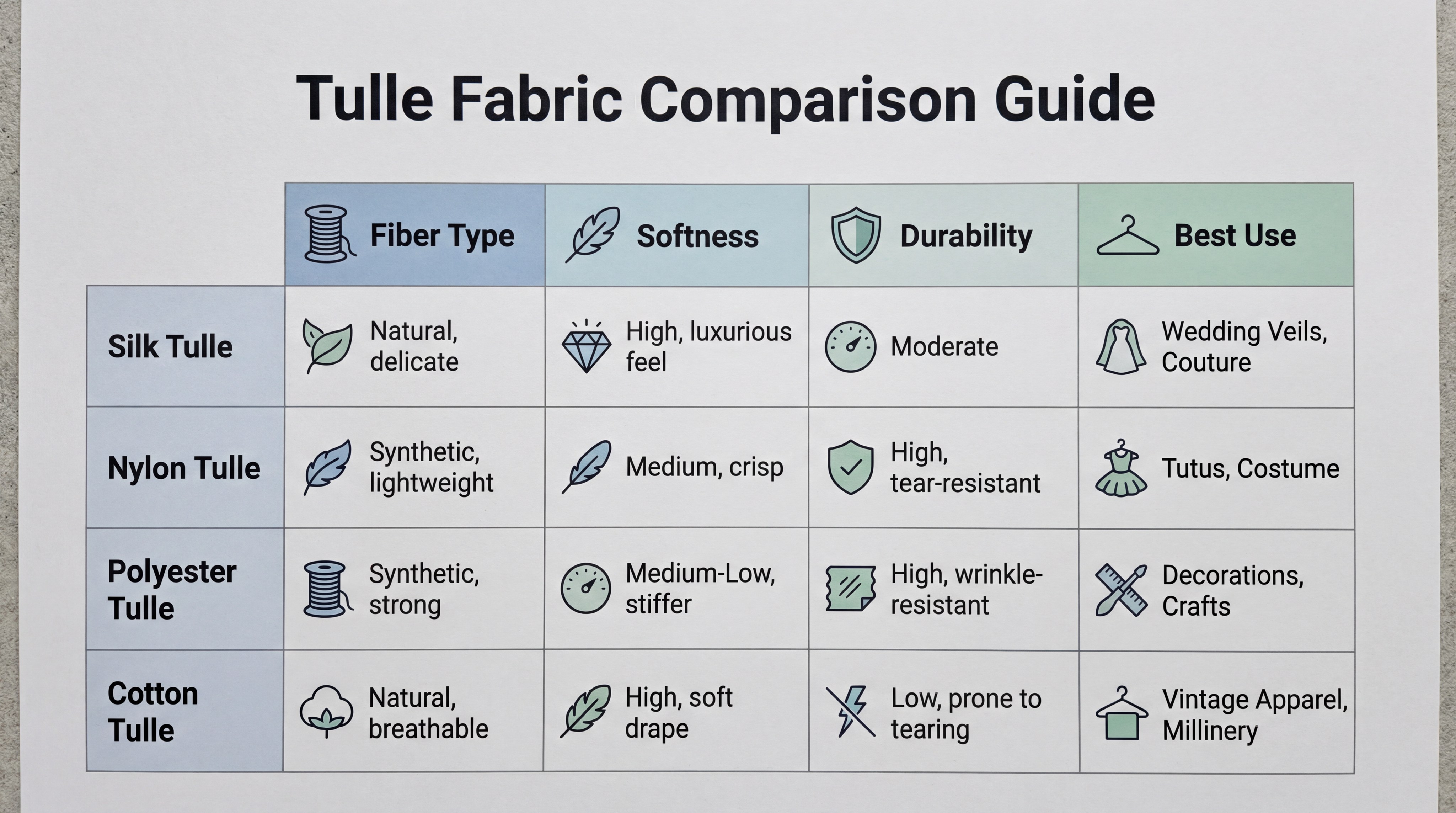
Determining the best what kind of fabric is tulle depends entirely on the specific goals of your sewing project, whether you need volume, softness, or transparency. You must weigh the benefits of natural luxury against the durability of synthetic performance. Use the comparison guide below to quickly identify which fiber aligns with your design’s structural and aesthetic needs.
Balancing Structure and Style
Think about the final environment of the garment before making your purchase. For a high-fashion runway, silk’s drape is unbeatable. However, for a high-traffic event or a theatrical production, the resilience of nylon or polyester will serve you much better in the long run.
| Project Type | Recommended Tulle | |
|---|---|---|
| Couture Gown | Silk | |
| Ballroom Tutu | Nylon | |
| Event Decor | Polyester |
This table provides a strategic starting point for selecting the most appropriate tulle based on the final use case.
How do you handle stiff what kind of fabric is tulle?
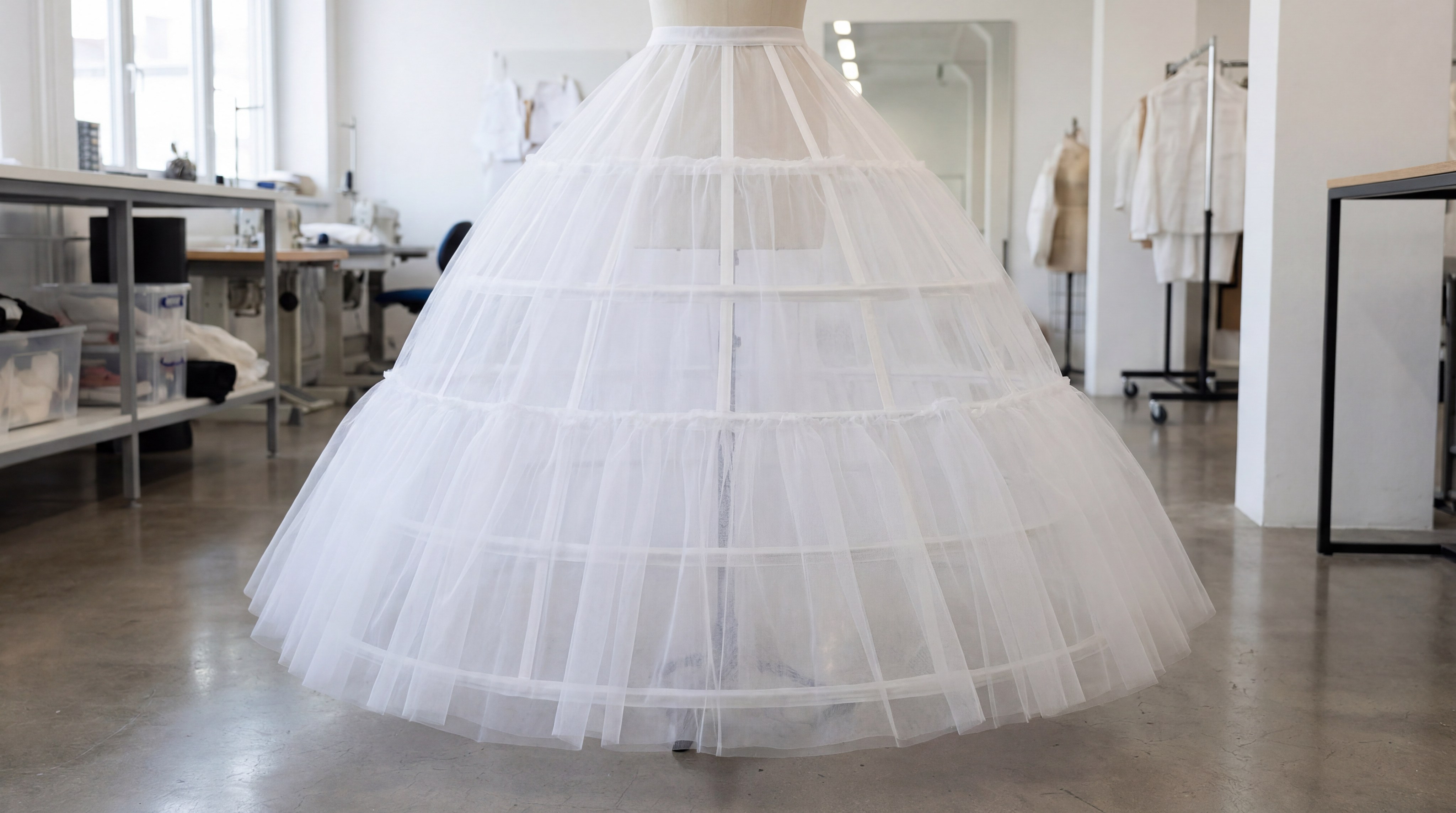
Handling a stiff what kind of fabric is tulle requires careful cutting and specialized seam techniques to manage its rigid, high-volume nature. Stiff tulle, often referred to as crinoline-style netting, is essential for building the foundation of ballgowns and petticoats. You will find that its coarse texture can be scratchy, so it is best used between layers of softer fabric or as a hidden underskirt.
Building Structural Foundations
Stiff netting provides the “lift” required for dramatic silhouettes without adding excessive weight to the garment. You should use a longer stitch length when sewing this material to prevent the needle from punching too many holes, which could weaken the mesh. Always ensure you finish the raw edges with bias binding or a rolled hem if they will be exposed to the skin.
| Handling Tip | Best Practice | |
|---|---|---|
| Stitch Length | 3.0mm to 3.5mm | |
| Edge Finish | Bias Binding | |
| Ironing | Low Steam Only |
The guidelines above ensure that even the most rigid tulle can be integrated into a garment with professional precision and comfort.
Conclusion
Mastering the various types of tulle allows you to transform your creative sketches into technically sound masterpieces. Whether you are crafting a delicate bridal veil with illusion net or a structural ballgown with stiff polyester, the fiber you choose determines the garment’s success.
Are you ready to source the perfect materials for your next collection?
“Quality is not an act, it is a habit.” — Aristotle
If you need specialized advice on bulk sourcing or custom mesh varieties, please feel free to contact us for expert guidance on your specific project needs.
Frequently Asked Questions
Is it okay to put my tulle skirt in the washing machine?It is generally quite risky! Tulle is extremely delicate, and the agitation of a machine can cause snags or even melt synthetic fibers if the water is too warm. You should hand wash it in cold water and air dry it flat to maintain its shape.
Does tulle fray if I don’t finish the edges?The great news is that tulle is a knit-like mesh, so it will not unravel like a standard woven fabric. You can safely leave the edges raw for a light, airy look, which is why it is so popular for quick projects like tutus.
How do I get those stubborn wrinkles out without an iron?Whatever you do, keep the iron away as tulle melts very easily! Instead, hang your garment in a steamy bathroom for twenty minutes or use a handheld steamer on a very low setting, keeping it several inches away from the fabric surface.
Can I sew tulle with a regular home sewing machine?You definitely can! Just make sure to use a brand new, sharp needle and a slightly longer straight stitch or a narrow zigzag. A walking foot is also a total lifesaver to keep the layers from sliding around while you work.
What is the main difference between tulle and organza?It mostly comes down to the weave structure. Tulle is a net with visible holes, making it soft and “bouncy,” while organza is a plain-woven fabric that is much stiffer and has a distinct sheen. If you want “floaty,” go for tulle; if you want “crisp,” go for organza.