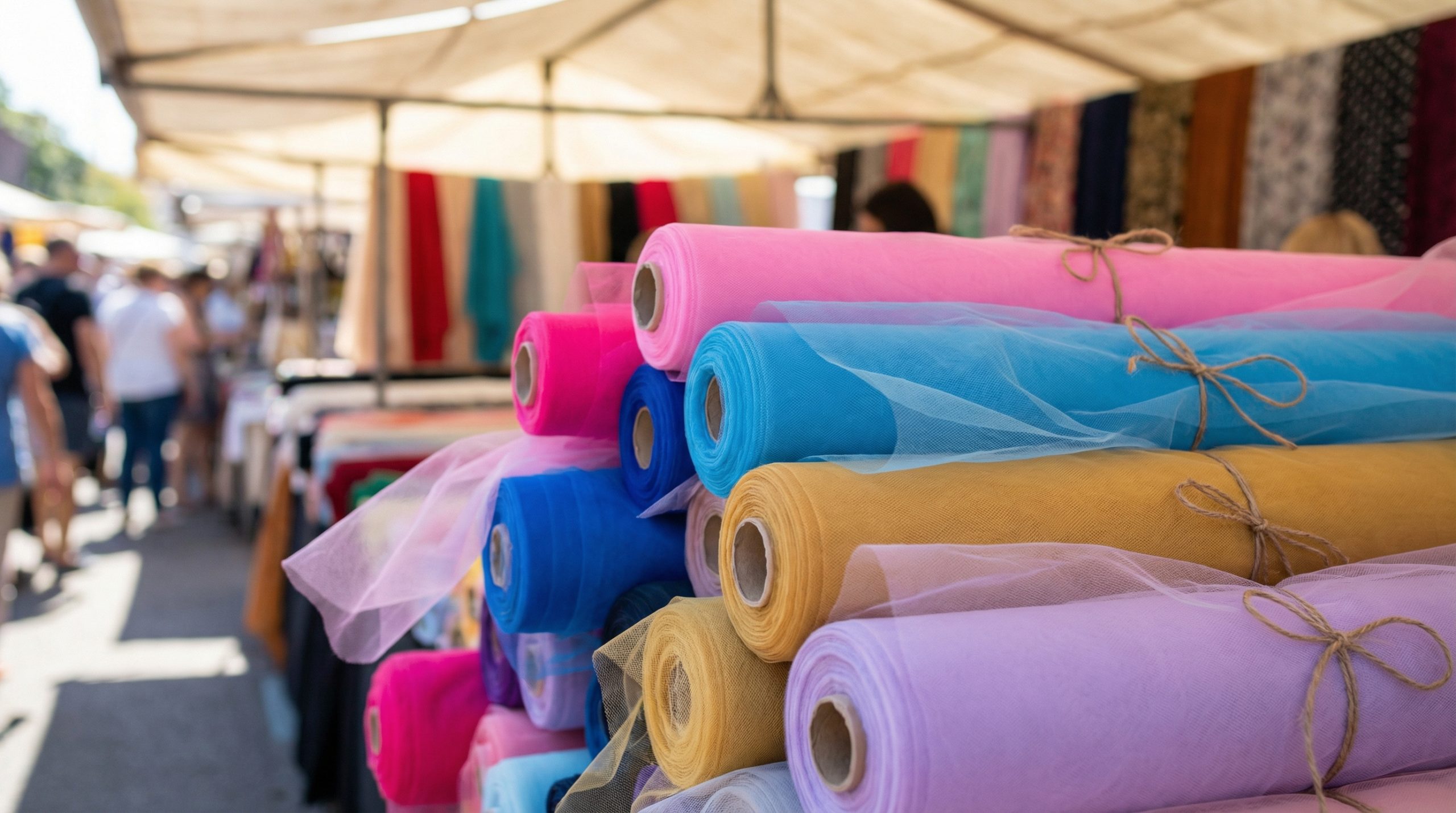
Tulle fabric is a lightweight, very fine, stiff netting typically made of silk, nylon, or polyester. You may often struggle to find a mesh that provides high-end volume without looking synthetic or feeling abrasive to the touch. This can lead to garments that lack structural integrity and fail to meet the expectations of luxury clientele. By choosing the right tutu material name , you ensure your designs maintain a sophisticated, ethereal silhouette that lasts from the runway to the reception.
What are the origins of the tutu material name?
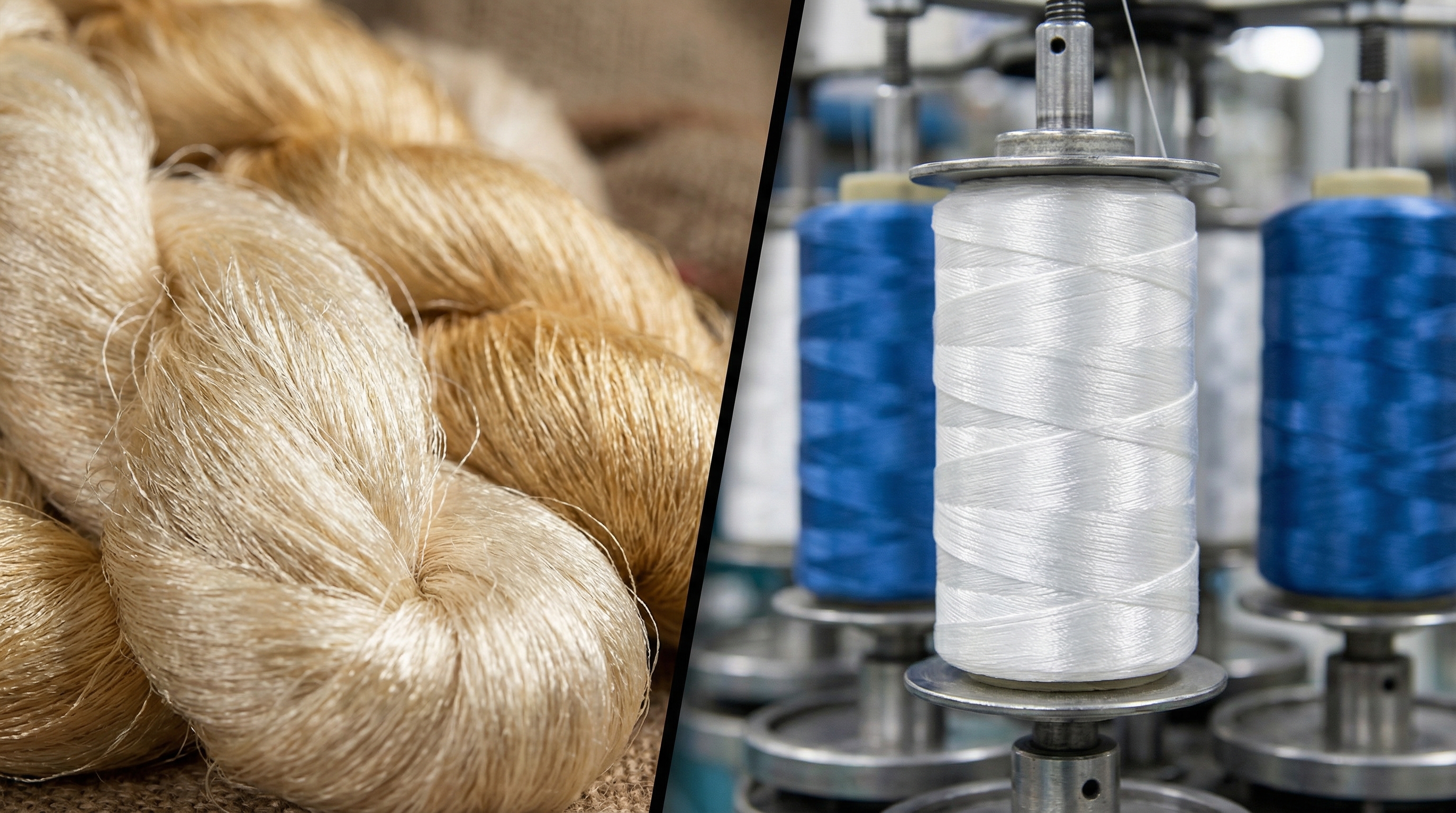
The origins of this tutu material name date back to the 18th century in the French city of Tulle. You will find that it was originally handcrafted to mimic the appearance of lace but with a much lighter profile. This heritage of craftsmanship continues to influence how the fabric is perceived in the B2B fashion sector today.
The French Connection
In its early years, the fabric was synonymous with the lace-making regions of France. You might be surprised to learn that it was first made entirely of silk or linen.
- Originating in Tulle, France
- Initially used for lace-like trims
- Popularized by 19th-century ballet costume designers
Think about it. The transition from handmade mesh to industrial production changed the accessibility of luxury volume forever.
Key Takeaway: The historical prestige of the fabric remains a selling point for designers seeking a classic, high-end aesthetic.
| Epoch | Primary Material | Main Application | |
|---|---|---|---|
| 1700s | Silk/Linen | Decorative Trim | |
| 1800s | Silk | Ballet Tutus | |
| Modern | Nylon/Polyester | Global Event Decor |
The following data provides a snapshot of how the material has evolved through the centuries.
How is modern tutu material name manufactured?
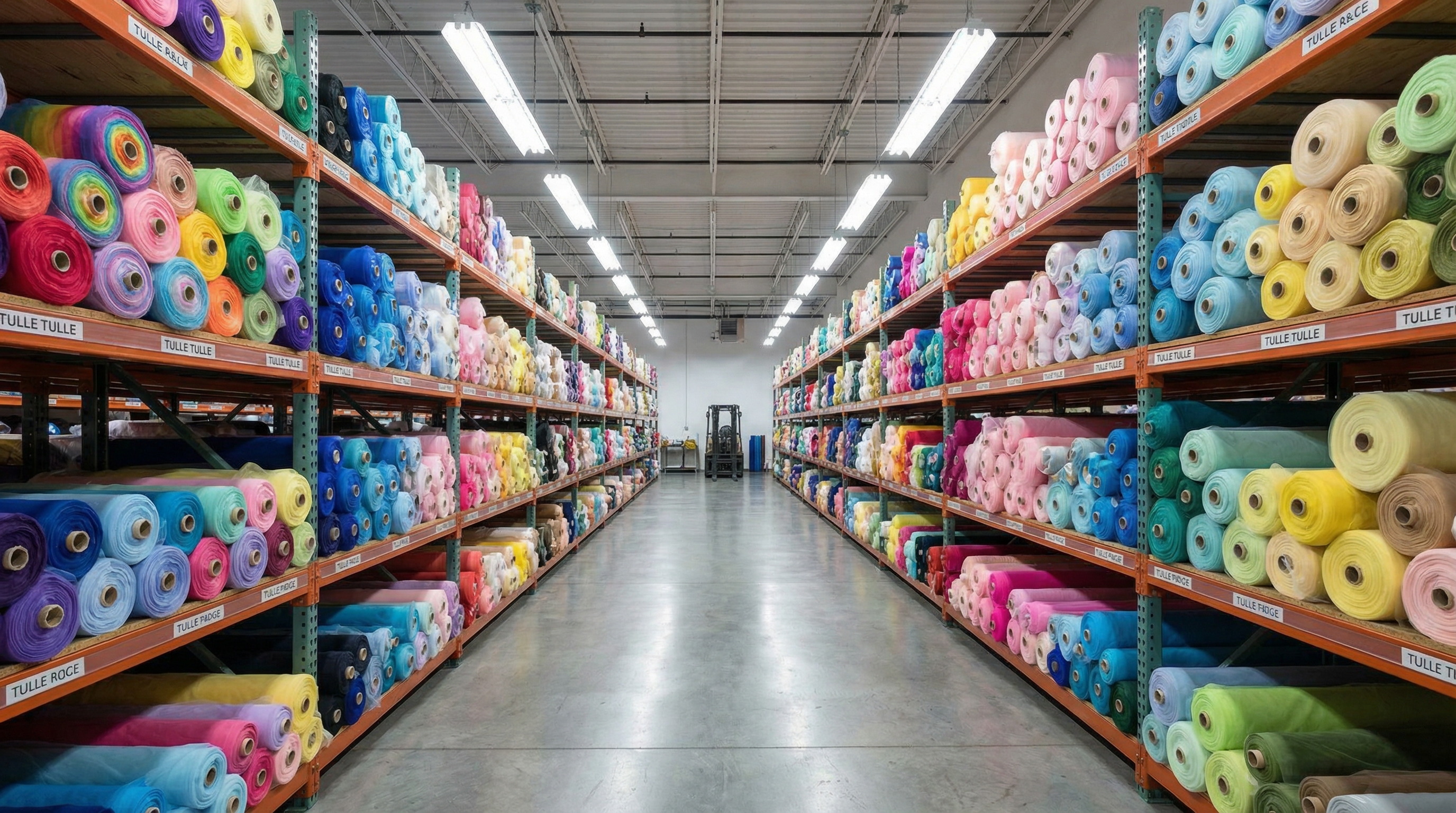
Modern tutu material name is manufactured using specialized Bobbinet or Raschel machines that twist yarns into a stable hexagonal mesh. These machines interlock warp and weft yarns to create a fabric that will not unravel when cut. You can rely on this stability for intricate garment construction and wide-width event draping.
Industrial Precision
Modern weaving allows for consistent hole sizes across thousands of yards. You get a predictable stretch and transparency that is essential for large-scale production.
- High-speed knitting processes
- Precision tension control
- Heat-setting for shape retention
The best part? The mechanical process allows for various stiffness levels to be engineered directly into the fibers.
Key Takeaway: Advanced manufacturing techniques ensure that professional-grade mesh remains durable and consistent for bulk orders.
| Machine Type | Mesh Shape | Best For | |
|---|---|---|---|
| Bobbinet | Hexagonal | Fine Apparel | |
| Raschel | Diamond | Industrial Decor | |
| Tricot | Square | Linings |
We can further analyze the technical specifications of these manufacturing standards below.
Why is weight crucial for tutu material name?
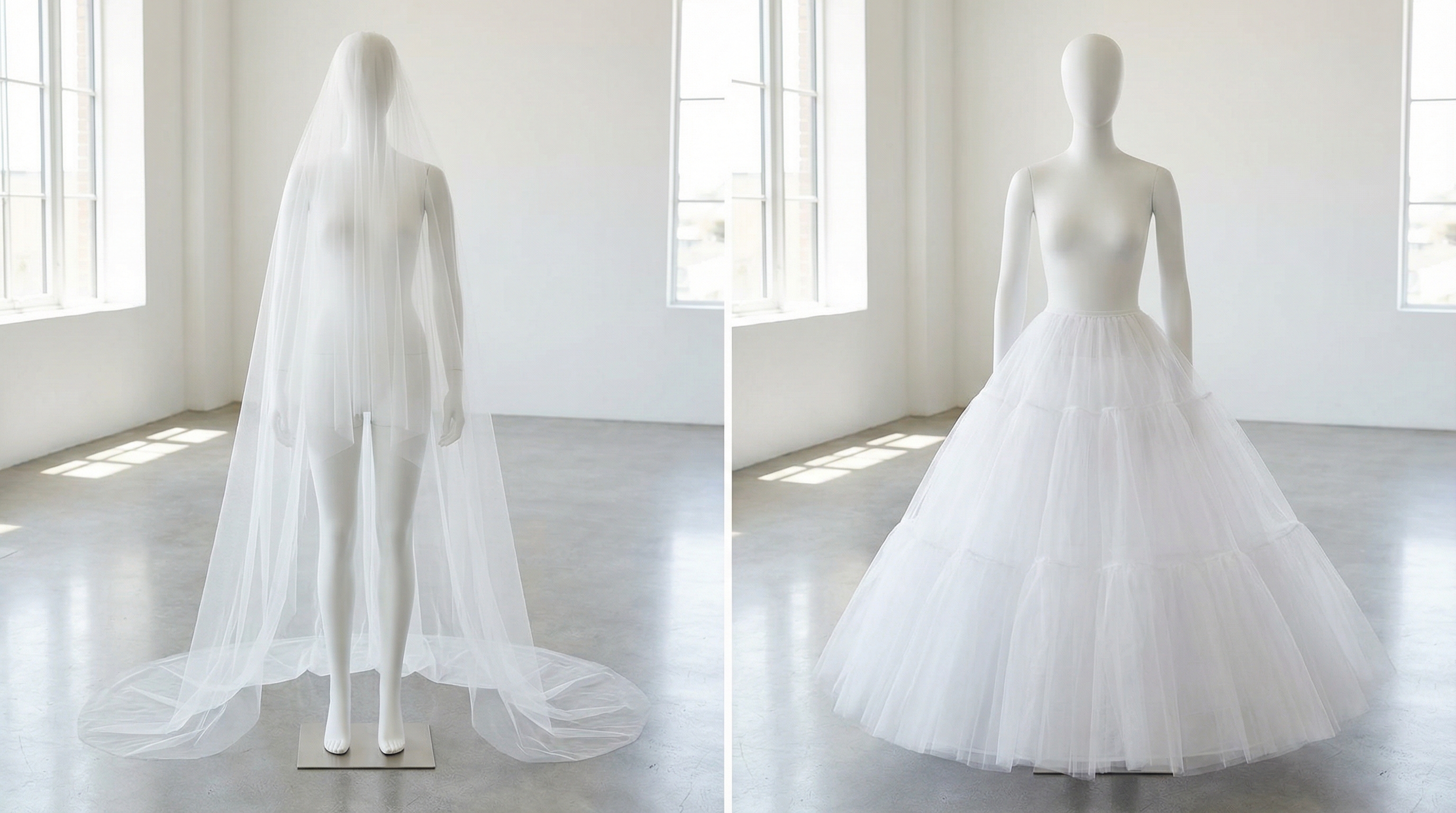
Weight is crucial for tutu material name because it dictates the fabric’s drape, opacity, and ability to hold a three-dimensional shape. You will notice that lighter weights offer a soft, misty look, while heavier deniers provide the “lift” needed for ballgowns. Choosing the correct weight is the difference between a flimsy overlay and a professional architectural silhouette.
Denier and GSM Standards
In the textile world, weight is measured by the thickness of the individual filaments. You must specify the denier count to ensure the fabric matches your design requirements.
- Fine weight (10D-15D) for veils
- Medium weight (20D-30D) for fashion
- Heavy weight (40D+) for petticoats
Simply put, The weight of the fiber determines how many layers you need to achieve the desired volume.
Key Takeaway: Matching fabric weight to the specific application is essential for structural success and visual impact.
| Weight Class | Denier Range | Stiffness Level | |
|---|---|---|---|
| Gossamer | 10D | Ultra-Soft | |
| Standard | 20D | Medium | |
| Structural | 50D | High |
This breakdown illustrates the relationship between fiber thickness and functional performance.
Can tutu material name be used in high fashion?
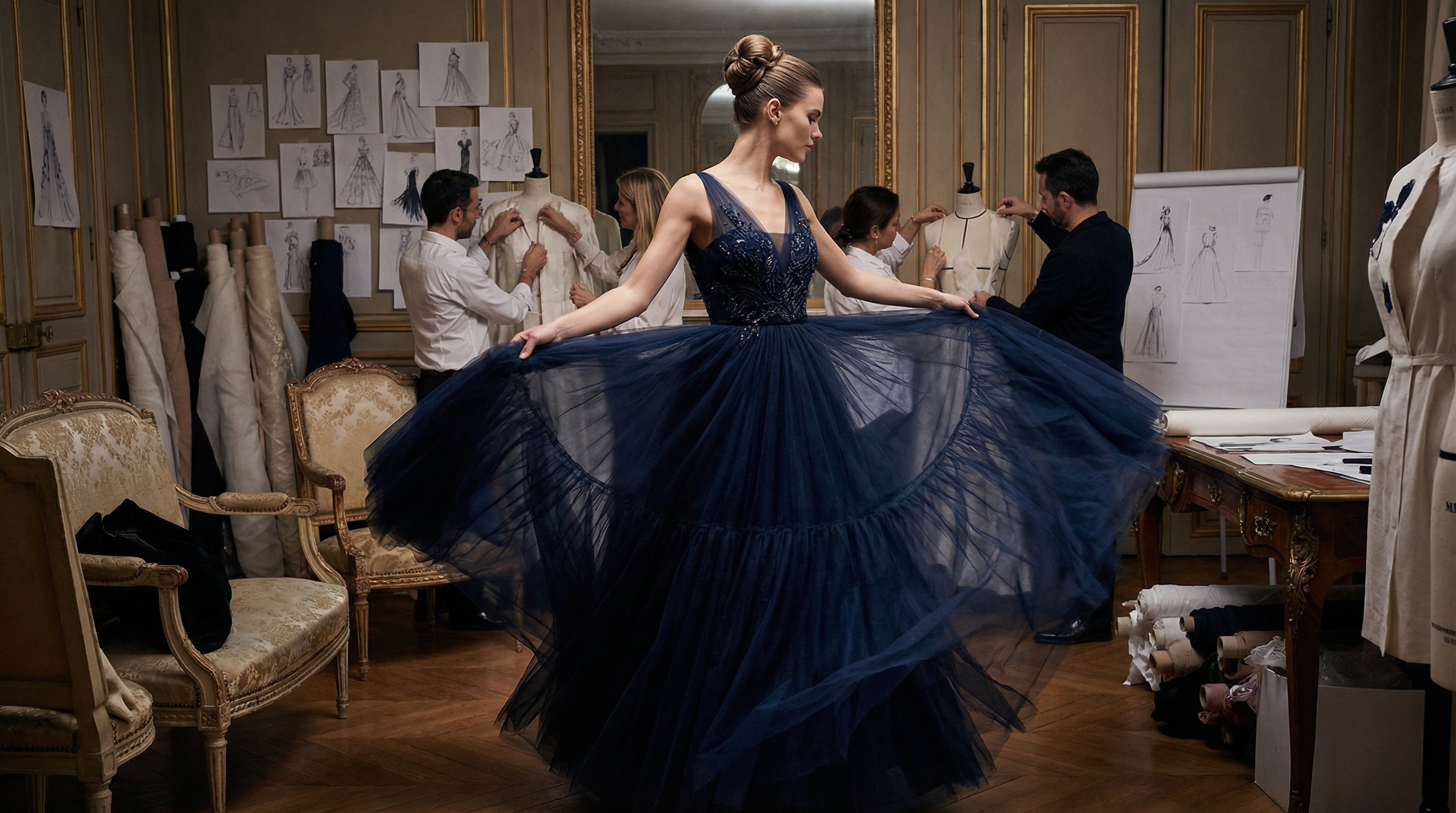
High fashion designers frequently utilize tutu material name to create dramatic volumes and “illusion” effects on the runway. You see it used as a base for intricate embroidery or as a sheer layer that adds depth to evening wear. Its versatility allows for both avant-garde structures and soft, romantic aesthetics.
Couture Design Elements
Designers use high-grade mesh to create floating necklines where the fabric seems to disappear against the skin. You can also layer it to build architectural ruffles that hold their shape under studio lights.
- Illusion sleeves and backs
- Multi-tiered skirt volume
- Embroidered lace foundations
Look: The highest quality fashion houses prioritize the softness and clarity of the mesh to maintain luxury standards.
Key Takeaway: In haute couture, the fabric serves as both a structural necessity and a canvas for decorative artistry.
| Fashion Use | Grade Required | Visual Effect | |
|---|---|---|---|
| Illusion Neck | Micro-Mesh | Invisible Support | |
| Runway Skirt | Stiff Tulle | Maximum Volume | |
| Overlay | Soft Tulle | Dreamy Diffusion |
Analyze these common fashion applications to determine which grade fits your collection.
What makes bridal tutu material name unique?
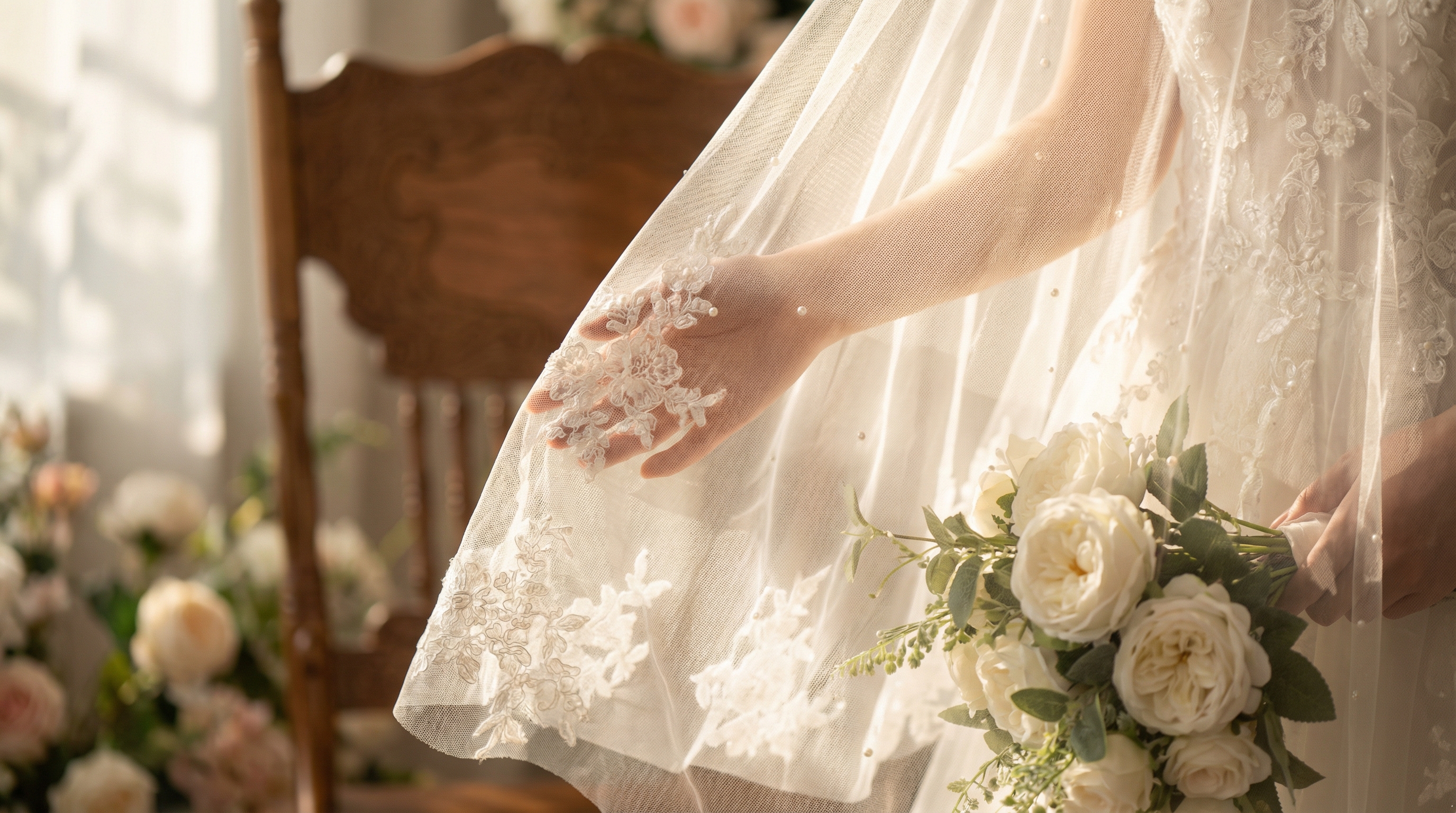
Bridal tutu material name is unique because of its high transparency and exceptionally soft hand-feel, designed specifically for veils and wedding gown trains. You will find that bridal-grade mesh is often made from premium nylon or silk to ensure it feels comfortable against the skin. It must also be wide enough to create seamless, sweeping veils that photograph beautifully.
The Bridal Standard
Bridal fabrics require a specific finish that prevents the mesh from snagging on delicate jewelry or lace. You need a material that drapes perfectly without static or clinging.
- 108-inch widths for seamless veils
- Anti-static finishing treatments
- Diamond or hexagonal mesh options
In fact, The clarity of bridal tulle is the most important factor for photographers capturing the bride’s face through a veil.
Key Takeaway: Bridal mesh requires a higher level of softness and width than standard industrial grades to meet wedding industry standards.
| Application | Width | Fiber Type | |
|---|---|---|---|
| Cathedral Veil | 108″ | Silk/Nylon | |
| Gown Lining | 54″ | Polyester | |
| Train Overlay | 72″ | Premium Nylon |
The following specifications are standard for professional bridal procurement.
How do you care for delicate tutu material name?
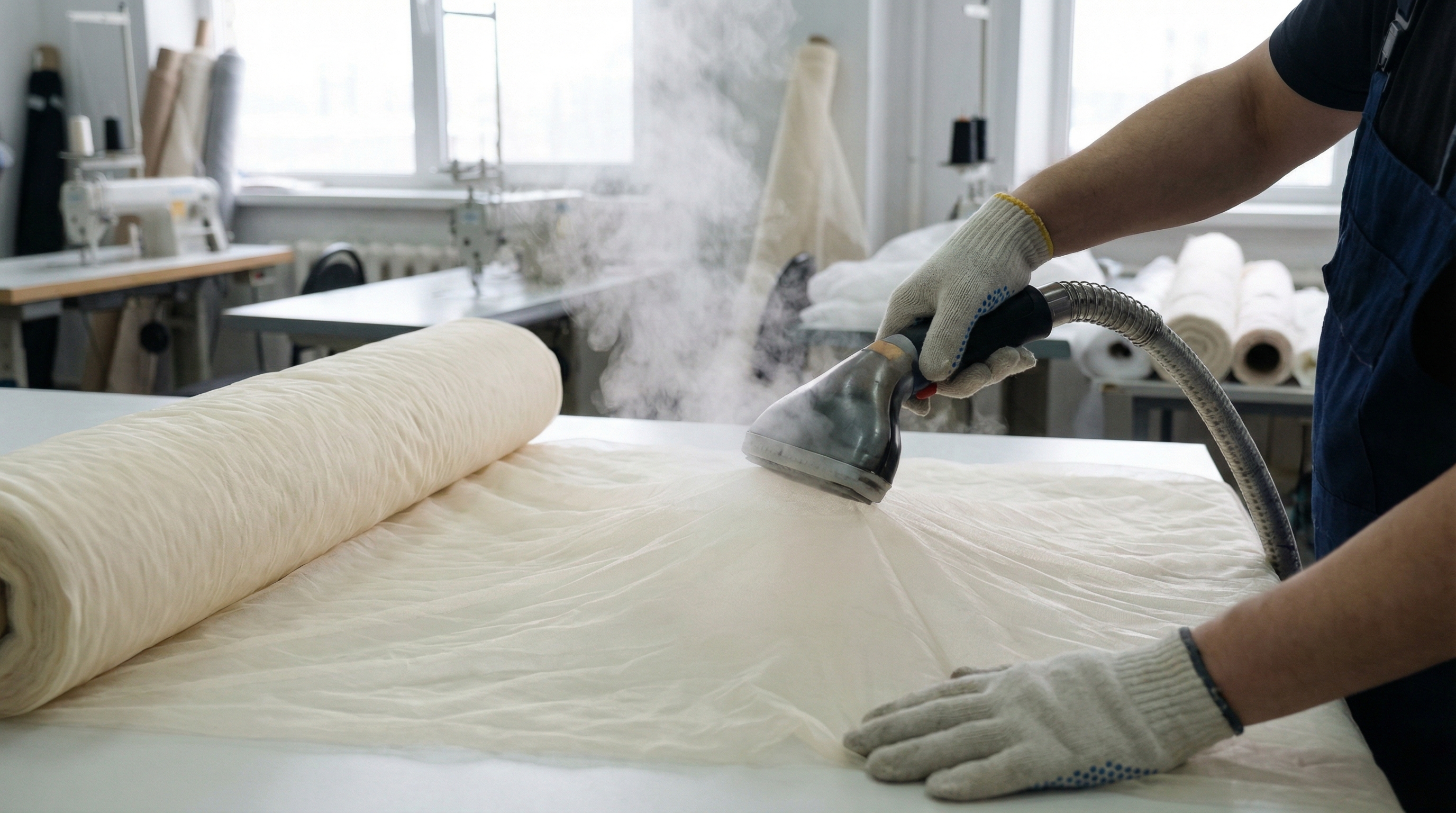
Caring for delicate tutu material name involves using steam rather than direct heat to remove wrinkles and maintaining a dust-free storage environment. You should never use a flat iron on synthetic mesh, as the high temperature will melt the fibers instantly. Proper maintenance ensures the fabric retains its loft and remains “event-ready” for your clients.
Professional Maintenance Steps
To keep the fabric looking new, you must handle it with clean hands and avoid abrasive surfaces. You can spot-clean small areas with a gentle detergent and cold water.
- Use a garment steamer only
- Hang to maintain volume
- Store in breathable garment bags
The results speak for themselves. A well-steamed gown has twice the visual impact of one that has been folded or crushed.
Key Takeaway: Avoiding direct heat and using professional steaming equipment are the most critical steps in preserving mesh quality.
| Care Task | Recommended Tool | Pro Tip | |
|---|---|---|---|
| Wrinkle Removal | Hand Steamer | Keep 2 inches away | |
| Stain Removal | Mild Soap | Blot, do not rub | |
| Storage | Padded Hanger | Avoid tight folding |
Review these care protocols to maximize the lifespan of your textile inventory.
Are there colorful tutu material name options?
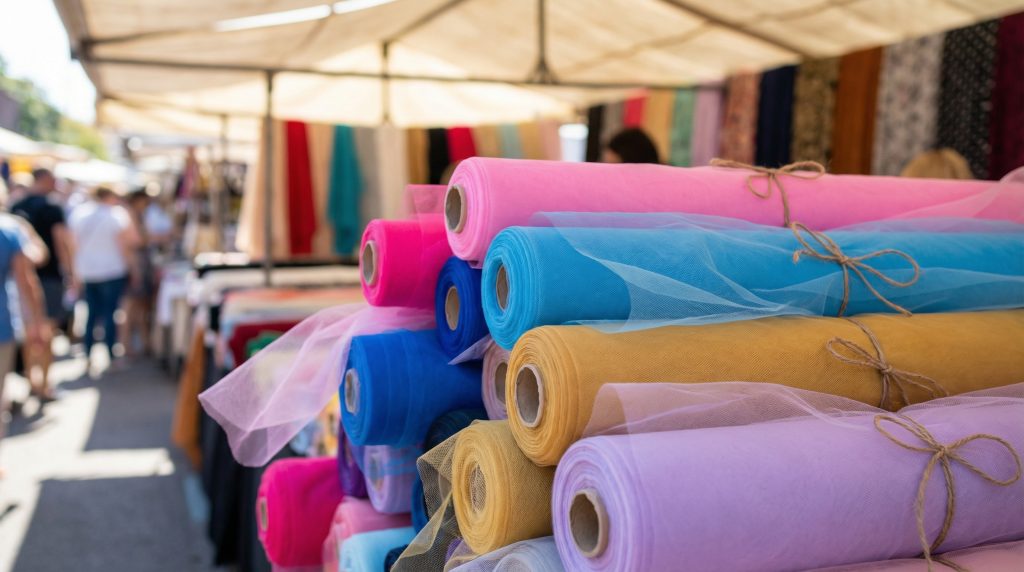
There are countless colorful tutu material name options available, ranging from soft pastels to vibrant neon shades used for stage and screen. You can source custom-dyed mesh to match specific brand colors or event themes. The way the fabric takes dye ensures that the color remains consistent across the entire bolt without streaking.
Sourcing the Spectrum
Whether you need a specific shade of ivory for bridal or a bold primary color for a corporate gala, the options are limitless. You should always request a swatch to see how the color interacts with light.
- UV-resistant dyes for outdoor use
- Metallic and neon specialties
- Ombre and multi-tone finishes
Believe it or not, The sheerness of the fabric means that the color intensity changes depending on how many layers you use.
Key Takeaway: The wide color availability of the fabric makes it a primary choice for themed event designers and costume makers.
| Color Category | Mood/Vibe | Common Use | |
|---|---|---|---|
| Jewel Tones | Luxury/Sophisticated | Evening Gowns | |
| Pastels | Romantic/Soft | Baby Showers | |
| Neons | Energetic/Bold | Dance Costumes |
This table outlines how different color palettes can transform the atmosphere of your project.
How is tutu material name used in event decor?
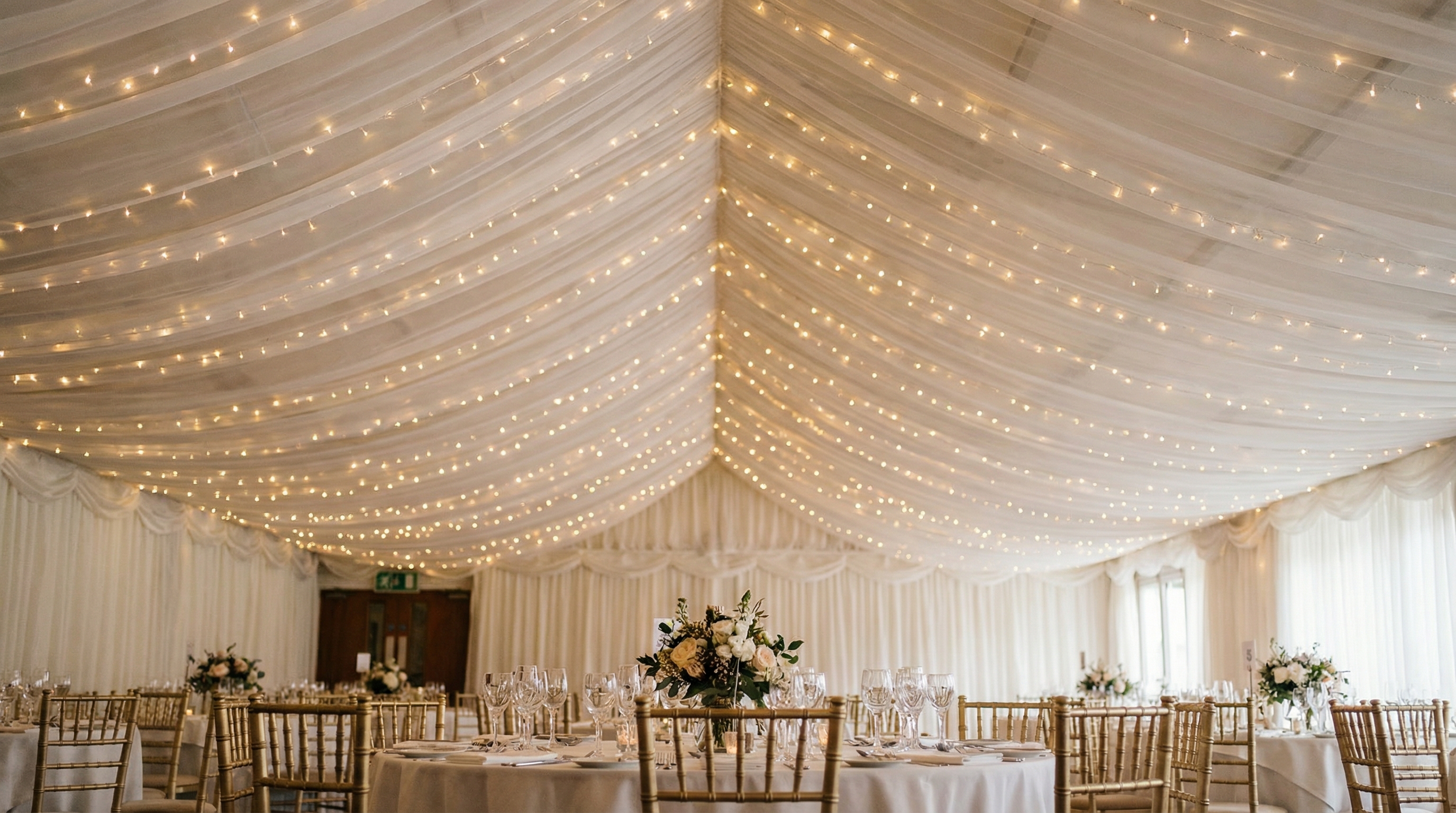
Event decorators use tutu material name to create ceiling swags, table skirts, and backdrop layering that softens the venue’s architecture. You will find that it is an affordable way to cover large spaces while adding a touch of elegance. It diffuses venue lighting beautifully, creating a warm, professional glow for high-end gatherings.
Transforming Large Spaces
By using wide-width mesh, you can drape entire ceilings or create “walls” of fabric that hide unsightly venue features. You can also use it to wrap floral arrangements or chairs for a cohesive look.
- Ceiling draping for atmosphere
- Table skirts for volume
- Backdrop layering with lights
It gets even better. Adding LED “fairy lights” behind layers of mesh creates a magical, glowing effect that clients love.
Key Takeaway: The fabric is a staple for event professionals due to its ability to transform venues cost-effectively and elegantly.
| Decor Element | Grade Suggested | Installation Tip | |
|---|---|---|---|
| Ceiling Swag | Wide/Soft | Use safety clips | |
| Table Skirt | Stiff/Hard | Layer for opacity | |
| Chair Sash | Standard | Use a double knot |
Consider these decorative applications for your next corporate or private event planning project.
What is the texture of premium tutu material name?
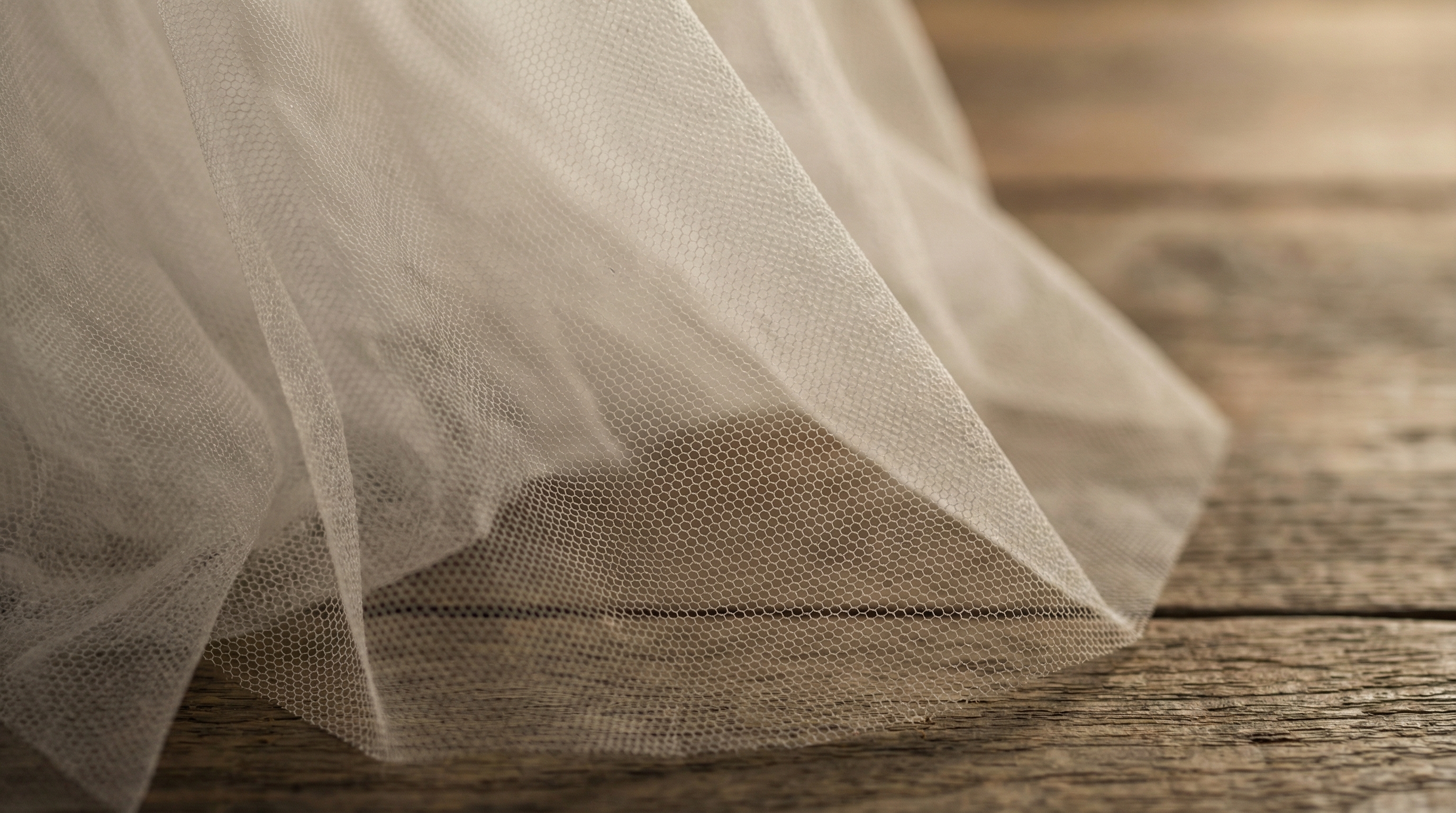
The texture of premium tutu material name is characterized by a smooth, non-scratchy feel and a uniform hexagonal hole structure. You can distinguish high-quality mesh by its lack of “stiffness” where it shouldn’t be and its immediate recovery when stretched. A premium texture ensures that your clients feel as good as they look in your designs.
Sensory Quality Control
When you touch a premium mesh, it should feel soft against the skin without being flimsy. You should check for “runs” or uneven hole sizes that indicate a lower-quality manufacturing process.
- Smooth, non-abrasive finish
- Even hexagonal cells
- High elasticity recovery
Think about this. A scratchy mesh can ruin the experience of wearing a luxury gown, no matter how beautiful it looks.
Key Takeaway: Professional buyers must prioritize the tactile quality of the mesh to ensure wearer comfort and high perceived value.
| Texture Grade | Feel | Durability | |
|---|---|---|---|
| Luxury | Silky/Soft | High | |
| Industrial | Stiff/Plastic | Very High | |
| Economy | Rough/Crisp | Low |
The following tactile benchmarks will help you evaluate fabric samples more effectively.
Is tutu material name sustainable for the future?
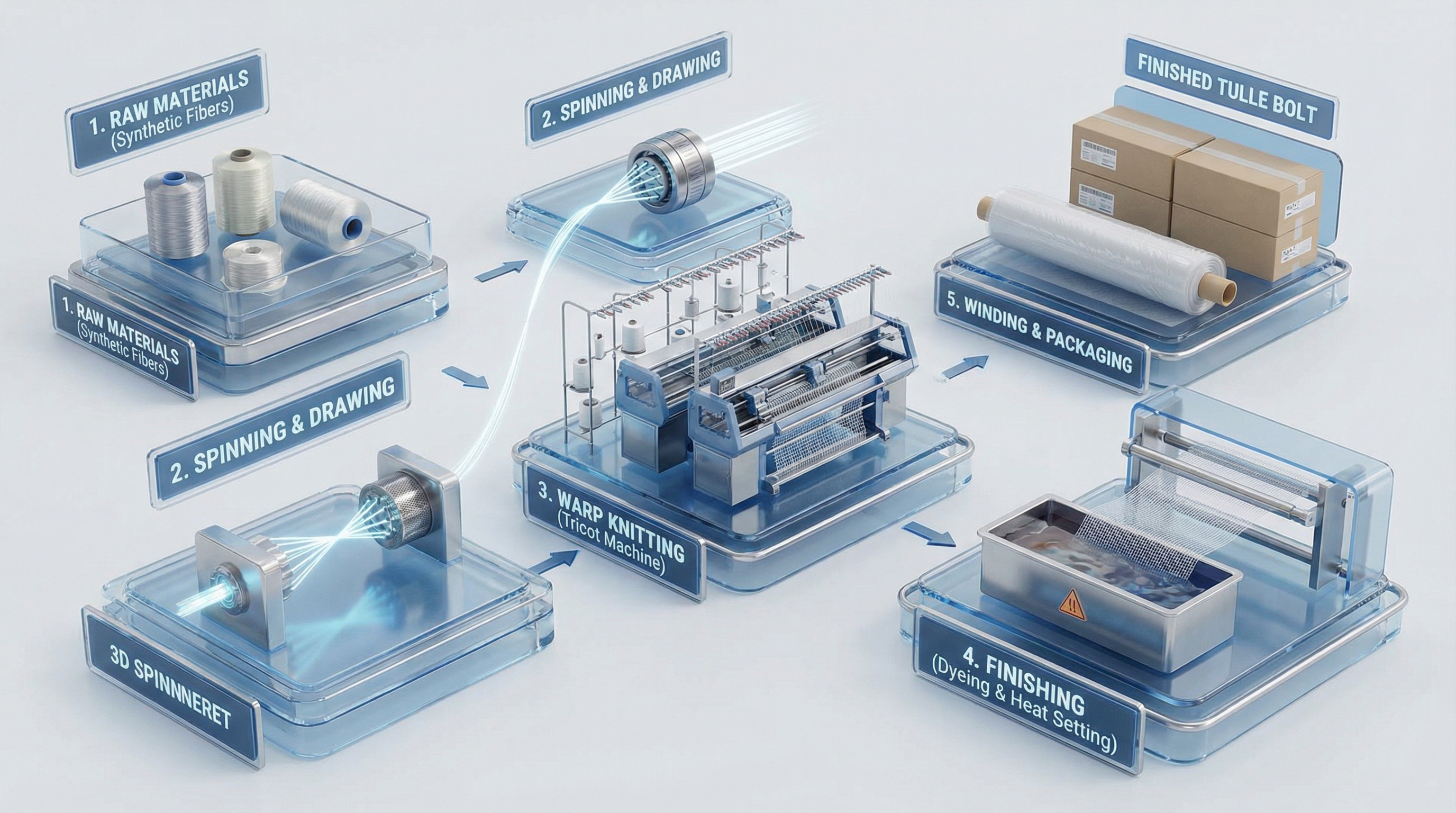
Tutu material name is becoming more sustainable as manufacturers move toward recycled polyester and nylon fibers. You will find that eco-friendly options are now available that maintain the same performance standards as traditional petroleum-based meshes. This allows you to meet the growing demand for sustainable fashion and event solutions without sacrificing quality.
The Rise of Recycled Mesh
Manufacturers are now using post-consumer plastic bottles to create the polymers used in mesh production. You can now market your designs as “eco-conscious” by selecting these certified sustainable options.
- Recycled polyester (rPET)
- Bio-based nylon alternatives
- Water-efficient dyeing processes
The best part? Recycled mesh has the same visual clarity and strength as virgin materials.
Key Takeaway: Transitioning to recycled mesh is a practical way for B2B companies to improve their environmental footprint while maintaining luxury standards.
| Material | Sustainability | Quality Match | |
|---|---|---|---|
| Virgin Nylon | Low | 100% | |
| Recycled Poly | High | 98% | |
| Bio-Nylon | Extreme | 95% |
This data reflects the industry’s shift toward more responsible manufacturing practices.
Conclusion
Whether you are designing for the runway or decorating a grand ballroom, understanding the nuances of tulle is essential for professional success. We have explored its historical origins, the precision of modern manufacturing, and the critical importance of selecting the right weight and texture for your specific B2B needs. From the delicate nature of bridal veils to the architectural strength of high-fashion skirts, this versatile fabric remains an industry standard.
By prioritizing quality, durability, and even sustainability in your sourcing, you protect your brand’s reputation and ensure client satisfaction. Our commitment is to provide the highest-grade materials that empower your creativity and professional standards. To explore our full range of professional mesh or to discuss your custom project needs, contact us today .
FAQ
Can I wash tulle in a machine? No, you should avoid standard machine washing because the agitation can tear the mesh. Instead, use a gentle cold hand wash or a professional delicate cycle in a protective bag.
What’s the best way to cut tulle without it fraying? The best way is to use sharp fabric shears because the twisted mesh structure is naturally resistant to fraying. You do not need to hem the edges for most applications.
Can I use an iron to remove wrinkles from my tulle? No, you should never apply a hot iron directly to the fabric as it will melt. Always use a steamer held a few inches away from the material.
Can I dye white tulle at home or in my studio? Yes, but you must use a dye specifically formulated for synthetic fibers like nylon or polyester. Be aware that silk tulle will take dye much more easily than synthetic versions.
What is the difference between tulle and netting? Tulle is a specific, finer type of netting with smaller, more uniform holes. “Netting” is a broader term that often refers to coarser, heavier materials used for industrial purposes.