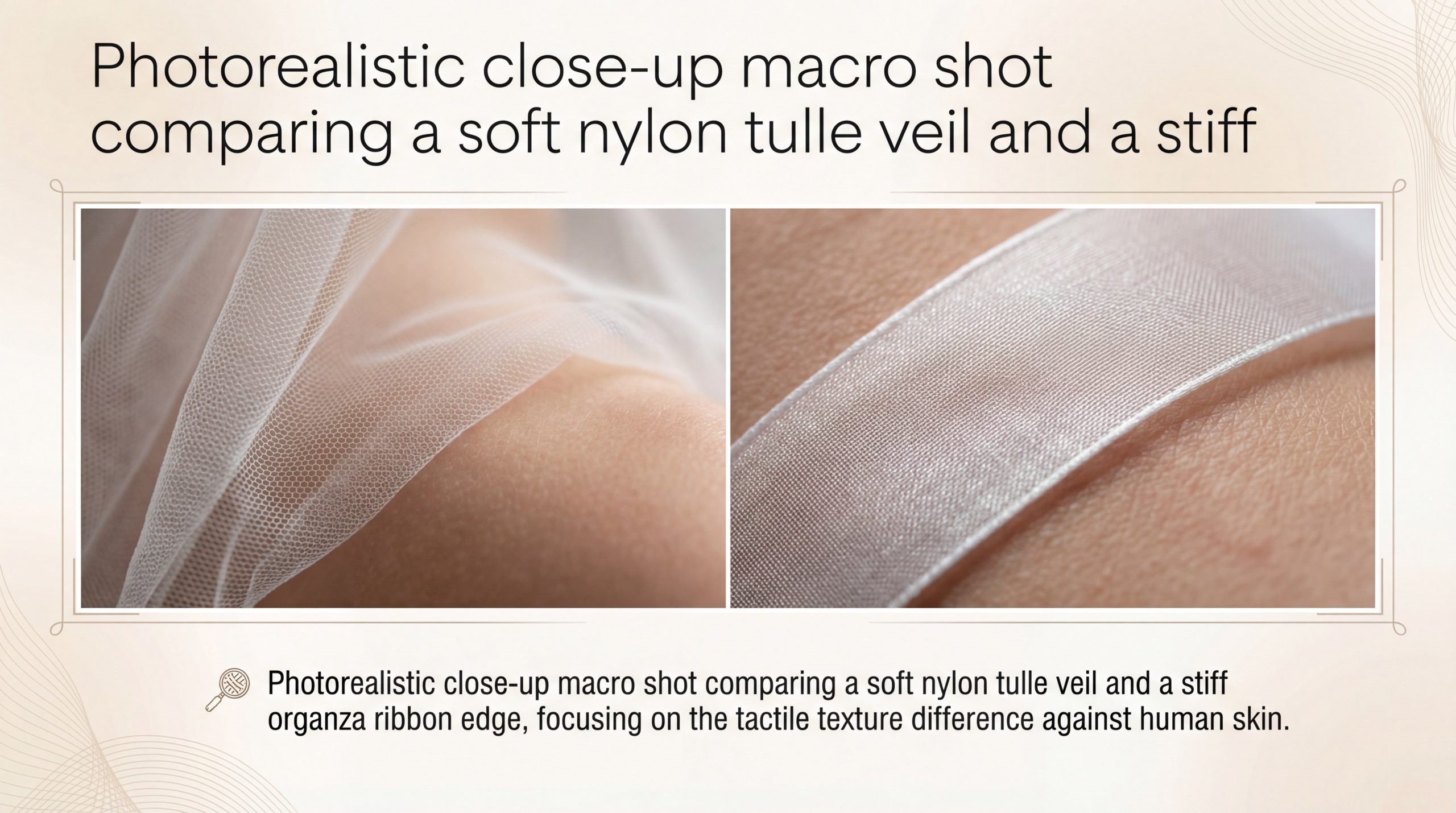
The primary difference lies in the weave: tulle is a lightweight, hexagonal mesh netting, whereas organza is a crisp, plain-weave solid fabric. Are you struggling to decide between the airy bounce of a tutu and the crisp, glass-like shimmer of a luxury gown? Selecting the wrong material can lead to a design that either collapses under its own weight or feels too abrasive against the skin. Understanding the nuances of organza fabric vs tulle is the secret to achieving professional-grade results in both high fashion and home decor. This guide provides the definitive breakdown of these two sheer powerhouses to ensure your next project is a masterpiece of texture and form.
What Exactly is Tulle Fabric and Its History?
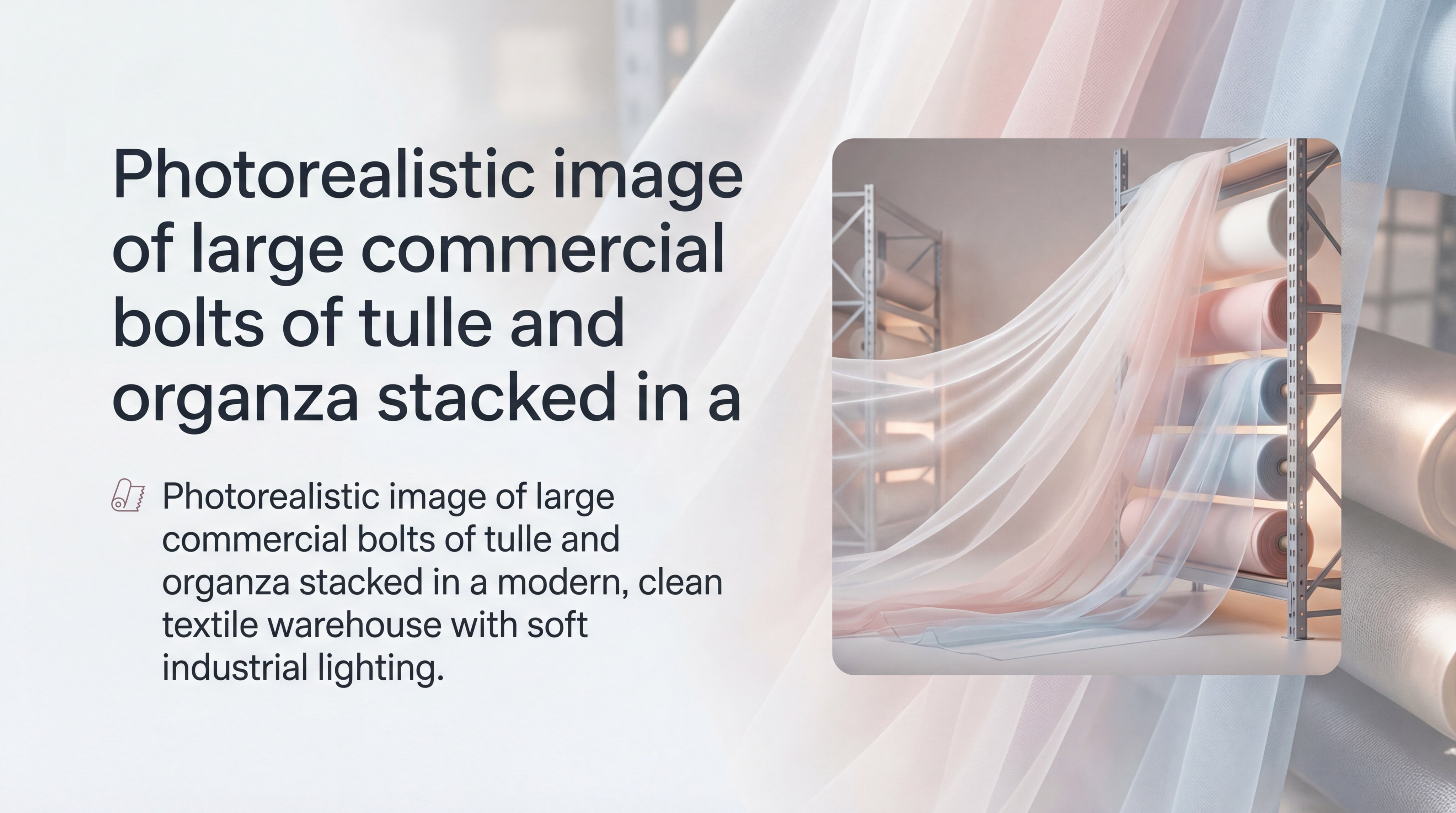
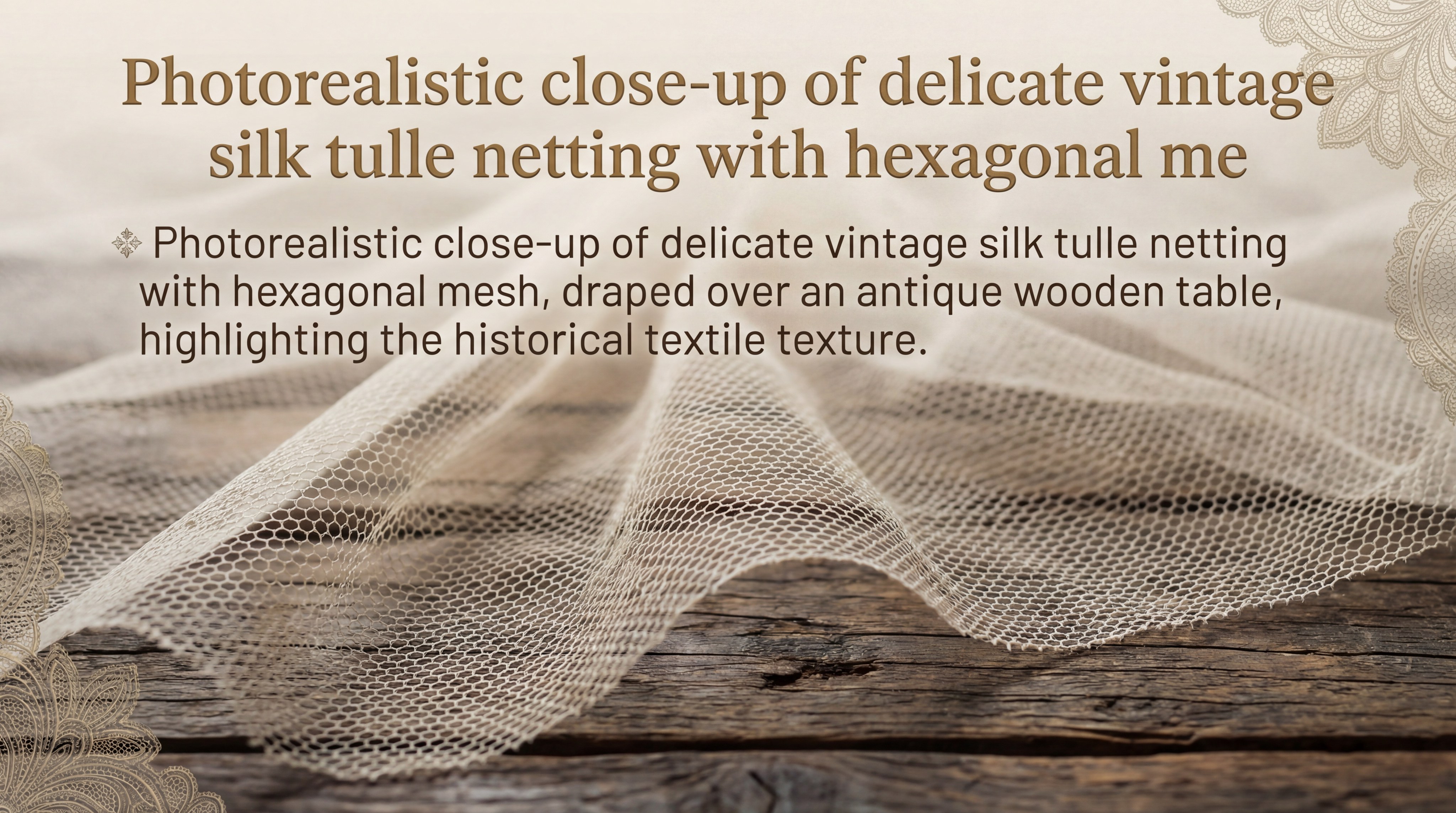
Tulle is a fine, net-like material that originated in France during the 18th century. When evaluating organza fabric vs tulle , you will find that tulle relies on a specific hexagonal honeycomb structure to provide its signature bounce. This architecture allows it to hold air and volume without adding significant weight to a garment.
How did this fine netting originate?
It all started in a small French town.
- Named after the town of Tulle, France, it was originally handcrafted to mimic expensive lace.
- The industrial revolution introduced machines that could mass-produce the signature hexagonal mesh.
- It became a staple of bridal fashion after Queen Victoria used it in her wedding ensemble.
What materials make up modern tulle?
Here is the kicker.
- Nylon: The most popular choice for bridal wear because of its superior softness and drape.
- Polyester: Commonly used for crafts and decorations due to its durability and low cost.
- Silk: A luxury option that offers an incredibly delicate touch and historical authenticity.
| Feature | Tulle Detail | |
|---|---|---|
| Weave Style | Hexagonal Mesh | |
| Origin | Tulle, France | |
| Common Fibers | Nylon, Polyester, Silk |
The mechanical production of tulle revolutionized the accessibility of volume in high-fashion couture.
Key Takeaway: Tulle is defined by its open, “honeycomb” mesh structure, making it the industry standard for creating airy volume and romantic silhouettes without the burden of heavy fabric weight.
What Defines the Unique Feel of Organza Fabric?
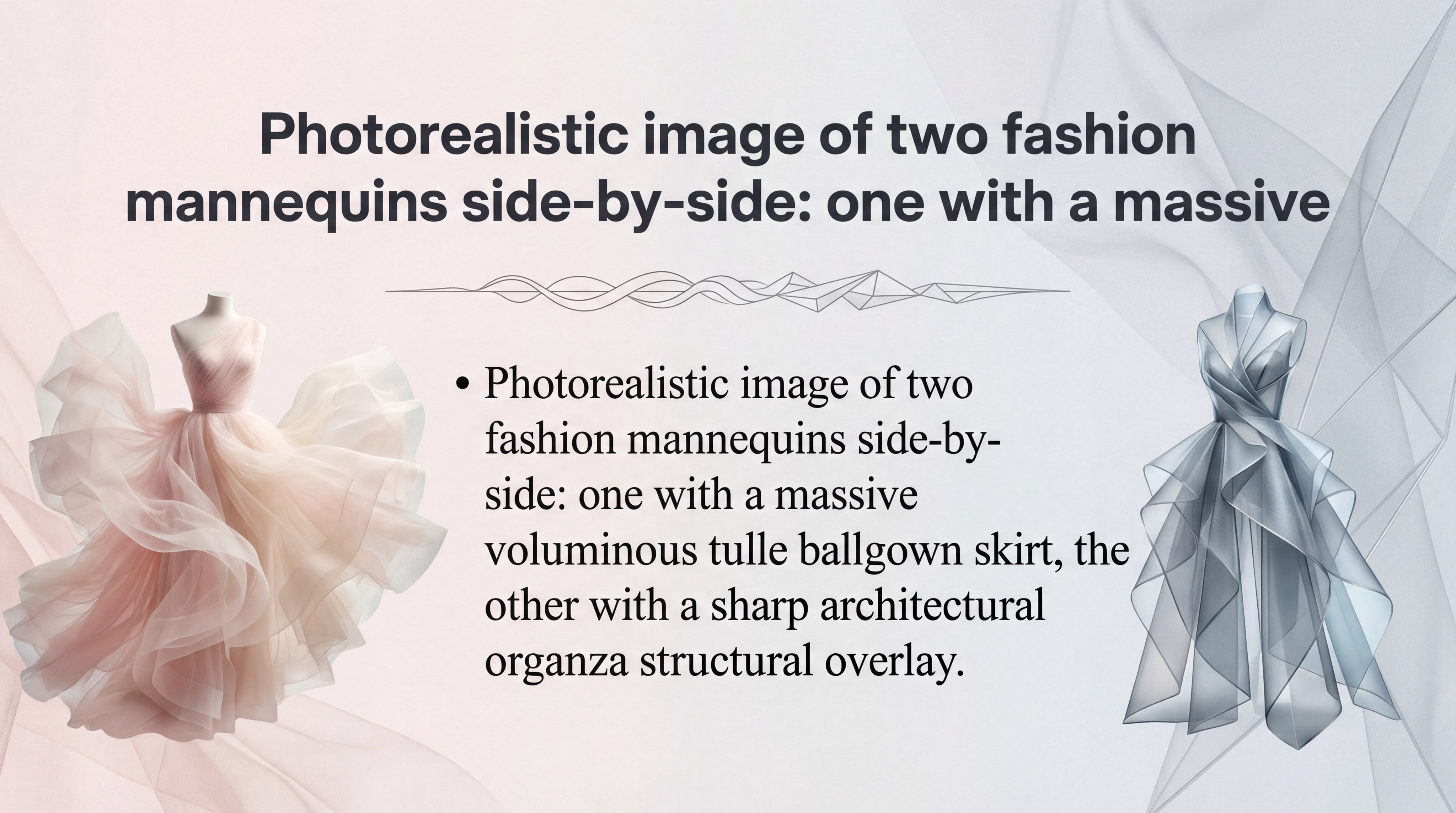
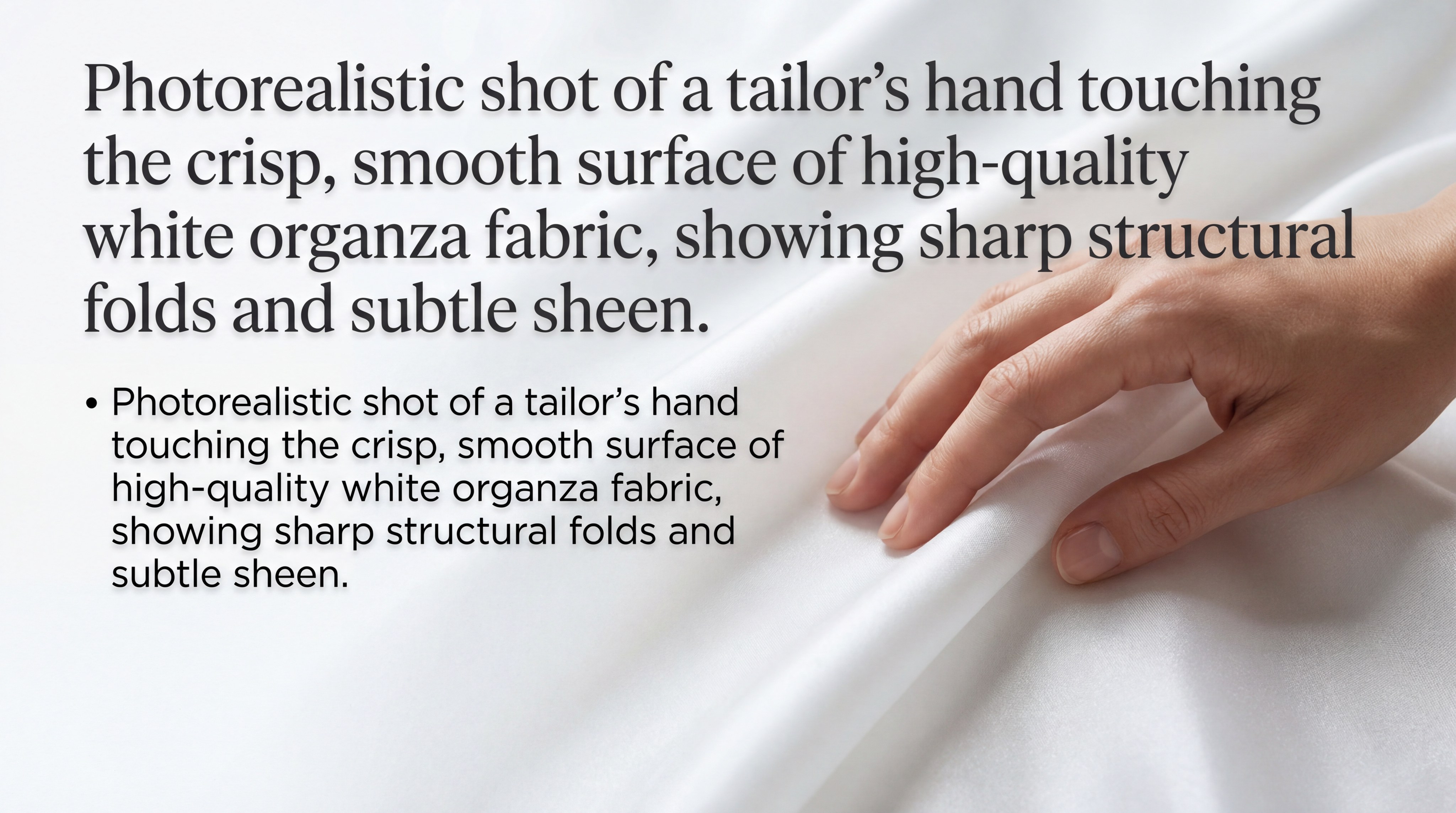
Organza is defined by its smooth, plain-weave surface and its stiff, “glass-like” hand. Understanding the tactile nature of organza fabric vs tulle is essential for designers who want to create structured, architectural silhouettes. It is a solid fabric, meaning there are no visible holes in the weave, which contributes to its characteristic shimmer.
Why is organza so much stiffer than other sheers?
Think about it.
- The stiffness is achieved by using tightly twisted yarns or specialized “acid-finishing” techniques.
- Unlike the flexible mesh of tulle, organza’s plain weave creates a rigid surface tension.
- This structure allows the fabric to hold sharp pleats and dramatic, sculptural shapes.
| Property | Organza Specification | |
|---|---|---|
| Weave | Plain Weave (Solid) | |
| Hand | Stiff and Crisp | |
| Light Effect | High Luster/Shimmer |
The inherent rigidity of organza allows it to act almost like a structural support for delicate outer layers.
Key Takeaway: Organza is a plain-weave fabric known for its exceptional “body,” providing a structured stiffness and uniform surface that tulle cannot replicate in high-end garment construction.
How Does Organza Fabric vs Tulle Differ in Appearance?
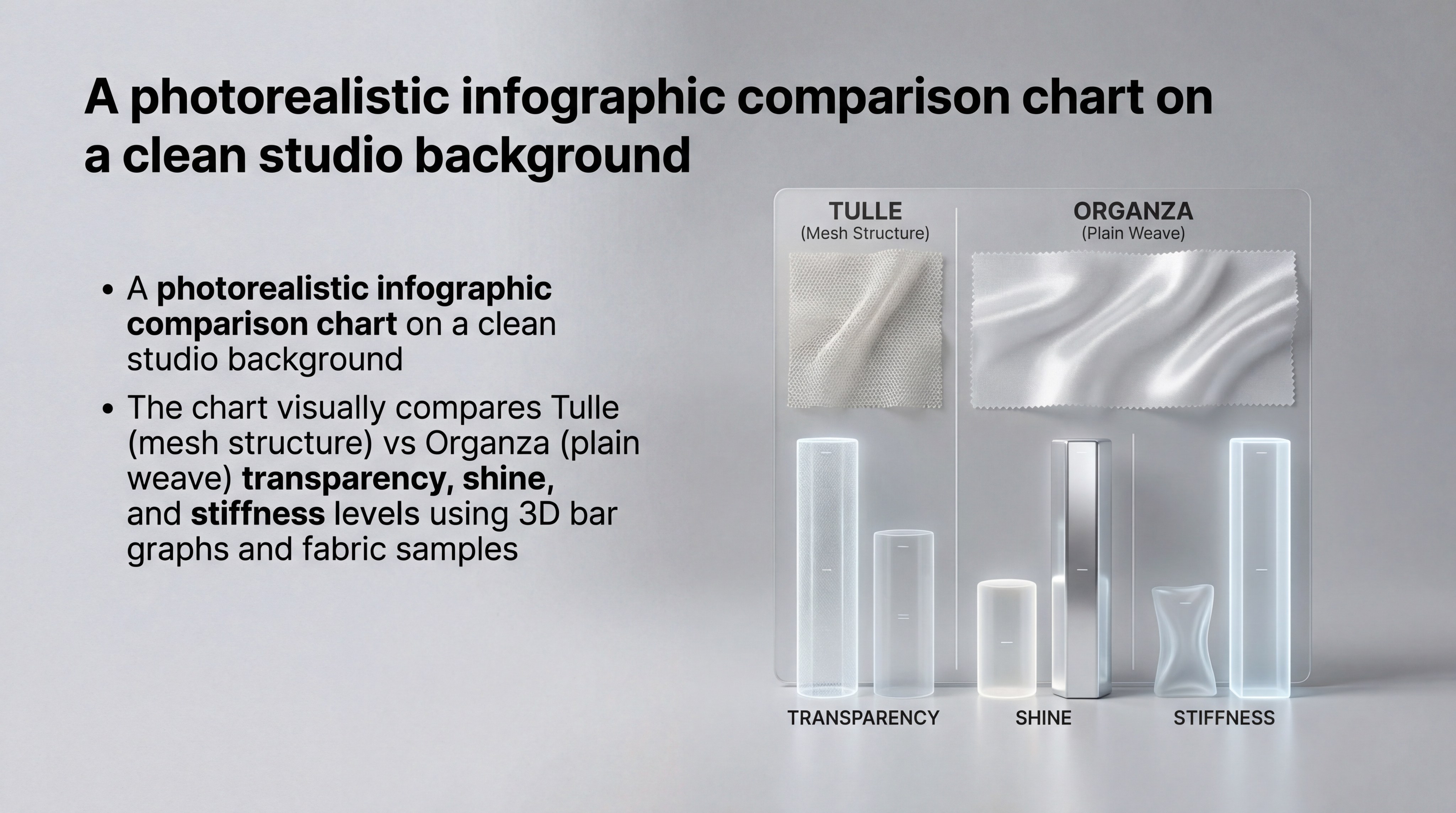
The visual distinction between organza fabric vs tulle is found in their light-reflecting properties and transparency levels. Tulle offers “optical transparency” because light passes through the physical gaps in the netting. Organza, however, offers a uniform translucency that resembles a pane of frosted glass.
Which fabric offers the best transparency?
But that’s not all.
- Tulle appears almost invisible from a distance, allowing underlying patterns to show clearly.
- Organza creates a hazy, sophisticated blur that softens the colors beneath it.
- Layering tulle creates a misty effect, whereas layering organza produces a crisp, frosted look.
Does organza have a more noticeable shine than tulle?
Believe it or not.
- Organza features a natural or synthetic luster that reflects light across the entire surface.
- Standard tulle is typically matte, though specialty versions may include glitter or pearls.
- The brilliant shine of organza makes it a favorite for gala event decor and formal evening gowns.
| Visual Element | Tulle Style | Organza Style | |
|---|---|---|---|
| Transparency | Open Mesh (Patterned) | Translucent (Uniform) | |
| Surface Finish | Matte/Flat | Shimmering/Reflective | |
| Light Interaction | Diffused | Reflective |
The way light interacts with these fabrics determines the overall “mood” of the design, ranging from ethereal to polished.
Key Takeaway: You should choose tulle for a misty, voluminous appearance and opt for organza when your project requires a polished, shimmering, and solid sheer aesthetic.
Why Does Texture and Feel Matter for Your Design?
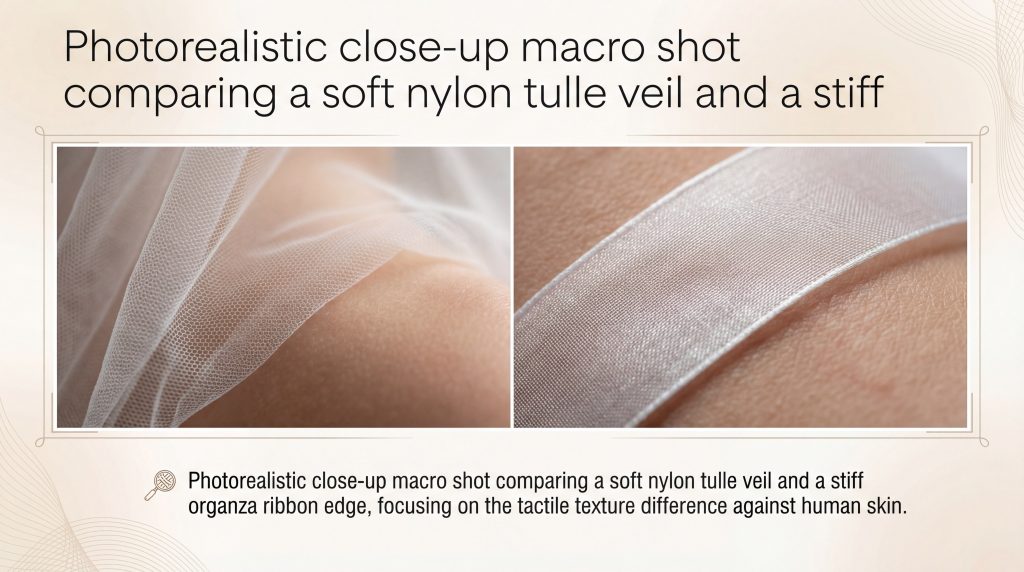
Texture determines the comfort and movement of a garment, which is why the choice between organza fabric vs tulle is so critical for bridal and dance wear. Soft tulle is often chosen for skin-contact layers, whereas organza is used for external structure. If the wrong texture is used against the skin, it can lead to significant irritation during long events.
Which fabric is softer against the skin?
Here’s the deal.
- High-quality nylon or silk tulle is significantly softer and more flexible than organza.
- Organza can have sharp, raw edges when cut, which may scratch or irritate sensitive skin.
- Tulle’s open weave allows for maximum breathability, keeping the wearer cool in layered dresses.
| Comfort Factor | Tulle | Organza | |
|---|---|---|---|
| Breathability | High | Low | |
| Skin Contact | Soft (Nylon/Silk) | Firm/Stiff | |
| Flexibility | High | Low |
While organza provides superior beauty, its lack of breathability can make it warmer to wear in multi-layered configurations.
Key Takeaway: For garments requiring direct skin contact and fluid movement, soft nylon tulle is generally the more comfortable and breathable choice for the wearer.
Is Durability and Maintenance a Major Factor?
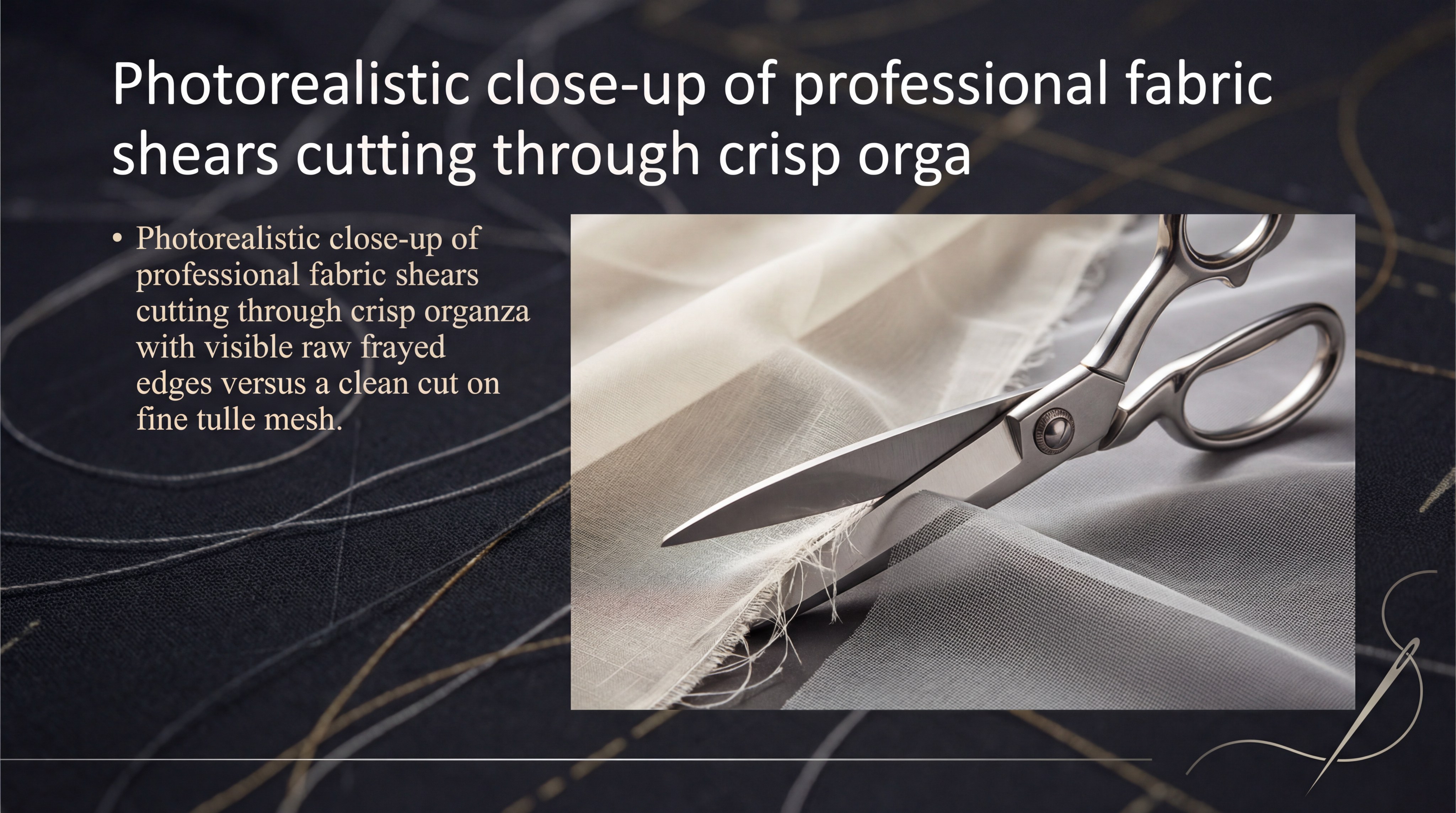
Maintaining the professional appearance of organza fabric vs tulle requires vastly different techniques for cleaning and storage. Organza holds its shape but wrinkles easily, while tulle is snag-prone but hides creases better. You must assess the longevity of the installation or garment before selecting your material.
Which is easier to wash and store?
Let’s dive in.
- Tulle is incredibly fragile and can easily snag on jewelry, sequins, or rough surfaces.
- Organza is more resistant to snags but will wrinkle the moment it is folded or sat upon.
- Both fabrics generally require hand-washing or professional dry cleaning to protect their delicate fibers.
| Maintenance | Tulle Care | Organza Care | |
|---|---|---|---|
| Snag Risk | Very High | Moderate | |
| Wrinkle Risk | Low | Very High | |
| Storage | Roll on bolts | Hanging preferred |
The structural integrity of your project depends on your ability to manage the specific vulnerabilities of each fabric type.
Key Takeaway: Organza requires frequent steaming to maintain its crisp, professional lines, while tulle requires extremely careful handling to prevent irreparable snags and tears.
How Does Weight and Drape Affect the Final Look?
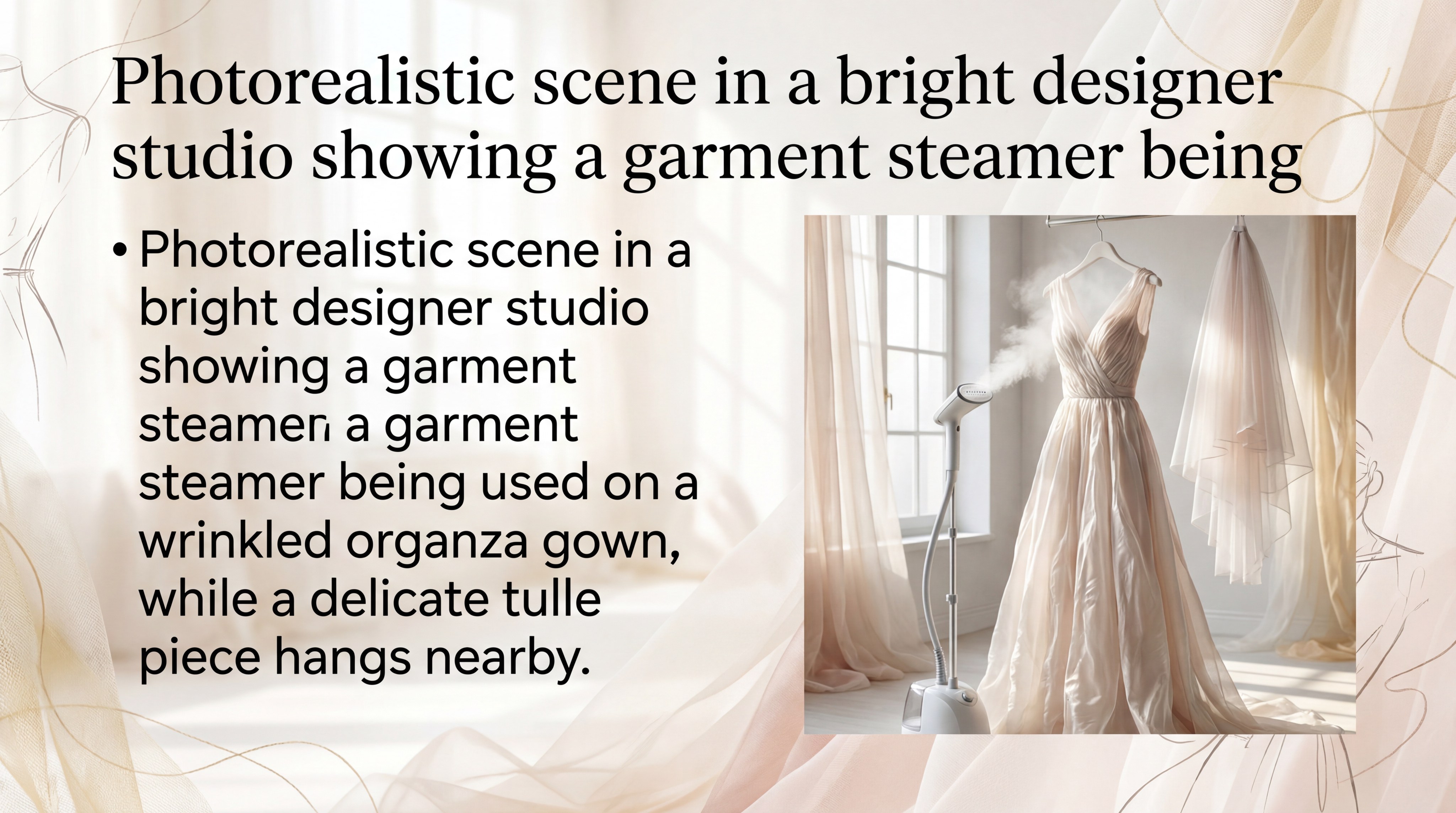
The weight and drape profile of organza fabric vs tulle determines whether your design will float like a cloud or stand with rigid precision. Tulle is the lighter option for high-volume layering. This weight difference is the reason why ballgowns often use dozens of tulle layers to achieve a massive silhouette.
Can tulle create more volume than organza?
You might be wondering.
- Tulle traps air between its mesh layers, creating a “floating” effect that defines the ballerina look.
- Organza provides volume through its inherent stiffness, resulting in large, dramatic folds.
- Tulle layers are cumulative, meaning more layers lead to more “poof” without adding bulk.
| Drape Metric | Tulle | Organza | |
|---|---|---|---|
| Weight (GSM) | 15 – 30 | 20 – 50 | |
| Silhouette | Cloud-like | Architectural | |
| Movement | Airy/Floating | Rigid/Sculptural |
The choice between these two affects how the garment responds to movement and gravity on the runway.
Key Takeaway: You should utilize tulle for “cloud-like” volume and romantic movement, while reserving organza for architectural structures and sharply defined silhouette lines.
What are the Best Fashion Uses for Tulle and Organza?
Professional designers select organza fabric vs tulle based on the specific silhouette and event formality required for the piece. Tulle is the undisputed king of veils and tutus. However, organza is often the preferred choice for formal overlays that require a more sophisticated, high-end polish.
How does organza transform evening gowns?
Think about this.
- Organza is used for voluminous sleeves and collars that must maintain their shape throughout an event.
- It creates a beautiful “overskirt” that adds depth and a luxury shimmer to simpler dresses.
- The fabric’s solid weave makes it look more formal and expensive under professional event lighting.
| Application | Recommended Fabric | |
|---|---|---|
| Bridal Veils | Tulle | |
| Puffy Sleeves | Organza | |
| Dance Tutus | Tulle | |
| Luxury Overlays | Organza |
Matching the fabric to the specific fashion application is the hallmark of an expert couturier.
Key Takeaway: Tulle remains the global standard for veils and performance wear, while organza is the premier choice for formal overlays and structural fashion accents.
Can You Use These Fabrics for Home Decor and Events?
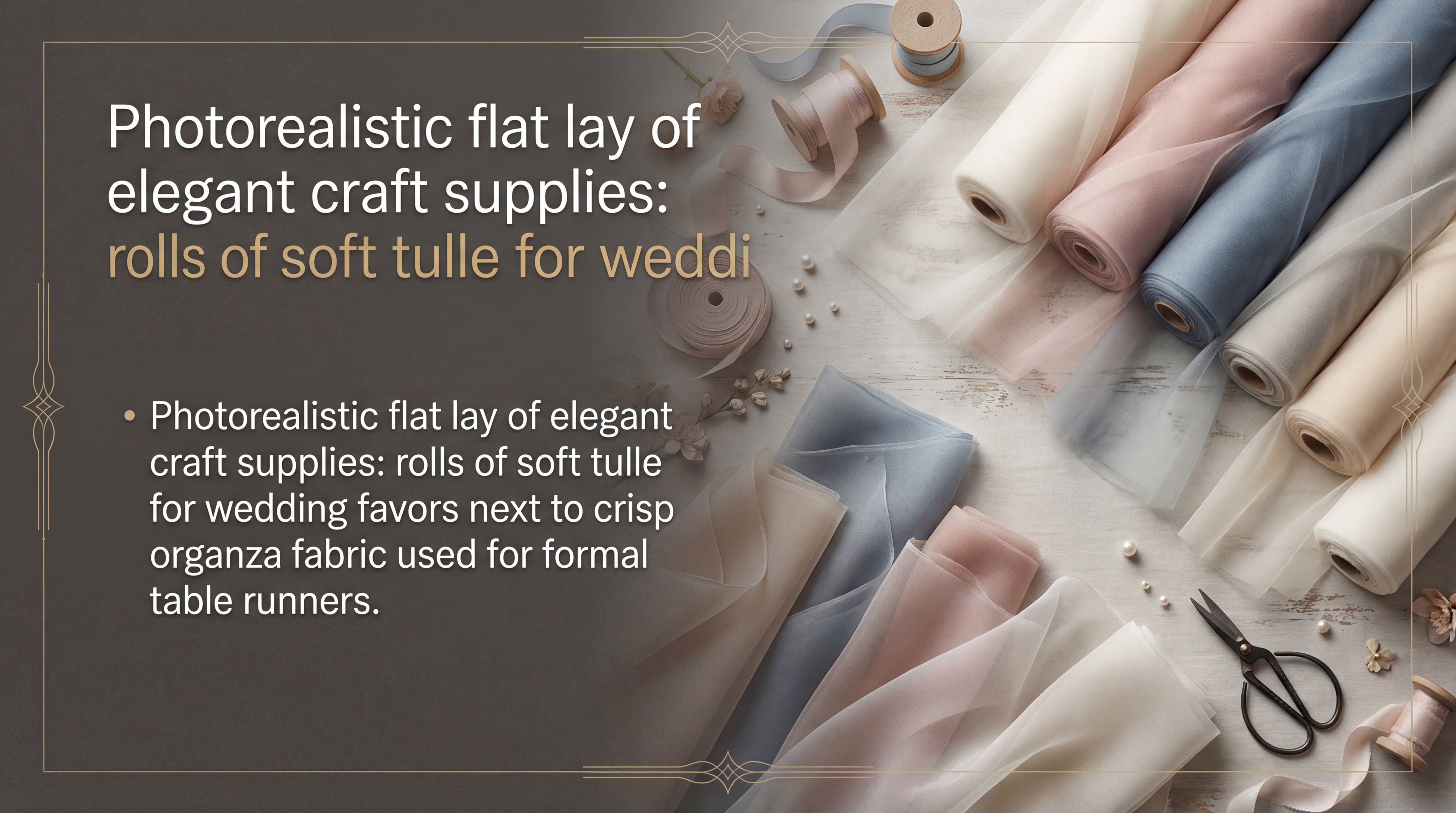
For interior design and event planning, the choice of organza fabric vs tulle impacts both the utility and the aesthetic of the space. Organza provides a polished tabletop finish, while tulle excels at airy ceiling drapes. You must consider the environment, such as wind or lighting, before making a final selection.
Which works best for elegant table runners?
It’s quite simple.
- Organza is the superior choice for runners because its flat surface allows glassware to stand securely.
- The shimmer of the fabric catches candlelight beautifully, adding luxury to any banquet table.
- Tulle is generally too “bumpy” for functional surfaces but works perfectly for chair sashes.
| Decor Item | Best Choice | Reason | |
|---|---|---|---|
| Table Runner | Organza | Flat, stable surface | |
| Ceiling Swags | Tulle | Lightweight, wind-resistant | |
| Gift Wrapping | Both | Aesthetic preference |
The functionality of the fabric is just as important as its beauty when decorating large-scale commercial events.
Key Takeaway: Use organza for tabletop elegance and functional surfaces, and rely on tulle for large-scale atmospheric draping and decorative bows.
How Do You Choose the Right Fabric for Your Project?
Selecting between organza fabric vs tulle involves evaluating your sewing skill level and the desired finish of the project. Tulle is forgiving for beginners because it does not fray when cut. Organza, conversely, demands precision and specialized finishing techniques to prevent the edges from unraveling.
Should you layer tulle and organza together?
The secret is out.
- Mixing both fabrics is a professional technique: use tulle for internal volume and organza for the top layer.
- This provides the “poof” of tulle combined with the “polish” and shimmer of organza.
- It creates a complex, multidimensional look that single-fabric designs often lack.
| Sewing Need | Tulle | Organza | |
|---|---|---|---|
| Fray Resistance | High (No fray) | Low (Frays easily) | |
| Difficulty | Beginner-friendly | Intermediate/Advanced | |
| Edge Finish | Raw is fine | Needs hemming/serging |
Combining these textures allows you to leverage the strengths of both materials in a single, high-impact design.
Key Takeaway: Beginners should start with tulle for its simplicity and “no-sew” potential, while advanced makers can use organza for its superior structural beauty.
Which Fabric Provides the Ultimate Elegance?
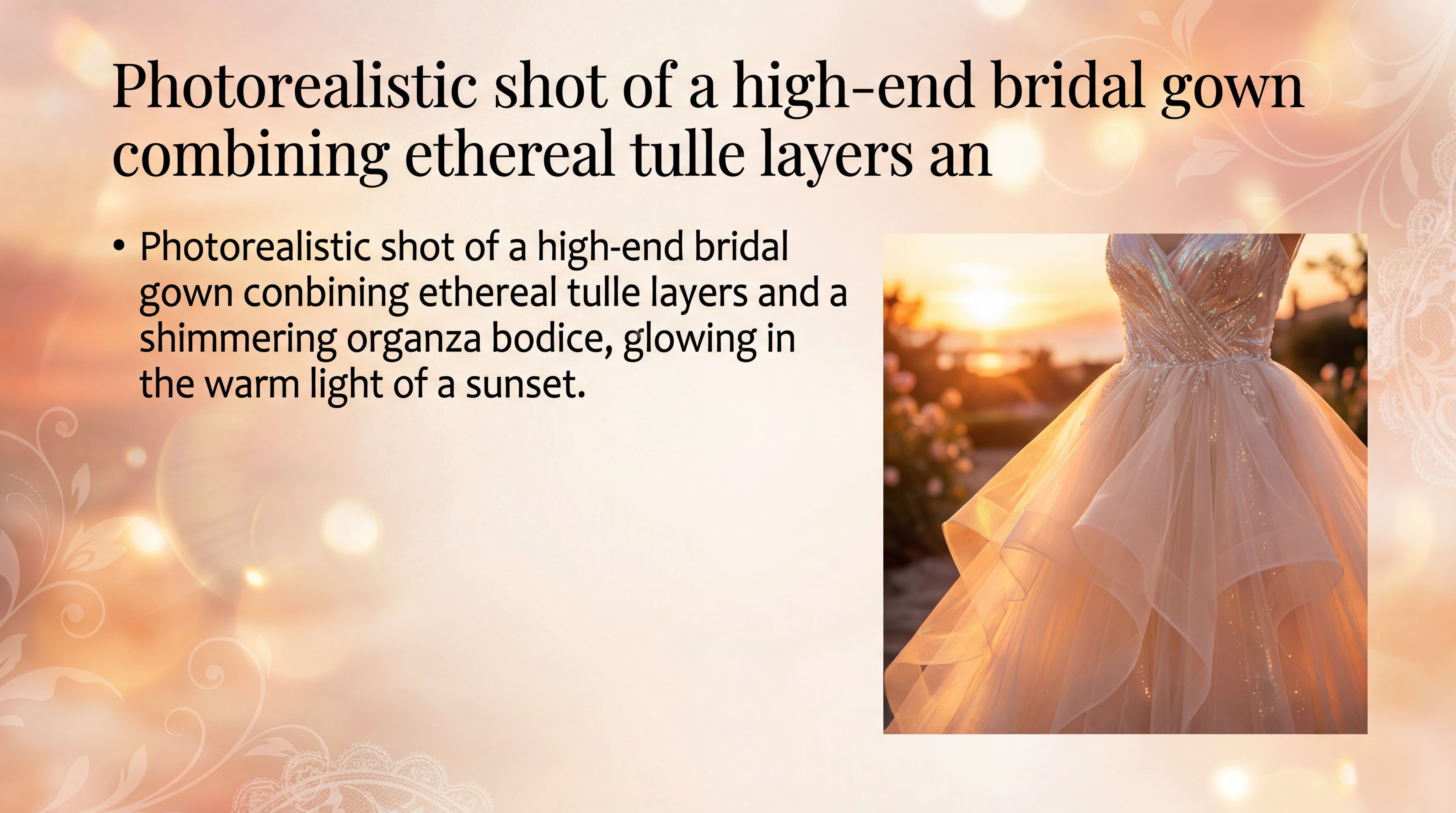
The ultimate choice between organza fabric vs tulle depends on whether you seek romantic grace or structured sophistication. Both fabrics offer unique ways to capture light and movement in luxury designs. Your brand’s aesthetic should guide whether you lean toward the whimsical or the modern.
Does tulle offer more grace for movement?
Look at the results.
- Tulle’s ethereal, floating quality is the definition of romantic grace.
- It captures a sense of whimsy that is unmatched by more rigid textiles.
- When a wearer moves, tulle trails behind like a soft, translucent mist.
| Style Vibe | Tulle | Organza | |
|---|---|---|---|
| Aesthetic | Romantic/Dreamy | Modern/Tailored | |
| Movement | Graceful Flow | Defined Structure | |
| Presence | Soft/Misty | Bold/Shimmering |
The final “vibe” of your creation is determined by the specific interplay of light, weight, and weave.
Key Takeaway: Tulle is the premier choice for the romantic dreamer seeking grace, while organza is the king of structured sophistication for the modern minimalist.
FAQ: Common Fabric Queries
Can I use organza instead of tulle for a tutu?Yes, but the look will be different. It will result in a flatter, crisper, and more “crunchy” skirt rather than the puffy, airy volume of a traditional tulle tutu.
What’s the best way to stop organza from fraying?The most effective professional methods include using a serger, sewing French seams, or applying a specialized fray-check liquid to the raw edges.
Can I mix tulle and organza in the same gown?Absolutely. Many bridal designers use tulle for the underlying support layers to provide lift and organza for the visible top layer to provide a shimmering, solid finish.
Is one fabric more expensive than the other?In the synthetic market, prices are similar. However, silk organza is typically more expensive than standard nylon tulle due to the complexity of its weave.
Which fabric is better for a wedding veil?Tulle is the industry standard for veils because its transparency and light weight allow it to flow gracefully without obscuring the bride’s face.
Conclusion
Choosing between organza and tulle is more than just a matter of preference; it is a strategic decision that defines the structure, comfort, and elegance of your work. Whether you require the ethereal, floating volume of a fine mesh or the crisp, architectural shimmer of a plain-weave sheer, the right choice ensures your vision is executed with professional precision. At our core, we believe that the quality of your materials should match the height of your inspiration. If you are ready to elevate your next project with the finest textiles available, contact us today to explore our wholesale collections and find your perfect match.