Wedding veils are primarily made from tulle, English net, and silk. Imagine a bride who spends months finding the perfect gown, only to realize on her wedding day that her veil is scratchy, stiff, or completely obscures the delicate lace of her bodice in photos. This textile mismatch can turn a dream accessory into a frustrating distraction that snags on sequins and irritates your skin. By understanding the specific properties of nylon tulle fabric, you can ensure your final look drapes with timeless elegance and professional quality.
Is nylon tulle fabric prone to fraying when sewing?
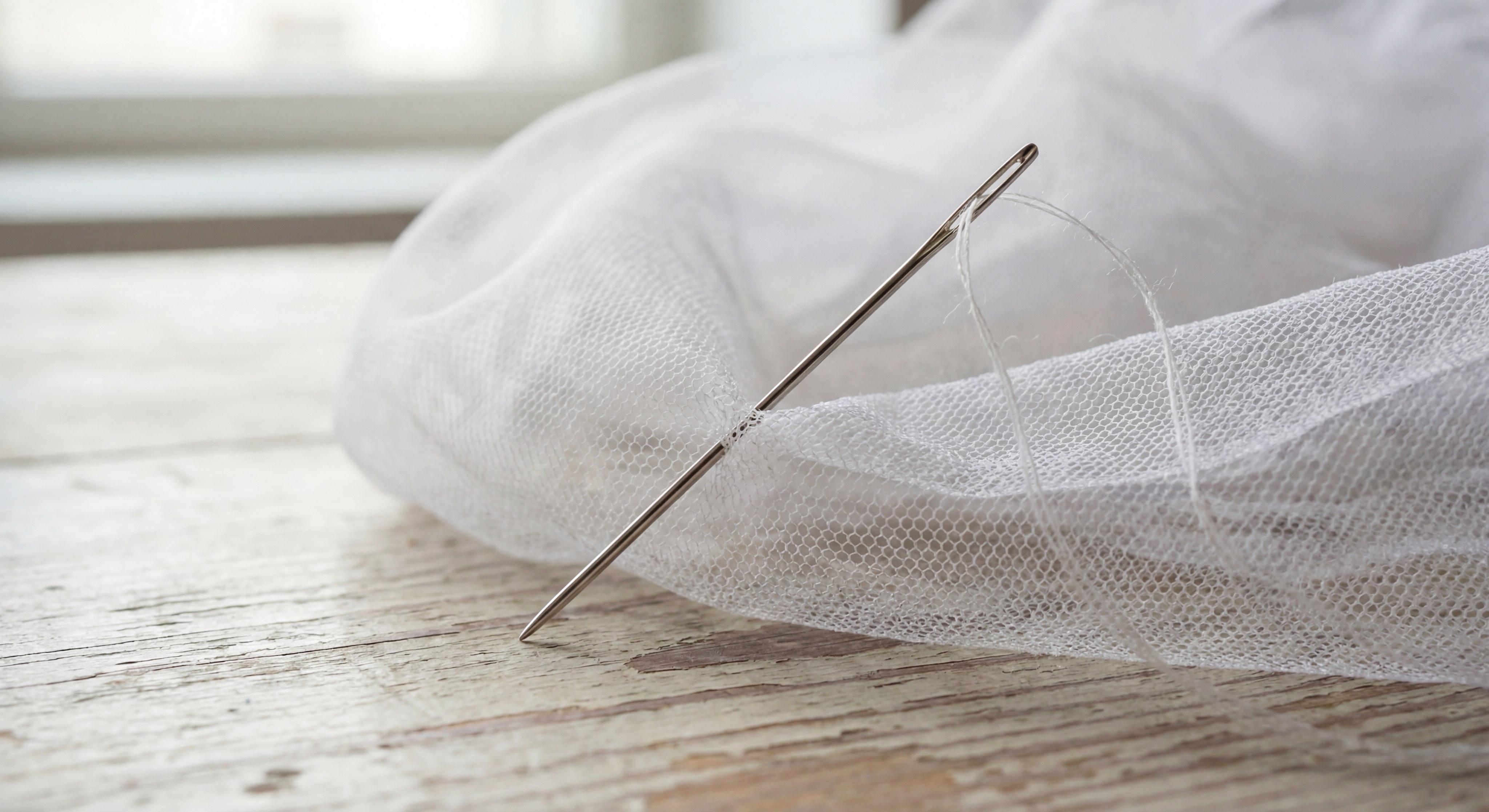
High-quality nylon tulle fabric does not fray when cut or sewn because it is a warp-knitted textile with a stable hexagonal structure. Unlike woven fabrics that have individual threads that can unravel, the interlocking loops of this mesh keep the edges clean and crisp even without a hem.
Handling raw edges in bridal design
When you work with this material, you can achieve a “barely-there” look. Many modern veils utilize a raw-cut edge to maintain maximum transparency and lightness.
- Use sharp rotary cutters for the smoothest finish.
- Avoid pulling the fabric while cutting to prevent distortion.
Stitching techniques for mesh
The secret to success lies in your machine settings.
- The Best Part?
- You don’t need a heavy-duty setup.
- Use a fine zig-zag stitch or a specialized tricot stitch.
- Always use a brand-new, fine-gauge needle to avoid snags.
Key Takeaway: The stability of the hexagonal weave makes this fabric the gold standard for DIY and professional bridal accessories alike.
| Property | Feature | |
|---|---|---|
| Edge Type | Non-fraying | |
| Weave Style | Warp-knitted hexagonal | |
| Best Tool | Rotary cutter |
Selecting the right cutting tools is the first step toward a professional-looking bridal finish.
What is the official definition of nylon tulle fabric?
The official definition of nylon tulle fabric is a lightweight, very fine, stiff netting made of nylon, often used for veils, gowns, and ballet tutus. It is characterized by its sheer transparency and its ability to hold a shape without adding significant weight to the wearer.
The anatomy of the mesh
This fabric is created through a specific knitting process that forms a honeycomb-like pattern.
- The holes are typically hexagonal.
- The size of these holes determines the sheerness of the veil.
- It offers a mechanical stretch that helps it recover its shape.
Durability of synthetic fibers
Synthetic nylon provides a level of resilience that natural fibers often lack.
- Think about this:
- Nylon is more resistant to tearing than silk.
- It handles moisture better than cotton-based nets.
- It provides a consistent “memory” for voluminous styles.
Key Takeaway: Defining your material helps you understand exactly how it will perform under the stress of a long wedding day.
| Characteristic | Description | |
|---|---|---|
| Composition | 100% Synthetic Nylon | |
| Pattern | Hexagonal Mesh | |
| Elasticity | Low mechanical stretch |
Defining the material by its weave ensures you are choosing a textile designed for structural integrity.
How many types of nylon tulle fabric are used for veils?
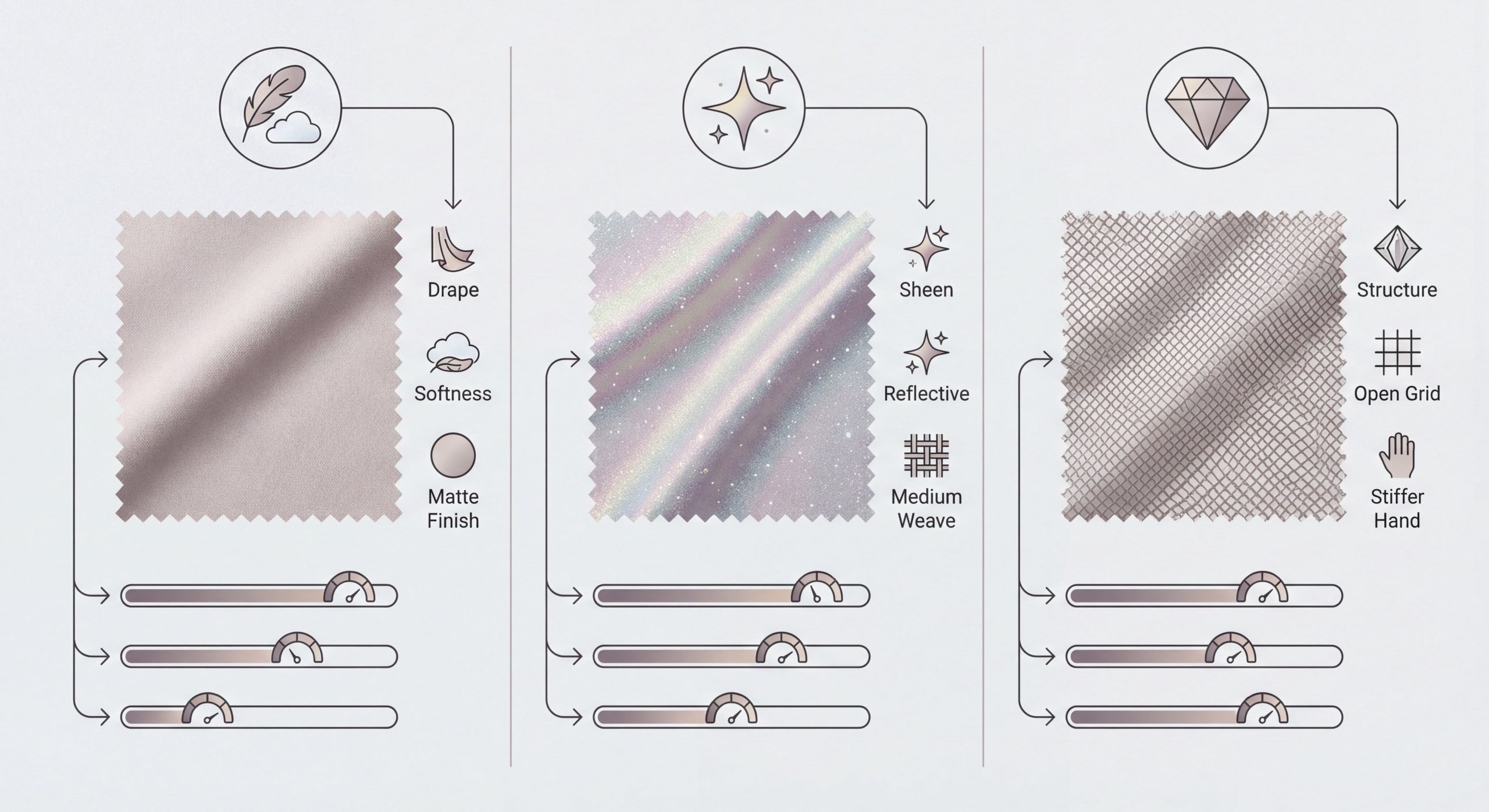
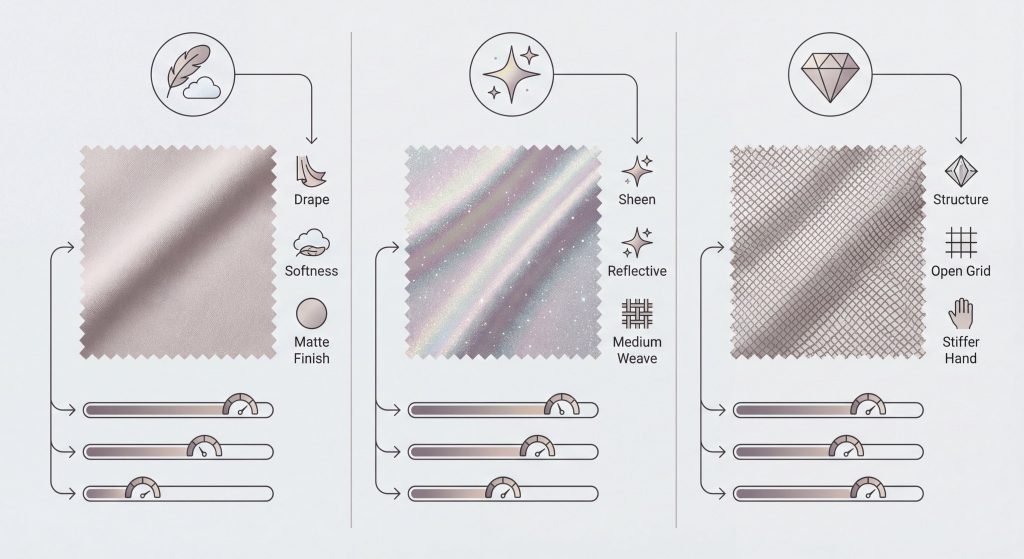
There are generally three main types of nylon tulle fabric used in bridal design: bridal illusion, glimmer tulle, and diamond mesh. Each variety offers a different level of sheen and stiffness to cater to various aesthetic preferences.
Exploring bridal illusion and glimmer
Bridal illusion is the most common choice for its matte finish and ultra-sheer appearance.
- It is nearly invisible in photography.
- Glimmer tulle adds a subtle sparkle through reflective fibers.
- Both types are whisper-light on the head.
The structure of diamond mesh
Diamond mesh features a slightly larger hole size and a crisper “hand” or feel.
- Check this out:
- It is perfect for vintage “puffy” veils.
- It provides excellent volume for multi-tier designs.
- The diamond shape catches the light differently than hexagons.
Key Takeaway: Choosing between matte and shimmer finishes allows you to coordinate perfectly with the fabric of your gown.
| Tulle Type | Finish | Best Use | |
|---|---|---|---|
| Bridal Illusion | Matte/Sheer | Modern minimalist veils | |
| Glimmer | Sparkly | Glamorous evening weddings | |
| Diamond Mesh | Crisp | Vintage/Structured styles |
Analyzing the finish of the fabric is essential for matching the luster of your wedding dress.
Can nylon tulle fabric optimize modern bridal designs?
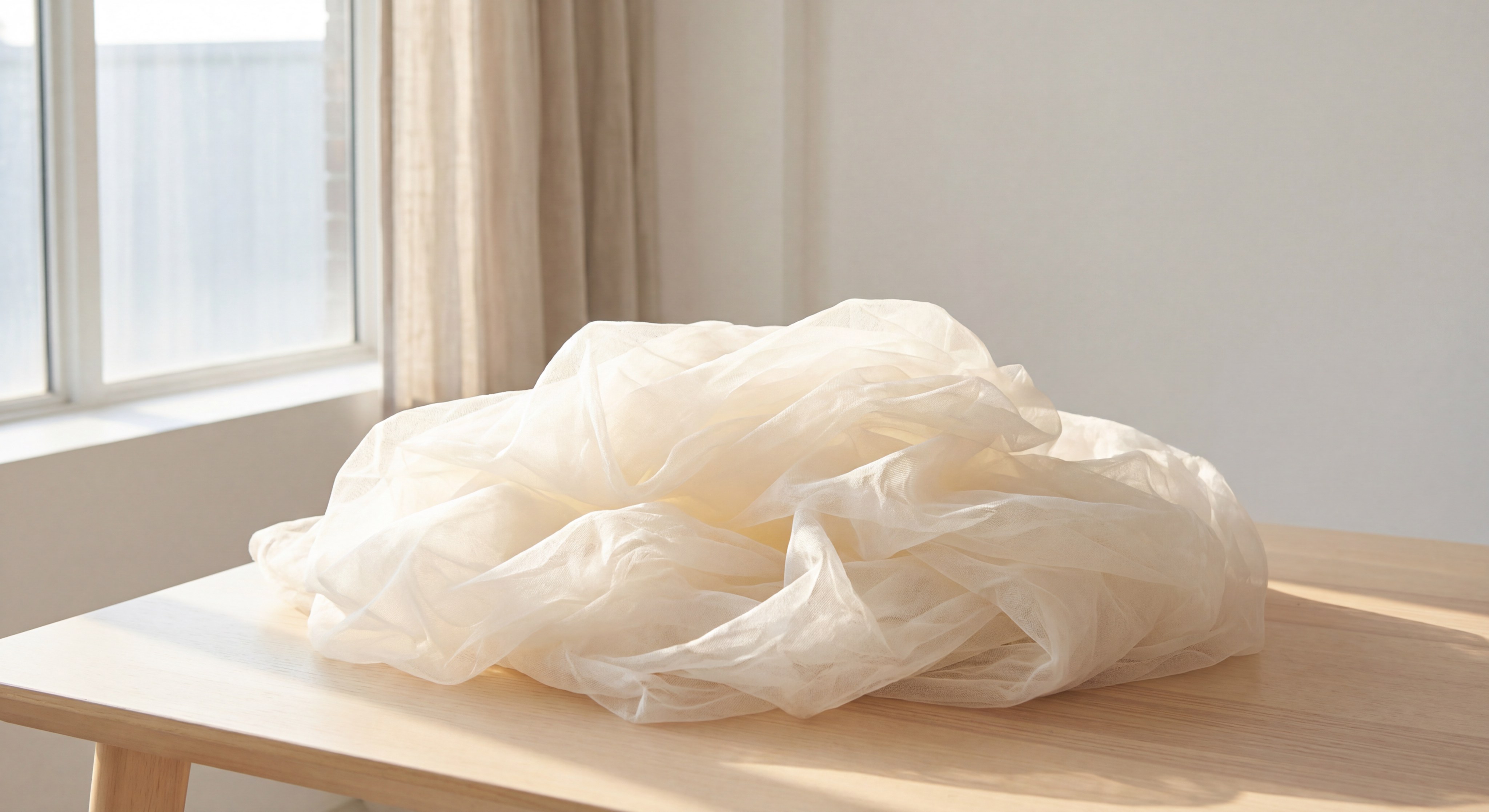
Modern bridal designs are optimized by nylon tulle fabric because it allows for dramatic lengths and volume without the heavy weight of traditional silks. Designers use it to create ethereal “floating” effects that look stunning in outdoor settings or high-ceilinged venues.
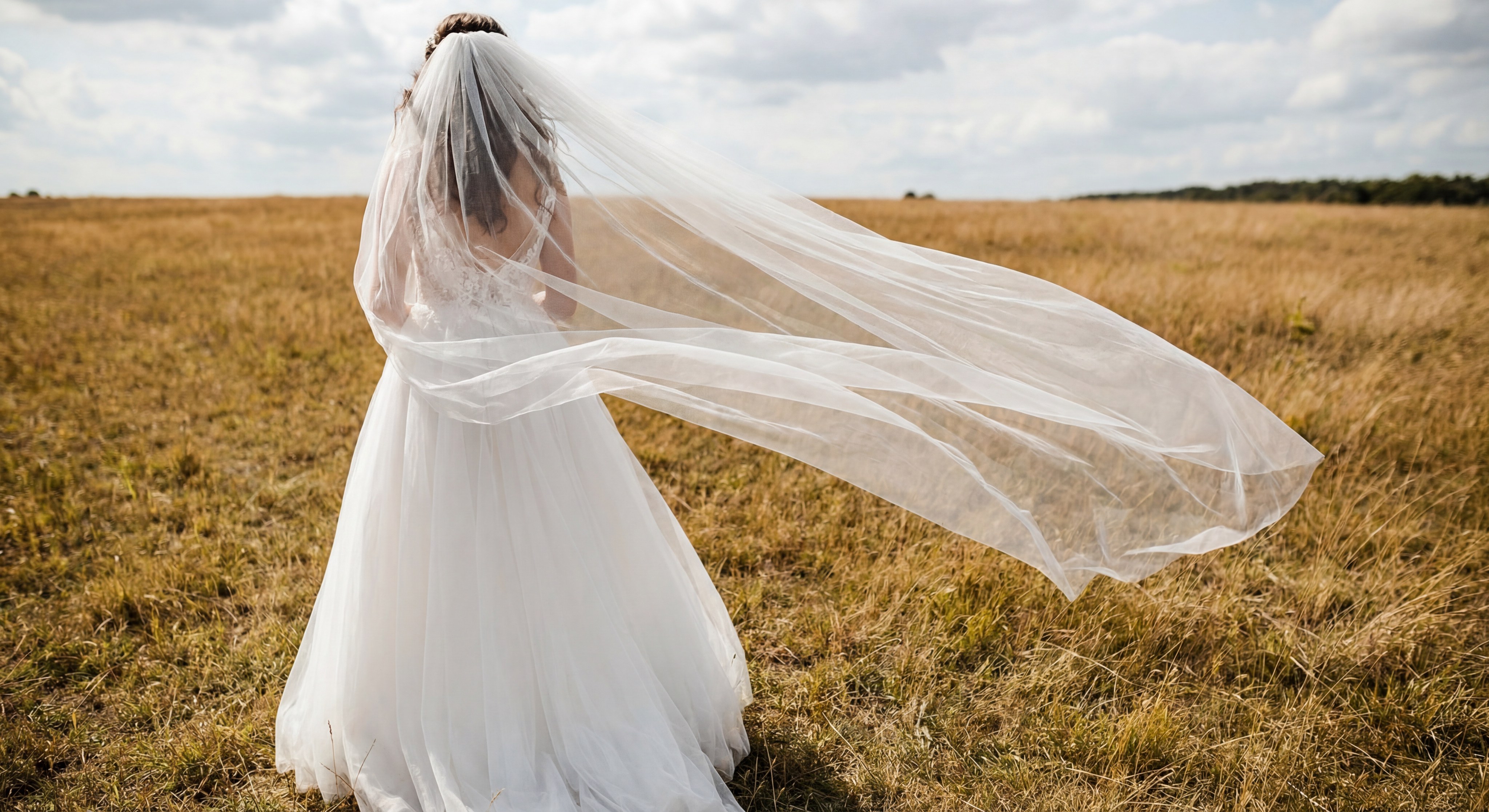
Enhancing movement and flow
The lightweight nature of this fabric means it catches the wind beautifully.
- It creates a “halo” effect around the bride.
- Long cathedral veils can follow the bride effortlessly.
- It doesn’t drag on the hair or cause headaches.
Versatility in layering
You can layer multiple tiers of this mesh to create depth.
- Here is the truth:
- Layering increases opacity without adding bulk.
- You can mix colors for a custom “champagne” or “blush” tint.
- It works perfectly for “blusher” tiers worn over the face.
Key Takeaway: Optimizing your design with lightweight synthetics ensures comfort and photographic impact.
| Design Goal | Fabric Benefit | |
|---|---|---|
| Volume | High “memory” for puffiness | |
| Length | Lightweight for 100″+ veils | |
| Color | Easy to tint and layer |
Focusing on the weight-to-volume ratio helps you achieve a dramatic look that remains comfortable.
How do you choose the right GSM for nylon tulle fabric?
Choosing the right GSM for nylon tulle fabric depends on whether you want a soft, flowing drape or a stiff, structured silhouette. GSM, or grams per square meter, measures the density of the mesh, with lower numbers indicating a lighter and more transparent material.
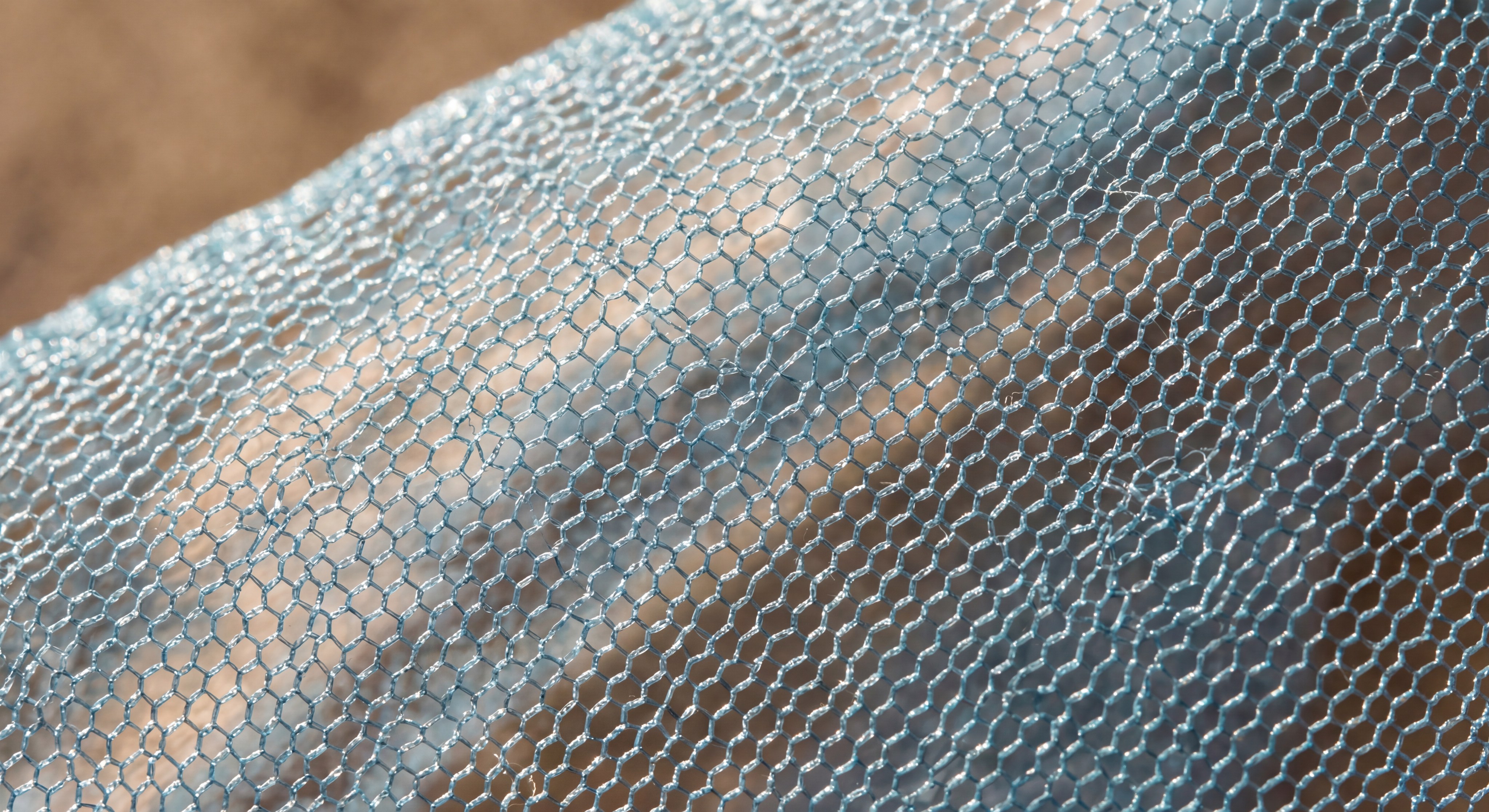
Low GSM for ethereal veils
Most bridal veils use a very low GSM to maintain maximum transparency.
- Typically falls between 10 and 15 GSM.
- This creates the “invisible” look brides love.
- It feels soft against the skin and shoulders.
High GSM for structural accents
Higher density mesh is used when a design needs to stand away from the body.
- It gets better:
- Higher GSM prevents the veil from clinging to lace.
- It is ideal for sculptural “winged” capes.
- The fabric is more resistant to wind distortion.
Key Takeaway: Matching the GSM to your veil length prevents a long accessory from becoming too heavy or a short blusher from falling flat.
| GSM Range | Feel | Best For | |
|---|---|---|---|
| 8-12 | Ultra-Soft | Barely-there drop veils | |
| 15-20 | Medium | Standard tiered veils | |
| 25+ | Stiff | High-fashion structured pieces |
Selecting the correct density is the secret to a veil that moves exactly how you imagined.
Why is nylon tulle fabric different from pure silk?
The primary reason nylon tulle fabric is different from pure silk is the “memory” and volume it provides compared to the limp, fluid nature of natural silk. While silk is the pinnacle of luxury, it often lacks the structural integrity needed for traditional “puffy” bridal styles.
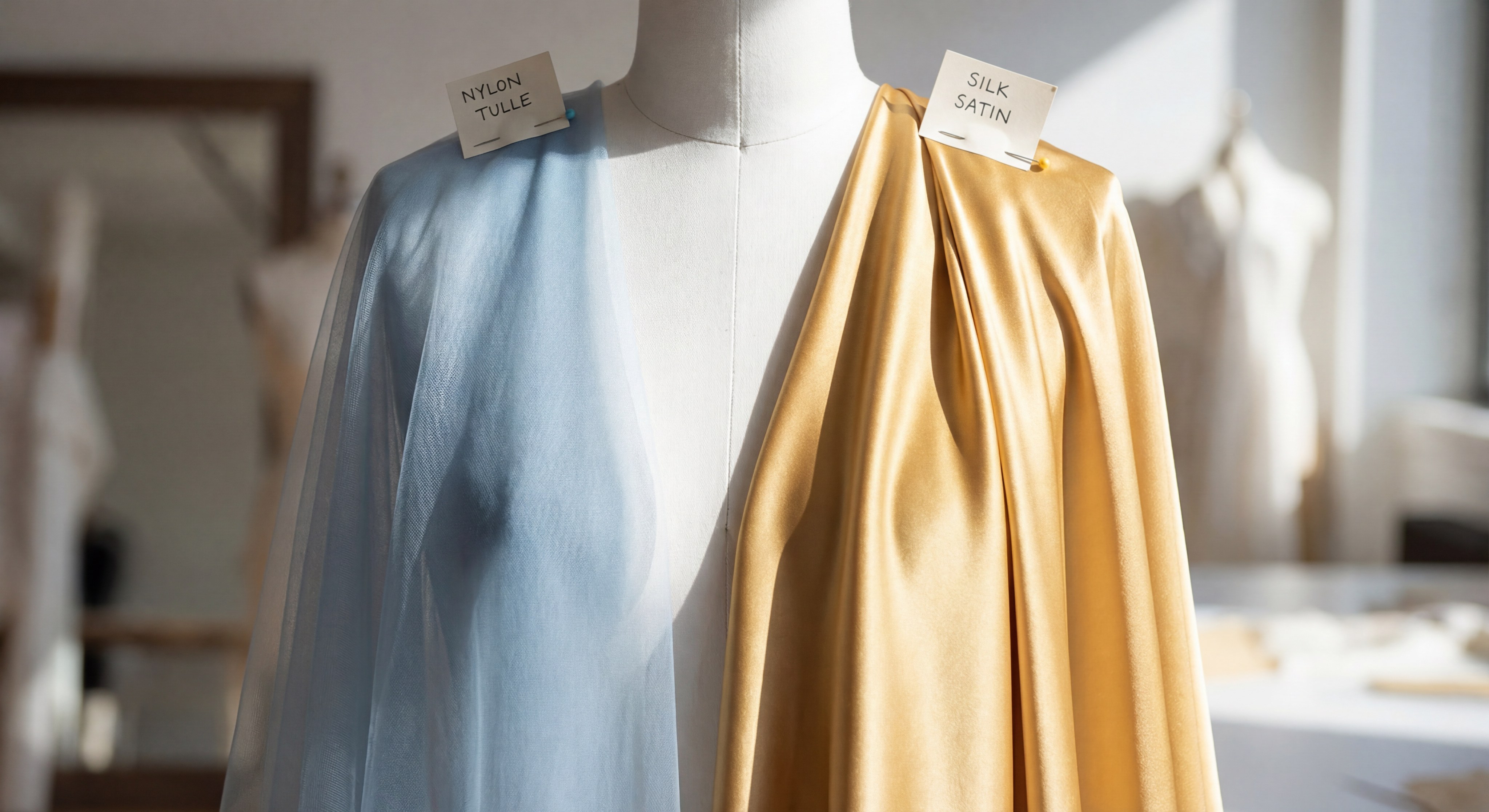
Comparing drape and fluidity
Silk tulle drapes like a liquid, following every curve of the body.
- It is extremely delicate and snags easily.
- Nylon stays “up” and creates a frame around the face.
- Synthetic mesh is much more budget-friendly.
Durability and maintenance
Maintenance is significantly easier with synthetic options.
- Let’s be honest:
- Silk yellowing is a major concern for heirlooms.
- Nylon maintains its crisp white or ivory color longer.
- Wrinkles release faster from nylon with a simple steam.
Key Takeaway: Choosing nylon gives you the look of volume and reliability, while silk offers unmatched fluidity for a royal aesthetic.
| Feature | Nylon Tulle | Pure Silk Tulle | |
|---|---|---|---|
| Drape | Structured | Fluid/Liquid | |
| Durability | High | Very Low | |
| Cost | Affordable | Premium/Luxury |
Evaluating your priority—whether it is volume or fluidity—will dictate which of these two distinct fibers you choose.
Is English net softer than standard nylon tulle fabric?
English net is significantly softer and heavier than standard nylon tulle fabric, offering a drape that mimics silk without the high cost. It is often referred to as “Spanish tulle” because of its luxurious feel and the way it hangs in heavy, elegant folds.
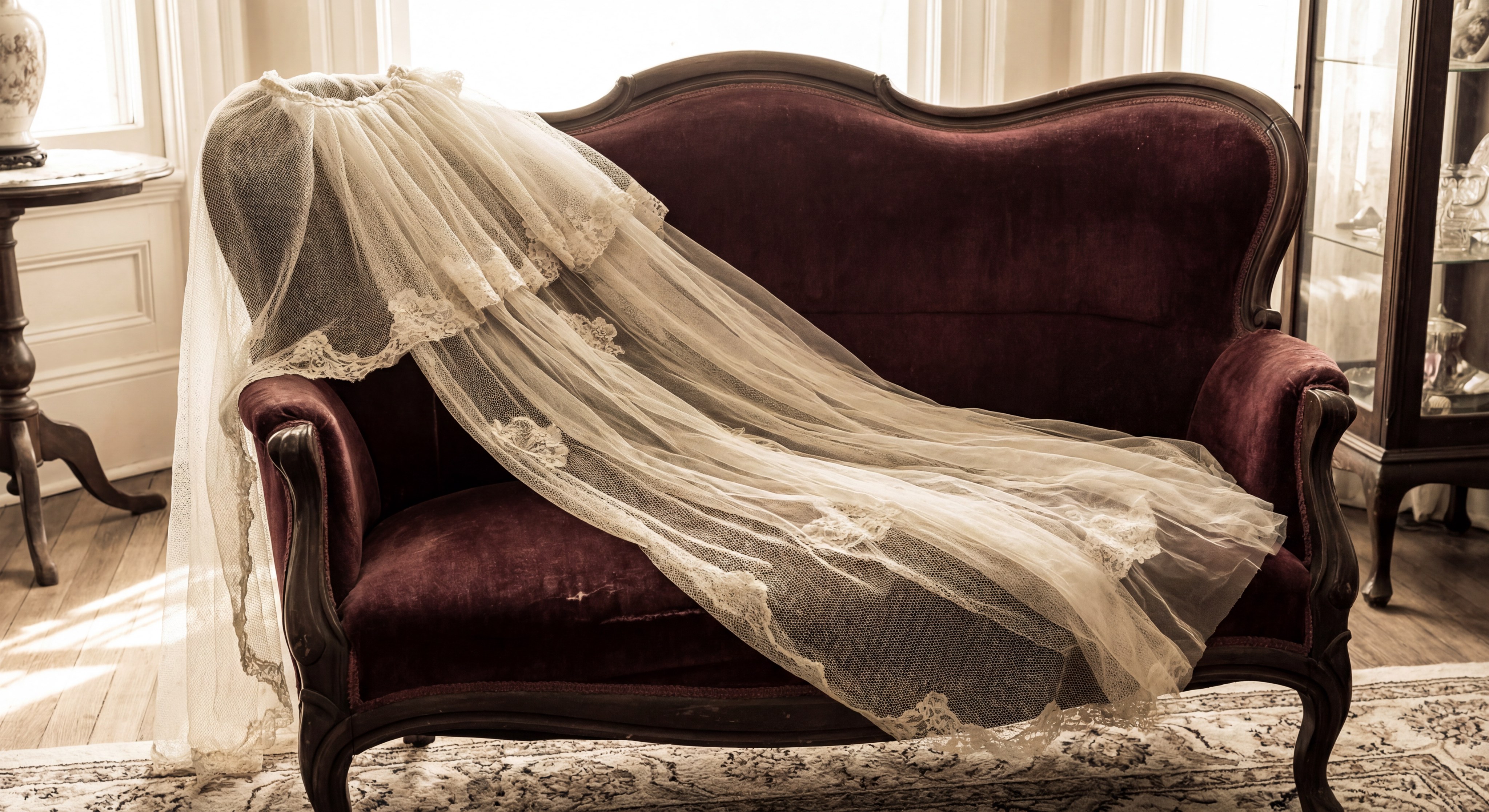
The vintage appeal of netting
Netting provides a more opaque, matte finish than traditional illusion mesh.
- It has a “weighty” feel that suggests quality.
- It is perfect for bohemian or vintage-inspired capes.
- The weave is slightly more visible than illusion tulle.
Pliability in draped styles
Because it is so soft, it doesn’t “pouf” like standard mesh.
- Believe it or not:
- It is the best choice for draped bridal capes.
- It flows behind you like a second gown.
- It feels incredibly smooth against bare skin.
Key Takeaway: If you want a veil that “drops” rather than “puffs,” English net is the superior choice over standard mesh.
| Property | Standard Tulle | English Net | |
|---|---|---|---|
| Softness | Crisp | Very Soft | |
| Weight | Light | Medium | |
| Visual | Transparent | Semi-Opaque |
Assessing the tactile softness of the fabric ensures the veil feels as good as it looks against your skin.
Does nylon tulle fabric drape better than chiffon?
While nylon tulle fabric offers more transparency and structure, chiffon provides a much more opaque and fluid drape that is completely different in style. Tulle is designed to be a “veiling” material, whereas chiffon acts more like a solid fabric.
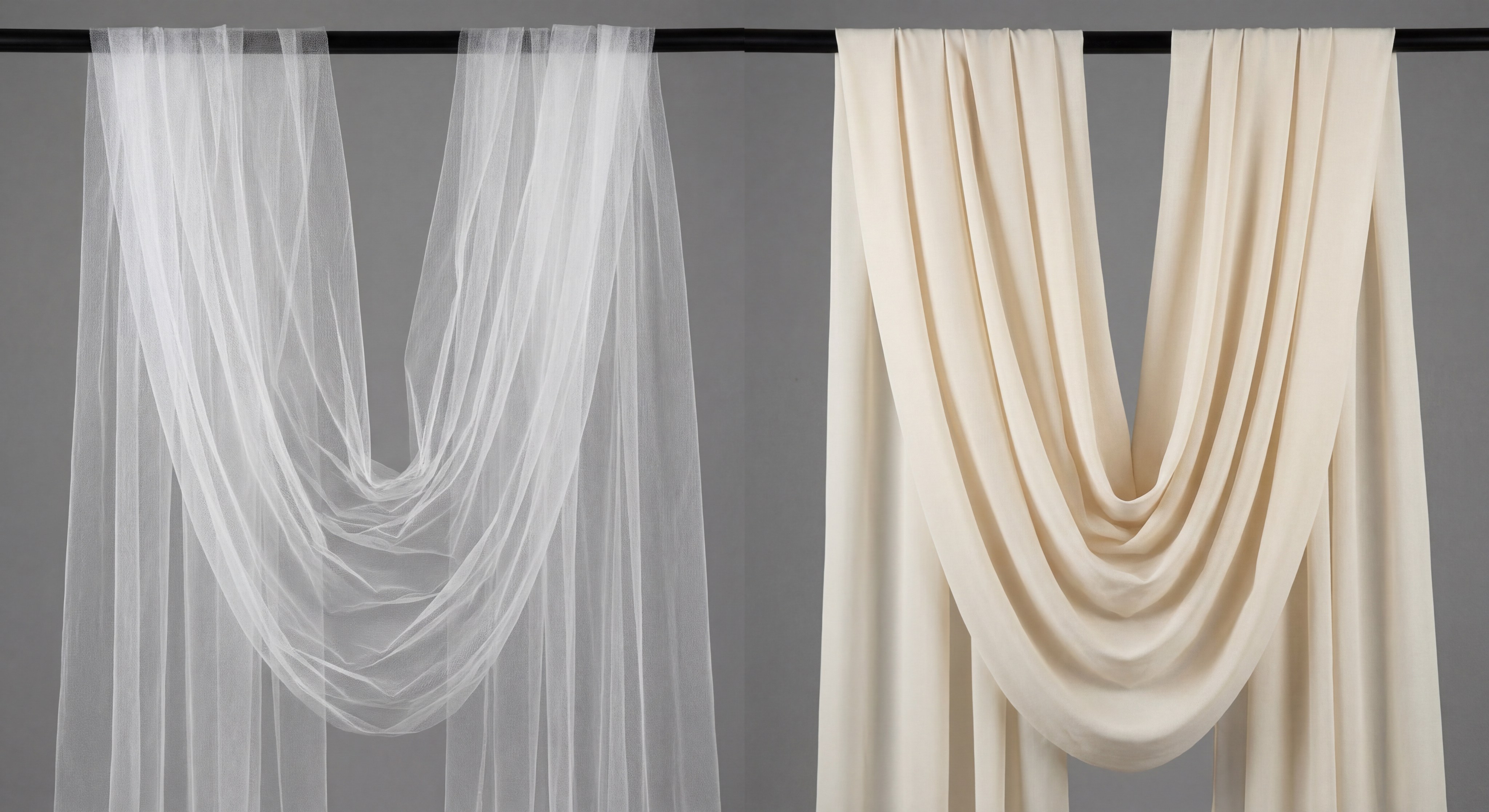
Transparency vs. Opacity
The most obvious difference is how much of your dress shows through.
- Tulle allows every detail of the gown to be seen.
- Chiffon can hide intricate beadwork or lace.
- Tulle is the preferred choice for “blusher” veils.
Flow and movement
Chiffon has a heavy, romantic swing that is ideal for beach weddings.
- The bottom line:
- Tulle floats; chiffon flows.
- Chiffon requires finished edges to prevent fraying.
- Tulle remains crisp even in high humidity.
Key Takeaway: Use tulle when you want to showcase your dress, and chiffon when you want the veil to be a solid part of your silhouette.
| Feature | Nylon Tulle | Chiffon | |
|---|---|---|---|
| Visibility | High | Low | |
| Weight | Very Light | Heavy | |
| Edge | Raw-cut possible | Must be hemmed |
Deciding how much of your dress you want to reveal is the primary factor in choosing between mesh and solid fabrics.
Which colors work best for bridal nylon tulle fabric?
The best colors for bridal nylon tulle fabric are light ivory and off-white, as these shades most accurately complement the majority of modern wedding gowns. Because tulle is so sheer, the color often appears lighter when worn than it does on the bolt.
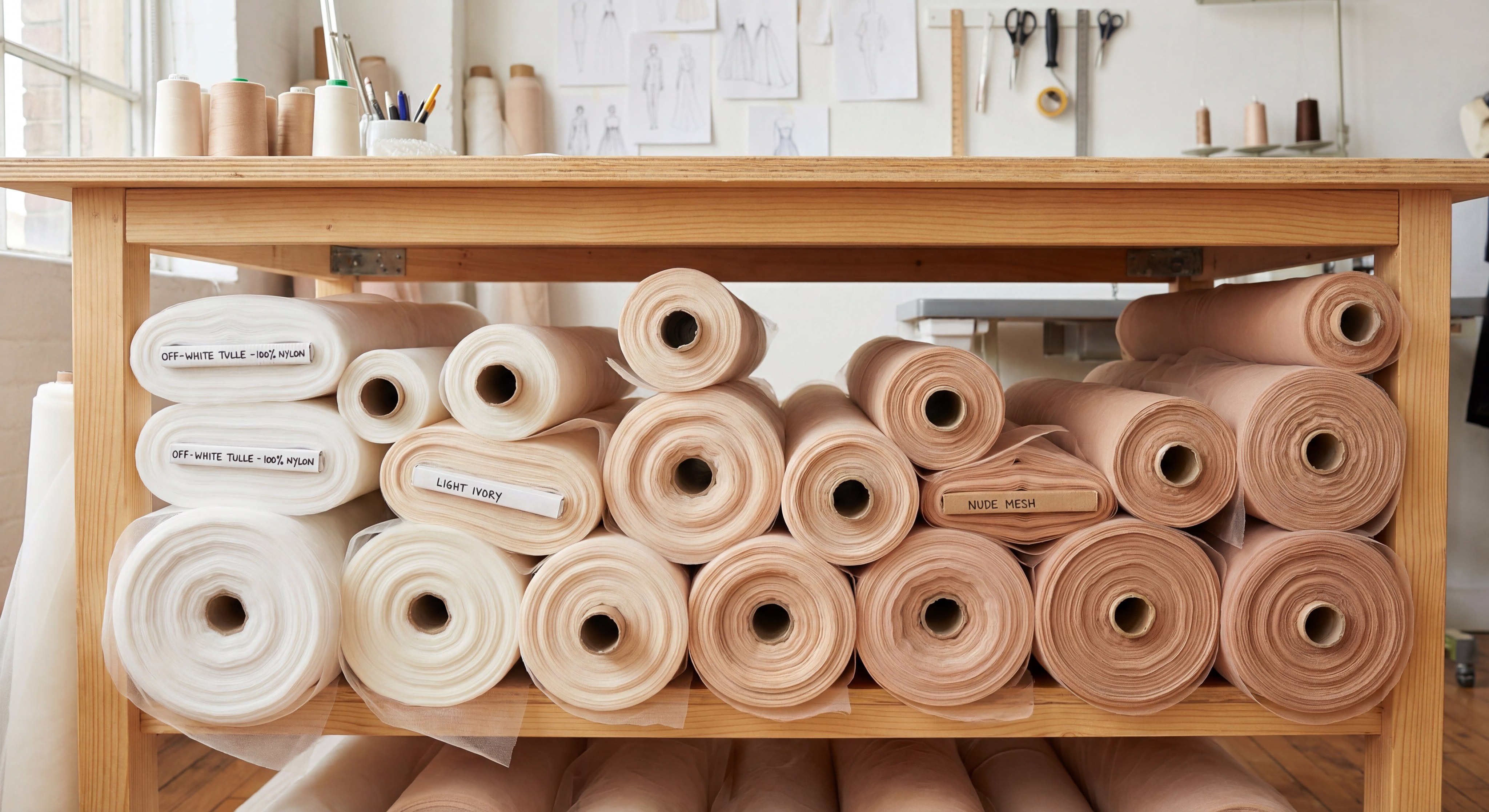
Matching ivory and white
Choosing the wrong white can make your dress look yellow or “dirty” in photos.
- “White” is a stark, bleached paper-white.
- “Light Ivory” is the industry standard for most gowns.
- “Off-White” bridges the gap for silk or diamond white dresses.
Exploring nude and blush tints
Modern brides are increasingly choosing “skin” tones for a disappearing effect.
- Keep this in mind:
- Nude mesh blends into your back for a seamless look.
- Blush adds a romantic, warm glow to your face.
- Always test swatches against your actual gown in natural light.
Key Takeaway: The sheer nature of the mesh means your veil should usually be one shade lighter than your dress to brighten the final look.
| Shade | Best Match For | |
|---|---|---|
| Stark White | Synthetic “True White” gowns | |
| Light Ivory | 90% of modern bridal gowns | |
| Nude/Beige | “Applique” or “Tattoo” lace styles |
Analyzing color under different lighting conditions is the only way to ensure a perfect match for your big day.
What are the standard widths for nylon tulle fabric?
Standard widths for nylon tulle fabric are 54 inches, 72 inches, and 108 inches, with the widest option being the most popular for full-length cathedral veils. The width of the fabric determines how much it will “wrap” around your shoulders and the overall volume of the train.
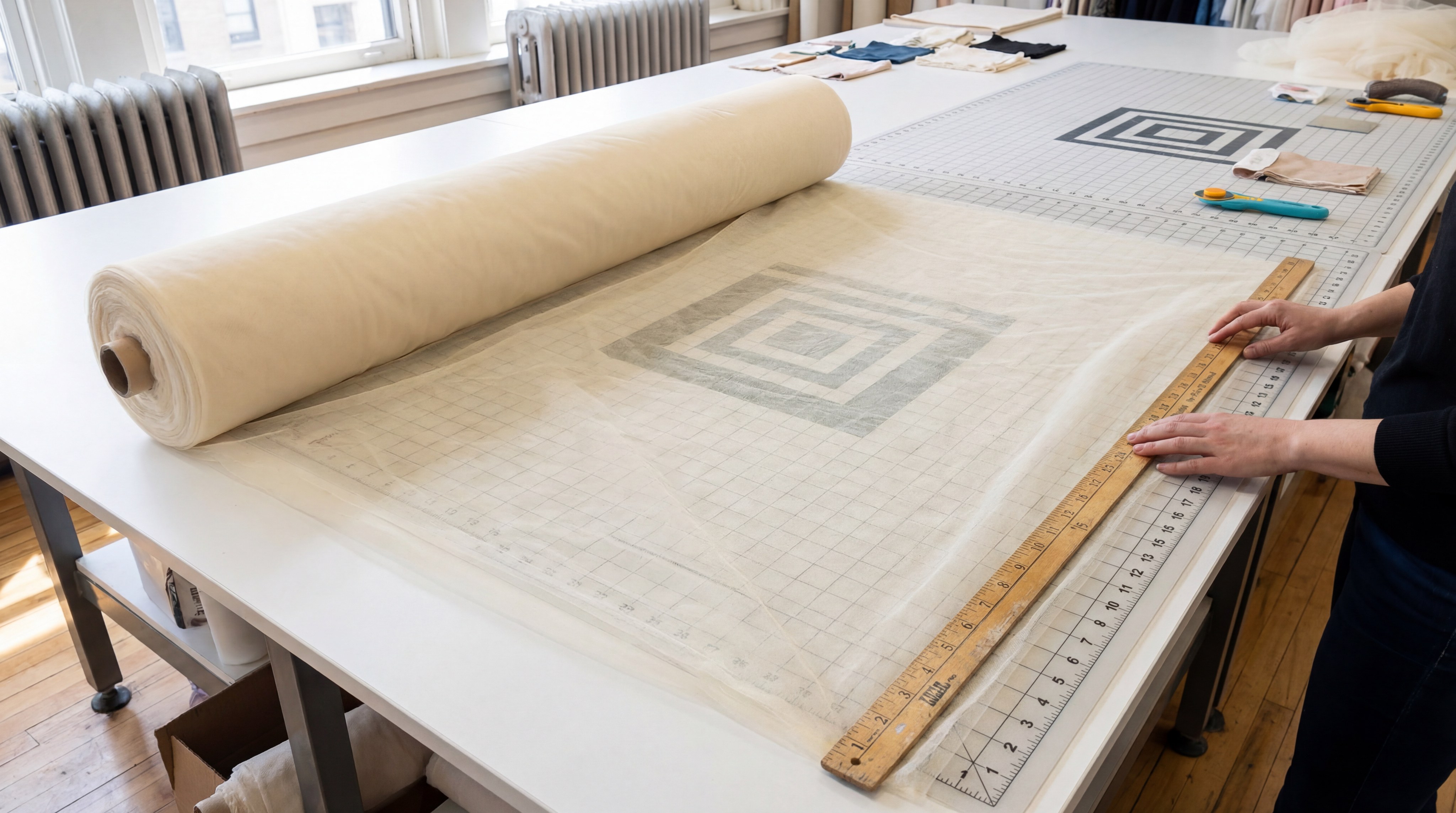
Selecting width based on length
Longer veils generally require wider fabric to maintain balanced proportions.
- 54-inch width is perfect for slim, sheer “pencil” veils.
- 72-inch width offers a classic, moderate volume.
- 108-inch width is essential for wide-skirted ballgowns.
Impact on design fullness
The amount of “gathering” at the comb is dictated by the fabric width.
- Want to know more?
- Wider fabric creates more “puff” at the head.
- Narrower fabric drapes straighter down the back.
- Wider bolts allow for circular “drop” veil designs.
Key Takeaway: Always match your veil width to the width of your gown’s train to ensure the accessory doesn’t look undersized.
| Fabric Width | Visual Effect | Gown Pairing | |
|---|---|---|---|
| 54 Inch | Minimalist/Sheer | Column/Sheath dresses | |
| 72 Inch | Classic/Romantic | A-line dresses | |
| 108 Inch | Grand/Full | Ballgowns |
Measuring the diameter of your dress’s train will help you select the width that provides the most harmonious coverage.
FAQ
Can I dye my own veil if it is made from nylon tulle fabric?While possible, it is difficult because synthetic fibers require specific acid dyes and very high temperatures that can damage the delicate hexagonal structure of the mesh. It is usually better to purchase the fabric in the correct color from the start.
What’s the best way to remove wrinkles from a bridal veil?Steaming is the safest and most effective method. Hanging the veil in a bathroom during a hot shower or using a professional handheld steamer will release creases without the risk of melting the synthetic fibers.
Can I mix different types of mesh in one design?Yes, many designers layer glimmer mesh over a matte base to add dimension and a subtle sparkle to the finished accessory. This creates a multi-tonal effect that photographs beautifully.
What’s the best length for a beach wedding veil?A fingertip or chapel length is usually best to prevent the fabric from catching on sand or shells. If you choose a longer length, ensure the fabric is a lightweight nylon to prevent it from becoming heavy if it gets damp.
Can I use standard sewing thread for nylon tulle fabric?It is best to use a fine polyester or nylon thread that matches the color of the mesh. Avoid heavy cotton threads, as they are too thick and may cause the delicate seams to pucker or tear.