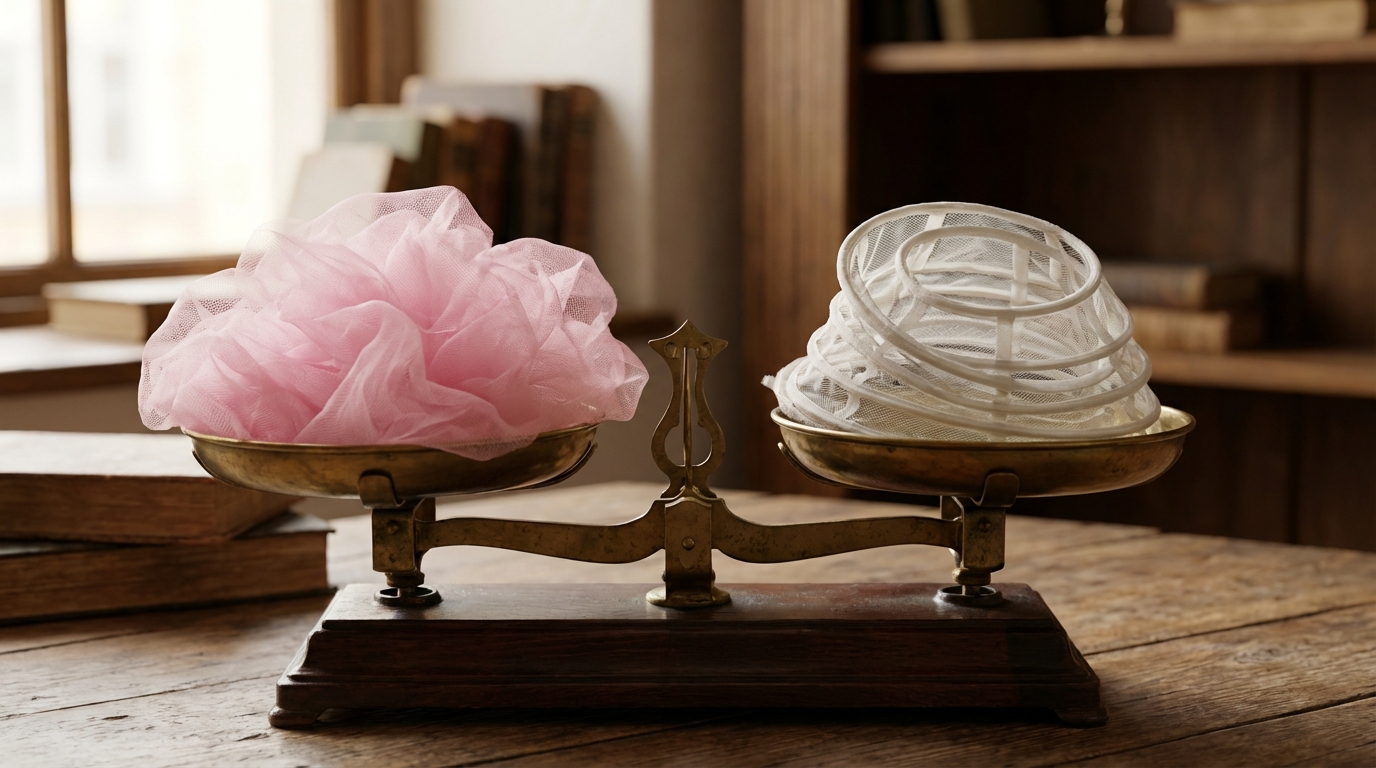
Crinoline is a stiffened, open-weave fabric designed specifically to provide structural volume and architectural support in high-performance garments. Finding your meticulously crafted gown falling flat the moment it hits the stage is a designer’s greatest frustration, as it drains the life and motion from professional choreography. This lack of structural resilience doesn’t just compromise the silhouette; it restricts the performer’s confidence and makes the entire ensemble appear amateur. The secret to professional-grade volume lies in mastering the technical differences between crinoline vs tulle to ensure every spin maintains its breathtaking impact.
What defines the main difference in crinoline vs tulle?

The primary distinction between these materials is the rigidity of the weave and the intended structural purpose within the garment. When comparing crinoline vs tulle , designers must recognize that one is a foundational support while the other is often an aesthetic finish.
How do material compositions vary?
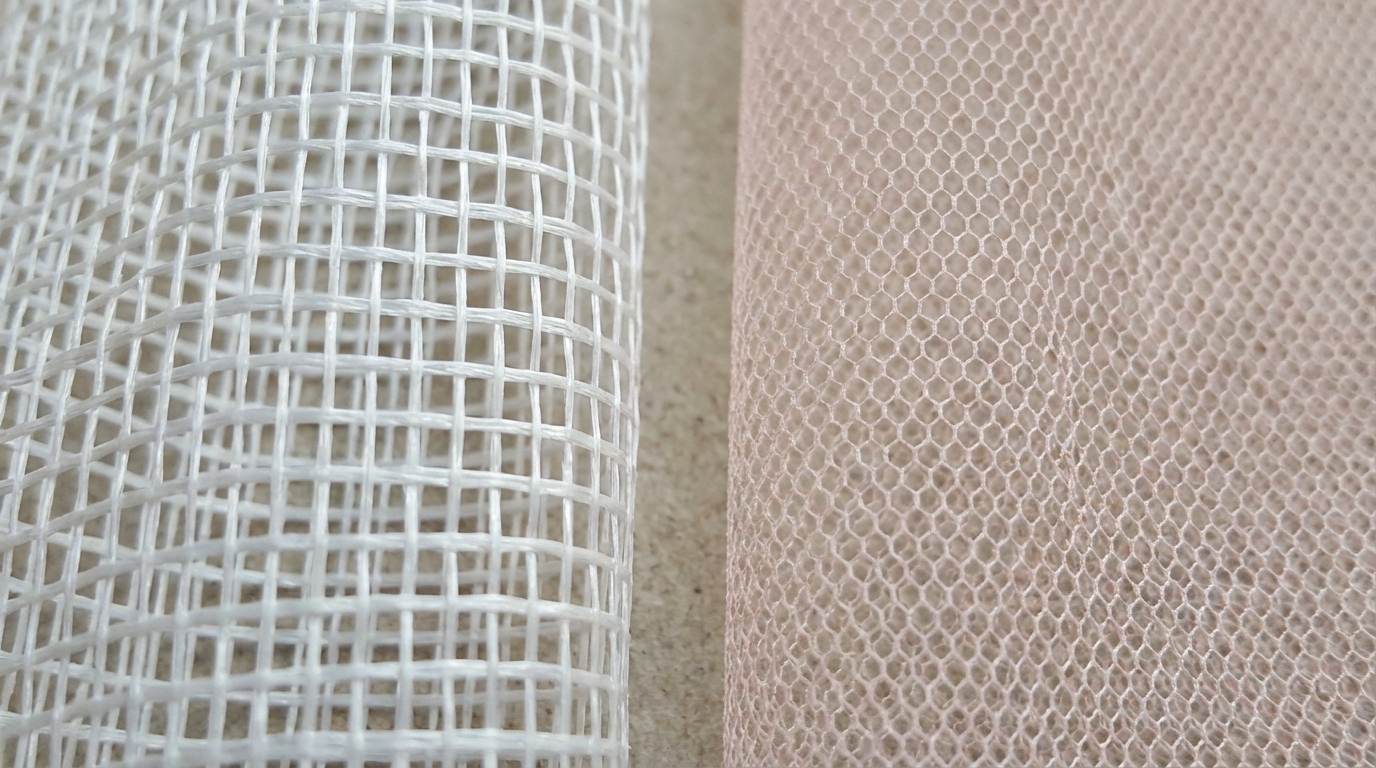
Crinoline is traditionally a dense grid of synthetic fibers like nylon or polyester, often treated to maintain a permanent stiffness. In contrast, tulle features a much finer, hexagonal mesh that prioritizes softness and drape over structural lift.
But that’s not all…
- Crinoline: High-density, rigid grid construction.
- Tulle: Fine, soft, open-mesh appearance.
- Durability: Crinoline is resistant to collapsing under weight.
What are the primary design functions?
Crinoline serves as the “bones” of the skirt, hidden away to provide the lift required for heavy satins and silks. Tulle is frequently the visible “skin” that creates an ethereal, blurred effect over the structural layers.
Key Takeaway: Crinoline provides the necessary foundation, whereas tulle offers the outer decorative volume.
| Feature | Crinoline | Tulle | |
|---|---|---|---|
| Rigidity | High | Low to Medium | |
| Layer Purpose | Foundation | Aesthetics | |
| Support Level | Excellent | Moderate |
This technical division of labor ensures the garment remains upright without sacrificing a soft, romantic appearance.
Which fabric creates more volume: crinoline vs tulle?
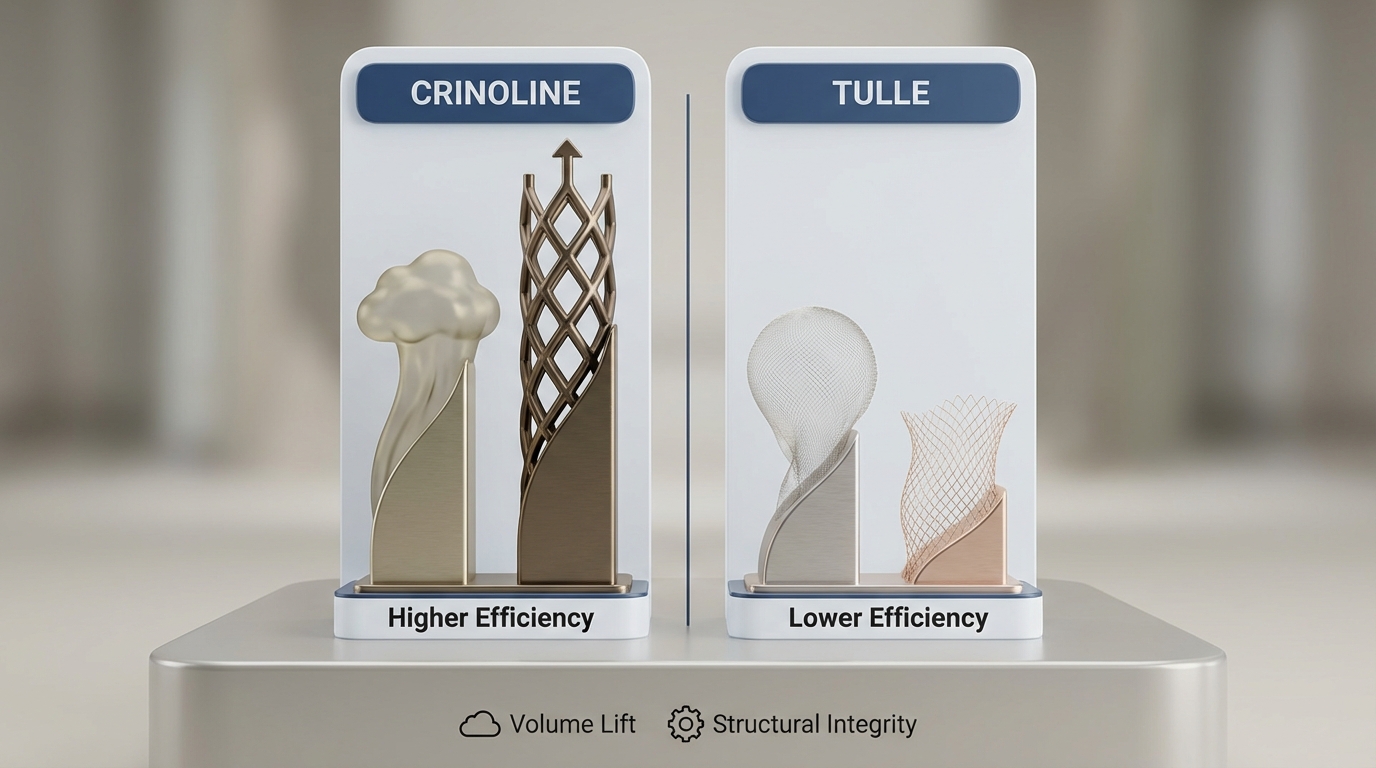
Crinoline offers architectural volume that holds a specific shape with minimal layering, making it more efficient for dramatic lift. In the debate of crinoline vs tulle, the choice hinges on whether you need a crisp, bell-shaped silhouette or a cloud-like fullness.
Is lift capability and resilience different?
Crinoline possesses a unique “shape memory” that allows it to bounce back immediately after compression. This makes it the superior choice for performers who need their skirts to expand instantly after a seated position or a tight spin.
Here is the deal:
- Spring-back: Crinoline remains active during movement.
- Compression: Tulle tends to flatten and require “fluffing.”
- Efficiency: One crinoline layer equals multiple tulle layers.
How does silhouette retention work?
While tulle provides volume through mass—stacking dozens of layers to achieve height—crinoline achieves the same result through tension. This ensures the skirt doesn’t collapse between the performer’s legs during high-speed movements.
Key Takeaway: For structural shapes and high-efficiency lift, crinoline is the undisputed leader over tulle.
| Volume Aspect | Crinoline | Tulle | |
|---|---|---|---|
| Layers Needed | Minimal | Extensive | |
| Shape Memory | Strong | Weak | |
| Efficiency | High | Low |
Architectural silhouettes require the mechanical strength of crinoline to resist the downward pull of gravity and heavy fabrics.
How does the weight vary between crinoline vs tulle?
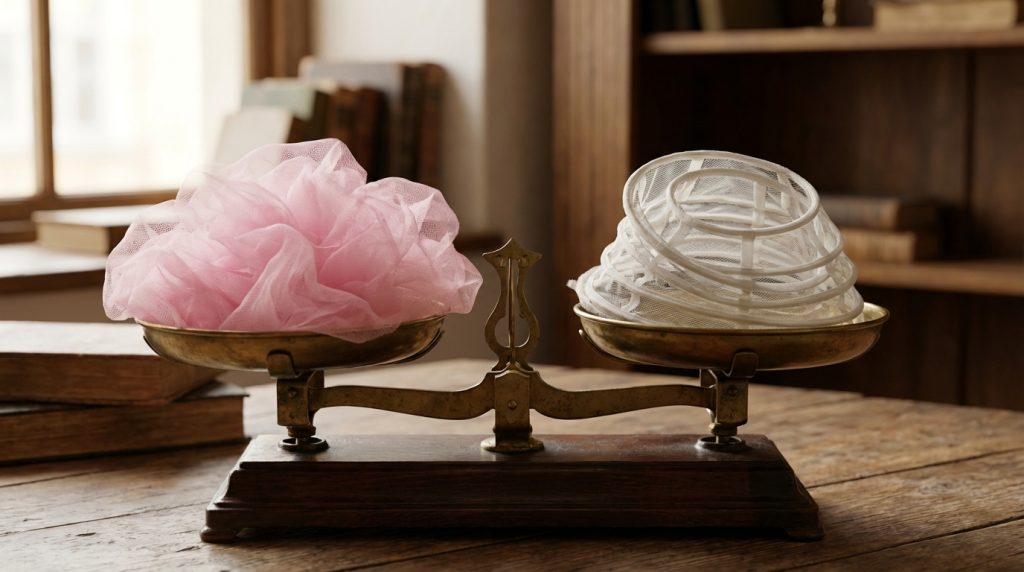
Crinoline is surprisingly lightweight due to its open-grid structure, offering a superior volume-to-weight ratio. Evaluating crinoline vs tulle weight is essential for ballroom dancers and stage performers who must manage fatigue during long routines.
What about density and airflow?
The large holes in crinoline allow for maximum air circulation, keeping the wearer cool under stage lights. Conversely, the dense layering required for tulle volume can trap heat, creating an insulating effect that increases body temperature.
Think about it:
- Breathability: Crinoline grid allows for high ventilation.
- Heat Trap: Multiple tulle layers act as an insulator.
- Moisture: Synthetic crinoline does not absorb sweat.
Does weight impact performer fatigue?
A skirt built entirely of tulle to achieve a five-inch lift will be significantly heavier than one utilizing a single layer of crinoline. This reduction in physical weight allows for faster leg movements and more effortless pivots on the dance floor.
Key Takeaway: Crinoline provides high-impact volume without the heavy physical burden associated with excessive tulle layering.
| Weight Factor | Crinoline | Tulle | |
|---|---|---|---|
| Airflow | High | Moderate | |
| Total Weight | Very Light | Light to Heavy | |
| Heat Retention | Low | High |
Choosing crinoline allows for a dramatic stage presence while maintaining the agility necessary for professional choreography.
Is it easier to sew with crinoline vs tulle?
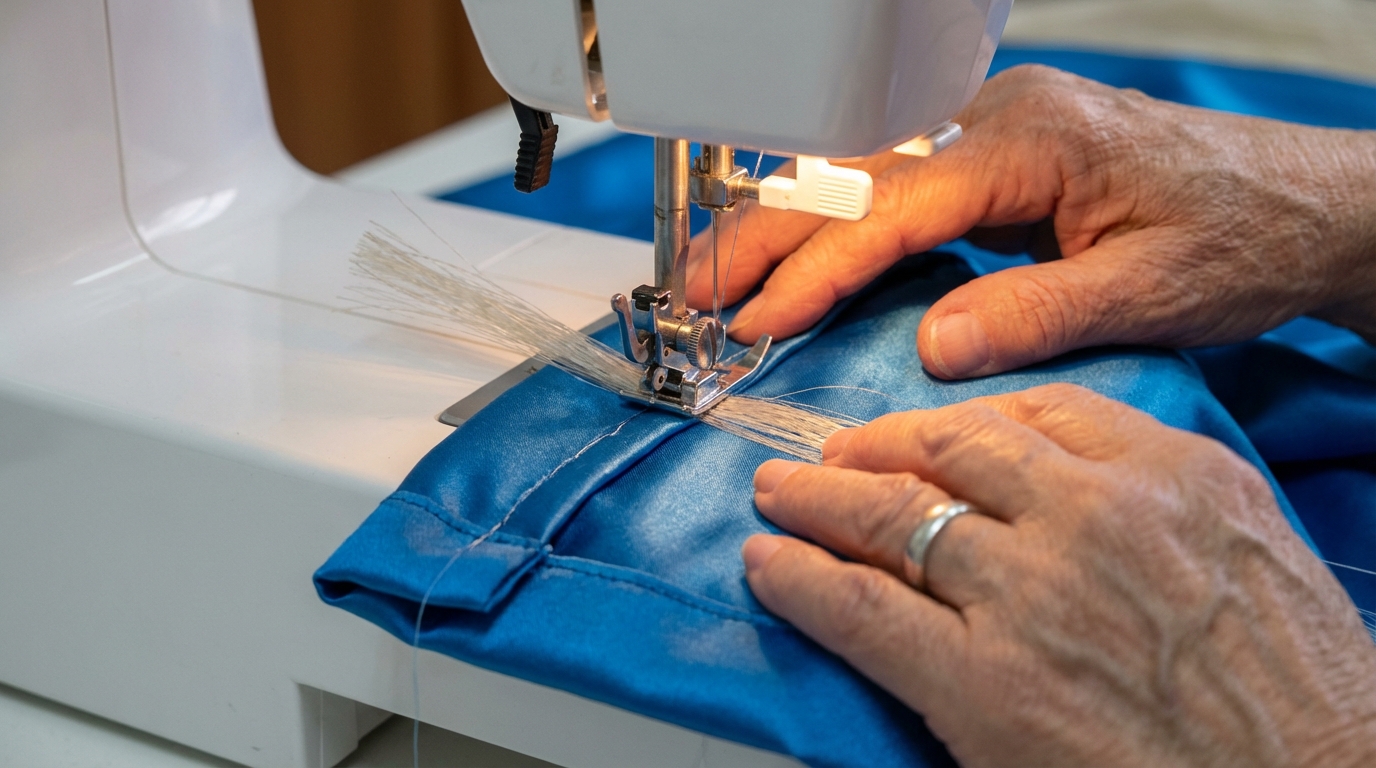
Sewing crinoline is generally more predictable because its stiff nature prevents it from “creeping” or sliding under the presser foot. When comparing the handling of crinoline vs tulle, designers often find that the former stays where it is placed, though it demands more careful edge finishing.
What are the best edge finishing techniques?
Crinoline edges can be sharp and abrasive, meaning they almost always require a bias binding or a specialized “horsehair” braid finish. Tulle, however, can often be left with a raw edge, as it does not fray and is much softer against the skin.
But wait, there’s more:
- Handling: Crinoline is stiff and obedient.
- Needle Use: Use a universal needle; crinoline may dull it faster.
- Stitches: A longer stitch length prevents perforation tearing.
Can you use standard machine settings?
Tulle requires fine tension adjustments to avoid puckering the delicate mesh. Crinoline is far more forgiving of standard tension settings but requires a steady hand to guide the rigid material through curved seams.
Key Takeaway: Crinoline is easier to control during the sewing process but requires more extensive labor for edge finishing.
| Sewing Factor | Crinoline | Tulle | |
|---|---|---|---|
| Ease of Control | High | Low | |
| Edge Finishing | Essential | Optional | |
| Durability | High | Low |
The predictability of crinoline makes it a favorite for production-line couture where consistency in shape is paramount.
Which offers better structural support: crinoline vs tulle?
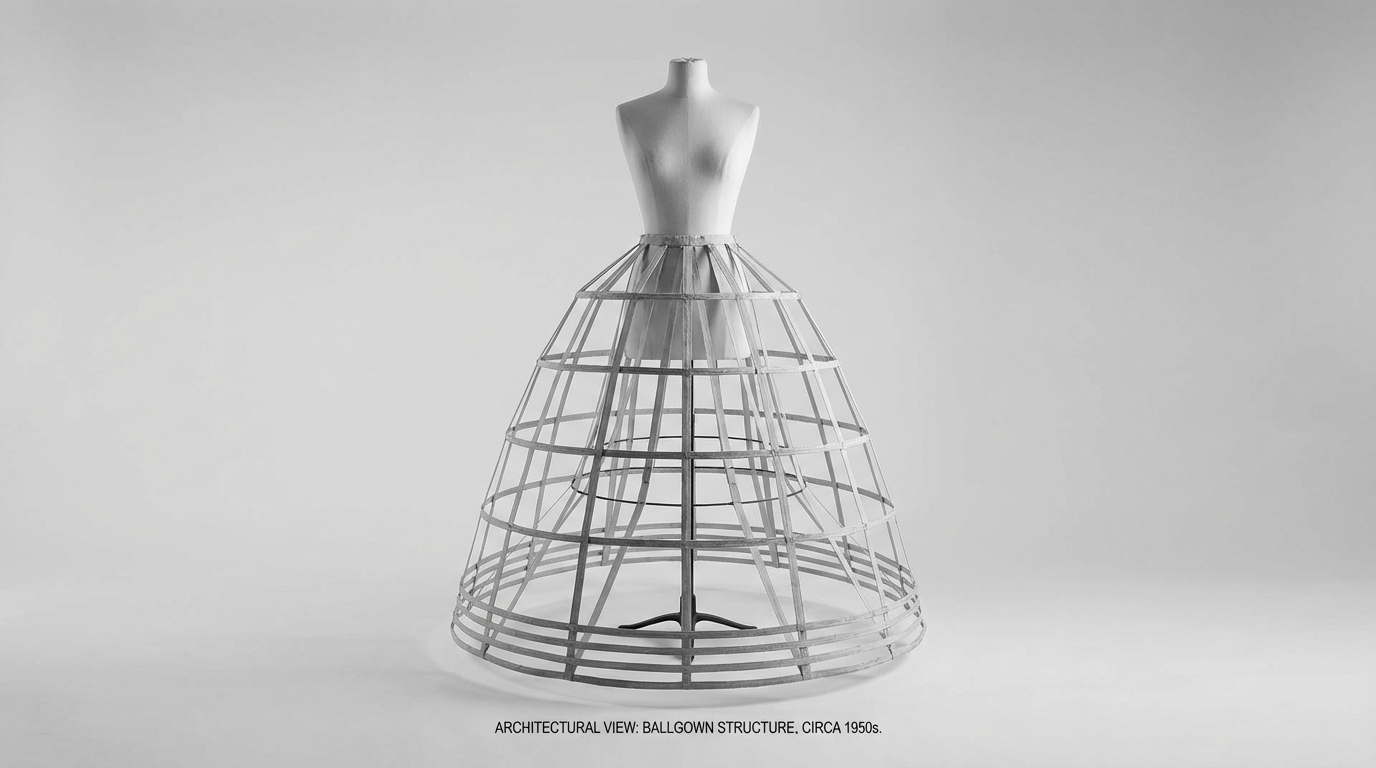
Crinoline acts as a soft “cage” for the skirt, providing the necessary integrity to support heavy overlays like velvet or brocade. In the structural analysis of crinoline vs tulle , tulle is better categorized as a filler rather than a foundation.
How does shape memory affect longevity?
Crinoline resists permanent bending, meaning the garment will not dent or lose its silhouette if brushed against or stored. Tulle drapes over the body and, over time, can lose its “fluff,” requiring steam or manual manipulation to restore its original look.
The result?
- Structural Integrity: Crinoline holds architectural shapes.
- Support: Ideal for heavy bridal and ballroom satins.
- Longevity: Retains “spring” for years of performance use.
Is it suitable for heavy fabrics?
While tulle is perfect for supporting lightweight chiffons and organzas, it will quickly collapse under the weight of a traditional ballgown. Crinoline provides the mechanical lift needed to keep a voluminous skirt standing away from the body.
Key Takeaway: For heavy fabric support and permanent silhouette control, crinoline is the essential structural choice.
| Structural Need | Crinoline | Tulle | |
|---|---|---|---|
| Heavy Support | Yes | No | |
| Shape Memory | Strong | Weak | |
| Impact Resistance | High | Low |
By using crinoline as the foundation, designers can create gowns that maintain their regal stance throughout an entire evening of wear.
Why use horsehair braid for crinoline vs tulle hems?
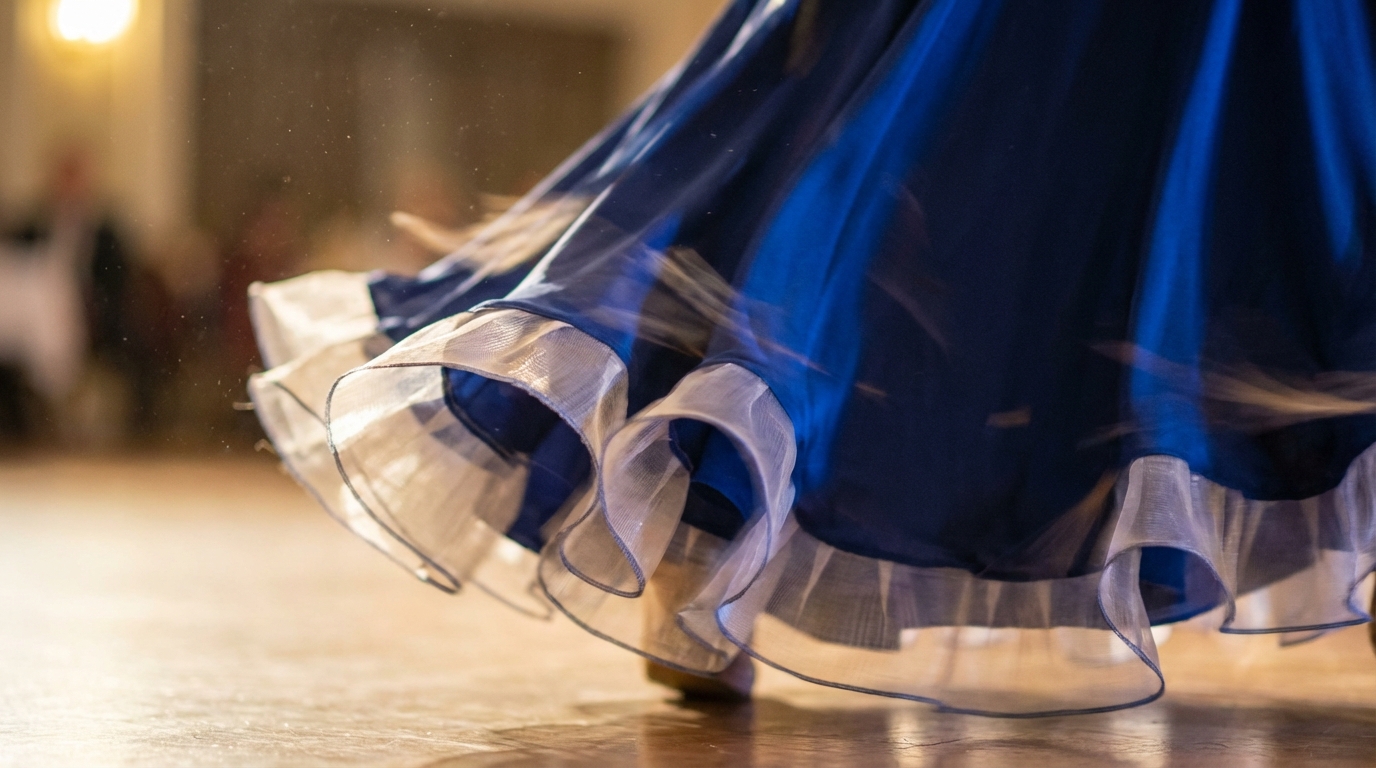
Horsehair braid, a narrow form of crinoline trim, is used at the hem to create a fluted, bouncy effect that adds life to every step. Choosing between a crinoline vs tulle hem finish changes the way the skirt reacts to the centrifugal force of a spin.
Does hem rigidity impact bounce?
The “swoosh” factor of a ballroom skirt is entirely dependent on the weight and spring of the hem. Crinoline trims provide a weightless “flip” that keeps the edge of the skirt crisp and prevents it from tangling between the dancer’s legs.
In simple terms:
- Bounce: Crinoline braid creates a high-rebound edge.
- Definition: Hemlines appear sharp and intentional.
- Stability: Prevents the “clinging” associated with soft tulle.
What is the visual stage impact?
Tulle hems provide a misty, blurred edge that is beautiful for romantic looks but lacks the high-definition impact of a crinoline-finished hem. On stage, the crinoline edge catches the light and emphasizes the movement of the lower skirt.
Key Takeaway: Crinoline trims are used for dramatic, bouncy hem effects, while tulle is reserved for soft, ethereal edges.
| Hem Quality | Crinoline Braid | Tulle Layering | |
|---|---|---|---|
| Bounce | High | Low | |
| Definition | Crisp | Blurred | |
| Flow | Bouncy | Floating |
The addition of horsehair crinoline to a hem is the quickest way to transform a static skirt into a dynamic performance piece.
What are the cost implications for crinoline vs tulle?
While crinoline often carries a higher price per yard, its high efficiency means you need significantly less material to achieve the desired volume. Budgeting for crinoline vs tulle requires looking at the total project cost rather than the unit price of the fabric.
How do longevity and value compare?
Crinoline is more durable and less prone to snagging or tearing than fine tulle. This longevity means that a crinoline foundation will last through many more performances, offering better long-term value for professional couture.
The best part?
- Quantity: One yard of crinoline can replace five yards of tulle.
- Labor: Sewing one layer is faster than gathering ten.
- Waste: The rigid structure allows for more accurate cutting.
Are quantity requirements different?
To get a full ballroom lift using only tulle, you may need 50 to 100 yards of material. Using a crinoline base allows you to achieve the same silhouette with a fraction of the yardage, reducing the time spent on gathering and attaching layers.
Key Takeaway: Crinoline represents a higher upfront investment but results in lower total material and labor costs.
| Cost Element | Crinoline | Tulle | |
|---|---|---|---|
| Price per Yard | Higher | Lower | |
| Total Yardage | Low | Very High | |
| Labor Time | Reduced | Extensive |
Smart designers prioritize crinoline for the core volume to maximize their budget and production efficiency.
Which fabric is more breathable: crinoline vs tulle?
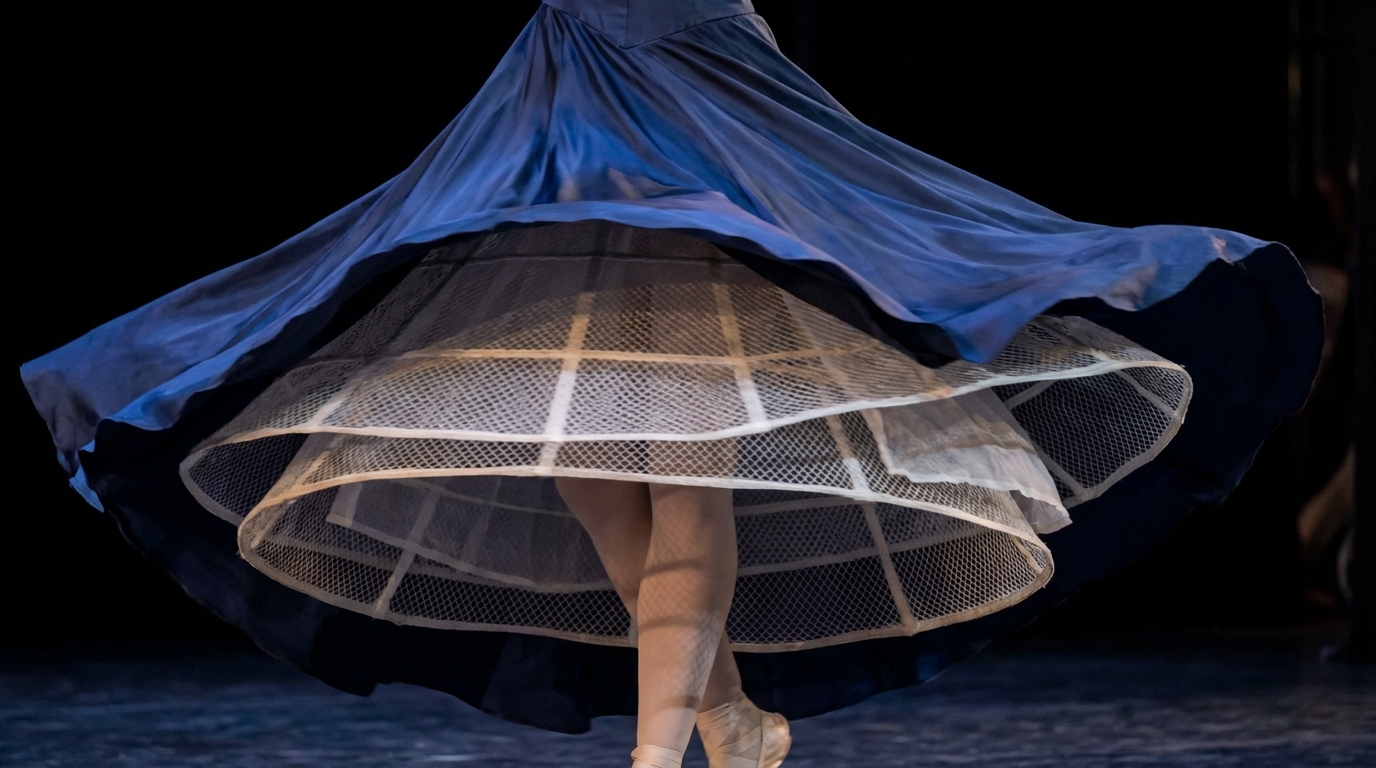
Crinoline is the champion of breathability due to its wide, open-grid weave that allows heat to escape the body instantly. For high-intensity performance wear, the choice between crinoline vs tulle often comes down to the thermal comfort of the dancer.
How does ventilation affect performance?
Performance under hot stage lights can lead to rapid exhaustion if the garment does not breathe. The grid structure of crinoline acts as a natural cooling vent, whereas the dense mesh of multiple tulle layers acts as a thermal blanket.
Now consider this:
- Cooling: Crinoline promotes air movement.
- Isolation: Tulle traps heat near the skin.
- Weight: Lightweight crinoline doesn’t sag when damp.
Are there skin irritation concerns?
Because crinoline is intentionally stiff, it can be scratchy if it comes into direct contact with the skin. It is essential to use a soft satin or silk lining between the crinoline and the body to ensure the performer remains comfortable.
Key Takeaway: Crinoline is superior for airflow and cooling but requires a protective lining to prevent skin irritation.
| Comfort Factor | Crinoline | Tulle | |
|---|---|---|---|
| Air Circulation | Excellent | Fair | |
| Heat Retention | Low | High | |
| Texture | Rough | Soft |
Prioritizing ventilation through crinoline ensures that performers can focus on their movement rather than their temperature.
How should one layer a skirt with crinoline vs tulle?
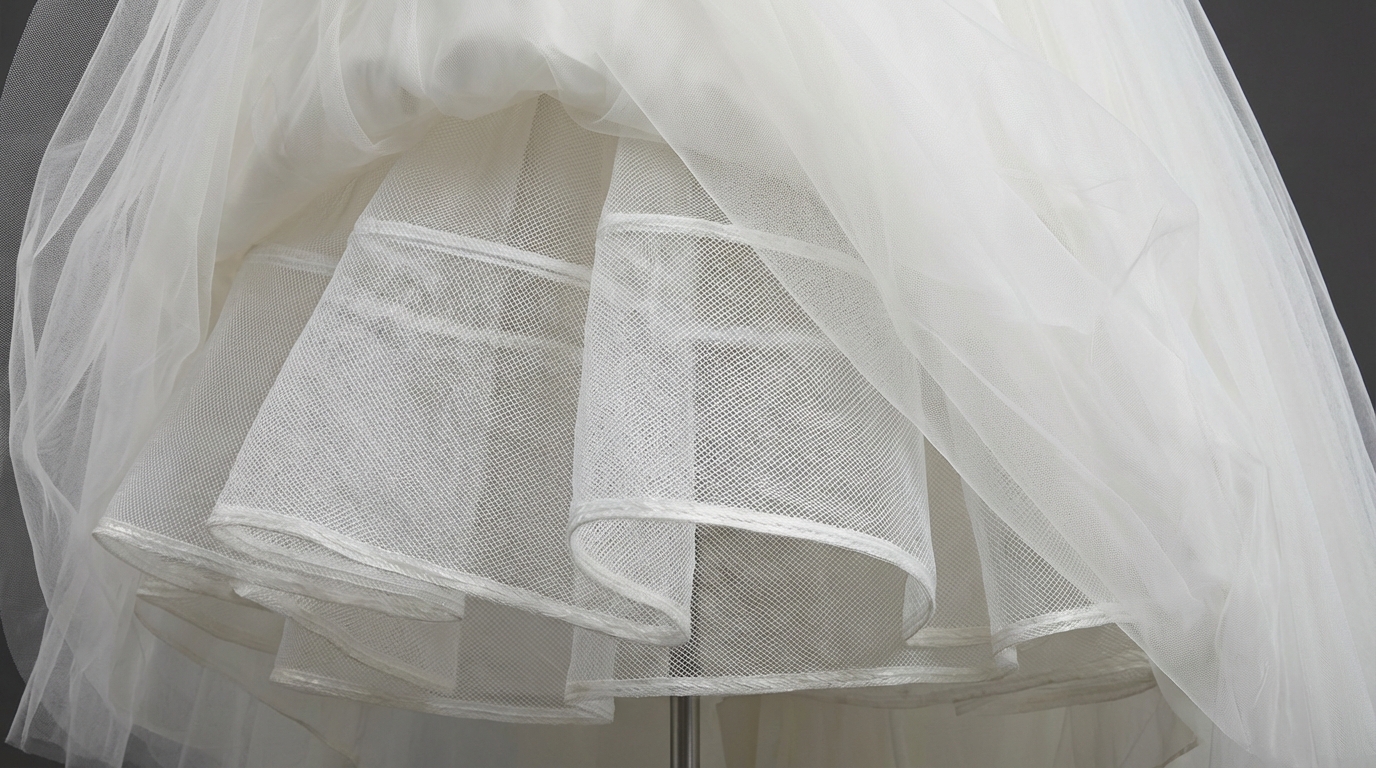
Professional layering uses a “sandwich” method where a central crinoline core is hidden by a lining and smoothed by an exterior layer of tulle. Mastering the layering of crinoline vs tulle is what separates commercial garments from high-end couture.
What is the under-skirt strategy?
The base layer must always be a smooth lining for wearer comfort. The middle layer consists of graduated lengths of crinoline to create a “stepped” volume that pushes the outer fabric away from the legs in a clean, bell-like curve.
It gets better:
- Inner Layer: Soft lining for skin protection.
- Structural Core: Crinoline for the primary lift.
- Outer Layer: Tulle for visual softening and color.
How to use over-layering for aesthetics?
Placing two or three layers of soft tulle over the crinoline hides the distinctive grid pattern and diffuses the light. This creates a professional, high-end finish that looks soft and expensive while maintaining its architectural integrity.
Key Takeaway: Crinoline provides the hidden skeleton, while tulle provides the visible “soft focus” finish.
| Layer Position | Material | Primary Role | |
|---|---|---|---|
| Interior | Silk/Satin | Comfort | |
| Central | Crinoline | Structural Lift | |
| Exterior | Tulle | Visual Smoothing |
This multi-fabric approach ensures that the garment is as beautiful to look at as it is functional to wear.
When is soft boning needed for crinoline vs tulle?
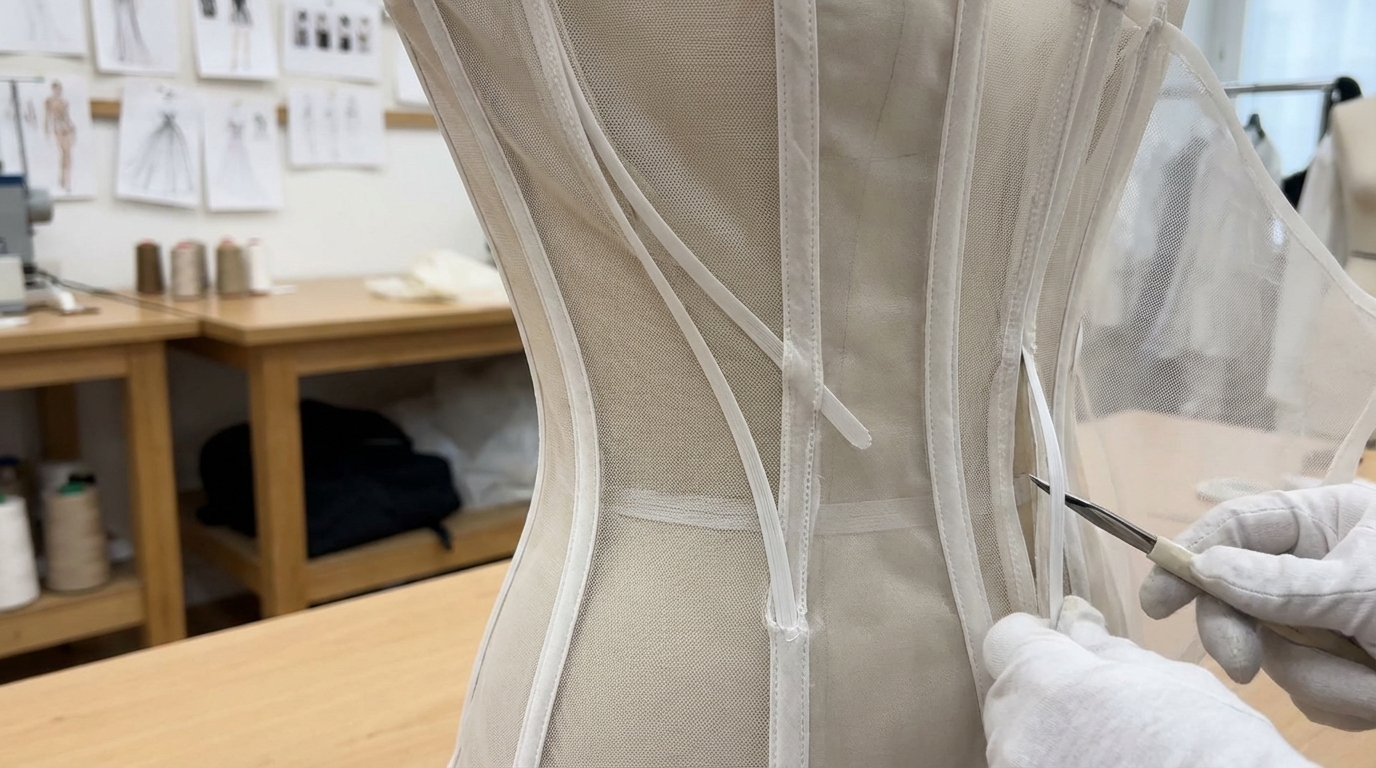
Soft boning—constructed from narrow strips of crinoline—is required when a bodice or waistline needs structure without the rigidity of steel or plastic. In the comparison of crinoline vs tulle for bodices, tulle offers no structural support, while crinoline boning is indispensable.
How does it provide bodice support?
Soft crinoline boning provides a “cinched” look that remains flexible enough for a dancer to breathe and bend. It prevents the fabric of the bodice from wrinkling or collapsing during movement, maintaining a clean line across the torso.
Think about the possibilities:
- Flexibility: Moves with the body’s natural curves.
- Support: Keeps seams vertical and crisp.
- Invisibility: Can be sewn directly into seam allowances.
Can it be used in flexible forms?
In tiered skirts or ruffles, narrow crinoline can be used to support the “steps,” ensuring each tier stands out horizontally. This creates a much more defined look than tulle ruffles, which tend to hang vertically unless heavily gathered.
Key Takeaway: Crinoline is a functional tool for bodice and waist stability that tulle simply cannot replicate.
| Application | Crinoline (Boning) | Tulle | |
|---|---|---|---|
| Bodice Seams | Yes | No | |
| Waist Stability | Excellent | None | |
| Movement | High | High |
Utilizing crinoline for internal support allows for complex garment designs that remain stable and professional through every performance.
Key Takeaways
- Crinoline is the structural engine, providing the “swoosh,” lift, and breathability needed for performance.
- Tulle is the aesthetic finish, offering the soft, ethereal volume and visual blur that defines romantic couture.
- The Combination is the industry standard: use crinoline for the foundation and tulle for the exterior.
- Weight Efficiency favors crinoline, as it achieves massive volume with far less physical mass than stacked tulle.
Frequently Asked Questions
Can I wash crinoline and tulle in a machine?It is not recommended. Machine washing can cause crinoline to lose its chemical stiffening agents and can snag or tear delicate tulle mesh.
What’s the best way to restore volume to a flat crinoline skirt?Use professional steam. Hanging the garment and applying steam to the crinoline layers will “open up” the fibers and restore their original spring.
Can I use crinoline as an outer layer?Rarely, but possible. Because crinoline is rough and has an open weave, it is traditionally kept as an internal structural layer or a hem trim.
What’s the best width for crinoline braid on a ballroom hem?Standard widths are 2-inch to 3-inch. For extreme volume and dramatic fluting, a 6-inch braid is often utilized for maximum stage impact.
Can I dye crinoline and tulle to match my fabric?Yes, if they are nylon-based. Nylon accepts standard acid dyes well, whereas polyester versions require high-heat dispersed dyes which can damage the fabric’s stiffness.
Solve Your Volume Problems Today
Whether you are designing for the ballroom floor or the bridal aisle, choosing the right foundation is the difference between a garment that stands out and one that falls flat. Our collection of high-performance fabrics is designed to give your couture the architectural integrity it deserves. Our vision is to empower every designer with the materials that bring movement to life. If you need assistance selecting the perfect support for your next masterpiece, contact us today for expert guidance.