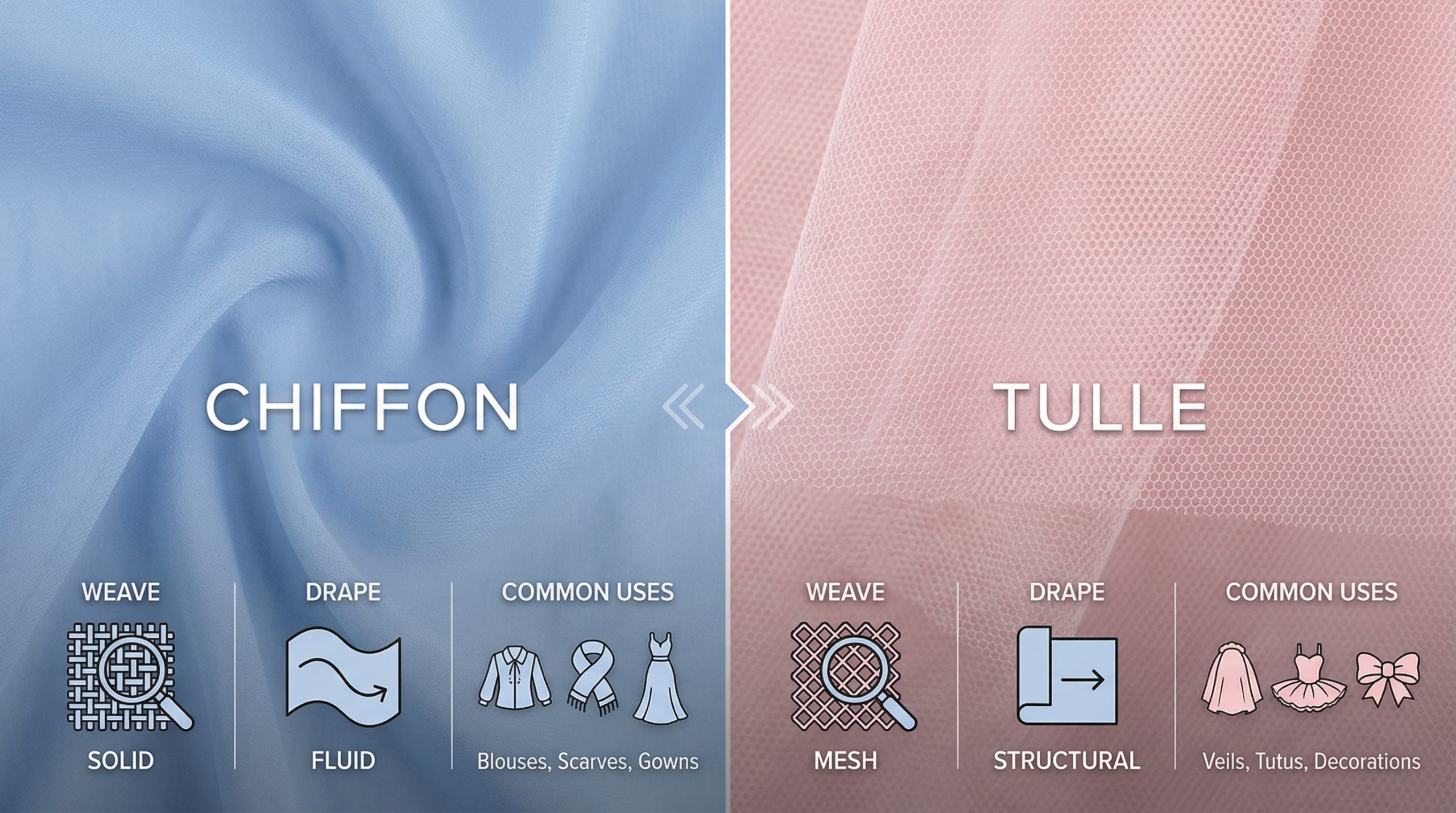
We love chiffon bridesmaid dresses because they offer a sophisticated drape, exceptional durability, and a timeless elegance that outshines the structural volume of tulle. Choosing the right material for your bridal party often feels like a high-stakes puzzle that could make or break your wedding aesthetic. If you select a fabric that snags on every chair or feels scratchy against the skin, your bridesmaids may spend the reception in discomfort rather than celebrating. The perfect solution lies in understanding the technical and aesthetic nuances of chiffon vs tulle fabric to ensure your vision comes to life flawlessly.
What is the difference between chiffon vs tulle fabric?
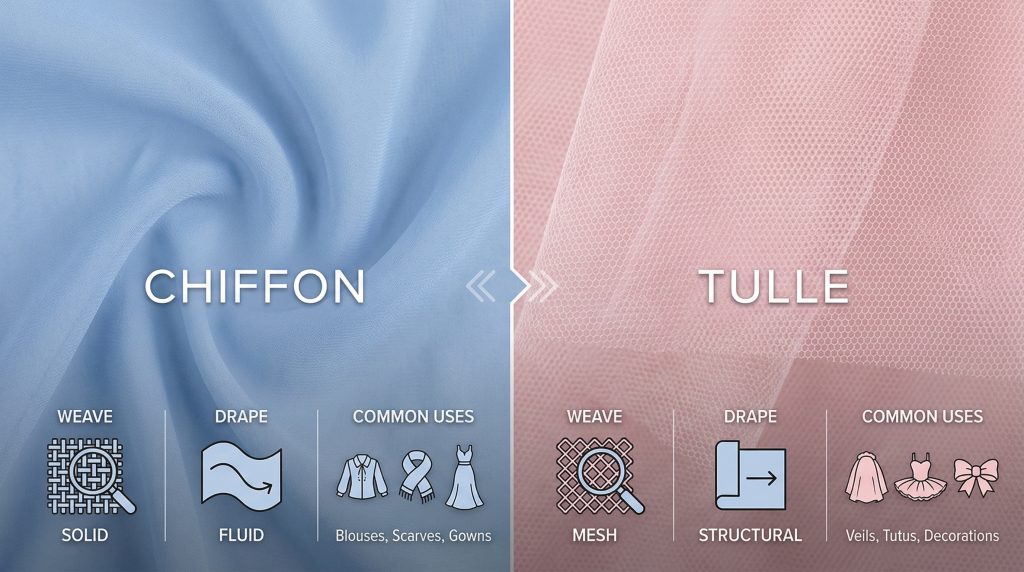
The primary difference between chiffon vs tulle fabric is that chiffon is a soft, plain-woven textile while tulle is a structured, open-cell mesh. Chiffon provides a fluid, liquid-like drape that follows the body’s movements with grace. In contrast, tulle is designed to stand away from the body to create architectural volume and a “fairytale” silhouette.
What makes chiffon unique for wedding attire?
Here is the deal: chiffon is prized for its matte finish and slightly rough texture, which allows it to catch light softly without being shiny. It is woven with highly twisted yarns that give it a signature “crepe” feel and a high degree of transparency.
- It offers a sophisticated, understated elegance.
- It drapes beautifully on almost every body type.
- It remains breathable for summer ceremonies.
How does tulle provide its signature volume?
But that is not all. Tulle is a fine netting that relies on its hexagonal or diamond-shaped structure to hold its shape regardless of the wearer’s movement. It is the go-to choice for ballgowns and tutus because it naturally resists collapsing under its own weight.
Key Takeaway: Chiffon is designed for fluid motion and elegance, while tulle is engineered for structural volume and drama.
| Feature | Chiffon | Tulle | |
|---|---|---|---|
| Weave Type | Solid Plain Weave | Open Mesh Net | |
| Movement | Fluid and Draping | Static and Structured | |
| Transparency | Semi-Opaque | Highly Sheer |
The fundamental choice between these materials depends on whether you prioritize the “flow” of a garment or the “form” of a silhouette.
Which fabric is more comfortable for your bridesmaids?
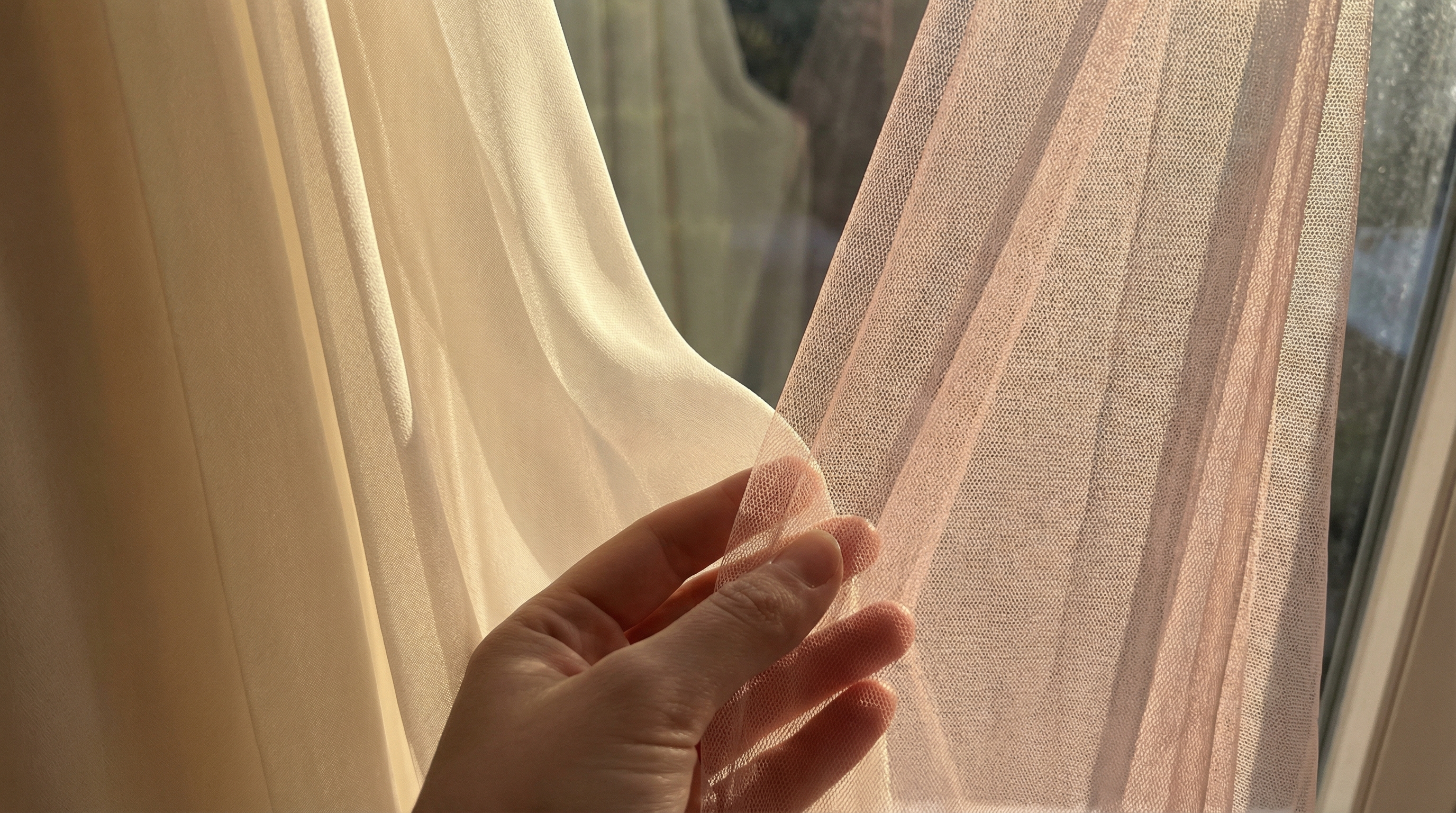
When considering comfort, the choice between chiffon vs tulle fabric usually favors the smooth, non-irritating surface of a woven textile. Chiffon feels soft against the skin and does not have the stiff edges often associated with basic netting. Your bridesmaids will appreciate a fabric that doesn’t cause chafing during a long day of photos and dancing.
Does chiffon feel softer against the skin?
Truth be told: chiffon is generally regarded as the superior choice for skin-to-fabric contact because of its flat weave. Unlike some nets that can feel prickly, chiffon glides over the body effortlessly.
- It minimizes skin irritation in sensitive areas.
- It provides a cool touch during outdoor events.
- It doesn’t require heavy linings to prevent itching.
Can soft tulle compete with chiffon’s texture?
You might be wondering: modern innovations have led to the creation of premium soft mesh varieties that rival the silkiness of chiffon. These high-end tulles are specifically treated to remove the scratchiness found in craft-grade materials.
Key Takeaway: While chiffon is naturally smooth, choosing a high-quality soft mesh can provide a comfortable alternative with added volume.
| Tactile Factor | Chiffon | Standard Tulle | Soft Tulle | |
|---|---|---|---|---|
| Skin Feel | Silky/Smooth | Scratchy/Stiff | Silky/Soft | |
| Weight | Medium-Light | Ultra-Light | Ultra-Light | |
| Irritation Risk | Low | High | Low |
While chiffon is inherently smooth, the development of premium soft mesh has narrowed the comfort gap in the debate of chiffon vs tulle fabric.
How do you style these fabrics for different themes?
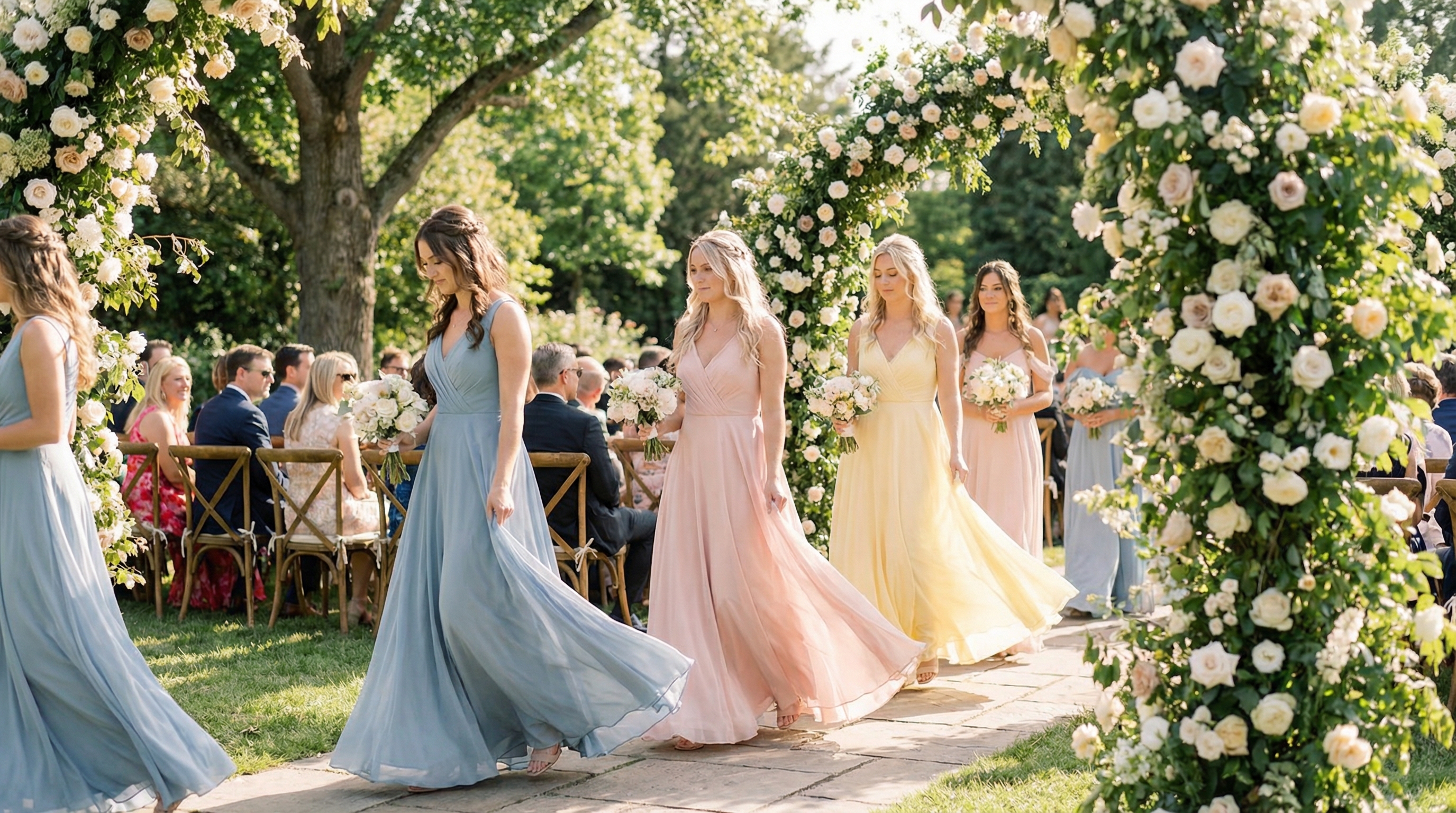
Styling chiffon vs tulle fabric depends heavily on whether your wedding theme leans toward modern minimalism or whimsical romance. Chiffon is the ultimate choice for Grecian-style gowns and sophisticated garden parties where movement is key. Tulle, however, dominates the ballroom with its ability to create expansive, cloud-like skirts.
Is chiffon the best choice for a garden wedding?
Believe it or not: chiffon’s ability to catch the breeze makes it a dream for outdoor photography in natural settings. It looks effortlessly chic against a backdrop of greenery and doesn’t look out of place in a more relaxed, “boho” atmosphere.
- It creates a slim, lengthening silhouette.
- It pairs perfectly with floral crowns and natural hair.
- It works well for both formal and semi-formal codes.
When should you use tulle for a romantic look?
Here is the secret: tulle is essential if you want to achieve a “princess” aesthetic that feels timeless and grand. Its sheer layers can be stacked to create depth and dimension that a single layer of chiffon simply cannot match.
Key Takeaway: Chiffon excels in organic, breezy settings while tulle is the master of high-drama, formal romanticism.
| Theme | Ideal Fabric | Vibe | |
|---|---|---|---|
| Modern Minimalist | Chiffon | Sleek & Clean | |
| Enchanted Forest | Tulle | Whimsical & Airy | |
| Beach Wedding | Chiffon | Breezy & Fluid |
Your venue and theme should be the primary guide in deciding which fabric’s visual language speaks to your personal style.
Which material is more durable for a full wedding day?
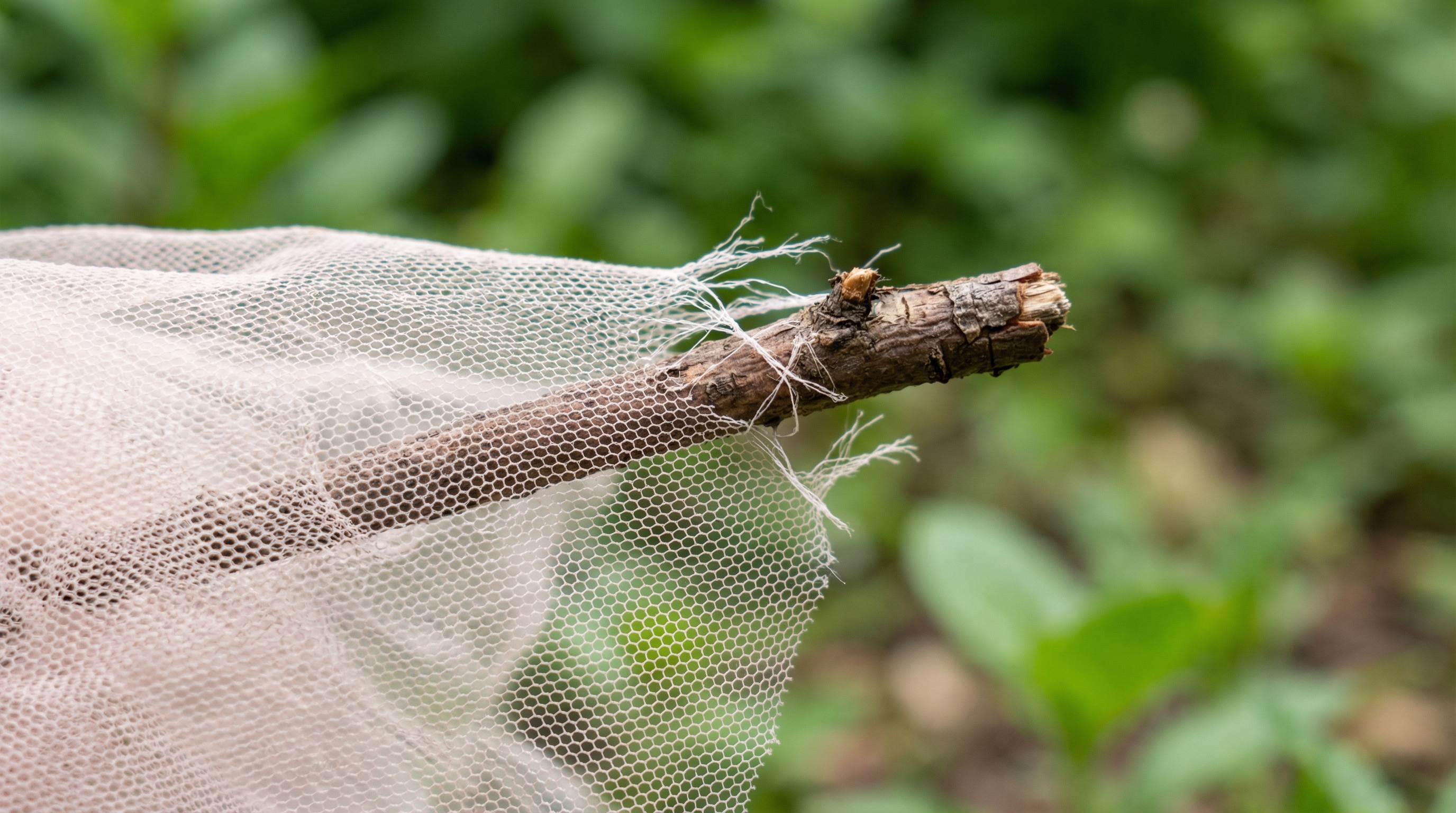
Durability is a major factor when comparing chiffon vs tulle fabric, as wedding days are notoriously tough on delicate garments. Chiffon is a solid weave, making it much more resilient against snags from jewelry or furniture. Tulle is essentially a net, which means it can easily catch on almost any rough surface it touches.
Why does tulle snag more easily than chiffon?
Think about it: every tiny hole in a tulle mesh is a potential anchor point for a stray twig or a bridesmaid’s sequined clutch. Once a tear begins in tulle, the structure often compromises, making the damage visible and difficult to hide.
- It attracts outdoor debris like grass and leaves.
- It is prone to “runs” similar to pantyhose.
- It can be melted easily by high-heat steamers.
Can chiffon withstand the wear and tear of dancing?
Best of all: chiffon’s tight weave allows it to bounce back from tension and movement much better than a fragile mesh. Even if a small snag occurs, it is often easier for a seamstress to mend without leaving a glaring hole.
Key Takeaway: Chiffon is significantly more durable for active bridal parties, whereas tulle requires constant vigilance to avoid damage.
| Durability Metric | Chiffon | Tulle | |
|---|---|---|---|
| Snag Resistance | High | Low | |
| Repairability | Moderate | Difficult | |
| Debris Attraction | Low | High |
For a stress-free day where your bridesmaids can move freely, the solid weave of chiffon offers a clear practical advantage.
Is chiffon vs tulle fabric better for formal wear?
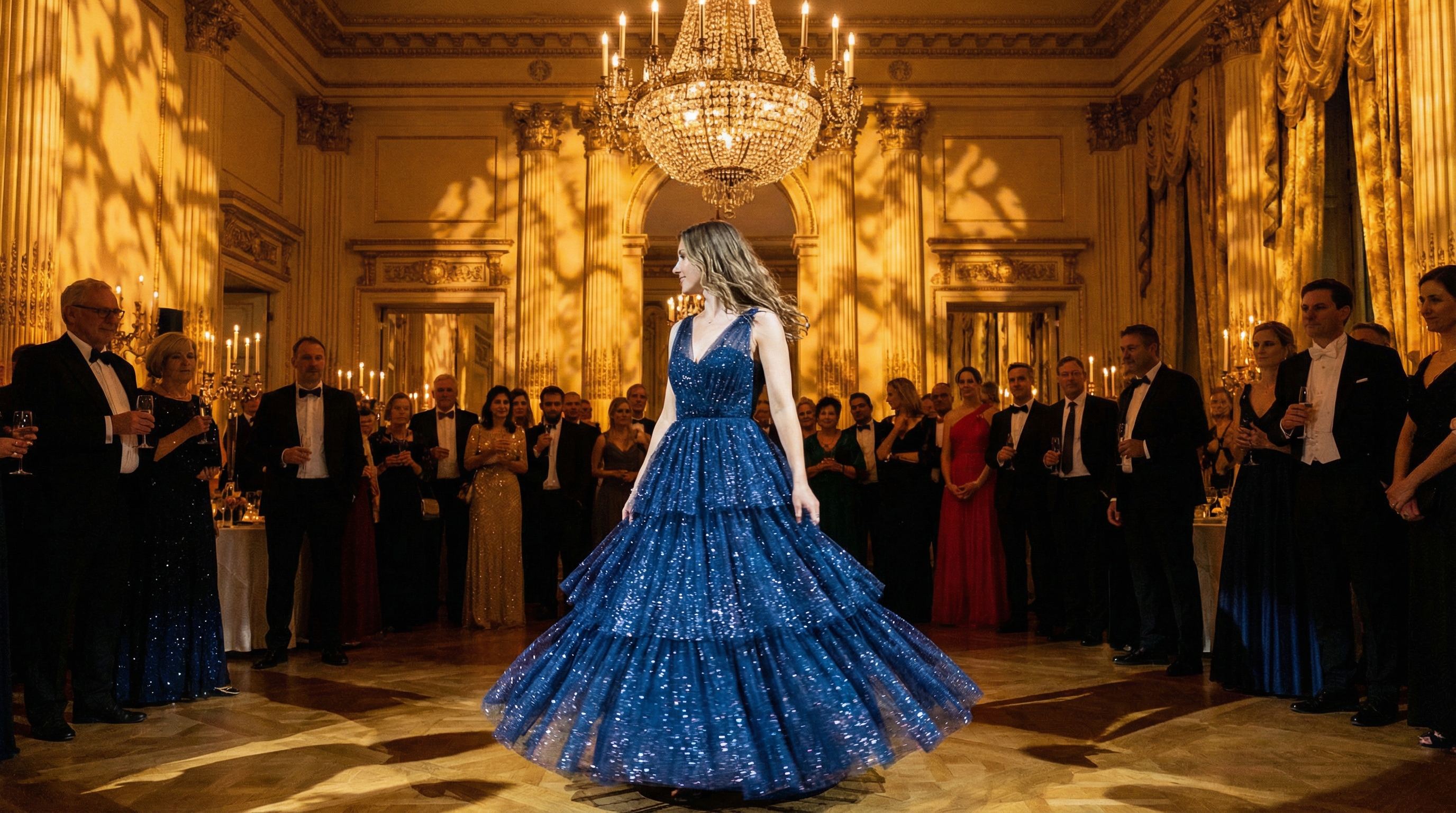
Choosing between chiffon vs tulle fabric for formal evening wear often comes down to the desired light interaction and silhouette. Chiffon offers a heavy, expensive-looking drape that screams red-carpet sophistication and understated luxury. Tulle provides a canvas for embellishments like glitter and sequins, making it a favorite for high-impact ballroom gowns.
Does chiffon offer a more sophisticated silhouette?
The fact is: chiffon follows the lines of the body, creating a slimming effect that is highly coveted for black-tie bridesmaid looks. It moves as one unit with the wearer, providing a polished and cohesive appearance that looks stunning in photos.
- It works beautifully for floor-length gowns.
- It supports complex draping and pleating techniques.
- It maintains a professional, high-end finish.
Can glitter tulle provide more evening glamour?
But wait, there is more. If your goal is to sparkle under the reception lights, glitter-infused tulle is an unbeatable option. The mesh structure holds shimmering particles better than the flat surface of chiffon, creating a 3D glow.
Key Takeaway: Use chiffon for a sleek and mature formal look, or opt for embellished tulle for maximum sparkle and festive energy.
| Evening Element | Chiffon | Glitter Tulle | |
|---|---|---|---|
| Sparkle Level | Matte/Subtle | High/Brilliant | |
| Silhouette | Body-Skimming | Voluminous | |
| Sophistication | High/Classic | High/Whimsical |
The decision for evening wear depends on whether you prioritize the “Old Hollywood” glamour of chiffon or the modern “fairytale” sparkle of tulle.
What are the layering requirements for each fabric?
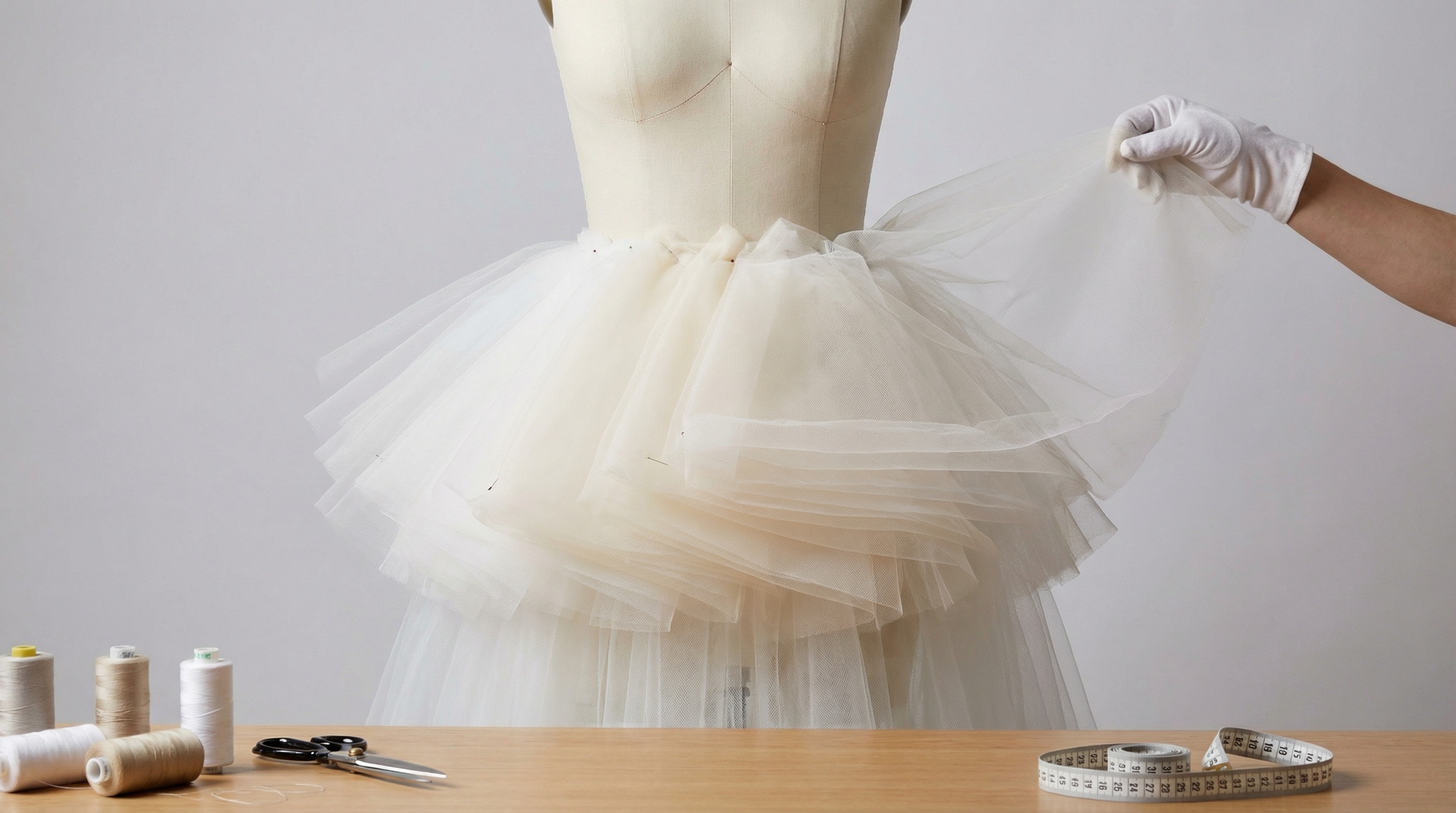
Layering is a technical necessity when working with chiffon vs tulle fabric because both materials possess inherent sheerness. Chiffon is a solid textile, so it usually only requires one or two layers of lining to achieve full opacity. Tulle, being an open net, often requires five or more layers to prevent the garment from being completely transparent.
Why does chiffon require fewer layers for opacity?
Simply put: because chiffon is woven tightly, the fibers occupy more space than the air between them. This means you can achieve a modest, elegant look without the bulk that comes from excessive fabric stacking.
- It keeps the dress lightweight and easy to wear.
- It reduces the amount of material needed for construction.
- It ensures a consistent color throughout the gown.
How many layers does a tulle skirt need?
Keep in mind: a single layer of tulle is almost invisible; the magic happens when you stack layer upon layer to build color depth and structural support. This process is what gives tulle its famous “puff” but also makes the dress much more complex to sew.
Key Takeaway: Chiffon is more efficient for coverage, while tulle’s beauty is derived from the very layers that make it sheer.
| Construction | Chiffon | Tulle | |
|---|---|---|---|
| Typical Layers | 1-2 | 4-8 | |
| Opacity | Medium-High | Very Low (Per Layer) | |
| Bulk/Volume | Low | Very High |
Designers must balance the desire for a lightweight feel against the technical need for opacity when choosing between these two sheer staples.
Can these fabrics be used for athletic apparel?
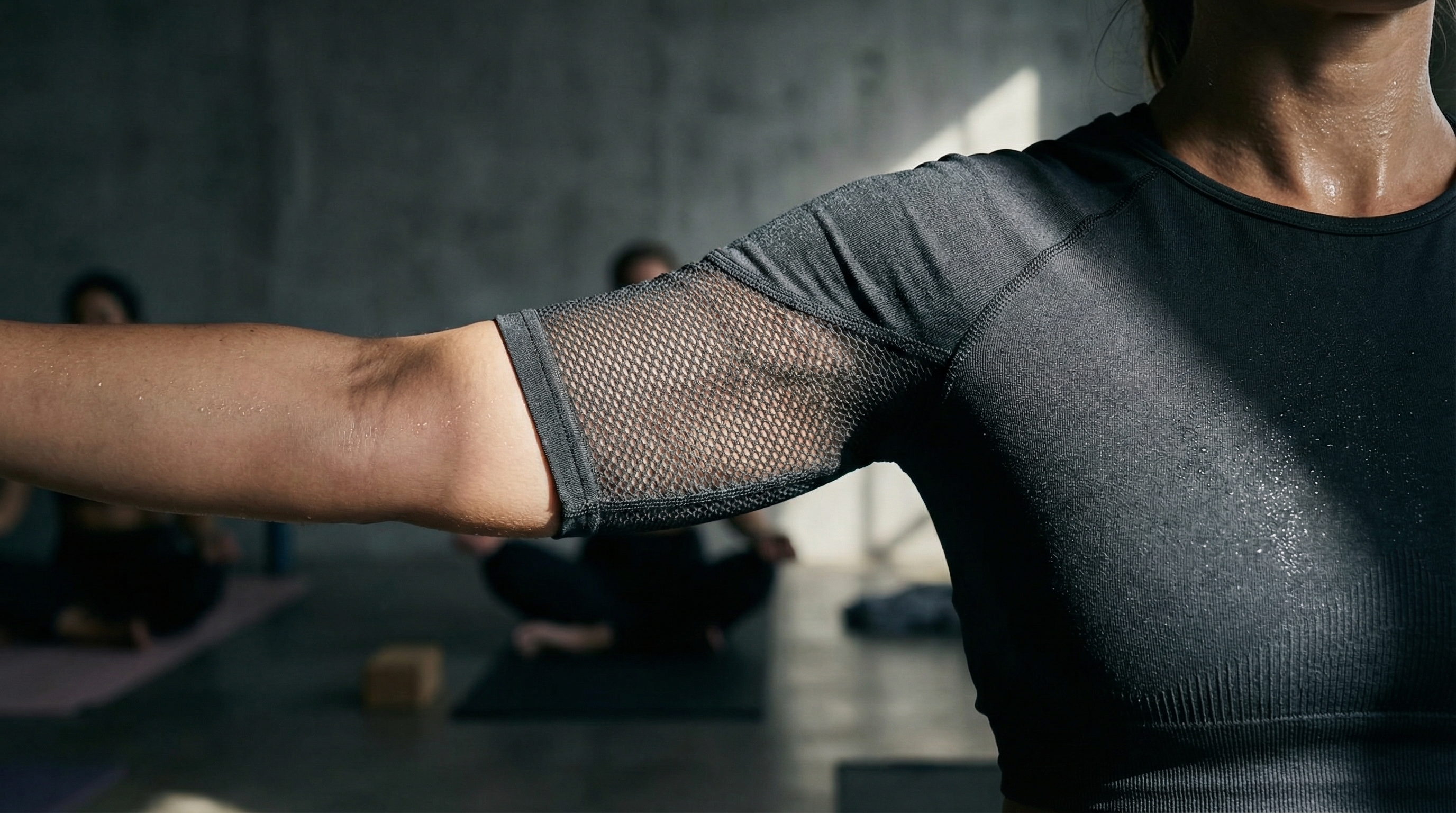
While typically seen at weddings, chiffon vs tulle fabric concepts actually cross over into the world of performance wear through technical mesh. Standard bridal tulle and chiffon lack the elasticity required for intense movement or sweat-wicking. However, their structural cousins, like power mesh, are essential for modern activewear design.
Is power mesh more functional than bridal tulle?
You see: power mesh mimics the look of tulle but incorporates spandex to provide four-way stretch and compression. This makes it perfect for breathable panels in leggings or sports bras where ventilation is a priority.
- It offers superior durability compared to bridal net.
- It maintains its shape after repeated washing.
- It provides functional support for the athlete.
Does chiffon have a place in performance clothing?
Surprisingly enough: chiffon is occasionally used as a decorative overlay for dance costumes or ice skating skirts because it flows beautifully during spins. It doesn’t offer functional benefits, but it adds a layer of visual drama that mesh cannot provide.
Key Takeaway: Functional mesh is superior for performance, while chiffon and tulle remain purely aesthetic additions to the athletic world.
| Performance Factor | Power Mesh | Chiffon | Bridal Tulle | |
|---|---|---|---|---|
| Stretch | High | None | Low | |
| Breathability | Excellent | Moderate | High | |
| Durability | High | Low | Very Low |
In the realm of performance, technical stretch mesh becomes the dominant choice over traditional decorative materials.
How do you maintain and clean these delicate materials?
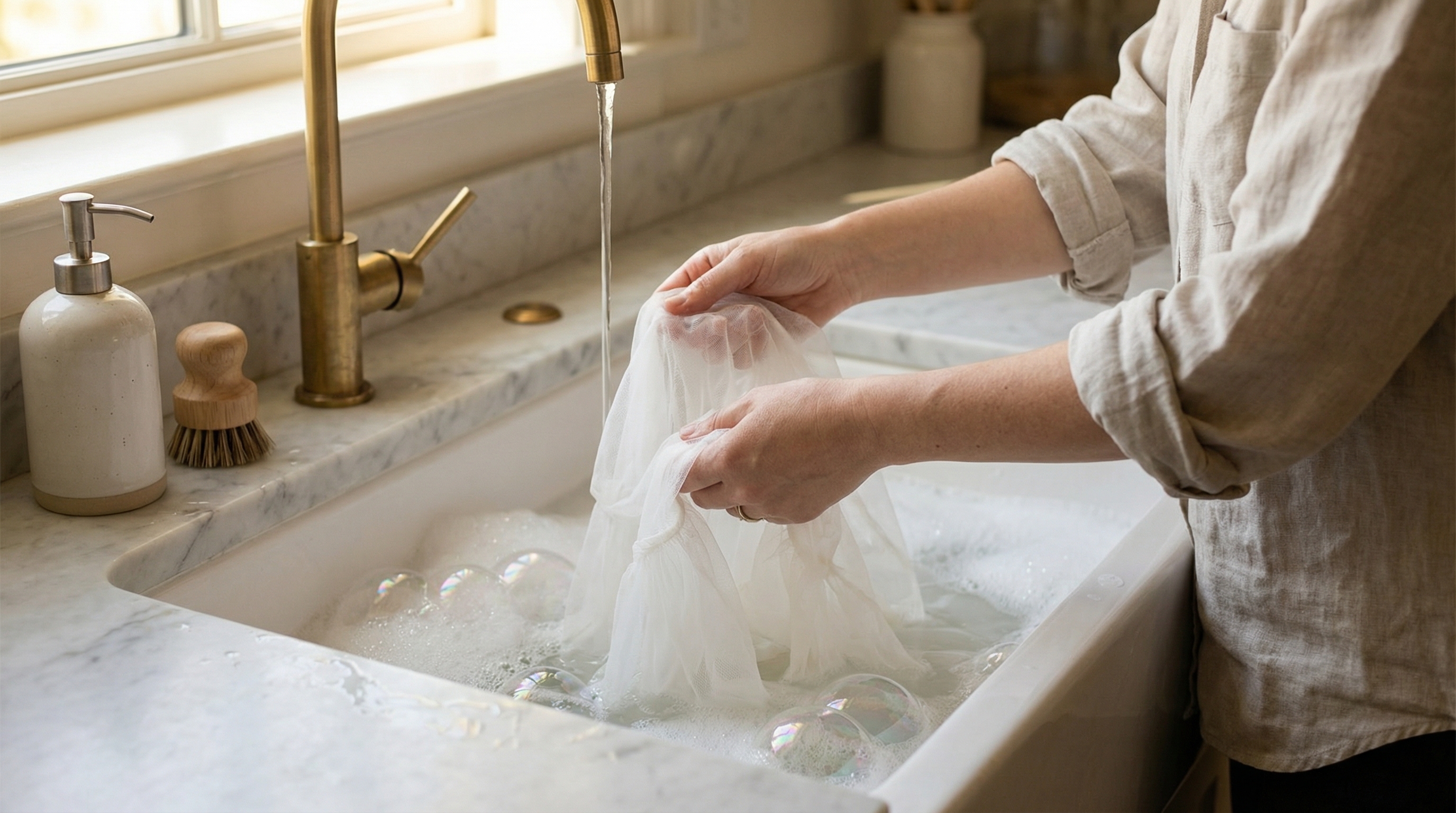
Maintenance is the “un-glamorous” side of the chiffon vs tulle fabric debate that every bridesmaid needs to understand. Chiffon is prone to water spots and wrinkles, often requiring professional care to maintain its pristine look. Tulle is more forgiving with water but is incredibly sensitive to heat, which can melt the synthetic fibers instantly.
What is the best way to wash a tulle garment?
Here is the deal: tulle should ideally be hand-washed in cool water with a very gentle detergent. You must never wring the fabric, as this can permanently distort the mesh pattern and leave it looking limp.
- Use a mesh laundry bag for protection.
- Always air dry away from direct sunlight.
- Spot clean stains immediately with a damp cloth.
Does chiffon require professional dry cleaning?
It gets better: because chiffon is often made of delicate polyester or silk, dry cleaning is the safest way to ensure the weave doesn’t shift or shrink. Professional steaming is also recommended to remove stubborn creases without scorching the material.
Key Takeaway: Chiffon is high-maintenance regarding wrinkles, while tulle is high-maintenance regarding heat and structural distortion.
| Care Task | Chiffon | Tulle | |
|---|---|---|---|
| Washing | Dry Clean Preferred | Hand Wash Cold | |
| Ironing | Low Heat/Steam | Steam Only (No Iron) | |
| Storage | Hanging | Hanging (Loosely) |
The maintenance of these fabrics involves a direct trade-off between wrinkle resistance and structural fragility.
Which option is more budget-friendly for large bridal parties?
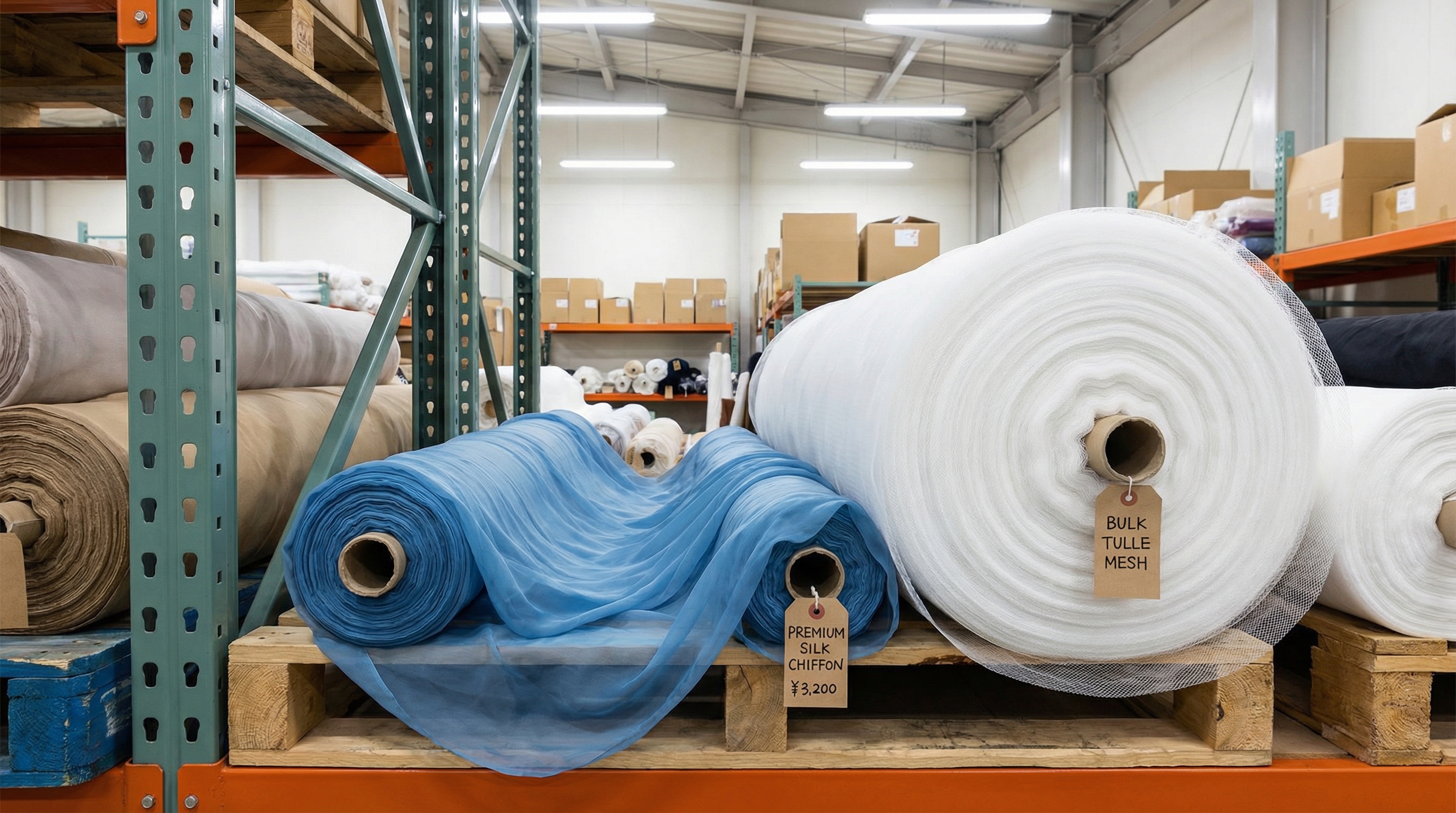
Budgeting for chiffon vs tulle fabric involves calculating the cost per yard against the amount of material required for the design. Generally, basic tulle is less expensive to produce, making it a favorite for those needing to cover large surface areas on a budget. Chiffon’s complex weaving process usually results in a higher price tag per meter.
Is bulk tulle more affordable than high-end chiffon?
The reality is: if you are creating voluminous decorations or multi-layered skirts, tulle offers more “visual bang for your buck.” It is lightweight and easy to ship in bulk, which can lower the overall costs for large-scale wedding projects.
- It is ideal for DIY pew bows and runners.
- It comes in massive widths for large decor.
- It is often available at discount textile outlets.
Does the cost of chiffon reflect its quality?
You get what you pay for: high-quality chiffon feels luxurious and drapes like a dream because of the labor-intensive twisting of the yarns. While more expensive, it provides a level of sophistication that basic nylon net simply cannot emulate.
Key Takeaway: Tulle is the king of budget-friendly volume, while chiffon is an investment in timeless quality and drape.
| Cost Factor | Chiffon | Tulle | |
|---|---|---|---|
| Price per Yard | Moderate-High | Low-Moderate | |
| Quantity Needed | Low-Moderate | Very High (for volume) | |
| Value Vibe | High-End/Formal | Playful/Budget-Savvy |
Budget-conscious planners often prefer the “visual per dollar” value of tulle when volume is the primary goal.
How do you make the final choice for your wedding?
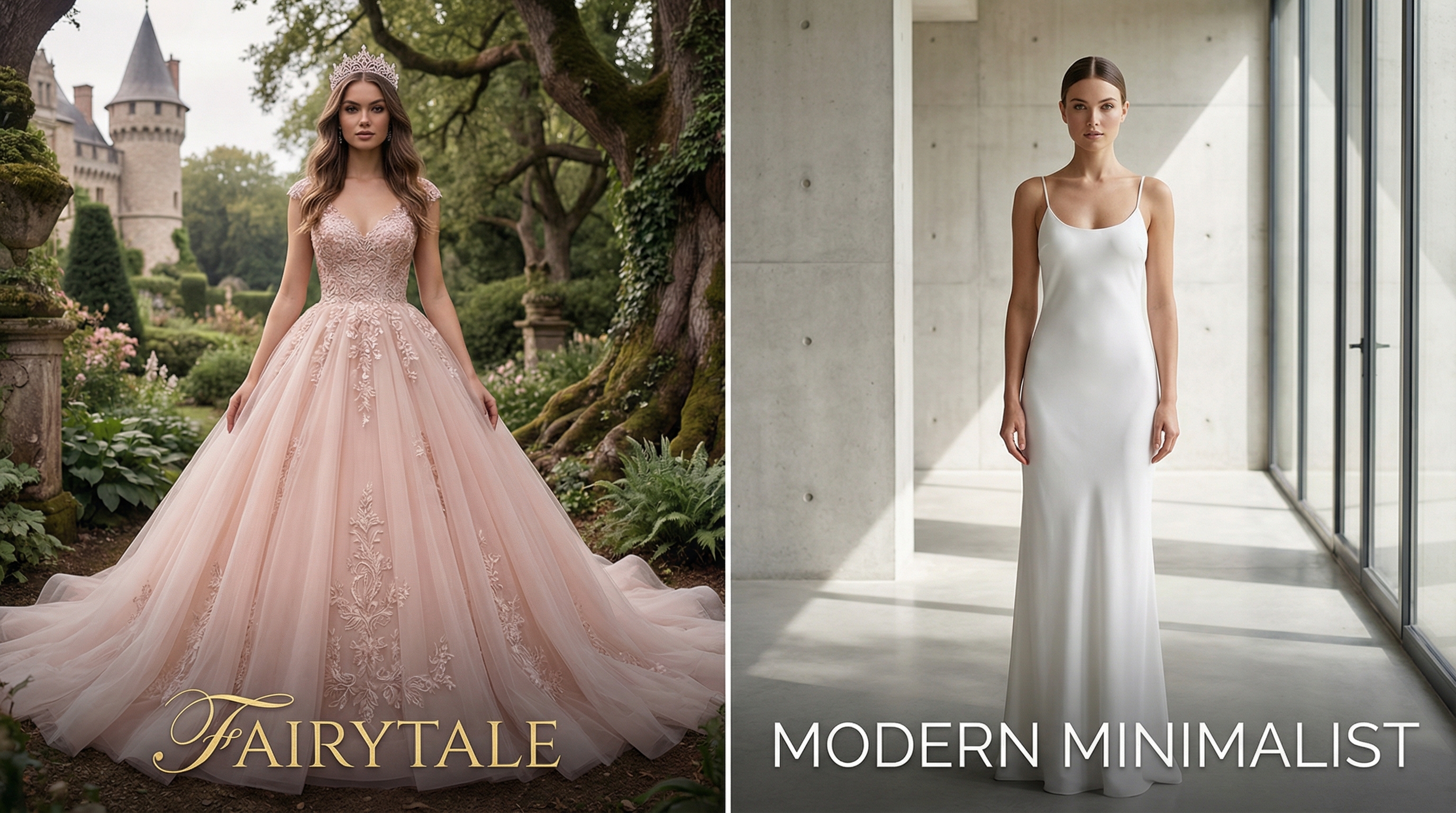
Deciding on chiffon vs tulle fabric eventually comes down to the legacy you want your wedding photos to leave behind. Chiffon offers a classic, sophisticated look that never goes out of style and suits almost every venue from a cathedral to a beach. Tulle is for the bold, romantic soul who wants to embrace the fantasy of a wedding day with every fiber of their gown.
Should you choose chiffon for a modern minimalist vibe?
Here is the deal: if your vision involves clean lines, effortless movement, and a bridal party that looks chic and coordinated, chiffon is your winner. It allows the beauty of your bridesmaids to shine without being overshadowed by excessive fabric.
- It is easier for bridesmaids to wear again later.
- It fits into a “less is more” philosophy.
- It looks incredibly polished in any color palette.
Is tulle the winner for a fairytale princess theme?
The bottom line is: for those who have dreamed of a “once in a lifetime” ballgown moment, nothing can replace the airy magic of a tulle skirt. If you are ready to manage the snags and the layers, the visual reward is a breathtaking, ethereal presence. If you have any more questions about choosing the right material, please contact us today for expert guidance.
Key Takeaway: Chiffon is for the modern, practical romantic; tulle is for the dramatic, whimsical dreamer.
| Decision Driver | Choose Chiffon If… | Choose Tulle If… | |
|---|---|---|---|
| Priority | Comfort & Durability | Volume & Drama | |
| Silhouette | Slim & Fluid | Full & Structured | |
| Venue | Outdoor/Casual/Formal | Grand Ballroom/Formal |
Ultimately, the best fabric is the one that makes you and your bridesmaids feel confident and beautiful as you walk down the aisle.
FAQ: Frequently Asked Questions
Can I mix chiffon and tulle in one bridesmaid dress?Yes, designers often use a chiffon base for drape with a tulle overlay or godets to add subtle volume. This combination allows you to enjoy the benefits of both textures simultaneously.
What’s the best way to remove wrinkles from chiffon?Steaming is the safest and most effective method. A handheld steamer allows the fibers to relax without the risk of burning the delicate weave that a traditional iron might pose.
Can I use tulle for a summer beach wedding?It is possible, but not highly recommended. Tulle mesh acts as a magnet for sand, small shells, and seaside debris, which can make the dress look dirty and feel heavy very quickly.
How do I know if my tulle is high quality?Check the softness and the hole size. High-quality “bridal grade” tulle will feel silky to the touch and have a very fine, consistent hexagonal pattern rather than a stiff, plastic-like feel.
Which fabric is better for plus-size bridesmaids?Chiffon is generally preferred for its vertical drape. It creates a lengthening effect and skims the body smoothly, whereas the horizontal volume of tulle can sometimes add unwanted bulk to the silhouette.