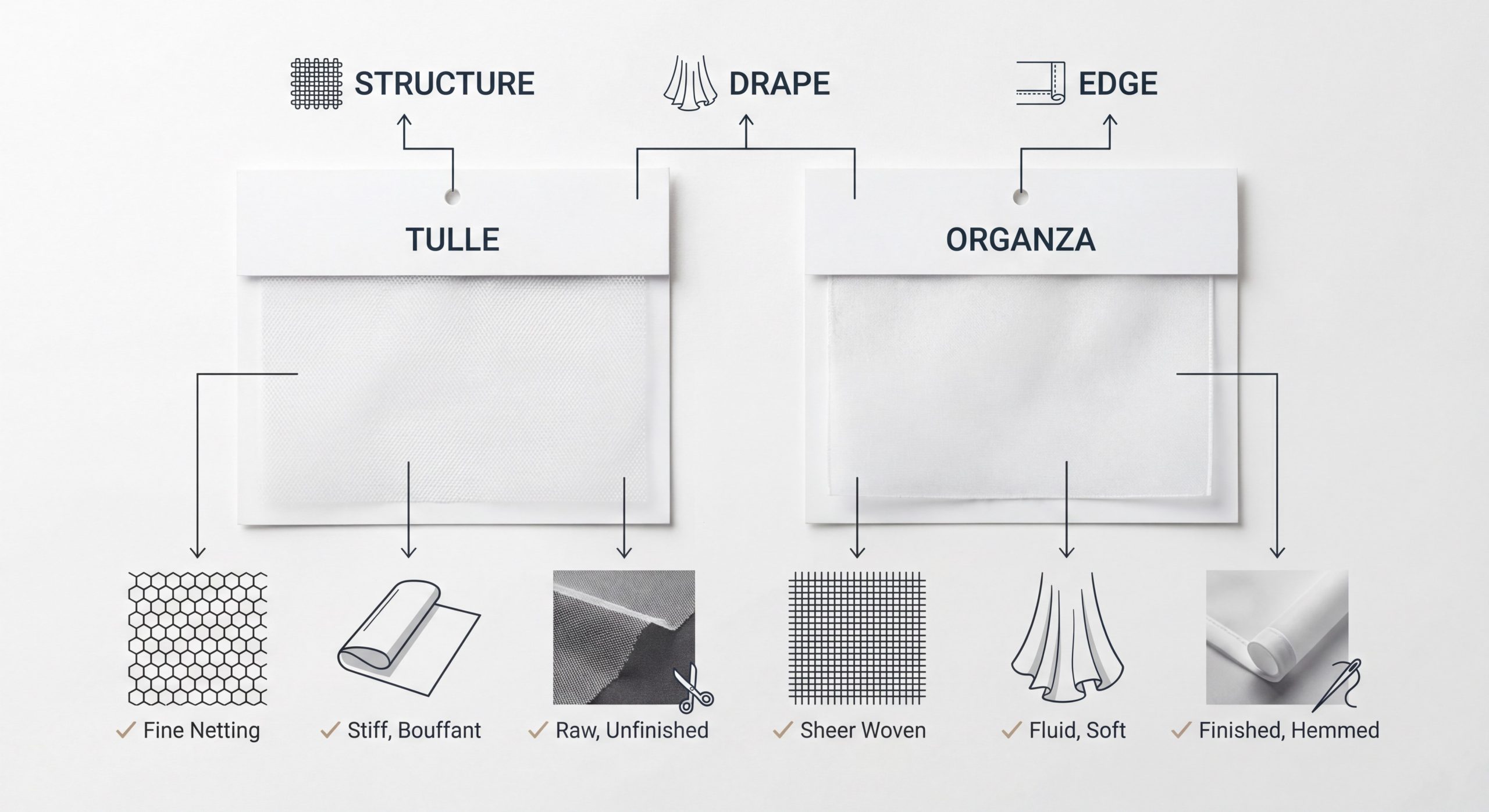
The primary difference between these two textiles is their fundamental construction: tulle is a lightweight, machine-knitted hexagonal mesh, whereas organza is a crisp, plain-weave sheer fabric. Choosing the wrong material for a high-volume production run can lead to structural failures, poor drape, and unsatisfied clients who expect a specific luxury feel. You might struggle with fabric that frays too easily or layers that lack the necessary bounce for a couture silhouette. By understanding the technical nuances of tulle vs organza , you can streamline your procurement and ensure every design achieves its intended aesthetic with precision.
| Feature | Tulle | Organza | |
|---|---|---|---|
| Material | Nylon, Polyester, or Silk | Silk, Polyester, or Nylon | |
| Weave Type | Warp-knitted (Hexagonal Net) | Plain Weave (Crisp Sheer) | |
| Stiffness | Ranges from soft to very stiff | Naturally stiff and crisp | |
| Edge Finishing | Does not fray when cut | Prone to fraying; needs hems | |
| Common Uses | Veils, tutus, gown support | Overlays, sleeves, trimmings | |
| Price Range | Highly affordable to mid-range | Mid-range to high-end luxury |
What are the main differences in tulle vs organza?
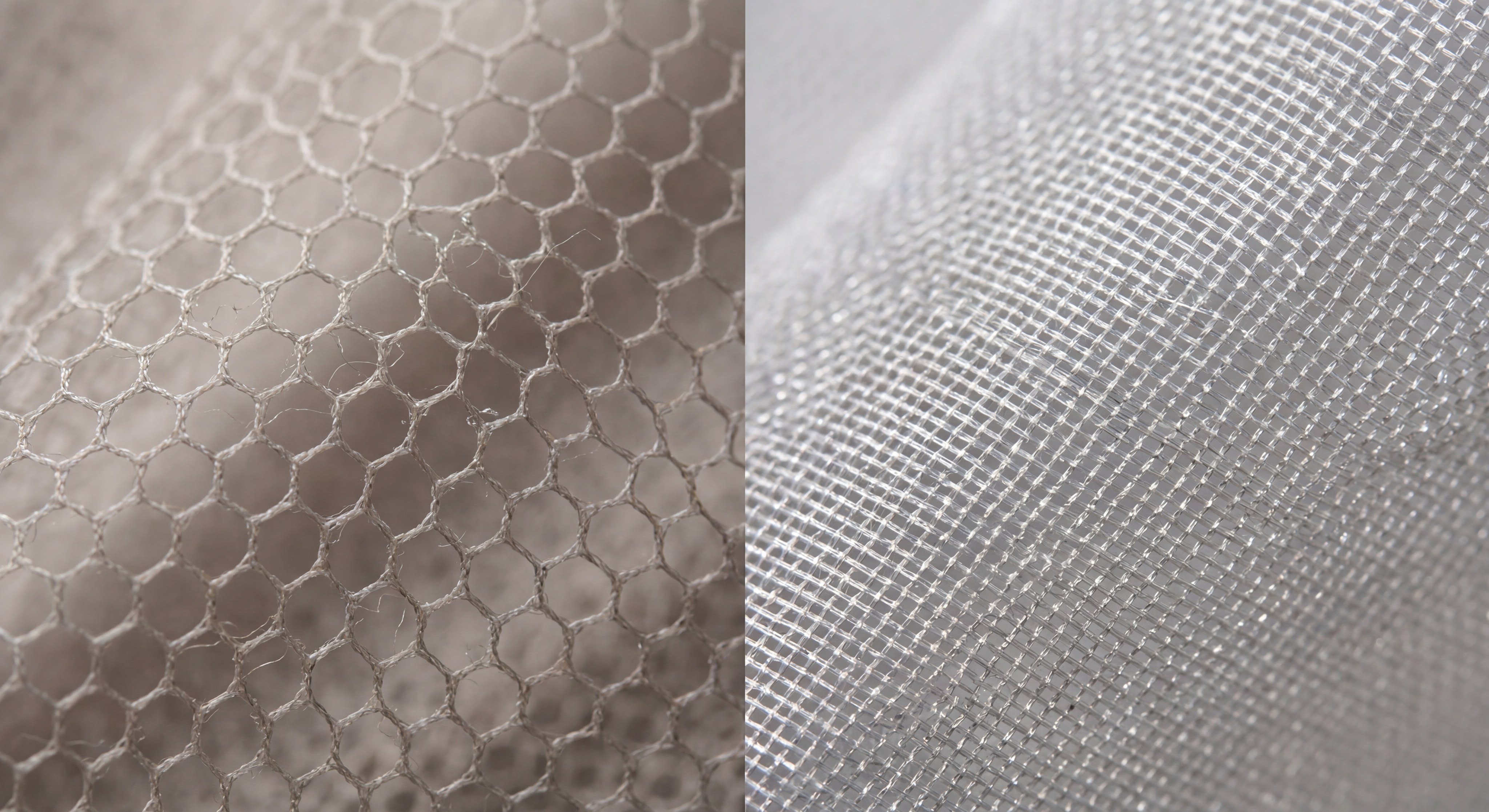
The core distinction in the tulle vs organza debate is that one is a knit mesh and the other is a woven solid. Tulle is created on warp-knitting machines to produce a series of small, open holes in a honeycomb pattern. Organza, conversely, uses a traditional weaving process where horizontal and vertical threads intersect tightly.
Is tulle a knit or a woven fabric?
Here’s the deal: tulle is strictly a warp-knit fabric that produces a stable, non-fraying net. This technical structure allows for breathable layers that hold their shape without adding significant weight to a garment.
- It features a hexagonal or diamond-shaped mesh.
- The material offers a slight mechanical stretch due to its knit nature.
- It is manufactured in massive widths on German KARL MAYER machines.
Defining the silk-like quality of organza
But wait, there’s more to organza than just its sheer appearance. Traditionally made from silk, modern organza often utilizes high-quality synthetic filaments to maintain a signature “crunch” and stiffness.
- It is a plain-weave fabric with high thread counts.
- The surface often reflects light with a subtle, shimmering gloss.
- It provides a structured drape that differs significantly from airy mesh.
Key physical characteristics for manufacturers
Make no mistake, manufacturers must consider how these materials interact with light and motion. Tulle provides a matte, diffused look, while organza offers a more traditional fabric surface that accepts dyes with deep saturation.
Key Takeaway: Understanding the knit vs. weave technicality prevents costly sourcing errors during the prototyping phase of manufacturing.
| Difference | Tulle Mesh | Organza Weave | |
|---|---|---|---|
| Structural Integrity | Resists unraveling | Needs edge treatment | |
| Airflow | High ventilation | Moderate breathability |
Precision in material identification is the first step toward high-quality B2B textile production.
Why choose tulle vs organza for bridal veils?
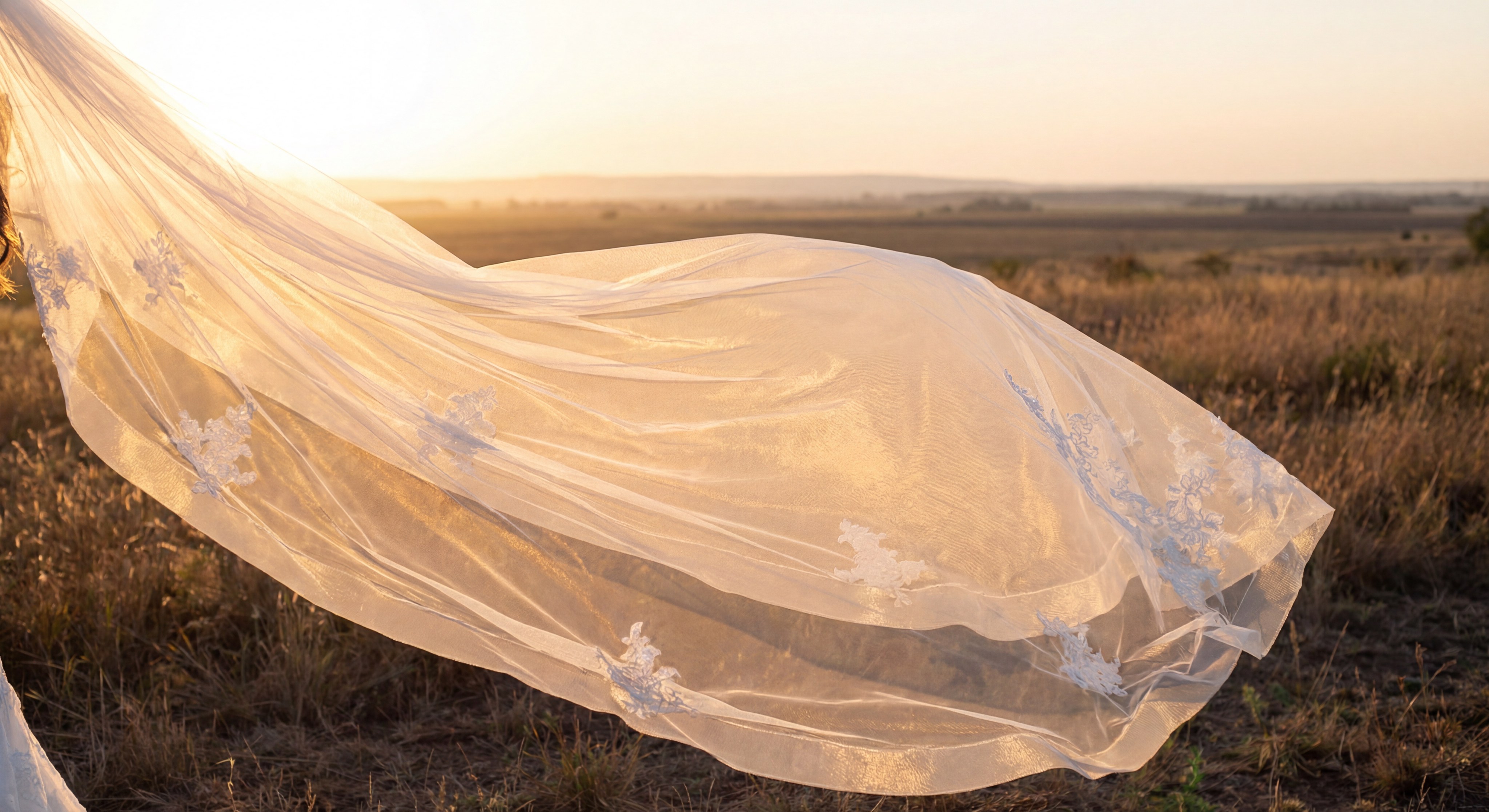
Bridal designers typically prefer tulle for veils because of its superior transparency and ability to float effortlessly without obscuring the bride’s features. When evaluating tulle vs organza for accessories, the “illusion” effect of fine mesh is often the deciding factor. Tulle allows for raw-cut edges that remain invisible against skin or lace.
The ethereal transparency of bridal mesh
The truth is, tulle creates a cloud-like effect that organza simply cannot replicate in a single layer. Because it is a net, light passes through the holes, making the fabric appear almost like mist.
- It is available in various softness levels, from bridal illusion to soft silk-touch.
- Designers can layer multiple tiers without making the veil look bulky.
- It catches the wind beautifully for professional photography sessions.
Can organza offer a formal aesthetic?
Now, you might be wondering if organza has a place in the bridal world. Absolutely, especially when a designer wants a structured, opaque look for a vintage-style birdcage veil or a formal tiered cape.
- It holds embroidery and heavy beading better than very fine mesh.
- The fabric provides a crisp, defined border that frames the face.
- It is ideal for “sculpted” bridal pieces that need to hold a specific shape.
Key Takeaway: Most modern brides opt for tulle veils for their transparency, while organza is reserved for structured, high-fashion bridal statements.
| Property | Tulle Veil | Organza Veil | |
|---|---|---|---|
| Transparency | Very High (Illusion) | Semi-Transparent (Sheer) | |
| Edge Finish | Raw / Unfinished | Hemmed / Trimmed |
Designers should choose tulle for a “barely there” look and organza for bold, architectural bridal silhouettes.
How does tulle vs organza compare in durability?
Organza generally offers higher durability in terms of tensile strength, but tulle is more resilient against fraying at the cut edges. In the context of tulle vs organza durability, the knitted structure of mesh prevents a small tear from traveling through the entire bolt. Organza, being a weave, is susceptible to “runs” or unraveling if the seams are not properly finished.
Resistance to fraying and tearing
It’s important to realize that tulle is the king of low-maintenance edges. You can cut complex patterns into tulle, and it will never shred, making it perfect for rapid manufacturing environments.
- Tulle mesh is dimensionally stable and does not “unweave.”
- Organza requires French seams or bias binding to prevent edge degradation.
- Mesh is less likely to show permanent snags compared to fine woven threads.
Which fabric lasts longer in high-wear use?
But wait, there’s more to consider regarding long-term wear. Organza is often tougher when subjected to friction, whereas very soft tulle can become fuzzy or “pilled” over many uses.
- Synthetic organza is highly resistant to stretching and sagging.
- Heavyweight tulle is durable, but fine illusion mesh is prone to snagging on jewelry.
- Both fabrics are moisture-resistant when made from polyester or nylon fibers.
Key Takeaway: Choose tulle for complex raw-edge designs and organza for garments that require high seam strength and traditional tailoring.
| Durability Factor | Tulle (Knit) | Organza (Woven) | |
|---|---|---|---|
| Fray Resistance | Excellent | Poor (Requires finish) | |
| Tensile Strength | Moderate | High |
Analyze the expected friction and seam stress of your product to determine the most durable material.
Which provides more volume, tulle vs organza?
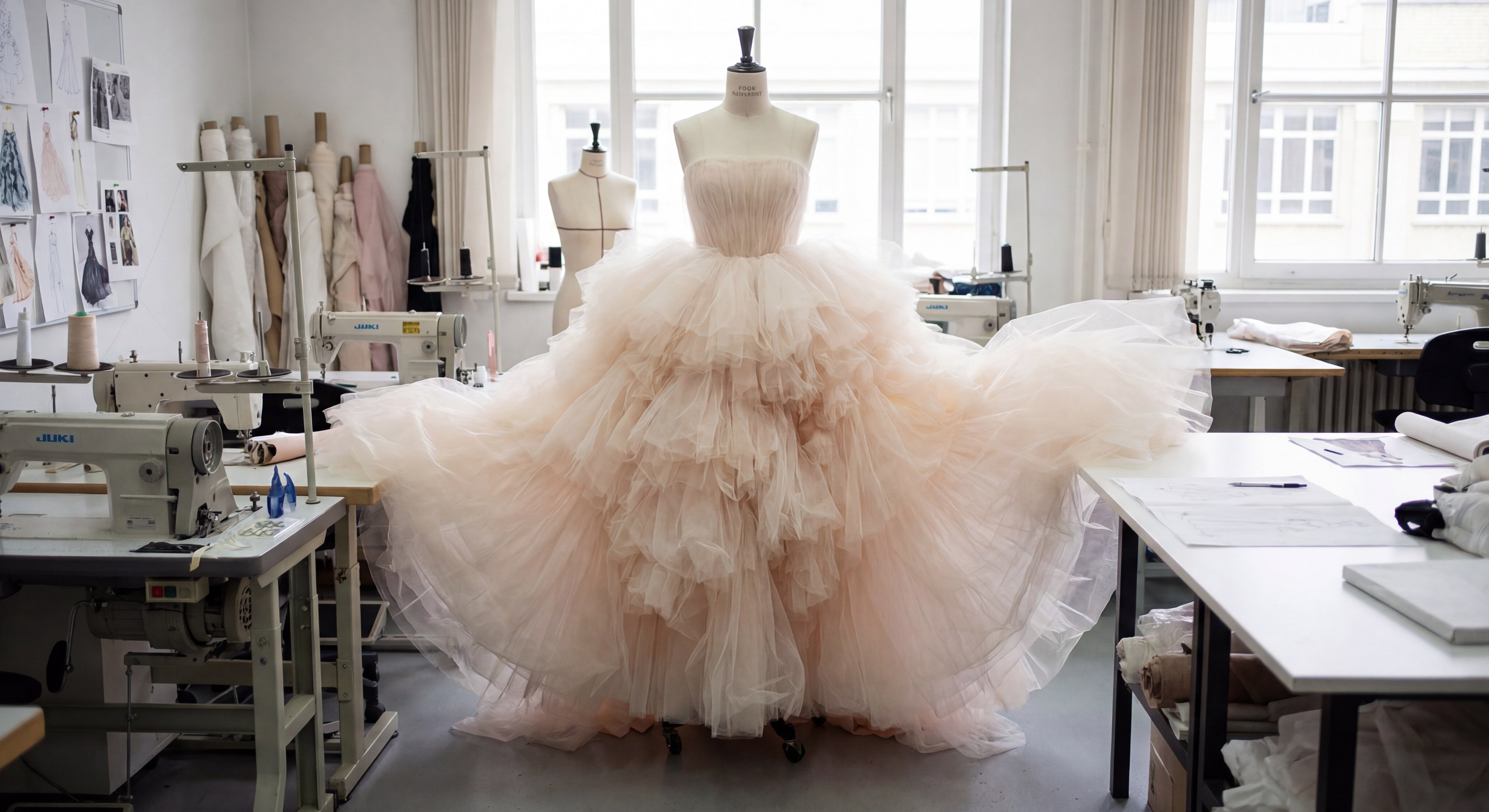
Tulle is the industry standard for creating massive volume because it is lightweight enough to be layered dozens of times without collapsing under its own weight. When comparing tulle vs organza , tulle is the superior choice for “puffy” silhouettes like tutus or petticoats. You can use specific material grades to achieve volume in skirts that remains consistent throughout a long event.
Achieving maximum lift with layers
Here’s the secret: tulle’s airiness allows it to trap pockets of air between layers, creating a lift that looks natural and bouncy. This is essential for ball gowns that need to look substantial but feel light.
- Multiple layers of mesh create a three-dimensional “cloud” effect.
- The fabric can be pleated or gathered at the waist to increase bulk.
- It reacts quickly to movement, providing a “living” bounce to the skirt.
Can organza create a structured silhouette?
Believe it or not, organza can also provide volume, but it is a “stiff” volume rather than a “puffy” one. It creates sharp, crisp folds and flares that are ideal for architectural fashion.
- It is often used for “puffed” sleeves or dramatic ruffles.
- Organza layers create a more solid, opaque wall of color.
- The material holds a crease, allowing for structured pleats that stay in place.
Using stiff tulle for architectural gowns
But wait, there’s a specialized option for maximum support. To achieve extreme silhouettes, many B2B designers utilize stiff tulle, which acts as a structural framework hidden beneath softer outer fabrics.
- It provides a rigid base for heavy satin or velvet overlays.
- Stiff mesh is less likely to collapse after hours of wear.
- It is the foundation for most professional-grade bridal crinolines.
Key Takeaway: Tulle is best for soft, airy volume, while organza provides crisp, structured flares for high-fashion silhouettes.
| Volume Style | Tulle Mesh | Organza | |
|---|---|---|---|
| Type of Lift | Airy, bouncy, layered | Crisp, sharp, flared | |
| Weight per Volume | Ultra-light | Moderate |
Layering different weights of mesh is the most efficient way to scale volume in mass-market apparel.
Where is tulle vs organza used in manufacturing?
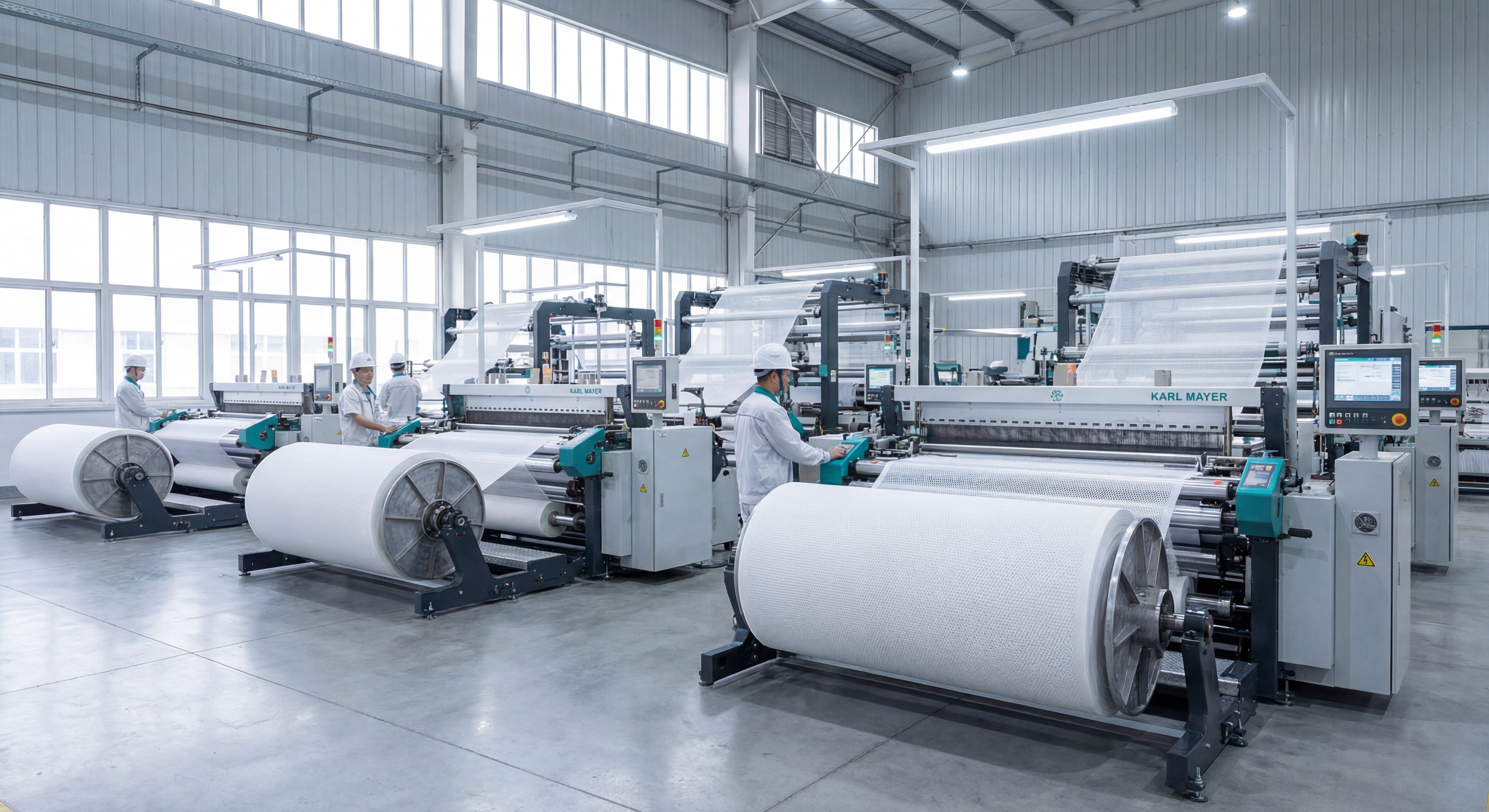
Tulle is predominantly used in the mass production of bridal wear and decorative packaging, while organza is the preferred choice for high-end fashion overlays and floral trimmings. The global supply chain for tulle vs organza involves massive warp-knitting facilities that can produce thousands of meters of mesh daily. Manufacturers rely on these materials for their distinct functional properties and cost-effective production cycles.
High-volume production for evening wear
The bottom line is that tulle is a favorite for evening wear because it fills a lot of space for a relatively low material cost. Factories can rapidly cut and assemble tulle skirts due to the non-fraying nature of the mesh.
- It is used extensively for prom dresses and bridesmaid attire.
- Soft mesh serves as a base for intricate glitter and sequin applications.
- Manufacturers often stock dozens of colors to meet seasonal fashion demands.
Industrial applications for mesh fabrics
But wait, these fabrics aren’t just for fashion designers. Tulle and related mesh products are vital in various industrial sectors due to their strength and breathability.
- Hexagonal mesh is used in industrial filtration and sieving.
- It acts as a lightweight reinforcement in composite materials.
- Protective mosquito netting and laundry bags rely on the durable knit structure.
Key Takeaway: Tulle serves both the high-volume fashion market and the functional industrial sector, while organza remains focused on aesthetic garment construction.
| Industry | Primary Fabric Choice | Reasoning | |
|---|---|---|---|
| Bridal / Prom | Tulle | Volume and cost-efficiency | |
| Luxury Fashion | Organza | Sheen and structural drape |
Diversifying your material stock allows your manufacturing facility to serve multiple high-growth industries simultaneously.
What is the cost difference of tulle vs organza?
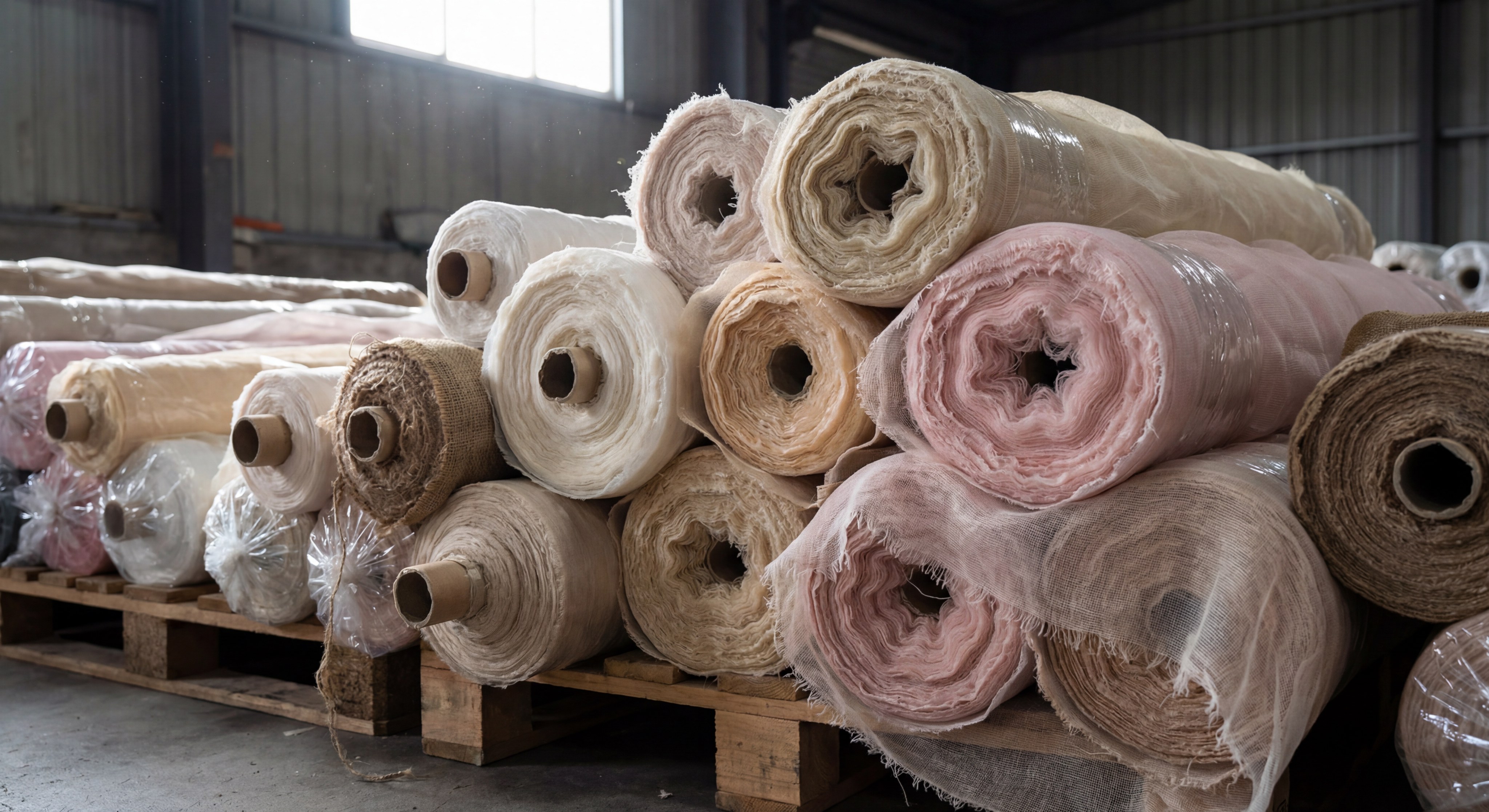
Generally, tulle is more affordable than organza because the warp-knitting process used to create it is faster and more efficient than traditional weaving. When sourcing tulle vs organza for B2B applications, you will find that basic nylon tulle offers the lowest price point per meter. Organza, particularly when made from silk or specialized synthetic filaments, commands a higher premium in the global textile market.
Sourcing fabrics for B2B production
Here’s the deal: cost-conscious manufacturers often choose tulle to hit specific retail price points without sacrificing visual impact. Because tulle is produced on wide-width machines, the yield per square meter is exceptionally high.
- Basic polyester tulle is the most budget-friendly sheer option.
- Silk organza remains a luxury item with high wholesale costs.
- Buying in bulk (rolls of 50-100 meters) significantly reduces the unit price for both.
Pricing for custom wholesale orders
But wait, there’s a variation in pricing when you add custom finishes. If you require specialized treatments like flame retardancy or custom color matching, the price gap between the two fabrics can narrow.
- Glitter and flocked tulle carry a higher price than plain mesh.
- Embroidered organza is one of the most expensive sheers in the industry.
- Custom MOQ (Minimum Order Quantity) requirements can affect your final landed cost.
Key Takeaway: Tulle offers the best value for volume-heavy projects, while organza is a strategic investment for premium, high-margin product lines.
| Fabric Grade | Relative Cost | Best B2B Application | |
|---|---|---|---|
| Basic Tulle | Low | Promotional items / Tutus | |
| Premium Organza | High | Luxury couture / Bridal |
Evaluate your target market’s price sensitivity before finalizing your bulk fabric procurement strategy.
Why prioritize tulle vs organza for aesthetics?
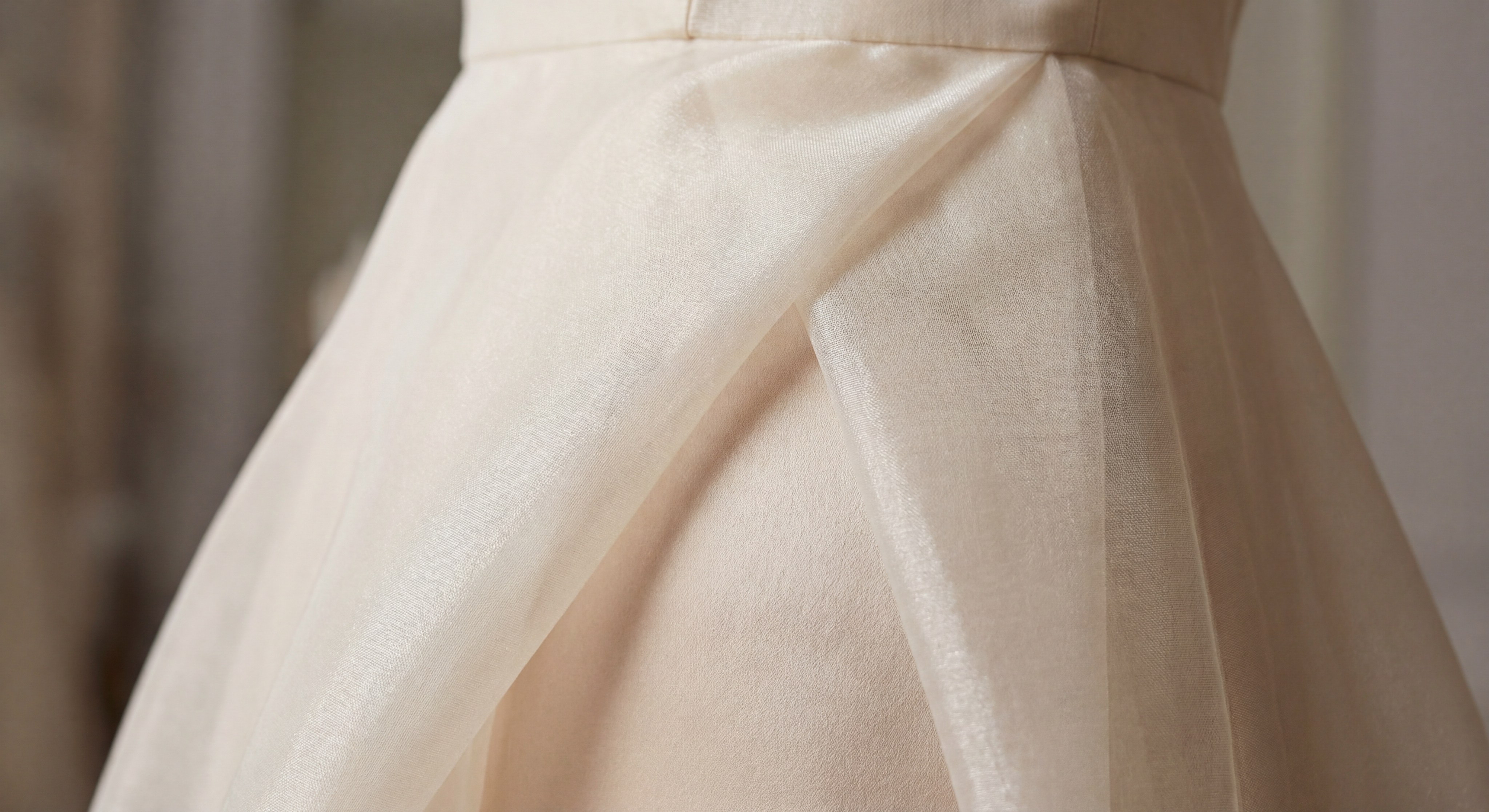
Organza is the better choice for a luxury aesthetic that requires a high-gloss sheen and sharp, visible folds. In the visual battle of tulle vs organza, tulle provides a soft, romantic, and diffused look that blurs the lines of the body. Organza acts more like a “second skin” of glass, reflecting light and creating a crisp, sophisticated glow that is synonymous with high-end evening wear.
The subtle matte finish of fine mesh
The truth is, tulle is the master of the “romantic” look. Because it is a mesh, it doesn’t reflect light in a single direction, giving it a soft-focus appearance that is very flattering.
- It creates a dreamy, hazy layer over solid fabrics.
- Matte tulle is perfect for modern, minimalist designs.
- It blends into the background, allowing embroidery to look like it’s floating on skin.
Does organza offer a better luxury sheen?
But wait, if you want your product to scream “luxury,” organza is the winner. The way the light hits the tight weave of organza creates a lustrous surface that looks expensive and high-quality.
- It provides a distinct shimmer that enhances deep jewel tones.
- The fabric’s stiffness creates shadows and highlights that add depth to a design.
- It looks more “substantial” than mesh when used as a single layer.
Key Takeaway: Use tulle for soft, romantic, and hazy aesthetics, and choose organza for crisp, glossy, and high-fashion luxury finishes.
| Aesthetic Feature | Tulle Mesh | Organza Weave | |
|---|---|---|---|
| Surface Finish | Matte to shimmering | High-gloss / Lustrous | |
| Visual Texture | Open / Porous | Smooth / Solid |
Matching the fabric’s light-reflective properties to your brand’s visual identity ensures a cohesive and professional product line.
How do you care for tulle vs organza products?
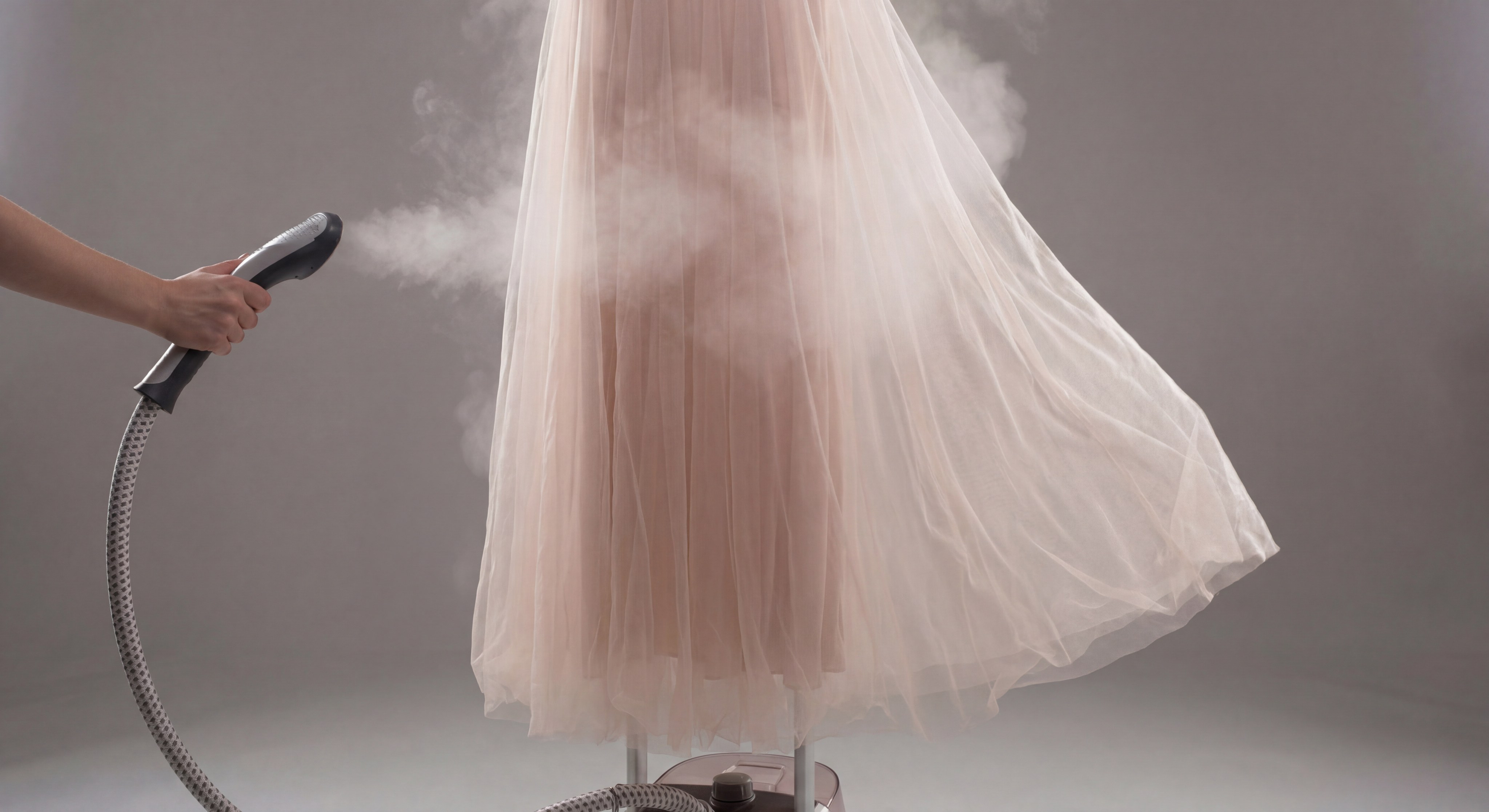
Both fabrics are delicate, but tulle is generally easier to de-wrinkle with steam, whereas organza may require low-heat ironing to maintain its crispness. When managing tulle vs organza products in a retail or B2B environment, you must warn clients against high heat. Both textiles are typically made from synthetics like nylon or polyester, which can melt instantly if touched by a hot iron.
Washing instructions for delicate mesh
Here’s the deal: hand washing in cool water is the safest method for both fabrics to avoid snagging and structural damage. Agitation in a washing machine can destroy the fine threads of organza or cause tulle to tangle and tear.
- Use mild detergents to preserve the fabric’s color and finish.
- Always air dry by laying the garment flat on a clean towel.
- Never use a tumble dryer, as the heat and friction are too aggressive.
How to remove wrinkles effectively?
But wait, there’s more to professional presentation than just washing. To get that “showroom look,” you must understand how to handle creases without damaging the fibers.
- A garment steamer is the best tool for tulle; the steam relaxes the mesh effortlessly.
- Organza often needs a pressing cloth and a dry iron on the lowest setting.
- For stubborn wrinkles in organza, hang it in a steamy bathroom before pressing.
Key Takeaway: Proper care protocols extend the life of sheer garments and maintain the professional quality of your textile products.
| Care Task | Tulle Method | Organza Method | |
|---|---|---|---|
| Wrinkle Removal | Vertical steaming | Low-heat pressing | |
| Cleaning | Gentle soak | Hand wash only |
Providing clear care instructions to your customers reduces return rates and builds trust in your brand’s quality.
Which is easier to sew, tulle vs organza?
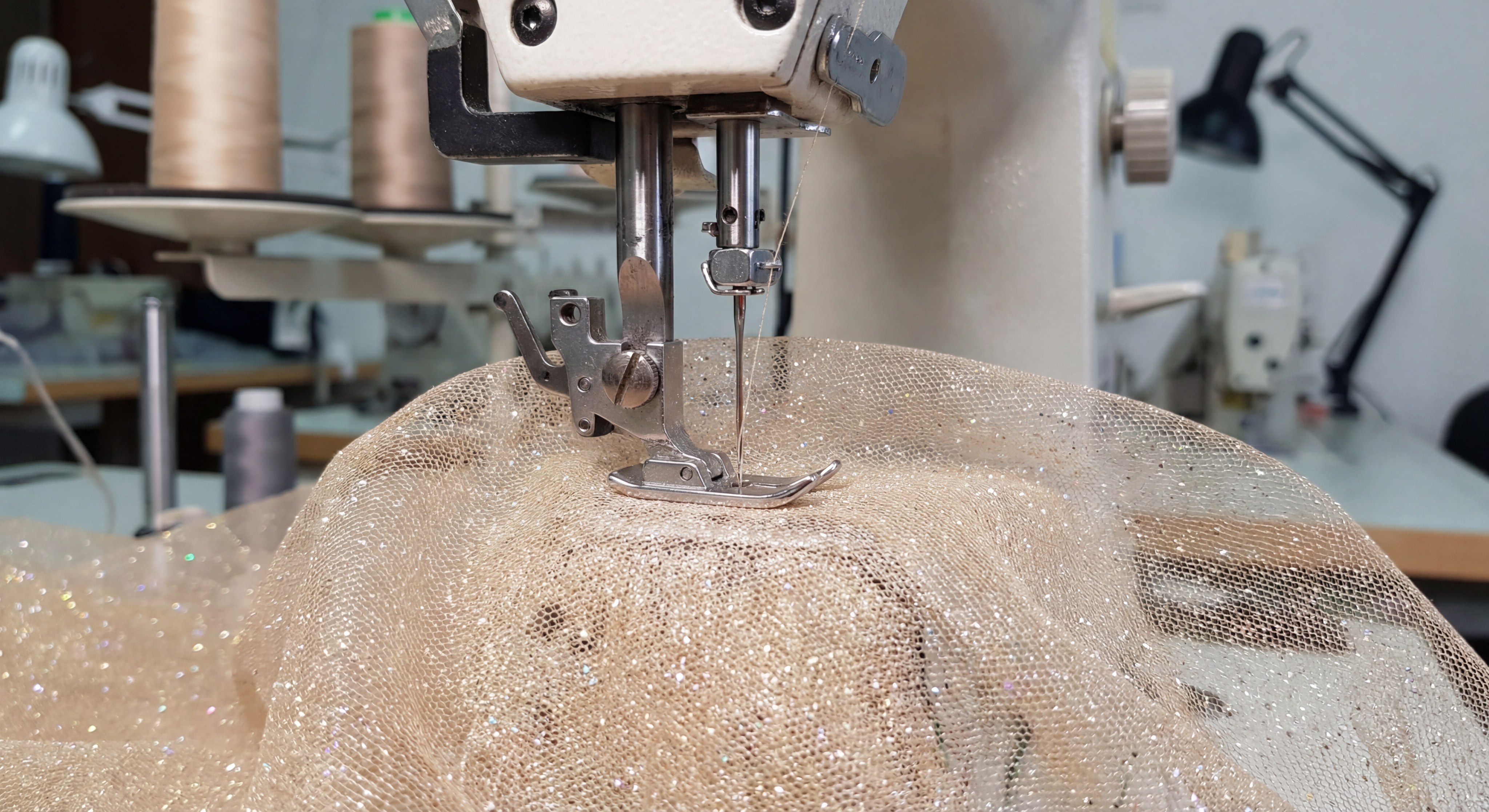
Tulle is easier for beginners and high-speed manufacturing because it doesn’t fray, but organza provides a more stable surface for intricate tailoring and machine embroidery. In the world of industrial sewing, tulle vs organza presents different challenges for operators. Tulle can sometimes get “sucked” into the throat plate of a sewing machine due to its holes, while organza can be slippery and prone to puckering if the tension isn’t perfect.
Handling lightweight materials in bulk
The truth is, tulle allows for faster production because you can skip many edge-finishing steps. You can simply cut the mesh and sew it together, which is a major advantage for mass-market clothing.
- Use a fine “ballpoint” needle to avoid snagging the knit mesh.
- Tissue paper can be placed under the fabric to prevent it from snagging on feed dogs.
- It is highly forgiving; small sewing errors are often hidden in the layers.
Best machine settings for sheer fabric
But wait, don’t underestimate the precision required for organza. Because it is so sheer and smooth, every stitch is visible, demanding a high level of technical skill from the operator.
- Use a very fine Sharp or Microtex needle (size 60/8 or 70/10).
- Shorten the stitch length to prevent the fabric from puckering along the seam.
- High-quality polyester thread is essential for strong, nearly invisible seams.
Key Takeaway: Tulle is the most efficient choice for rapid assembly, while organza requires expert handling and meticulous seam finishing.
| Sewing Factor | Tulle (Knit) | Organza (Woven) | |
|---|---|---|---|
| Edge Treatment | None required | French seams / Hems | |
| Difficulty Level | Easy (Forgiving) | High (Precision) |
Investing in specialized needles and training for your sewing team will dramatically improve the finish of your sheer products.
What are the custom options for tulle vs organza?
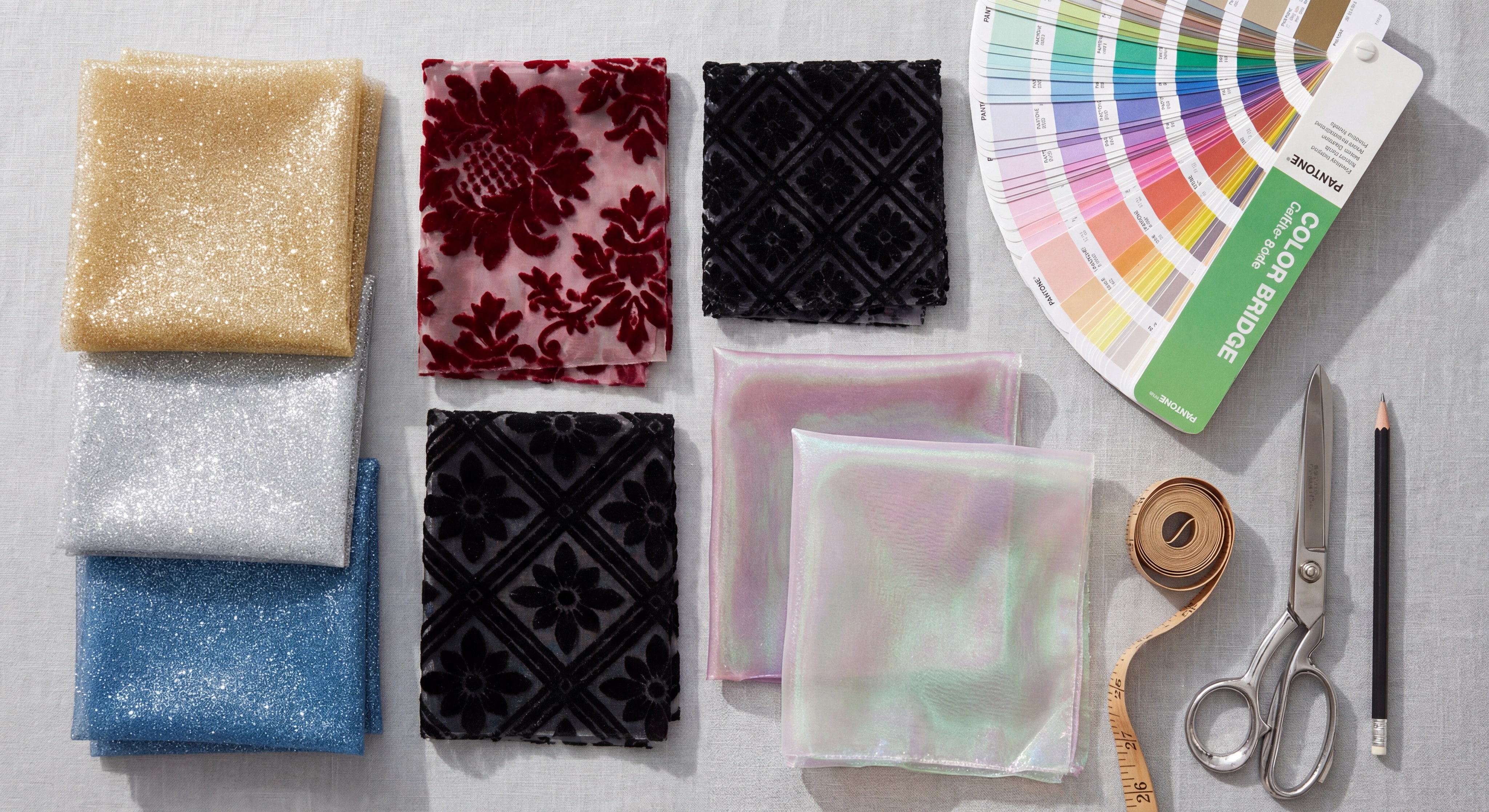
Customization is highly versatile for both fabrics, but tulle is the preferred substrate for glitter and flocking, while organza is ideal for digital printing and iridescent finishes. When you compare tulle vs organza for custom branding, the mesh structure of tulle allows for “embedded” effects. The solid surface of organza, however, provides a perfect canvas for high-resolution patterns and luxury surface treatments.
Specialty finishes and glitter applications
Here’s the deal: glitter tulle is a top-seller in the B2B market because the mesh holds the sparkle particles within its holes. This creates a brilliant, multi-dimensional shimmer that stays attached better than on flat fabrics.
- Flocking adds a velvet-like texture to the mesh for holiday designs.
- Pearl and sequin attachments are more stable on reinforced tulle.
- Color-shifting pigments look incredible when applied to a fine net.
Custom color matching for global brands
But wait, there’s more to customization than just sparkles. For brands that require exact Pantone matching, organza often provides more accurate results because the solid weave absorbs dye more consistently.
- Iridescent organza creates a “chameleon” effect that changes color with movement.
- Digital printing on organza results in sharp, vibrant imagery for luxury scarves.
- Manufacturers can offer “crinkled” or “pleated” organza for unique textures.
Key Takeaway: Leverage tulle for textural and sparkling customizations, and use organza for high-definition prints and sophisticated color effects.
| Customization | Best for Tulle | Best for Organza | |
|---|---|---|---|
| Glitter / Flocking | Yes (Excellent) | Moderate | |
| Digital Printing | Poor (Too porous) | Yes (Superior) |
Choosing the right substrate for your custom finish is critical for achieving a durable and visually striking end product.
Elevate Your Designs with Expert Sourcing
Choosing between these two fabrics shouldn’t be a source of production delays or design frustration. Whether you need the airy, non-fraying versatility of a warp-knit mesh or the crisp, glossy elegance of a woven sheer, we provide the technical expertise and high-volume capacity to support your brand’s vision. From global bridal houses to industrial manufacturers, our KARL MAYER-equipped facility ensures every meter meets international quality standards. If you are ready to optimize your supply chain or need a custom sample analyzed, please contact us today. Let’s build a future of exquisite textiles together with the perfect balance of tulle vs organza .
FAQ
How do I know if I need tulle or organza for a skirt?You should choose tulle if you want a soft, “puffy” ballerina look and organza if you want a crisp, structured silhouette. Tulle is better for volume with multiple layers, while organza excels as a single, elegant overlay.
What’s the best way to prevent organza from fraying at the seams?You must use professional finishing techniques like French seams, rolled hems, or bias binding to lock the edges. Unlike tulle, the woven threads of organza will unravel quickly if left raw.
Can I use tulle as a substitute for organza in structured designs?Generally no, because tulle is too soft to hold the sharp, architectural folds that organza provides. However, you can use a very stiff grade of tulle as a hidden support layer under softer fabrics.
How do I know if the tulle quality is suitable for B2B export?You should look for uniform hexagonal hole shapes, consistent weight across the bolt, and a “clean” finish without loose filaments. High-quality export tulle is typically produced on advanced German machinery to ensure global compliance.
What is the best way to handle large volumes of sheer fabric in a factory?You need to use specialized cutting tables and sharp rotary blades to prevent snagging during the preparation phase. Organizing your warehouse with professional textile rolls ensures the fabric remains wrinkle-free and ready for high-speed sewing.