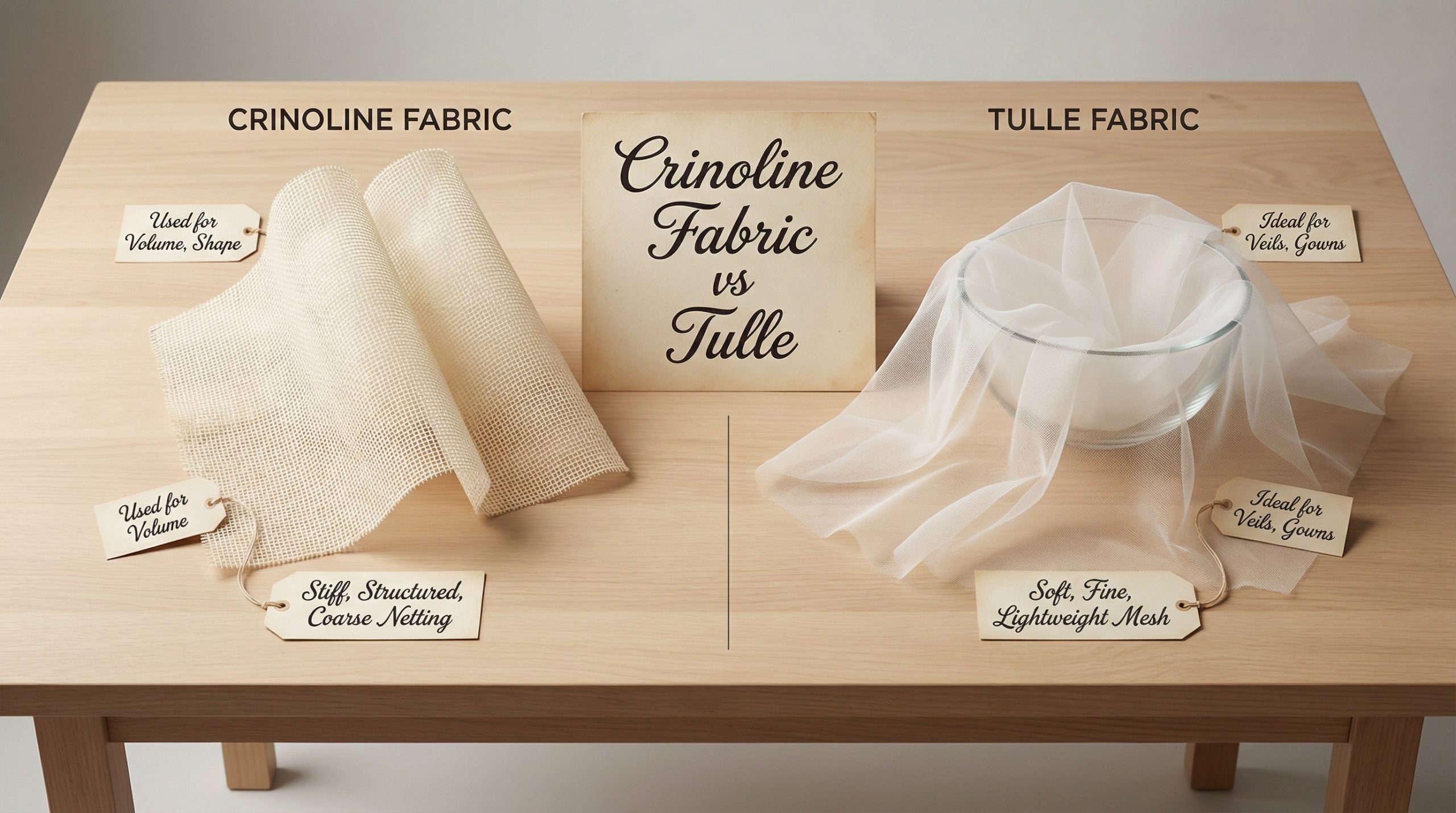
Tulle fabric is a lightweight, extremely fine, machine-made netting that features a signature hexagonal mesh pattern used extensively in bridal veils, evening gowns, and ballet tutus. Choosing the wrong structural material for your design can lead to a collapsed silhouette or an uncomfortably scratchy garment that lacks the professional “float” seen on global runways. Imagine the frustration of spending weeks sewing a multi-layered skirt only to realize the drape is too stiff for the intended movement, or using a material that tears under the weight of luxury embellishments. This comprehensive guide clarifies the complexities of hexagonal mesh, explores the nuances of crinoline fabric vs tulle , and categorizes every variety to ensure your next textile project is a resounding success.
What is tulle fabric exactly?
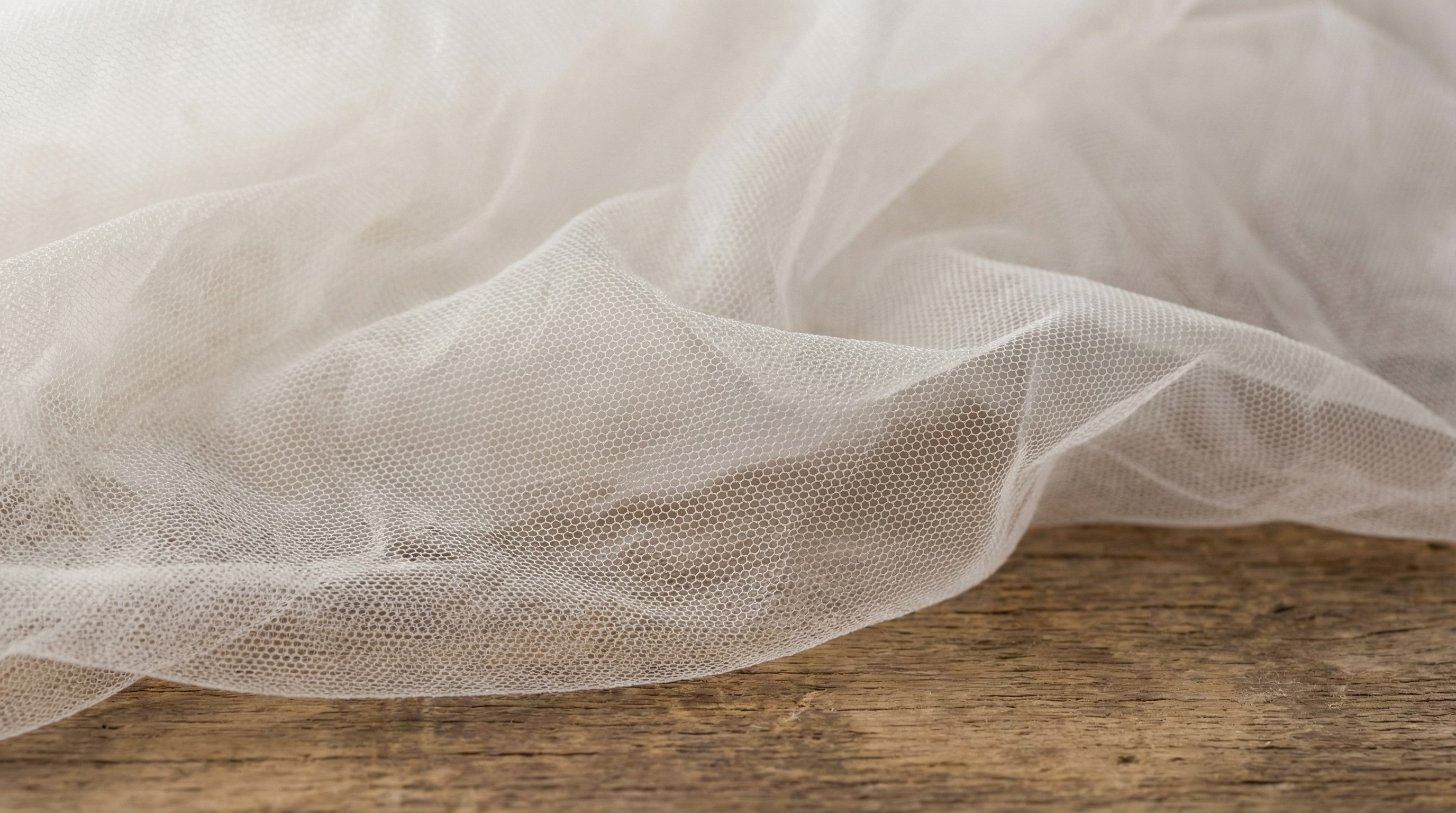
Tulle is a fine, airy netting characterized by its small, uniform hexagonal openings that create a sheer, cloud-like appearance in high-fashion and bridal applications. When designers compare crinoline fabric vs tulle , they often look for the specific balance of softness and structural integrity that only a genuine hexagonal weave can provide. Here is the bottom line: while it appears delicate, the interlocking nature of the threads gives it surprising resilience against tension.
Is tulle a type of lace or netting?
While often confused with other textiles, tulle is technically a specific sub-category of netting that is characterized by its weight and the precision of its hexagonal holes. Unlike traditional lace, which is created through intricate looping or twisting of threads into floral patterns, tulle is typically a plain or honeycomb weave. Think about it. This structural simplicity is exactly what allows it to support heavy beadwork while remaining almost invisible to the naked eye.
- Hexagonal Mesh: The standard shape for high-quality tulle.
- Diamond Mesh: A variation often found in cheaper craft netting.
- Square Netting: Typically reserved for industrial or coarse utility nets.
- Point d’Esprit: A specialized tulle featuring small embroidered dots.
What fibers are used to create modern tulle?
Modern tulle is primarily manufactured using synthetic fibers like nylon and polyester to ensure maximum durability and cost-effectiveness for bulk production. However, luxury fashion houses still utilize silk tulle for its unparalleled drape and soft skin contact, though it comes at a significant price premium. Here is why: synthetic fibers allow for much more consistent tension during the machine-weaving process, resulting in the flawless finish required for bridal veils.
Key Takeaway: Tulle is a versatile hexagonal netting that serves as the foundation for airy silhouettes, offering a unique blend of transparency and strength depending on its fiber content.
| Feature | Tulle Characteristic | Benefit to Designer | |
|---|---|---|---|
| Hole Shape | Hexagonal Honeycomb | Provides multidirectional stretch and stability | |
| Weight | Ultralight (GSM < 20) | Allows for extreme layering without heavy weight | |
| Edges | Non-fraying | Eliminates the need for complex hemming or finishing |
The structural design of tulle makes it the superior choice for garments requiring volume without the density of traditional woven fabrics.
Where did tulle fabric originate?
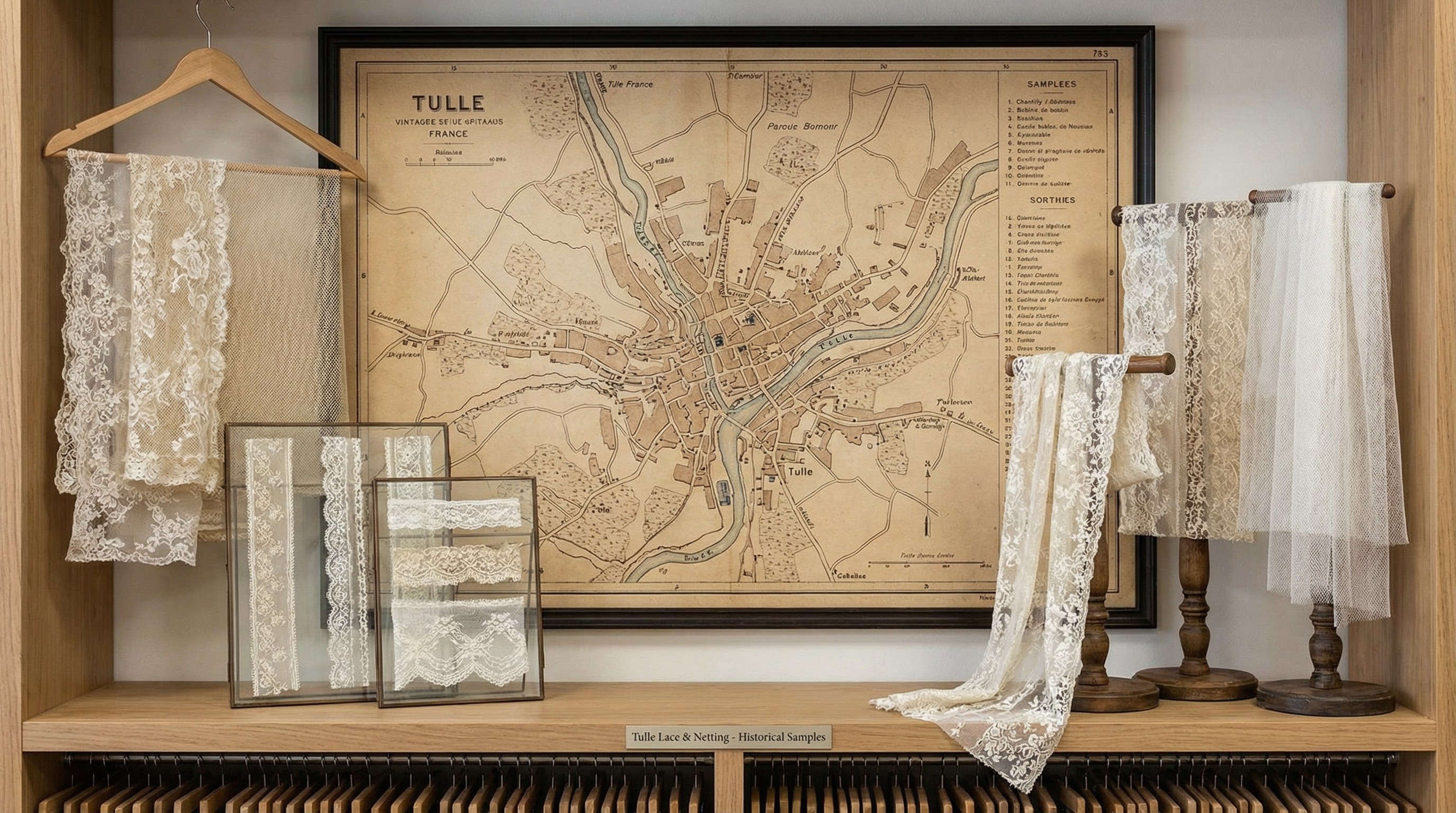
The origins of tulle fabric trace back to the city of Tulle in the Corrèze region of southern France, which became a world-renowned center for lace and silk netting in the 1700s. Understanding the history of fine mesh allows you to appreciate how this material evolved from a handmade luxury for aristocrats into a global staple of the garment industry. Before the industrial revolution, creating a single yard of this delicate mesh required hundreds of hours of manual labor by skilled lace-makers.
Why is the fabric named after a city in France?
The fabric honors its geographical birthplace, Tulle, where local artisans first mastered the technique of creating a mesh that mimicked the look of lace but with a more uniform structure. During the 18th century, the “Point de Tulle” became a status symbol among European nobility, often used for delicate ruffs and sleeve cuffs. Think about it. The city’s dedication to textile innovation laid the groundwork for the airy aesthetic that still dominates the bridal industry today.
- 1700s: Hand-knotted silk netting emerges in the city of Tulle, France.
- 1808: John Heathcoat invents the bobbinet machine in England, automating production.
- 1840s: Queen Victoria popularizes the white wedding veil, making tulle a bridal essential.
- 1950s: The rise of synthetic fibers like nylon makes tulle affordable for mass-market fashion.
- Modern Era: Technical tulles are developed for everything from filters to high-tech sportswear.
How did the invention of the bobbinet machine change history?
The invention of the bobbinet machine by John Heathcoat in 1808 revolutionized the textile world by allowing for the mass production of perfectly uniform hexagonal mesh. This technological leap meant that tulle was no longer restricted to the ultra-wealthy, as machines could produce in minutes what used to take weeks by hand. Here is why: the machine replicated the “twist and turn” of hand-made lace, ensuring the fabric remained stable and did not unravel when cut.
Key Takeaway: Tulle transitioned from a handcrafted French luxury to a globally accessible fabric thanks to the industrial innovation of the bobbinet machine.
| Era | Production Method | Primary Audience | |
|---|---|---|---|
| Pre-1800 | Manual hand-knotting | European Royalty and Aristocracy | |
| 19th Century | Bobbinet Steam Power | Rising Middle Class and Bridal Markets | |
| 21st Century | High-speed Computerized Looms | Global Fashion and Industrial Sectors |
The historical evolution of tulle reflects the broader shift from artisanal craft to high-speed industrial manufacturing while maintaining its aesthetic charm.
What is the main difference between crinoline fabric vs tulle?
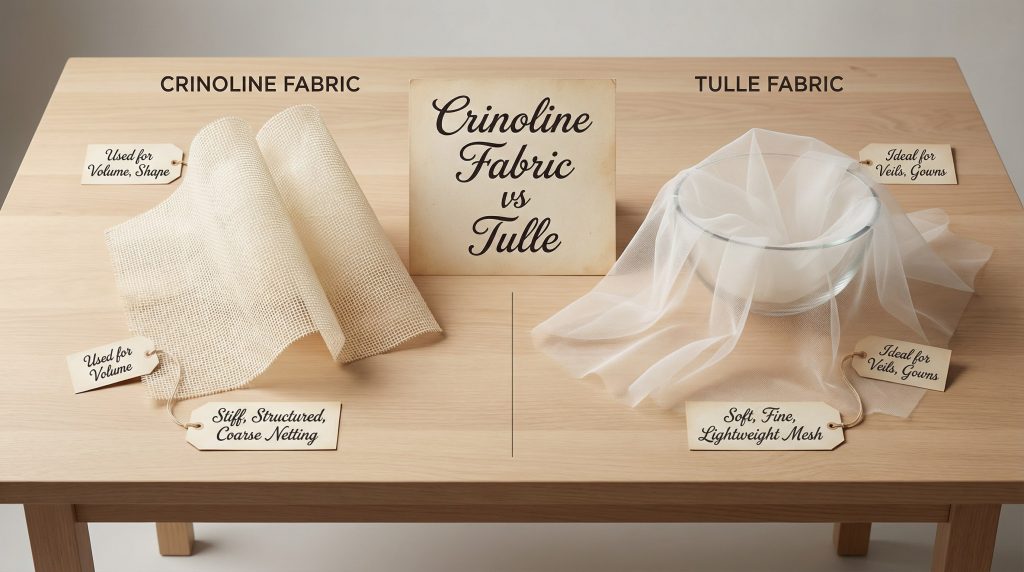
The primary difference between crinoline fabric vs tulle lies in their structural rigidity; crinoline is a stiff, wiry material designed for support, while tulle is a soft, airy mesh used for aesthetics and light volume. While both are technical nettings, you will immediately notice that crinoline (often called horsehair net) is significantly coarser to the touch. But wait, there’s more. Using the wrong one can completely ruin the silhouette of a gown, either by making it too limp or too unnaturally stiff.
Which fabric offers more structural stiffness?
Crinoline is the undisputed leader in structural stiffness, engineered specifically to hold the weight of heavy skirts without collapsing under pressure. It is often made from plastic-like polyester fibers or treated with starch and resin to maintain a permanent, springy shape. Think about it. If you are building a 1950s-style circle skirt or a massive ballroom gown base, crinoline is your essential structural foundation.
- Crinoline: High stiffness, coarse texture, used for inner support.
- Tulle: Low to medium stiffness, soft texture, used for outer layers.
- Weight Comparison: Crinoline is generally heavier and denser than bridal tulle.
- Flexibility: Tulle drapes and moves with the body, whereas crinoline resists bending.
Is crinoline fabric vs tulle better for high-fashion silhouettes?
Choosing between crinoline fabric vs tulle depends entirely on whether you want the volume to be visible and fluid or hidden and architectural. High-fashion designers often use a combination of both: a crinoline underskirt to provide the “bones” of the dress and multiple layers of tulle on top to provide a soft, ethereal finish. Here is why: tulle alone often lacks the “push” needed to keep a heavy satin skirt from clinging to the legs during movement.
Key Takeaway: Crinoline provides the hidden structural “architecture” of a garment, while tulle provides the visible, decorative “atmosphere.”
| Property | Tulle Fabric | Crinoline Fabric | |
|---|---|---|---|
| Stiffness | Soft to Medium | High Rigidity | |
| Common Use | Veils, Tutus, Gown Overlays | Underskirts, Petticoats, Hat Brims | |
| Texture | Smooth and Delicate | Coarse and Wiry |
Understanding the distinct mechanical properties of these two fabrics is vital for any designer aiming to master the art of volume.
How many types of tulle are available for designers?
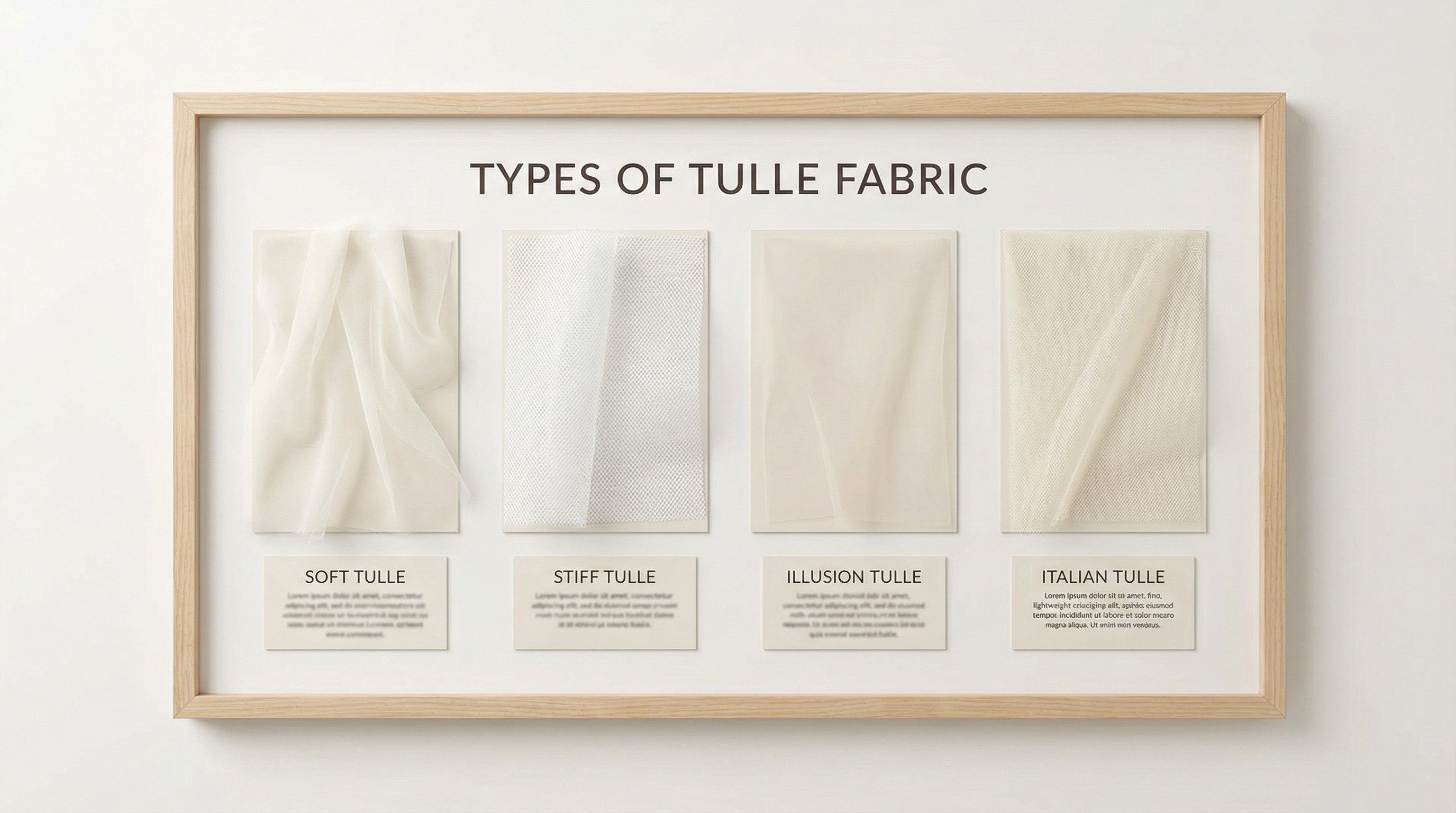
There are dozens of specialized tulle varieties available, ranging from the buttery softness of Italian silk tulle to the shimmering brilliance of sequined decorative mesh. When you browse for decorative tulle options , you must select a type that matches both your aesthetic vision and the technical requirements of the garment. The best part? Each variation offers a different “hand” and “bounce,” allowing for infinite creative possibilities in couture design.
What defines the luxury of Italian tulle?
Italian tulle is widely regarded as the gold standard in the fashion industry due to its exceptionally fine weave and the superior quality of the nylon or silk fibers used. It possesses a unique “memory” that allows it to retain its shape after being compressed, making it a favorite for runway pieces. Think about it. The sheer transparency of Italian tulle is so high that it often appears invisible against the skin, making it perfect for “illusion” necklines.
- Silk Tulle: The most expensive, softest, and most fluid variety.
- Nylon Tulle: The industry standard for bridal veils and durability.
- Polyester Tulle: Often stiffer and more affordable, great for crafts.
- Glitter Tulle: Infused with sparkling particles for evening wear.
- Stretch Tulle: Contains elastane for form-fitting mesh garments.
- Beaded Tulle: Pre-embellished with pearls, crystals, or sequins.
- Point d’Esprit: Features a nostalgic, dotted woven pattern.
How do English and French tulle varieties differ?
English tulle, or “English Net,” is generally heavier and more durable than its French counterparts, often used for gowns that require more substantial support. French tulle, meanwhile, is famous for its delicate, almost weightless feel and is frequently used in the construction of luxury lingerie and high-end veils. Here is why: the difference lies in the gauge of the machine and the specific tension settings used during the manufacturing process in each region.
When should you use sparkling or embroidered tulle?
Sparkling and embroidered tulles are best utilized for top layers where the intricate details can be fully appreciated without being obscured by other fabrics. These decorative varieties add texture and light-reflecting properties to a garment, making them ideal for gala dresses or theatrical costumes. But wait, there’s more. You should always consider the weight of the embroidery, as excessive beads can cause the delicate tulle base to sag if not properly supported.
Key Takeaway: From functional nylon to luxury silk, the type of tulle you choose dictates the final drape, shine, and structural success of your garment.
| Tulle Type | Best Application | Visual Effect | |
|---|---|---|---|
| Illusion | Necklines and Sleeves | Disappears against skin | |
| Bridal | Multi-layer Skirts | Crisp, airy volume | |
| Stretch | Bodysuits and Lingerie | Form-fitting and flexible |
Selecting the correct tulle variety ensures that your design meets both the aesthetic and functional needs of the wearer.
Why is tulle the preferred choice for bridal wear?
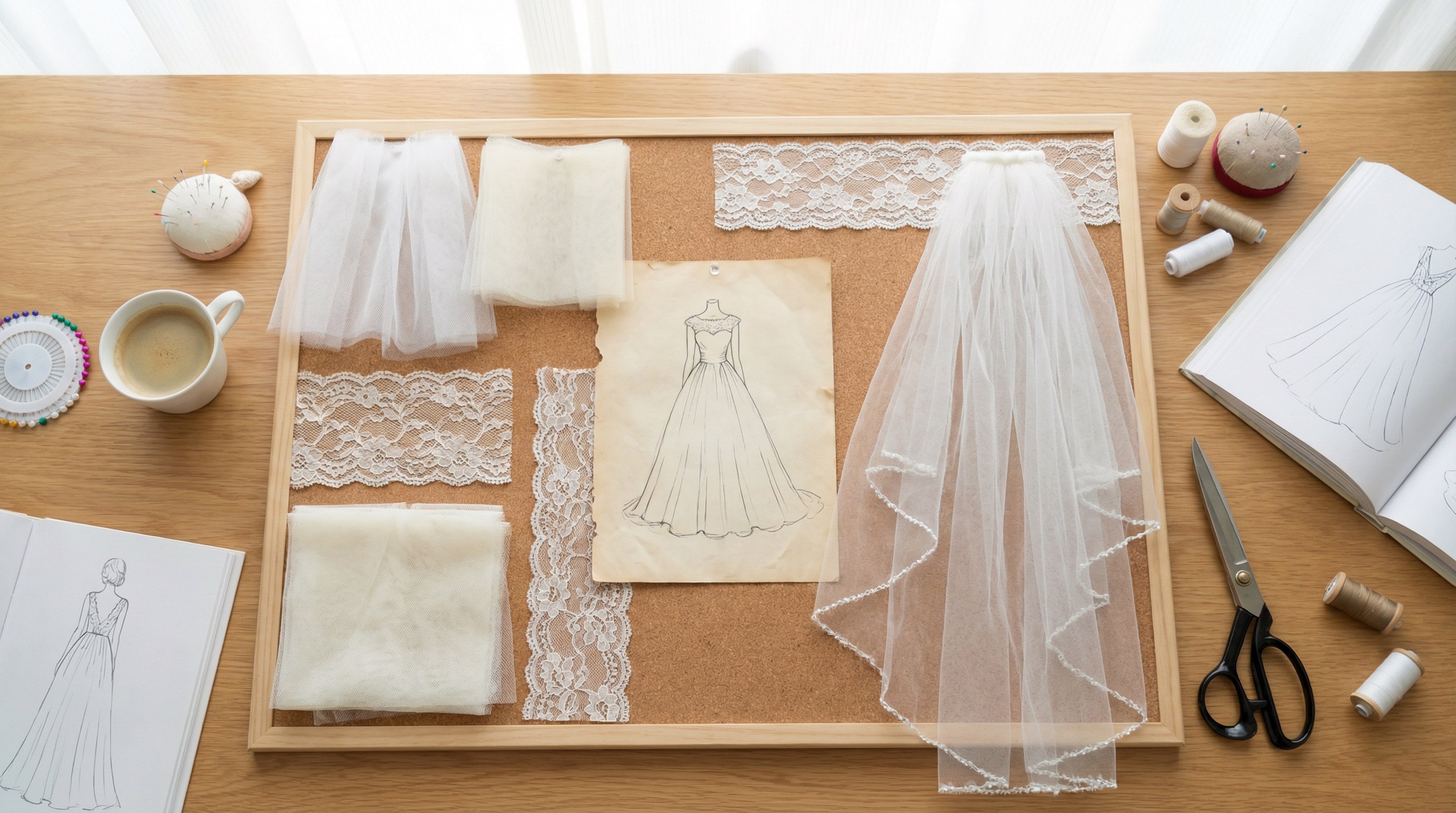
Tulle remains the preferred choice for bridal wear because it provides a romantic, ethereal volume that no other fabric can replicate while remaining incredibly lightweight for the bride. When navigating the choice of crinoline fabric vs tulle for a wedding gown, designers prioritize tulle for the visible outer layers to create a soft-focus effect. Here is the bottom line: its ability to hold a wide, “princess” shape without the density of satin makes it a practical yet magical textile choice.
What is illusion tulle and why is it used for veils?
Illusion tulle is a specific, ultra-fine variety designed to be nearly invisible, making it the perfect medium for bridal veils that shouldn’t hide the bride’s face. It features a much higher hole count per square inch, which creates a smooth surface that doesn’t catch on hair or jewelry as easily as coarser nets. Think about it. The goal of a veil is to provide a misty, romantic aura, and illusion tulle achieves this better than any other material on the market.
- Transparency: Allows the details of the dress to show through the veil.
- Softness: Gentle against the skin of the face and shoulders.
- Drape: Falls in soft, vertical folds rather than stiff peaks.
- Versatility: Can be easily embellished with lace appliqués or crystals.
How do designers layer soft tulle for volume?
To achieve that iconic “floating” look, designers often layer dozens of panels of soft tulle on top of one another rather than using one thick piece. This technique creates trapped air pockets between the layers, which provides natural lift and a beautiful sense of depth. Here is why: by varying the lengths and gathers of each layer, you can create a customized silhouette that ranges from a slim A-line to a massive ballgown.
Key Takeaway: Tulle’s unique combination of transparency and “loft” makes it the indispensable fabric for creating the timeless bridal aesthetic.
| Layering Technique | Effect | Recommended Tulle | |
|---|---|---|---|
| Tight Gathering | Maximum “Pouf” and lift | Soft or Bridal Tulle | |
| Flat Layering | Subtle shimmer and depth | Illusion or Silk Tulle | |
| Tiered Ruffles | Architectural, modern volume | Stiff or Medium Tulle |
The strategic layering of tulle is a fundamental skill that separates amateur garment construction from professional bridal couture.
What are the best techniques to sew with tulle fabric?
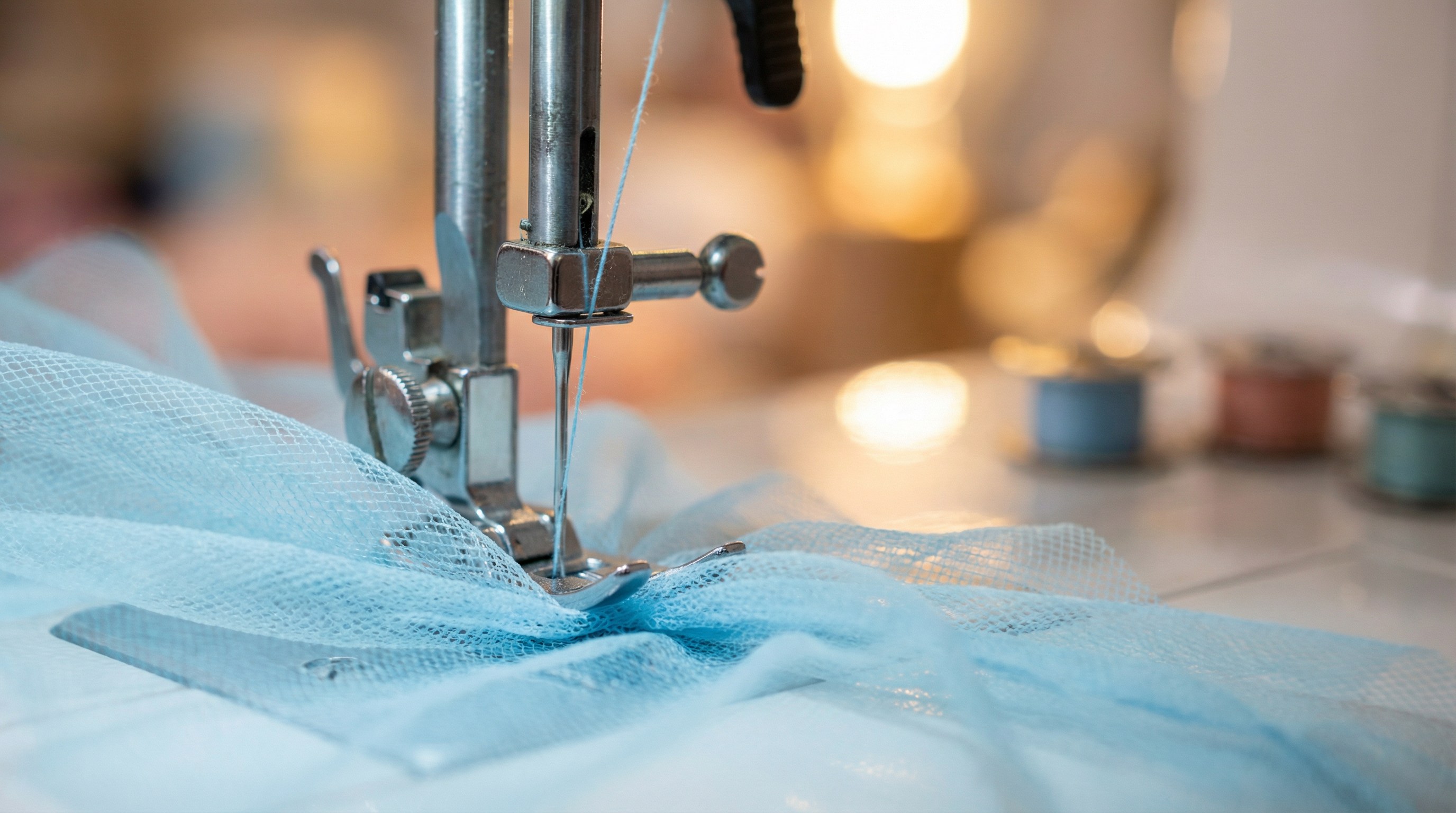
Sewing with tulle requires a specialized approach because its open-mesh structure can easily be pulled into the throat plate of your sewing machine. You must adjust your tension and choose the right tools to prevent the fabric from puckering or tearing during the assembly process. The secret is simple: treating tulle more like a structural web rather than a traditional woven fabric will save you hours of frustration.
What needle and thread size should you use?
For the best results, you should use a very fine 70/10 or 60/8 “sharp” needle and a high-quality 100% polyester thread. Since tulle is so light, a thick needle will leave visible holes in the mesh, and a heavy thread will weigh down the seams, causing them to sag. Here is why: “sharp” needles are designed to pierce the tiny threads of the mesh cleanly without snagging or pulling the delicate hexagonal structure.
- Use Tissue Paper: Place a strip of tissue paper under the tulle to prevent it from being sucked into the machine.
- Longer Stitch Length: Set your machine to a 3.0mm or 3.5mm stitch to avoid perforating the fabric like a postage stamp.
- Zig-Zag Stitches: Use a narrow zig-zag for seams that need to retain some of the fabric’s natural flexibility.
- French Seams: Always use French seams or binding to hide the raw edges of the mesh for a professional look.
- Rotary Cutters: Use a sharp rotary cutter instead of scissors to ensure perfectly straight, snag-free edges.
How do you prevent the fabric from being “eaten” by the machine?
The most common issue when sewing tulle is the fabric disappearing into the hole beneath the needle, which can lead to tangled nests of thread. You can prevent this by holding both the top and bobbin threads firmly as you start your seam to provide immediate tension. Think about it. If the machine has nothing to “grab” onto, the needle will simply push the airy mesh downward instead of stitching through it.
Key Takeaway: Success when sewing tulle depends on using fine needles, longer stitch lengths, and stabilizing the fabric during the initial transition into the machine.
| Tool/Setting | Recommended Choice | Reason | |
|---|---|---|---|
| Needle Type | Microtex or Sharp (70/10) | Prevents snagging and large holes | |
| Stitch Length | 3.0 mm | Reduces the risk of “tearing” the seam | |
| Stabilizer | Water-soluble or Tissue paper | Prevents the mesh from sinking into the machine |
Mastering these technical adjustments will allow you to handle even the finest illusion tulles with professional precision and confidence.
How do you properly wash and care for tulle?
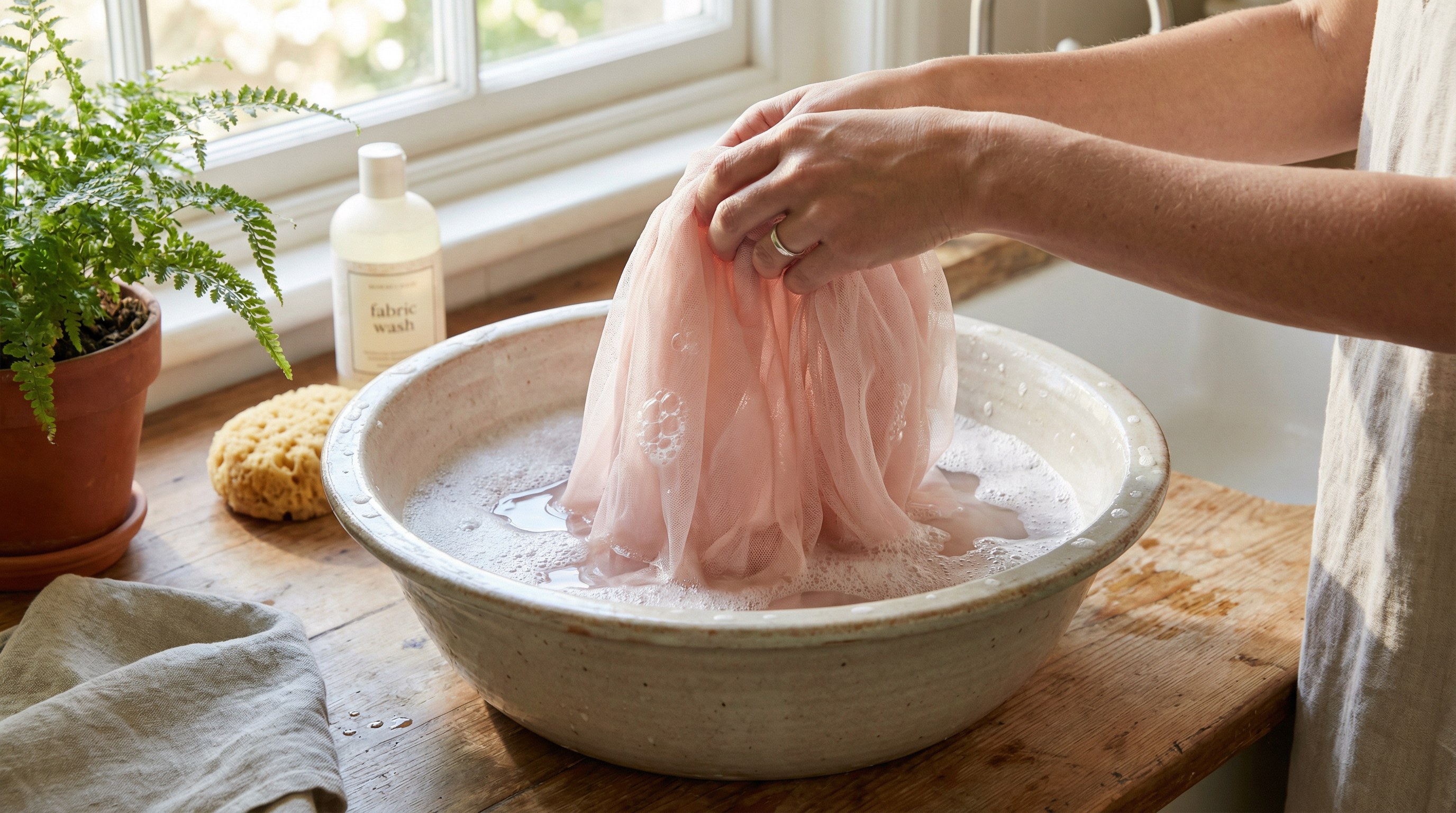
Proper care is essential because tulle is highly susceptible to heat damage, snagging, and losing its “bounce” if handled too aggressively. When comparing the maintenance of crinoline fabric vs tulle , you’ll find that tulle requires a much gentler touch to prevent the fine mesh from melting or distorting. Here is the bottom line: hand washing in cool water is always the safest method for preserving the longevity of any tulle-based garment.
Can you machine wash tulle without damaging the mesh?
While hand washing is preferred, you can machine wash some synthetic tulles if you place them inside a mesh laundry bag on the most delicate cycle. However, you must never use the spin cycle, as the high-speed centrifugal force can permanently crease the fabric or cause it to wrap around the agitator. Think about it. The friction against other clothes is the primary cause of the “pilling” and fuzziness often seen on old tulle skirts.
- Fill a Basin: Use cool water and a very mild, bleach-free detergent.
- Submerge and Soak: Gently swish the garment for 5-10 minutes; do not scrub or wring.
- Rinse Thoroughly: Use cool, clean water until all soap suds are gone.
- Air Dry Only: Lay the garment flat on a clean towel or hang it carefully by the waistband.
- Remove Wrinkles: Use a handheld steamer on the lowest setting, keeping the nozzle several inches away.
What is the safest way to remove wrinkles?
The safest way to remove wrinkles from tulle is through the use of steam, as a traditional iron will often melt the synthetic fibers instantly. If you do not have a steamer, hanging the garment in a steamy bathroom for twenty minutes can often relax the most stubborn creases. Here is why: steam gently swells the fibers back into their original shape without the destructive direct contact of a hot metal plate.
Key Takeaway: Gentleness is paramount; avoid heat and agitation to keep your tulle looking crisp, clear, and voluminous for years.
| Care Aspect | Recommended Action | Risk if Ignored | |
|---|---|---|---|
| Washing | Hand wash in cool water | Shredding or snagging of the mesh | |
| Drying | Air dry (Lay flat) | Stretching or permanent distortion | |
| De-wrinkling | Low-heat steaming | Melting or scorching the fabric |
By following these preservation guidelines, you ensure that your investment in high-quality mesh continues to perform and look its best.
What creative projects can you make with tulle?
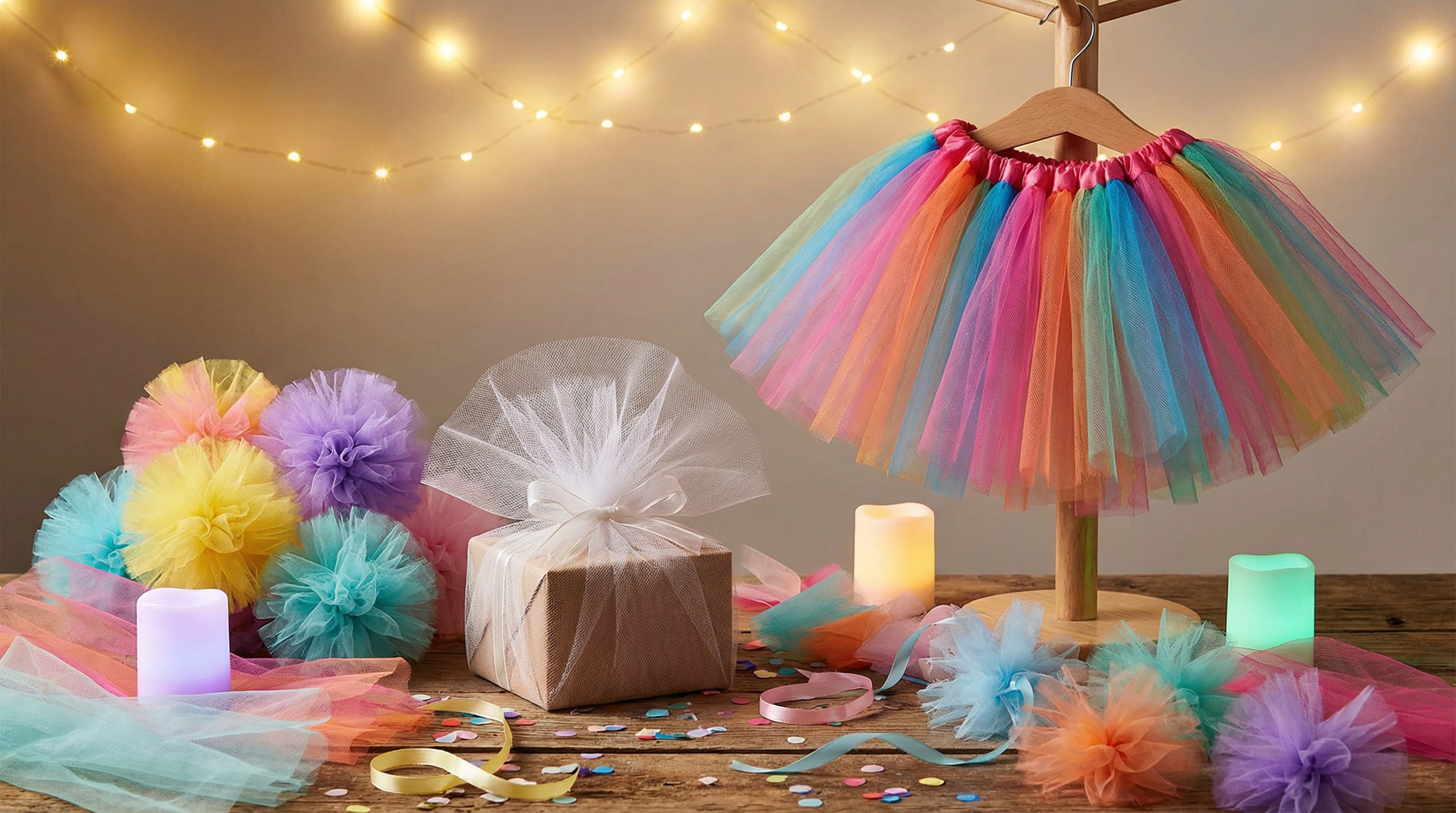
Beyond the world of high fashion, tulle is a staple in the DIY and craft community due to its low cost and the fact that it does not fray when cut. You can find inspiration for your next project by checking the latest fabric trends , which often feature tulle in everything from home decor to gift wrapping. Think about it. Its ability to hold shape while remaining transparent makes it one of the most versatile materials for temporary decorations and party favors.
How do you create a classic ballerina tutu?
A classic ballerina tutu is created by layering multiple stiff tulle ruffles onto a fitted basque, with each layer being slightly shorter than the one below it. For a “no-sew” version, you can simply tie strips of tulle onto an elastic waistband using a basic slip knot (lark’s head knot). Here is why: the density of the knots provides the necessary lift to make the skirt stand out horizontally from the body.
- Party Decor: Creating giant tulle pom-poms or ceiling drapes.
- Gift Wrapping: Using tulle ribbon for a voluminous, high-end look.
- Wreaths: Wrapping foam rings in colored tulle for holiday decor.
- Flower Bouquets: Adding a tulle collar to floral arrangements for a soft finish.
- Mosquito Netting: Using wide-width tulle for functional bed canopies.
Can tulle be used for home decor and gift wrapping?
Tulle is an excellent choice for home decor, especially for nursery canopies or window treatments where you want soft light filtration without losing privacy. In gift wrapping, a simple tulle bow can make a standard package look like it came from a luxury boutique. But wait, there’s more. Because tulle is so light, you can use massive amounts of it for event decor without needing heavy-duty support structures or expensive hardware.
Key Takeaway: Tulle’s versatility extends far beyond clothing, serving as a primary material for event planning, home styling, and creative gifting.
| Project Type | Best Tulle Variety | Key Benefit | |
|---|---|---|---|
| Ballerina Tutu | Stiff/Diamond Mesh | Maximum horizontal lift | |
| Gift Wrapping | Shimmer/Glitter Tulle | High visual impact and “pop” | |
| Window Sheers | Soft/Wide-width Tulle | Beautiful light diffusion |
Whether you are a professional designer or a weekend crafter, tulle offers a unique set of properties that simplify the creation of beautiful, high-volume objects.
When should you use crinoline fabric vs tulle for volume?
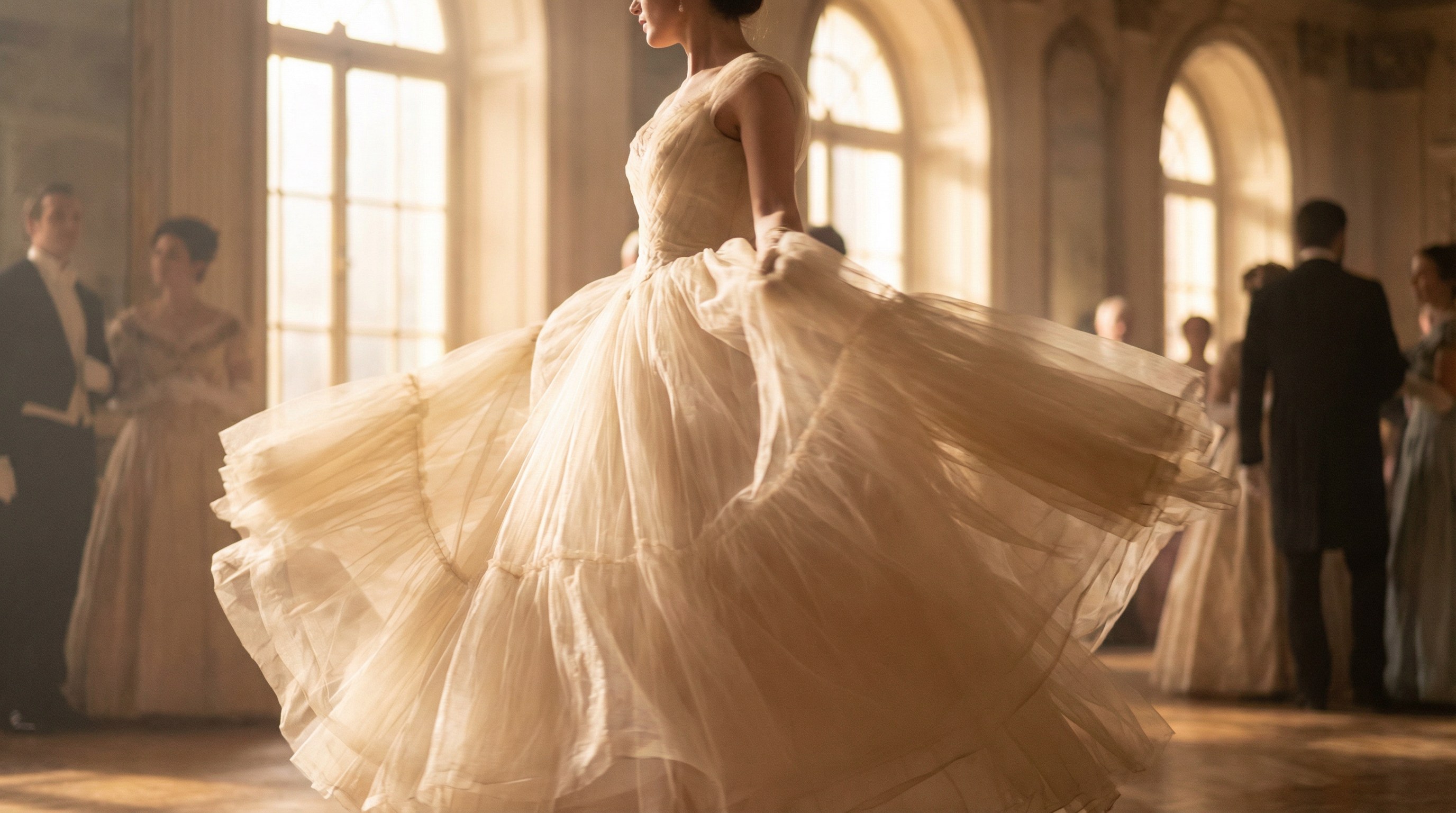
Deciding between crinoline fabric vs tulle for volume depends on whether the garment needs to be self-supporting or if it should have a soft, cloud-like movement. You might be wondering: “Can I just use more tulle instead of crinoline?” While you can, the sheer weight of fifty layers of tulle will eventually start to collapse on itself, whereas a single layer of crinoline provides permanent “spring.”
Is crinoline better for hidden underskirts?
Crinoline is almost always the better choice for hidden underskirts because its coarse texture can be irritating against the skin, necessitating it to be “sandwiched” between a lining and the outer dress. Its main job is to act as a scaffold, pushing the outer dress fabric away from the legs to create a specific historical or dramatic silhouette. Think about it. Without crinoline, the iconic “New Look” silhouettes of the 1950s would have looked flat and lifeless.
- Weight Support: Crinoline handles heavy brocades and satins effortlessly.
- Shape Retention: Unlike tulle, crinoline does not “wilt” in humid conditions.
- Storage: Crinoline can often be folded and will “pop” back into shape.
- Cost-Efficiency: One layer of crinoline can replace ten layers of tulle for the same volume.
How does the weight of crinoline fabric vs tulle affect movement?
The weight of crinoline fabric vs tulle drastically changes how a dress behaves when the wearer walks or dances. Tulle moves with a slow, graceful “float” that trails behind the wearer, while crinoline tends to move as a single, rigid unit that bounces. Here is why: the individual fibers in tulle are flexible and catch the air, whereas crinoline fibers are stiff and resist the aerodynamic drag that causes “floating.”
Key Takeaway: Use crinoline when you need a rigid, predictable architectural shape, and use tulle when you want soft, organic, and airy volume.
| Design Goal | Fabric Choice | Placement | |
|---|---|---|---|
| Dramatic Floor Lift | Crinoline | Bottom 12 inches of underskirt | |
| Princess Ballgown | Tulle (many layers) | Visible outer skirt panels | |
| Stiffened Hemline | Horsehair Braid (Crinoline) | Sewn directly into the hem |
Choosing the right material for volume is a strategic decision that affects the comfort, cost, and final “wow factor” of your design.
Where is the best place to source quality tulle mesh?
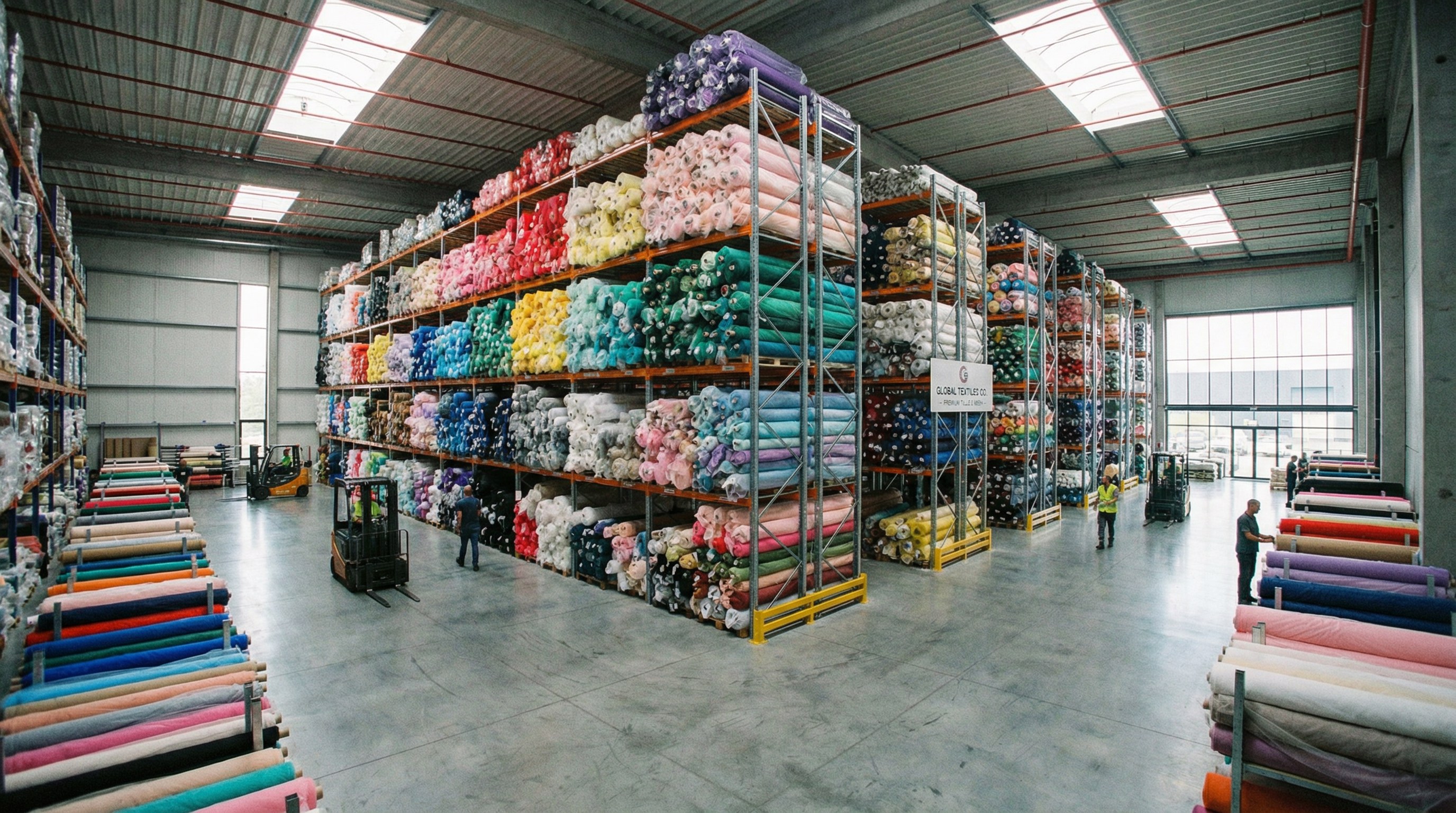
Sourcing high-quality soft tulle requires finding a supplier that understands the technical specifications of different mesh gauges and fiber compositions. You should look for wholesalers who specialize in bridal and theatrical fabrics, as they are more likely to provide consistent dye lots and flaw-free rolls. Here is the bottom line: a reputable supplier will always provide samples so you can test the “hand” and “stretch” before committing to a bulk purchase.
What should you look for in a wholesale mesh supplier?
A top-tier supplier should offer a wide range of widths, from narrow 6-inch spools for tutus to 108-inch wide bolts for seamless bridal veils. You should also verify that their tulle is “flame retardant,” especially if you are using it for event decor or children’s clothing. Think about it. Buying from a specialized mesh provider ensures you won’t end up with “scratchy” craft-grade netting when your project requires luxury bridal-grade illusion.
- Dye Consistency: Ensure they can match colors across different orders.
- Width Variety: Check for 54″, 72″, and 108″ options.
- Fiber Specs: Clear labeling of Nylon vs. Polyester vs. Silk.
- Sample Availability: Ability to feel the fabric before buying.
- Shipping Care: Rolled on tubes rather than folded to prevent permanent creases.
How can you verify the quality of a tulle sample?
To verify quality, perform a “snap test” by stretching the mesh and seeing how quickly it returns to its original hexagonal shape. You should also rub the fabric against your inner wrist to check for skin irritation, which is a common problem with lower-quality, starch-heavy tulles. Here is why: a high-quality tulle will feel remarkably smooth and will not “crunch” or hold a permanent fold when squeezed in your palm.
Key Takeaway: Investing time in sourcing a professional-grade supplier ensures that your finished garments have the luxury feel and durability required for high-end fashion.
| Supplier Criteria | Why it Matters | B2B Standard | |
|---|---|---|---|
| Certification | Safety and compliance | OEKO-TEX or Flame Retardant | |
| Inventory | Reliable production scaling | In-stock guarantee for core colors | |
| Technical Data | Precision in design | GSM and Denier specifications provided |
Finding a reliable partner for your mesh needs is the final step in transitioning from a casual sewer to a professional designer.
FAQ Section
Can I iron tulle fabric to remove creases?You should generally avoid using a dry iron on tulle as the direct heat can easily melt synthetic fibers like nylon and polyester. Instead, use a handheld steamer or hang the garment in a steamy bathroom to allow the wrinkles to fall out naturally.
What’s the best way to cut tulle without it fraying?The best way to cut tulle is with a sharp rotary cutter and a self-healing mat, which provides a much cleaner edge than traditional scissors. Because tulle is a non-woven mesh, it will not fray, meaning you don’t need to finish the edges with a hem or serger.
Can I dye synthetic tulle at home?You can dye nylon tulle at home using standard acid dyes, but polyester tulle is much more difficult and requires high-temperature dispersal dyes that are hard to manage in a home kitchen. Always perform a patch test on a small scrap to see how the mesh reacts to the dye bath.
What’s the best substitute for tulle if I want more shine?If you want more shine and a slightly crisper drape, organza is the best substitute for tulle. While it is a woven fabric rather than a mesh, it offers similar transparency with a much higher lustrous finish that catches the light beautifully.
Can I use tulle for outdoor event decorations?Yes, tulle is a popular choice for outdoor decor because it is lightweight and handles wind well without becoming a “sail.” However, you should be aware that extended exposure to direct sunlight can eventually weaken the fibers and cause colors to fade.
Summary Reference Guide
| Feature | Tulle Fabric | Crinoline Fabric | |
|---|---|---|---|
| Texture | Soft, fine, and airy | Coarse, stiff, and wiry | |
| Structure | Moderate to low support | High-rigidity support | |
| Visibility | Used for outer layers & veils | Usually hidden as an underskirt | |
| Skin Comfort | Mostly soft (variety dependent) | Often scratchy; requires lining | |
| Hole Shape | Distinct Hexagonal | Square or Coarse Netting |
Selecting the right material between these two is the most critical decision for achieving the perfect balance of comfort and volume in your next design. To ensure your projects always feature the highest quality materials, contact us today for expert guidance and premium mesh sourcing.