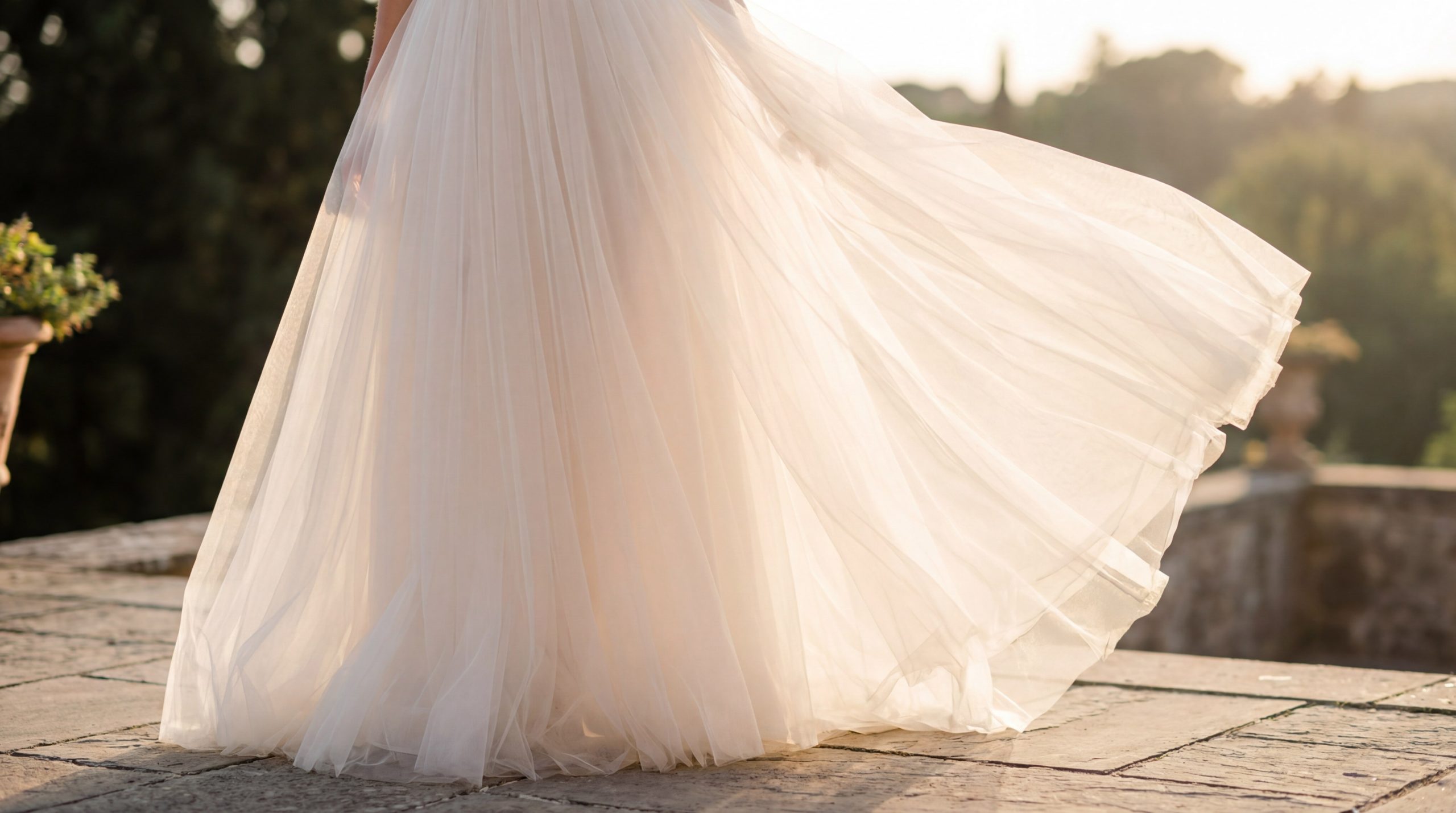
Tulle fabric is a lightweight, very fine, stiff netting made of various fibers like silk, nylon, or polyester. You are planning a dream wedding or a high-end fashion project, but the fabrics you find are either too heavy or lack that ethereal “wow” factor. It is frustrating when your vision calls for volume and lightness, but the materials available feel flat and lifeless. Choosing the wrong netting can ruin a silhouette, scratching the skin if it is too stiff or collapsing if it is too soft. This is where a professional tulle fabric definition becomes your best friend to ensure your hard work stays elegant and maintains its shape.
What is the classic tulle fabric definition and history?
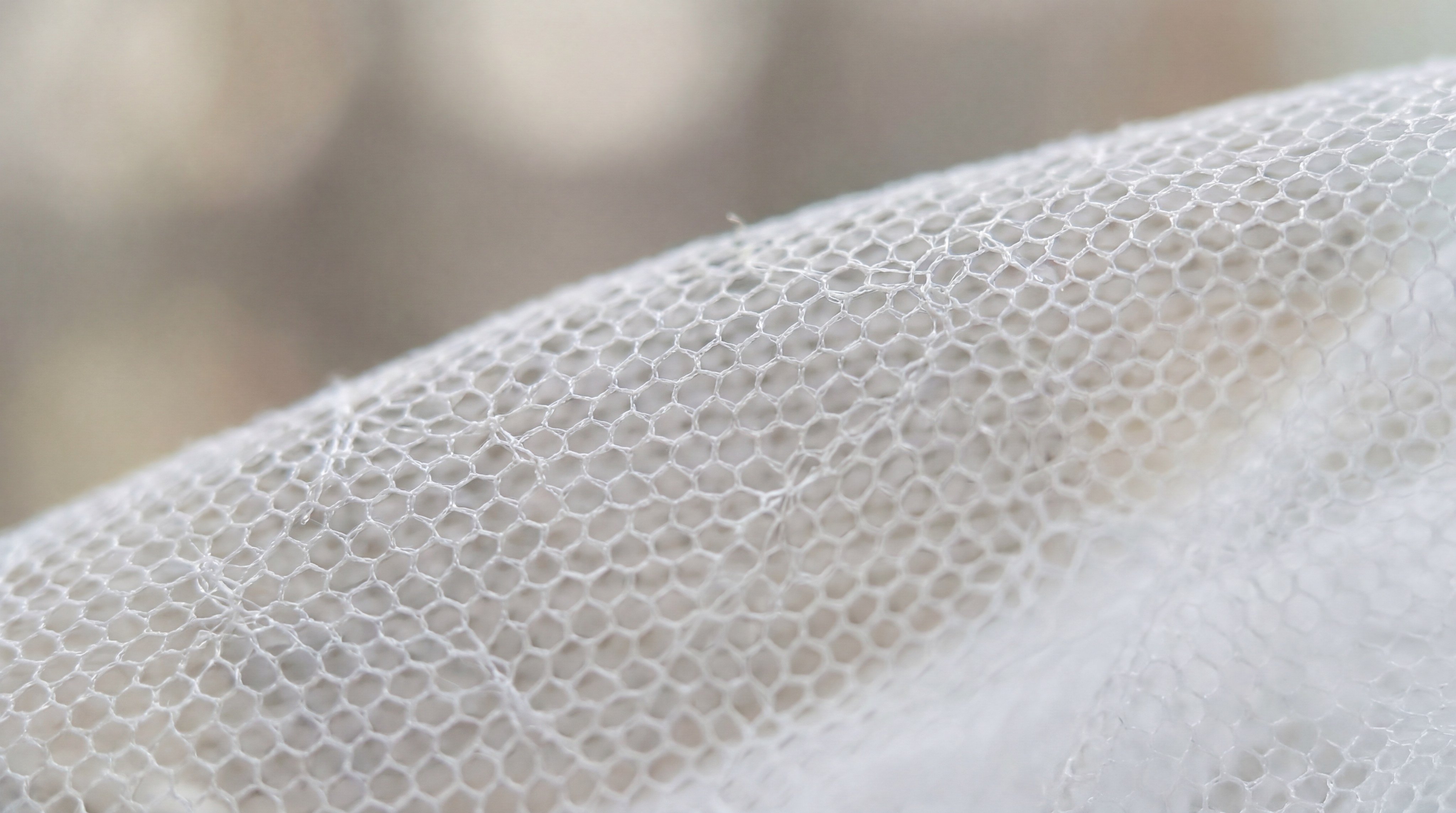
The classic tulle fabric definition traces its origins back to the 18th century in the town of Tulle, France. Originally, this delicate material was handmade to mimic the look of expensive lace for high-society garments.
Today, advanced machinery has replaced manual labor to produce massive quantities of this hexagonal mesh. It remains a global symbol of elegance and lightweight sophistication in the textile industry.
The Origins of the Tulle Mesh
Check this out:
- Hand-knotted origins in France.
- Revolutionized by the 19th-century bobbinet machine.
- Shifted from silk to synthetic fibers for durability.
- Became the standard for ballet and bridal wear.
Key Takeaway: Tulle was born in France and revolutionized by the bobbinet machine, making luxury accessible to the modern fashion world.
| Period | Milestone | Primary Use | |
|---|---|---|---|
| 1700s | Hand-made lace in Tulle, France | Luxury collars and cuffs | |
| 1800s | Invention of the Bobbinet machine | Bridal veils and ball gowns | |
| 1900s | Introduction of synthetic fibers | Ballet tutus and mass fashion | |
| Modern | High-tech polyester blends | Event decor and technical apparel |
Historical production methods highlight how the fabric evolved from a rare luxury to a versatile staple for designers everywhere.
How does the tulle fabric definition apply to characteristics?
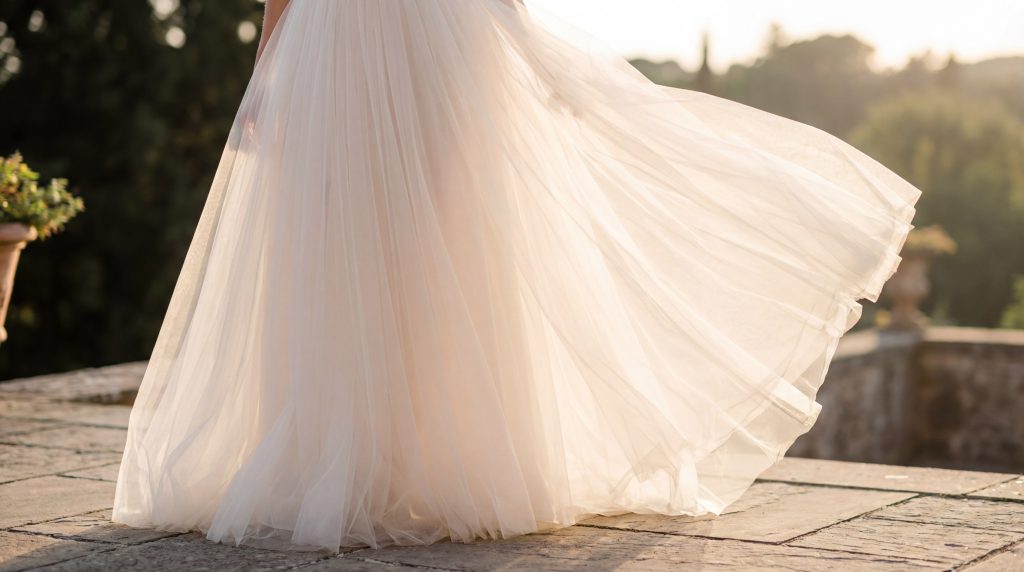
The unique tulle fabric definition centers on its lightweight, sheer, and incredibly airy nature. It is distinguished by an open mesh structure that allows for maximum breathability and light penetration.
Think about the volume it creates without adding significant weight to a garment. Because it can be manufactured in various stiffness levels, it holds architectural shapes that other fabrics simply cannot support.
Stiffness and Mesh Density Explained
Look at the details:
- Weight ranges from ultra-light 10g to sturdy 40g per square meter.
- Transparency levels vary based on layering techniques.
- Stiffness is controlled by the chemical finishing process.
- Mesh shapes are typically hexagonal or diamond-shaped.
Key Takeaway: The versatility of tulle lies in its “hand”—ranging from buttery soft for veils to structurally rigid for support.
| Attribute | Range | Impact on Project | |
|---|---|---|---|
| Weight | 10g to 40g per sqm | Determines drape and lift | |
| Transparency | High to Semi-Sheer | Affects layering and color depth | |
| Stiffness | Soft to Extra Stiff | Defines the “poof” factor | |
| Mesh Shape | Hexagonal or Diamond | Influences tear resistance |
The interplay between mesh density and stiffness allows designers to manipulate silhouettes from soft drapes to rigid, flared tutus.
What materials fit the tulle fabric definition for manufacturing?
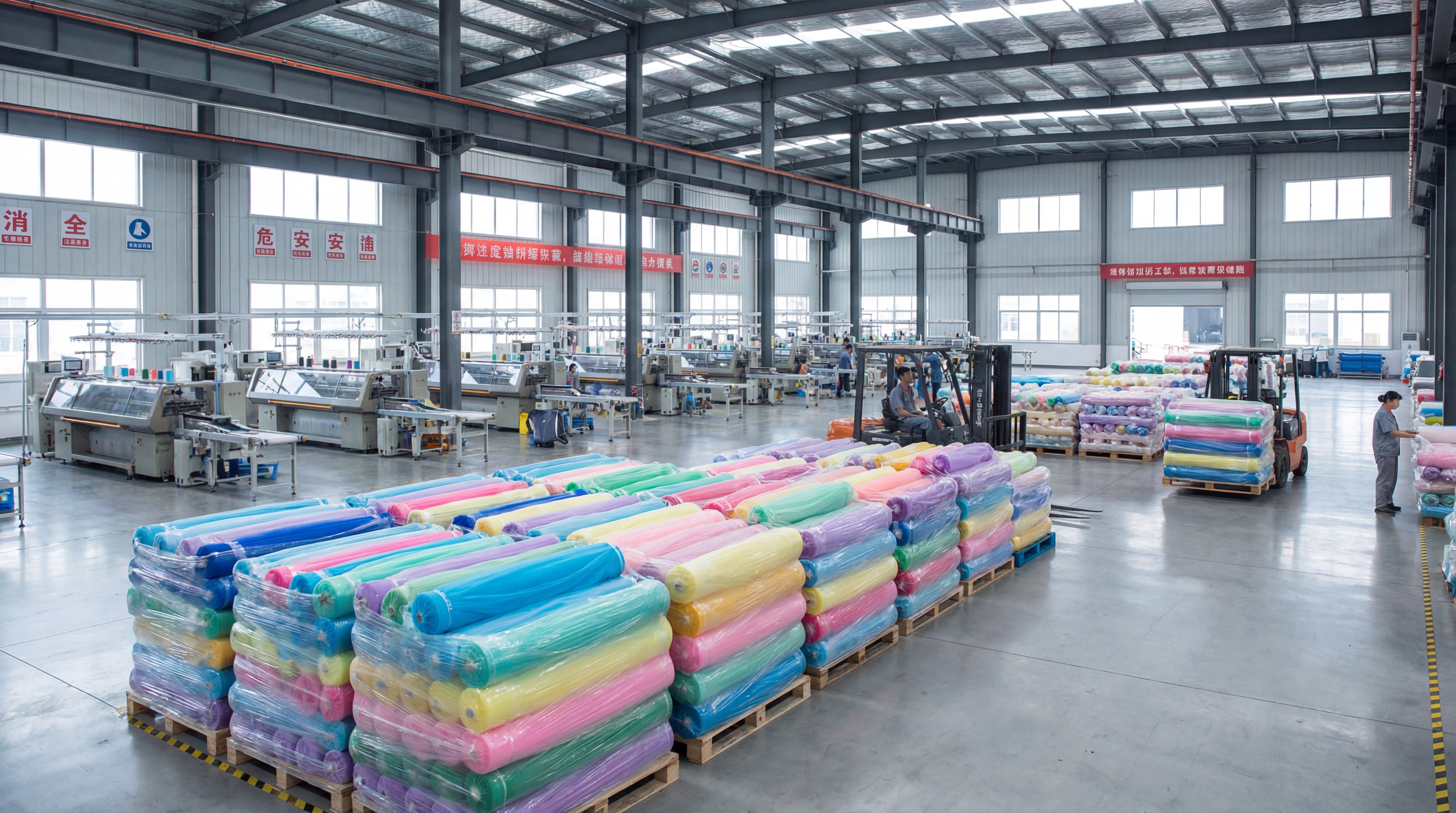
Modern textile production has expanded the tulle fabric definition to include a wide variety of synthetic and natural fibers. While silk was once the original standard, most contemporary tulle is made from nylon or polyester.
Here is the kicker: Synthetic fibers allow for vibrant dyeing and metallic finishes that natural fibers cannot easily achieve. This ensures your project stays bright and resists wrinkling even during long, high-energy events.
Comparing Synthetic and Natural Fibers
Consider these options:
- Silk offers the most luxurious drape but is extremely delicate.
- Nylon is preferred for high-end apparel due to its softness.
- Polyester provides the most budget-friendly durability for decor.
- Cotton variants offer a matte, breathable alternative for children’s wear.
Key Takeaway: Choose nylon for superior softness and skin comfort, while polyester is best for budget-friendly durability and large-scale decor.
| Fiber Type | Softness Level | Durability | Best For | |
|---|---|---|---|---|
| Silk | Elite / Very Soft | Delicate | Luxury Bridal Veils | |
| Nylon | High / Soft | Strong | Lingerie & High-End Apparel | |
| Polyester | Medium | Very Strong | Decorations & Crafting | |
| Cotton | High / Natural | Moderate | Breathable Children’s Wear |
Understanding the fiber base helps manufacturers tailor the fabric’s performance to the specific needs of the end-user.
Why is the matte tulle fabric definition vital for bridal wear?
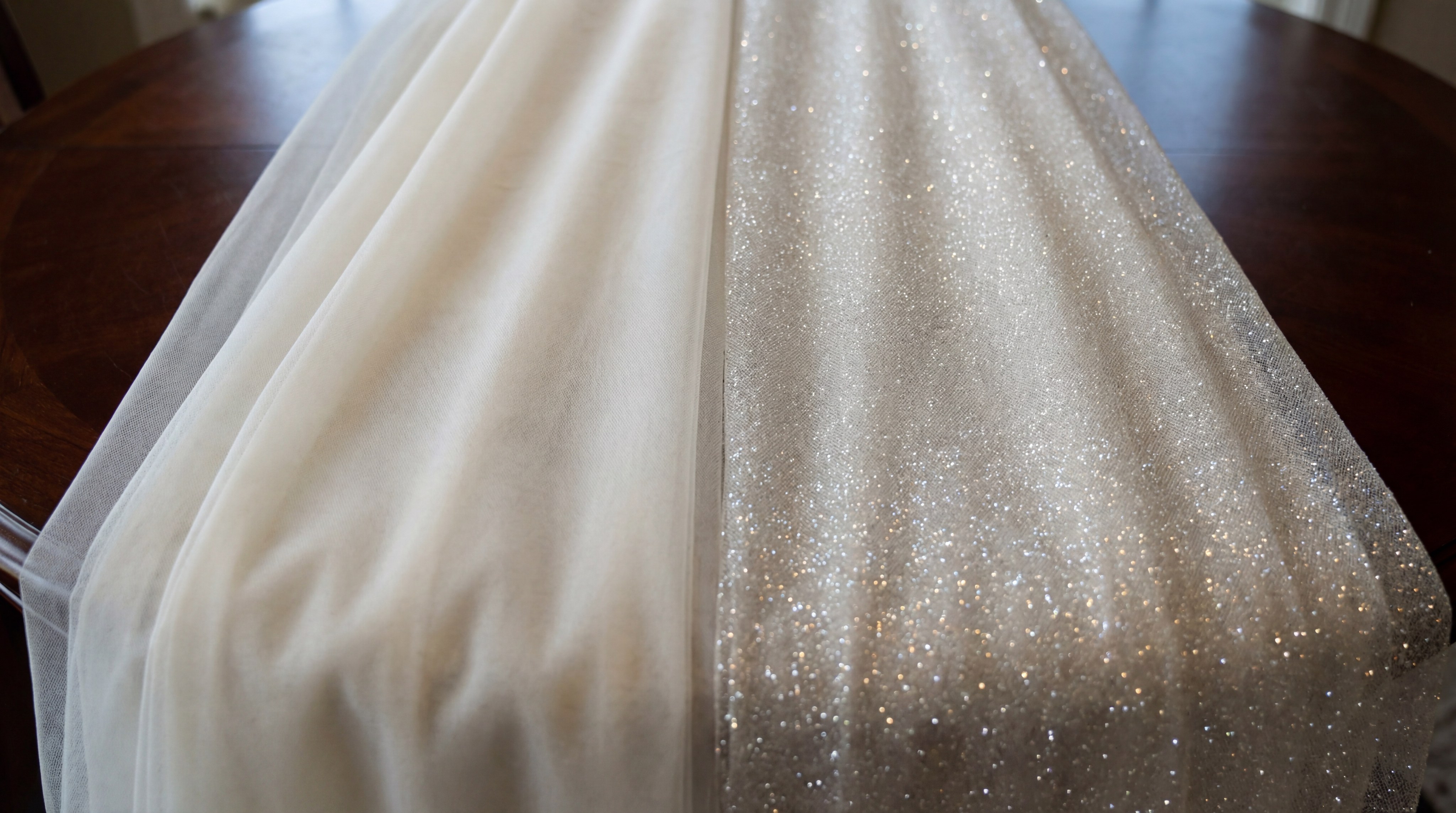
The matte tulle fabric definition refers to a specialized finish that lacks the typical high-gloss sheen found in standard synthetic nets. This is a top choice for modern brides seeking a sophisticated, understated aesthetic for their gowns.
It provides a soft-focus effect that is highly coveted by photographers. Instead of reflecting harsh light, matte tulle absorbs it, creating a dreamy and romantic atmosphere for wedding photos.
Identifying Quality in Non-Reflective Finishes
Observe the difference:
- Matte finishes provide a high-end, premium feel.
- Shiny tulle is often associated with costumes and party favors.
- Non-reflective mesh blends seamlessly with other bridal fabrics.
- The lack of glare ensures better detail visibility in photography.
Key Takeaway: Matte tulle offers a premium, modern aesthetic compared to shiny, budget alternatives that can look overly synthetic.
| Feature | Matte Tulle | Shiny Tulle | |
|---|---|---|---|
| Light Reflection | Low / Diffused | High / Reflective | |
| Photo Quality | Professional / Soft | High Contrast | |
| Common Use | Modern Bridal Gowns | Costumes / Party Favors | |
| Perceived Value | High / Premium | Standard |
Opting for a matte finish elevates the overall quality of a garment, making it appear more expensive and refined under studio lighting.
Which types of net meet the standard tulle fabric definition?
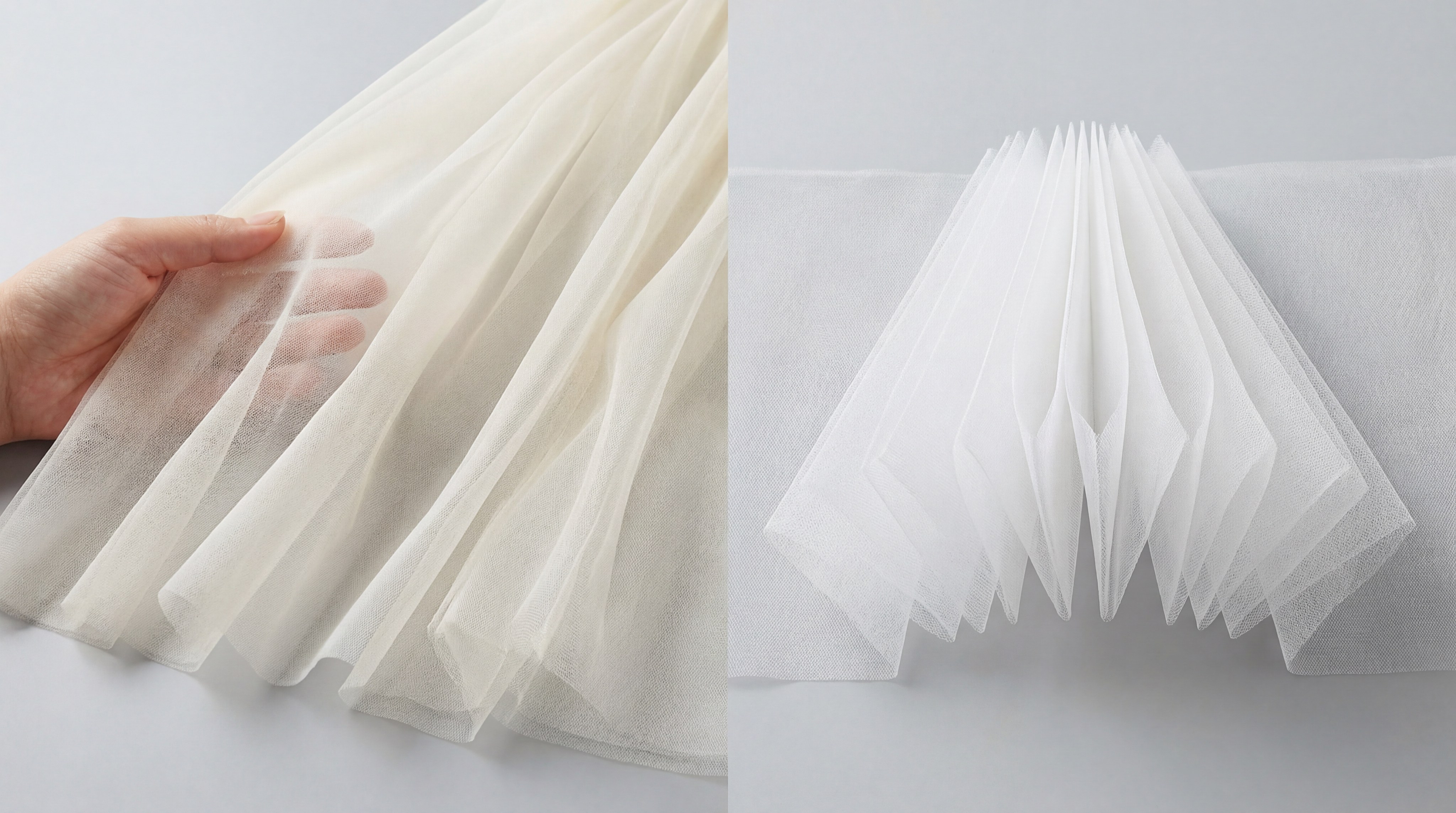
You might think all mesh is the same, but the tulle fabric definition actually covers several distinct sub-types. Each variety, from English Net to Russian Veiling, features a unique weave size and purpose.
The best part? You can mix these types together to create complex textures. Using a stiff bobbinet for internal structure and a soft illusion tulle for the top layer results in professional-grade volume.
Differences in Hexagonal vs. Diamond Mesh
Check these types:
- Illusion Tulle: Fine hexagon for veils and sleeves.
- English Net: Small hexagon for flowing skirts and overlays.
- Russian Net: Large diamond for fascinators and birdcage veils.
- Glitter Tulle: Bonded crystals for high-fashion evening wear.
Key Takeaway: The specific shape and size of the mesh hole determine how the fabric moves and how well it resists snagging.
| Tulle Type | Mesh Pattern | Typical Application | |
|---|---|---|---|
| Illusion Tulle | Fine Hexagon | Bridal veils and sleeves | |
| English Net | Small Hexagon | Flowing skirts and overlays | |
| Russian Net | Large Diamond | Fascinators and birdcage veils | |
| Glitter Tulle | Bonded Crystals | High-fashion evening wear |
Selecting the right mesh pattern is a critical technical decision that influences the final drape and transparency of the design.
How does the tulle fabric definition differ from organza?
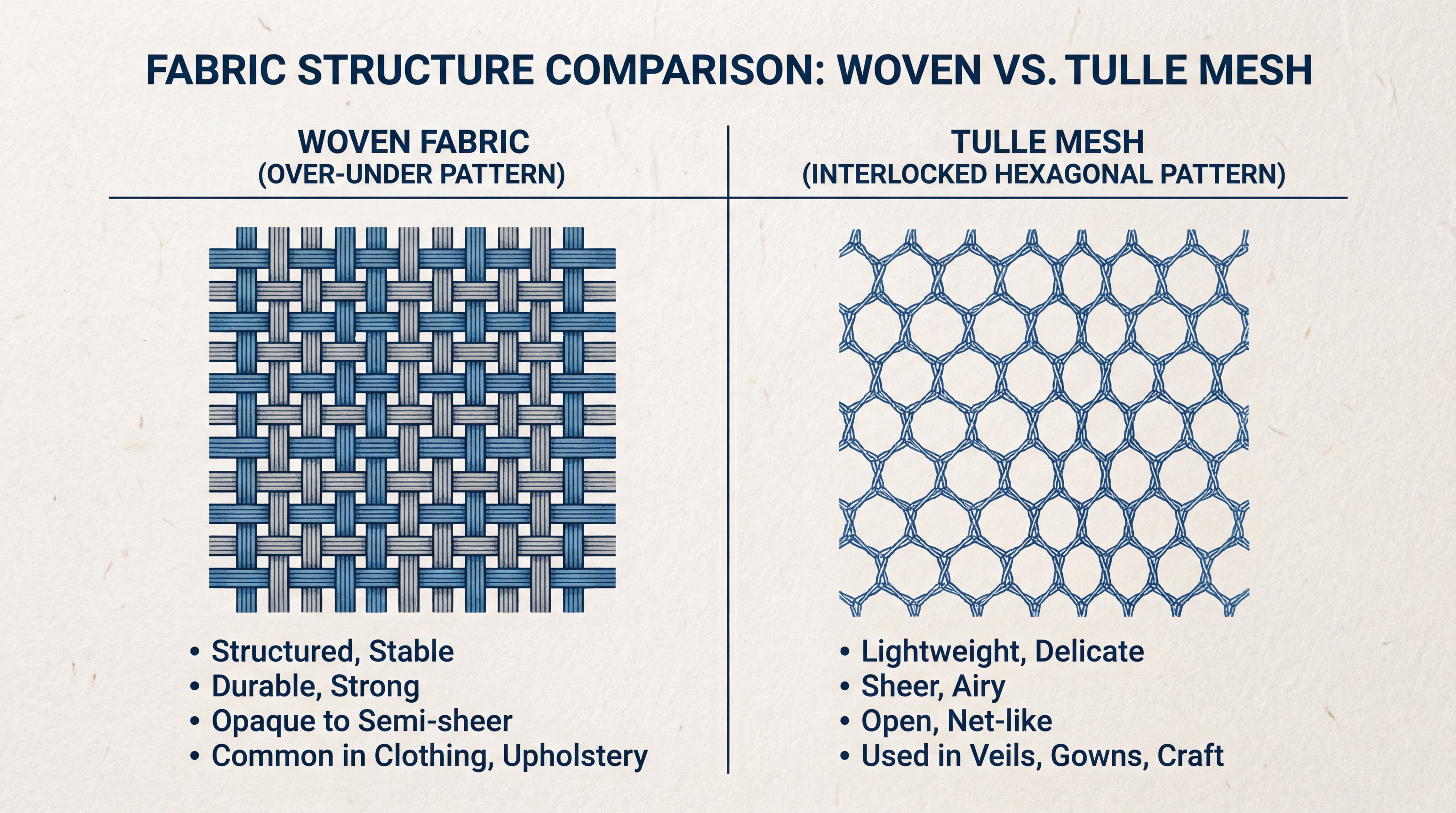
The core tulle fabric definition relies on a knitted or knotted mesh structure, whereas organza and chiffon are traditional woven fabrics. This structural difference fundamentally changes how the materials behave when cut or sewn.
Tulle does not fray, which is a major advantage for designers. Because it is a net, you can cut it in any direction without the edges unraveling, unlike organza which requires finished hems.
The Technical Contrast with Organza
Analyze the structure:
- Tulle uses an interlocked hexagonal pattern.
- Woven fabrics use an over-under warp and weft system.
- Tulle is far more voluminous with less weight.
- Organza provides a crisp, paper-like stiffness.
Key Takeaway: Choose tulle for raw-edge volume and effortless layering, while organza is better for structured, woven sheerness with finished edges.
| Property | Tulle (Mesh) | Organza (Woven) | Chiffon (Woven) | |
|---|---|---|---|---|
| Construction | Knotted Net | Plain Weave | Plain Weave | |
| Fraying | None | High | High | |
| Drape | Voluminous | Crisp / Stiff | Fluid / Liquid | |
| Edge Finish | Raw Edge OK | Requires Hemming | Requires Hemming |
The ability to leave edges raw makes tulle an incredibly efficient material for large-scale projects and quick creative prototypes.
Where does the tulle fabric definition place it in decor?
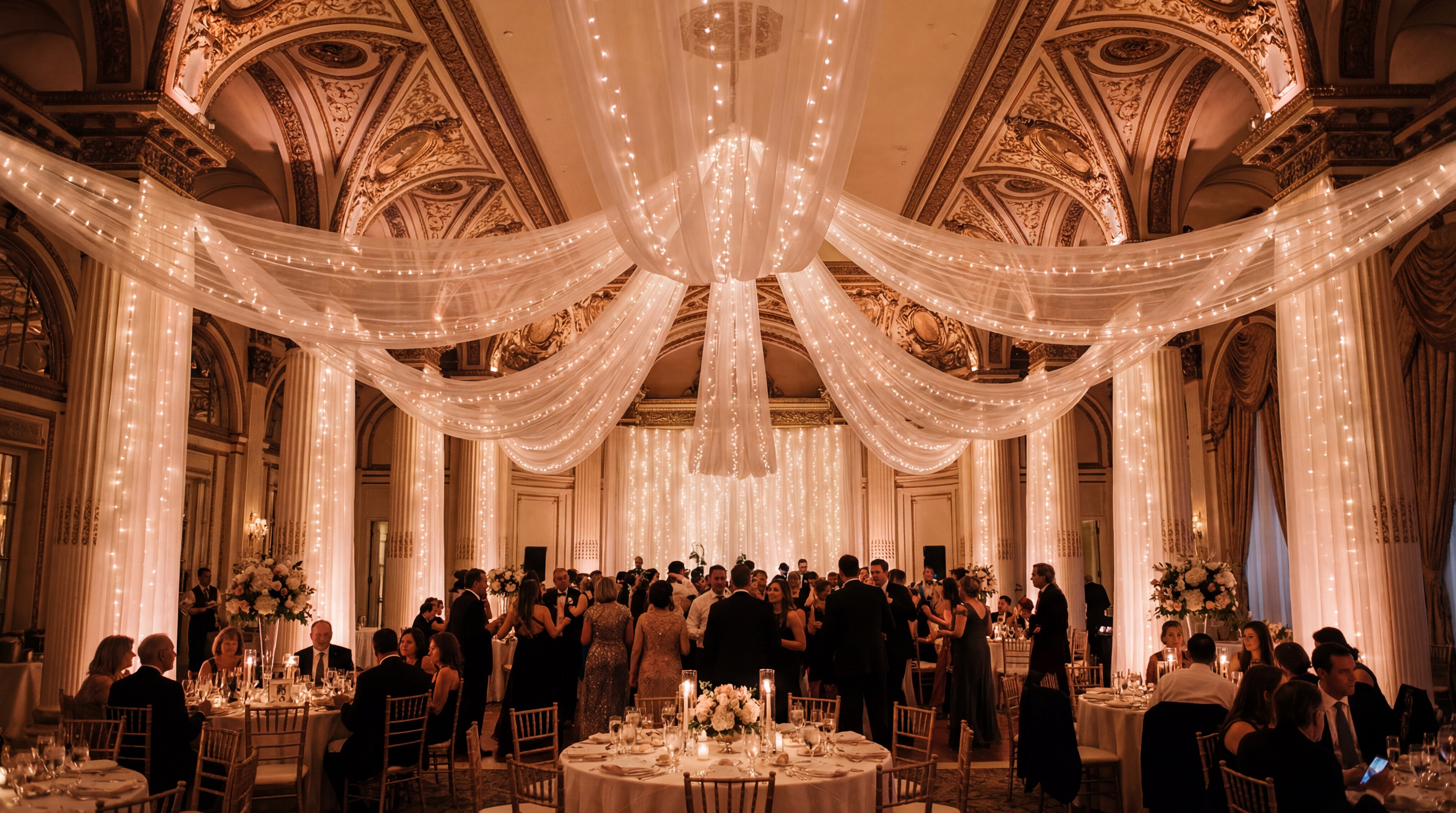
The reach of the tulle fabric definition goes far beyond the runway into the world of professional event planning. From ceiling drapes to table runners, its versatility in creating atmosphere is unmatched by heavier cloths.
Think about party favors: Small circles of tulle can wrap candies or gifts with absolute ease. It is a cost-effective way to add a touch of luxury and softness to any celebration.
Beyond Tutus: Interior Design Applications
Explore these uses:
- Dramatic ceiling backdrops and drapes.
- Romantic chair sashes and table runners.
- Decorative favor wraps and gift ribbons.
- Airy window sheers and bed canopies.
Key Takeaway: Tulle is the most cost-efficient way to transform a large, empty space into a romantic and inviting venue.
| Sector | Primary Application | Secondary Application | |
|---|---|---|---|
| Fashion | Bridal & Dancewear | Lingerie Accents | |
| Events | Backdrops & Drapes | Chair Sashes | |
| Gifting | Favor Wraps | Ribbon Alternatives | |
| Home | Window Sheers | Bed Canopies |
Event designers rely on the sheer nature of the mesh to work with lighting, creating glowing effects that define modern venue decor.
What determines price within the tulle fabric definition?
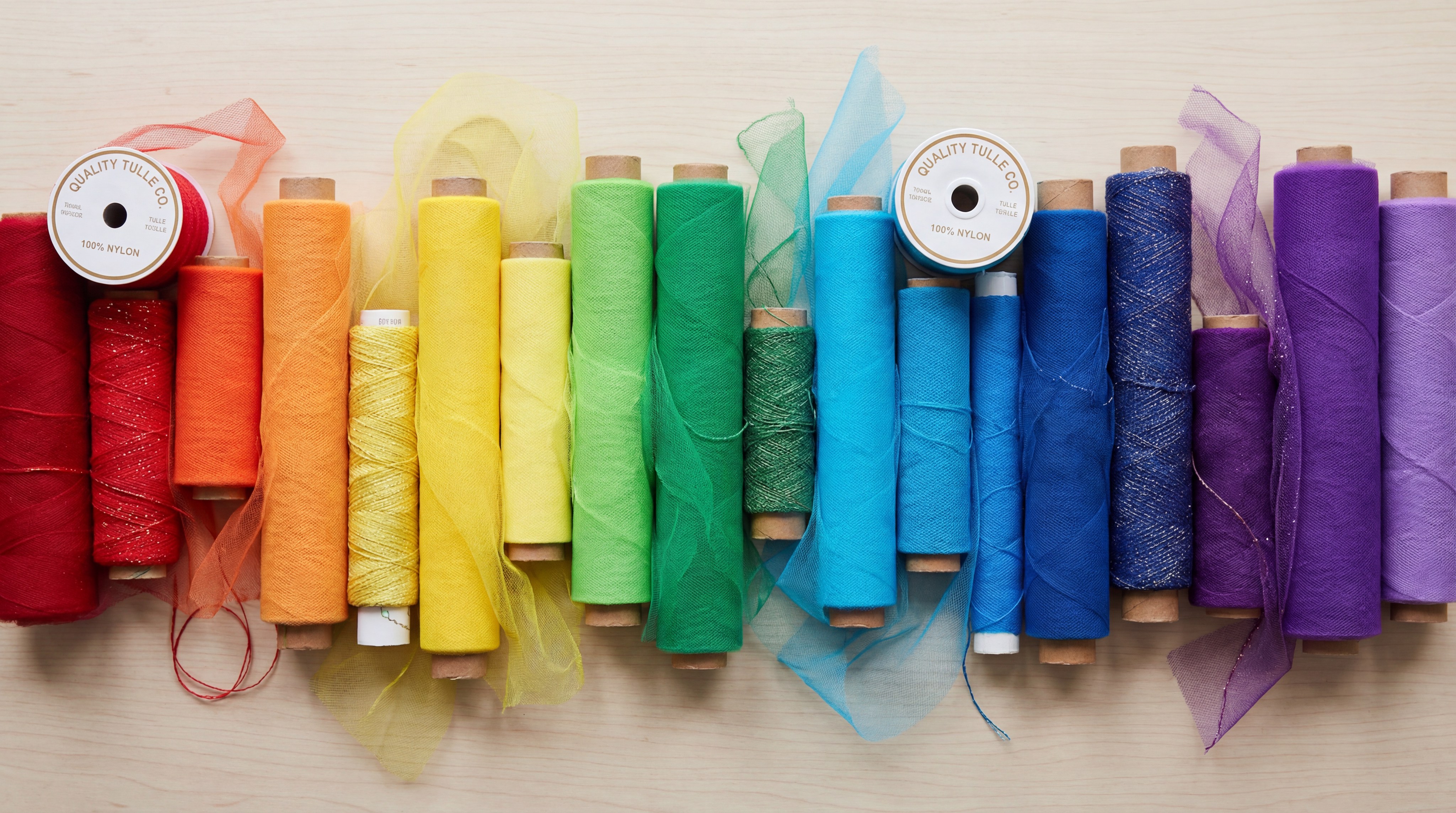
Pricing varies wildly across the tulle fabric definition map depending on the quality of the raw materials. You can find basic rolls for a few dollars or pay high premiums for elite silk varieties.
Don’t be fooled by low prices: Budget-grade tulle can be scratchy and overly stiff. If you are making a garment that touches the skin, investing in high-quality nylon from a reputable manufacturer is always worth the cost.
Bulk Purchasing and Manufacturer Pricing
Maximize your budget:
- Buying by the bolt from China significantly reduces the cost per yard.
- Wholesale pricing is ideal for event planners and manufacturers.
- Specialty glitters and metallic finishes command higher prices.
- Natural fibers like silk remain the most expensive tier.
Key Takeaway: Buying by the bolt directly from a manufacturer is the most strategic way to secure high-quality material at a fraction of the retail price.
| Purchase Type | Price Range (Est.) | Best For | |
|---|---|---|---|
| Retail Bolt | 1.50−3.00/yd | Small DIY Projects | |
| Wholesale (China) | 0.40−0.90/yd | Manufacturing & Events | |
| Premium Silk | 20.00−50.00/yd | Haute Couture | |
| Glitter / Specialty | 5.00−12.00/yd | Statement Pieces |
Cost management in large projects relies on understanding the balance between fiber quality and the volume of material required for the design.
How do you select material based on the tulle fabric definition?
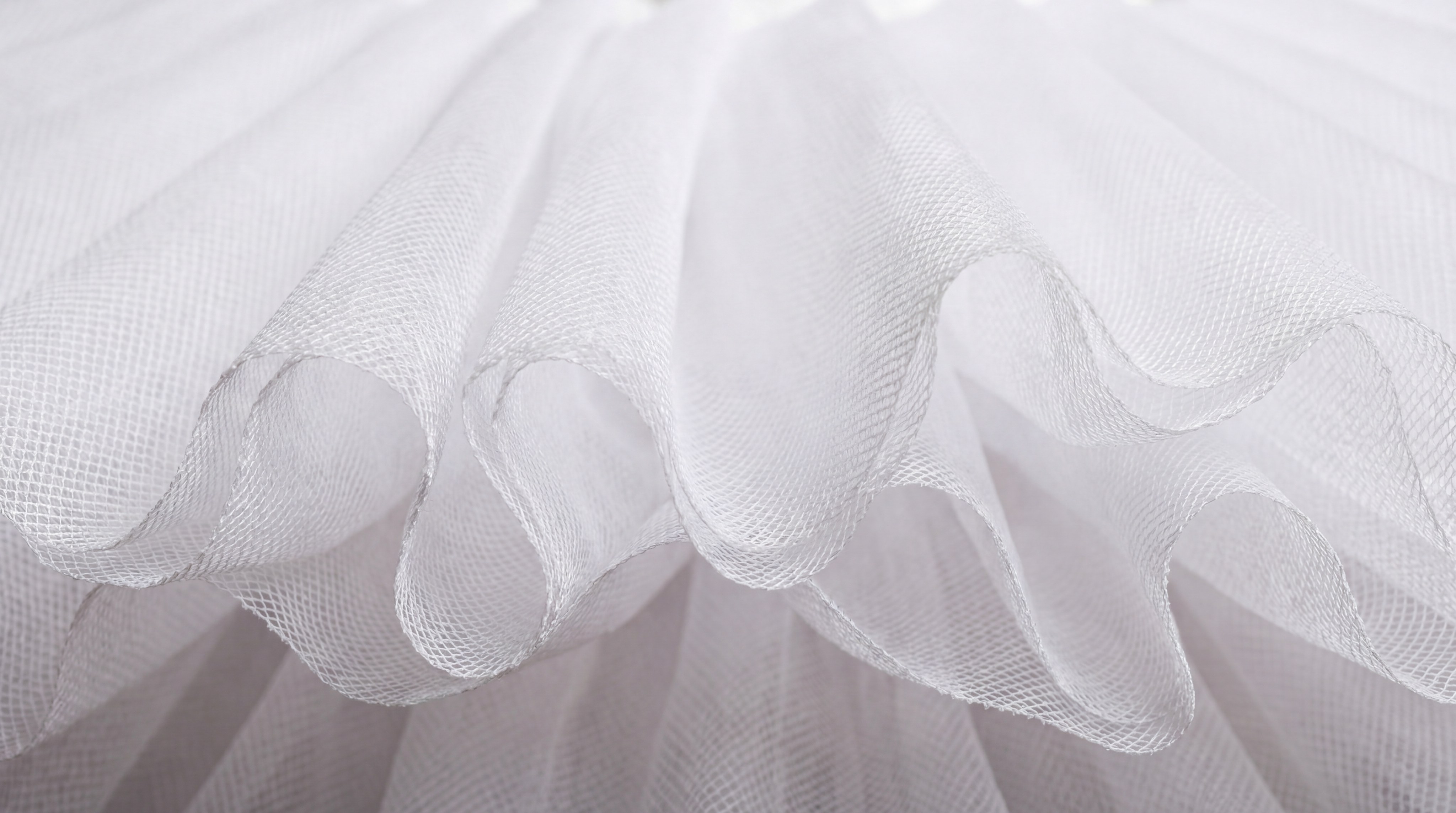
Selection is an art form. To master the tulle fabric definition , you must look closely at the weave density and the “drape” of the material. A high-quality tulle should feel smooth to the touch and return to its original shape quickly.
Check the colorfastness: Especially for event decor exposed to sunlight or moisture, you need dyes that won’t bleed or fade. Always request a physical sample before committing to a large wholesale order.
Checklists for Durable Selections
Verify these points:
- Smooth hand feel without scratchiness.
- High recovery or “spring-back” after squeezing.
- Uniform hole size throughout the roll.
- Quality dyes with no chemical odor.
Key Takeaway: Always test for “spring-back” because quality tulle should not remain permanently wrinkled or creased when released.
| Selection Criteria | What to Look For | Why it Matters | |
|---|---|---|---|
| Hand Feel | Smooth, non-scratchy | Comfort against skin | |
| Recovery | Returns to shape | Prevents sagging | |
| Hole Size | Uniformity | Visual consistency | |
| Dye Quality | No odor/bleeding | Professional finish |
A meticulous selection process ensures that the finished product meets the high standards of both the designer and the end client.
How do you care for items in the tulle fabric definition?
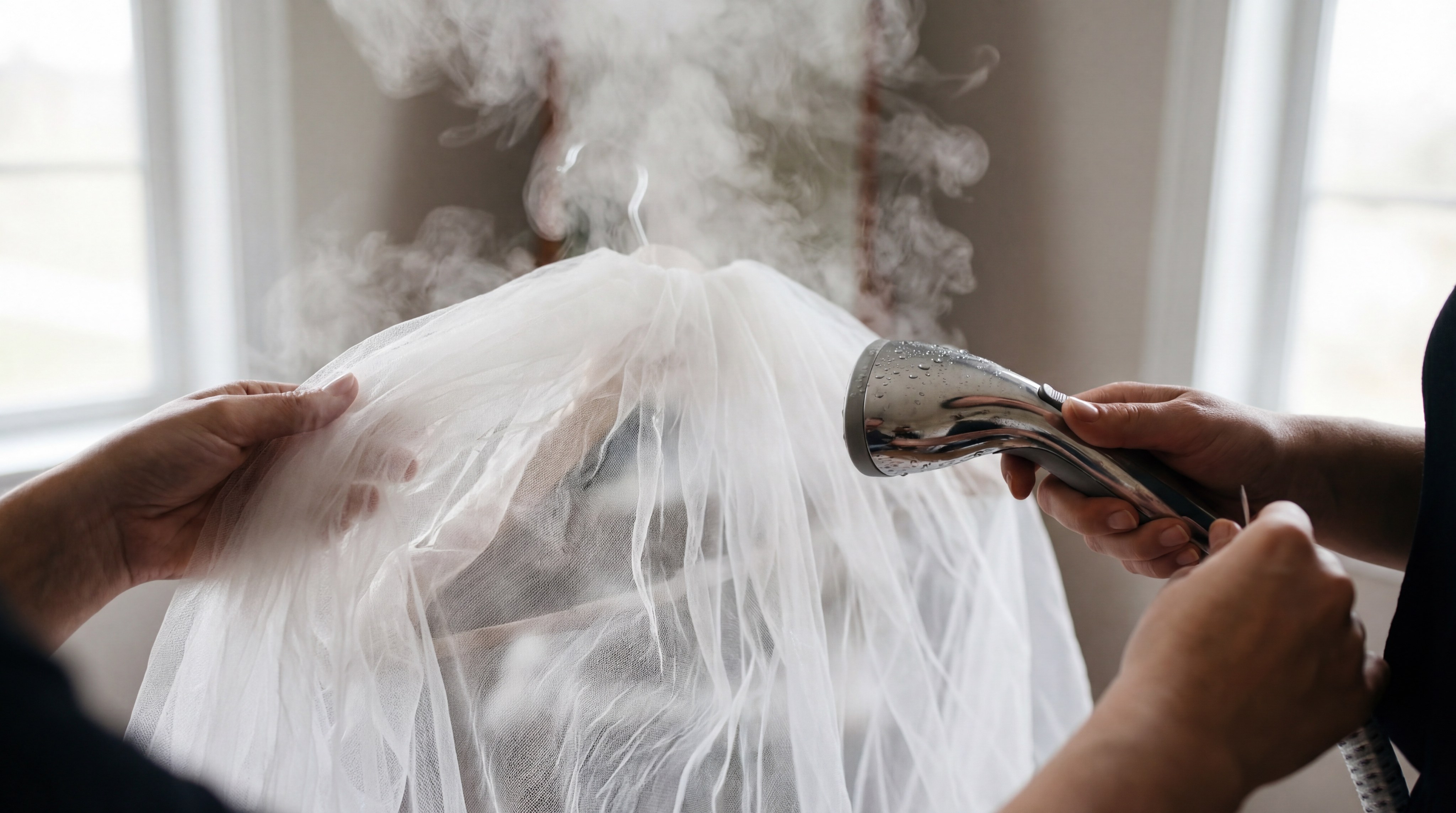
Proper care is vital to maintaining the tulle fabric definition of beauty and longevity. Since it is a delicate mesh, it is highly prone to snagging on jewelry, zippers, or rough surfaces. Never throw your tulle items in a standard wash cycle with items that have hooks.
Steaming is your best friend: Traditional irons can melt synthetic fibers in mere seconds. A gentle hand steamer will release stubborn wrinkles and restore that beautiful, airy volume you love without damaging the fibers.
Longevity and Storage Best Practices
Follow these steps:
- Hand wash in cold water with mild detergent.
- Air dry flat to maintain the shape of the mesh.
- Use a steamer held at a safe distance to remove creases.
- Store hanging or loosely rolled rather than folded.
Key Takeaway: Store tulle hanging or loosely rolled, as folding creates permanent creases in the mesh that are difficult to remove.
| Care Step | Recommended Method | Pro Tip | |
|---|---|---|---|
| Washing | Hand wash cold | Use mesh bags if machine washing | |
| Drying | Air dry flat | Never use a tumble dryer | |
| De-wrinkling | Hand steamer | Keep steamer 6 inches away | |
| Storage | Padded hanger | Avoid wire hangers to prevent snags |
Proper maintenance ensures that the fabric retains its structural integrity and ethereal appearance for years to come.
FAQ
- Can I sew tulle with a regular sewing machine?Yes, you can use a zig-zag stitch or a long straight stitch with a fine needle. It is often helpful to place tissue paper underneath the mesh to prevent it from getting sucked into the feed dogs.
- What’s the best way to cut tulle without it looking jagged?Yes, using a rotary cutter and a self-healing mat is the best method. This provides a much cleaner, straighter edge than standard fabric scissors can achieve.
- How do I know if my tulle is nylon or polyester?It depends on the feel and stretch; nylon generally feels softer and has a bit more “give.” Polyester feels slightly crisper and is known for being more flame-resistant.
- Can I dye tulle at home?It depends on the fiber; synthetic tulle like nylon or polyester requires special “disperse dyes” and high heat. Standard grocery store dyes will usually wash right out of synthetic mesh.
- How do I keep tulle from sticking to my legs?Yes, you can spray the layers lightly with a mix of water and fabric softener. Alternatively, using a dedicated anti-static spray will keep the fabric from clinging due to static.
Conclusion
Tulle fabric is the ultimate tool for adding drama, elegance, and volume to your creative projects. By mastering the tulle fabric definition, you now understand the nuances between silk and synthetic, matte and shiny, and soft and stiff. Whether you are designing a high-fashion gown or decorating a festive event, the right choice of mesh makes all the difference in the final result. We have solved the challenges of volume loss, scratchy textures, and choosing the right fiber for your specific needs. Ready to start your next project with premium materials? For high-quality wholesale options directly from the source, feel free to contact us today and elevate your designs. At Fandafabrics, we are committed to weaving the future of elegance through innovative mesh solutions for the global fashion industry.